Japanese Minimalism Readiness Quiz
Discover how aligned your life is with the Japanese minimalist method. Answer 5 questions about your habits, mindset, and space.
Do you feel like your home is slowly taking over your life? It’s not just about the pile of mail on the counter or the closet that won’t close. It’s that heavy feeling in your chest when you walk into a room full of things you don’t need, don’t use, and don’t love. This isn’t just bad organization; it’s clutter overload. And if you’re looking for a way out, you’ve probably heard whispers of the Japanese minimalist method. But what exactly is it? Is it just another trend where you throw away everything until you look like you’re living in a museum?
Not quite. The Japanese minimalist method is a lifestyle philosophy rooted in ancient traditions that focuses on intentional living, mental clarity, and finding beauty in simplicity. Unlike Western minimalism, which often obsesses over white walls and empty surfaces, the Japanese approach is deeply practical. It’s about keeping only what serves a purpose or brings genuine joy, while respecting the space around you. It’s less about deprivation and more about liberation.
The Philosophy Behind the Practice: Ma and Danshari
To understand how this works, you have to look past the aesthetics. You can’t just buy beige furniture and call it minimalist. You need to understand the core concepts driving the method. Two major pillars stand out: Ma and Danshari.
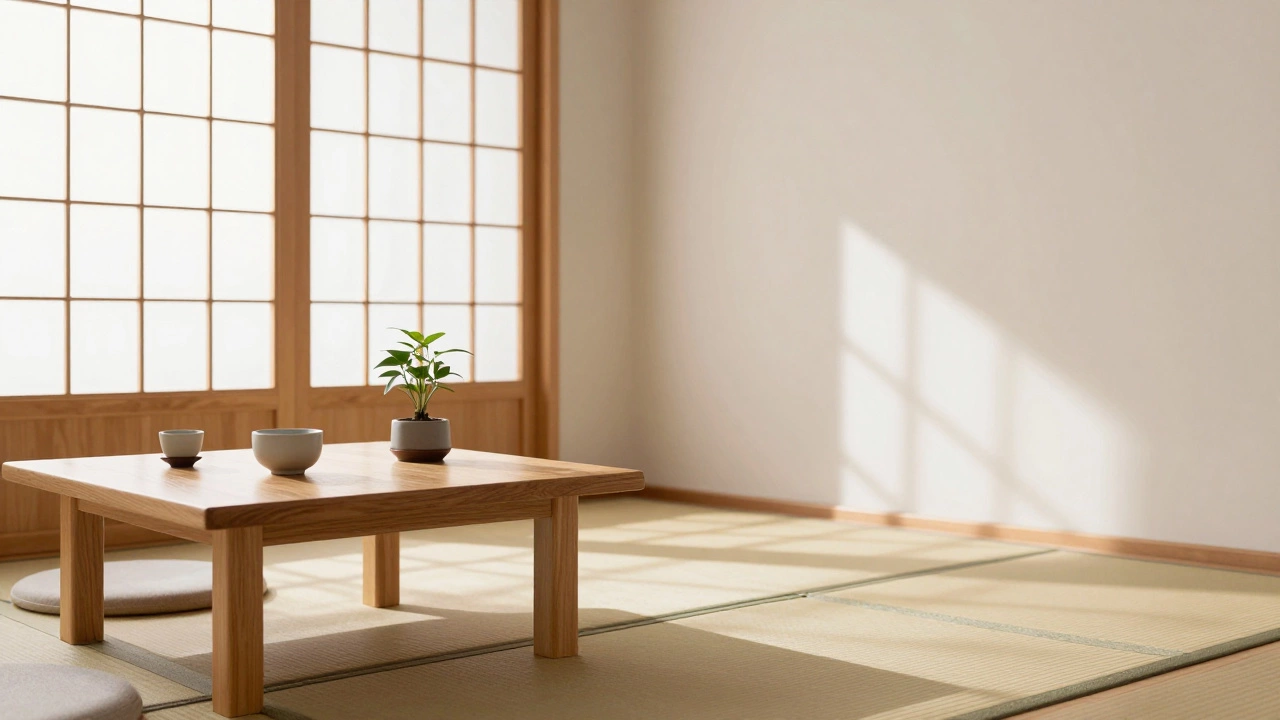
Ma (pronounced "mah") is one of the most misunderstood concepts in Japanese culture. In English, we translate it as "space," but that’s too simple. Think of Ma as the meaningful pause between notes in a song. Without that silence, music is just noise. In your home, Ma is the empty floor space that lets you breathe. It’s the clear countertop that invites you to sit down with a cup of tea rather than immediately cleaning up. When you practice Ma, you aren’t just removing objects; you are creating room for life to happen.
Then there is Danshari, a term popularized by author Marie Kondo, though its roots go back much further. Break it down: Dan means to discard, Sha means to refuse, and Ri means to separate from desire. It’s a three-step process. First, you get rid of what you no longer need. Second, you stop buying unnecessary things. Third, you detach your self-worth from material possessions. This isn’t a one-time spring cleaning event. It’s a continuous mindset shift.
How It Differs From Western Minimalism
You might be thinking, "Isn’t this just what those Instagram influencers do with their all-white kitchens?" There is a difference, and it matters. Western minimalism often focuses on the visual result. It’s aesthetic-driven. If it looks clean and sparse, it’s considered successful. Sometimes, this leads to people hiding clutter in drawers because they want the *look* of minimalism without the work.
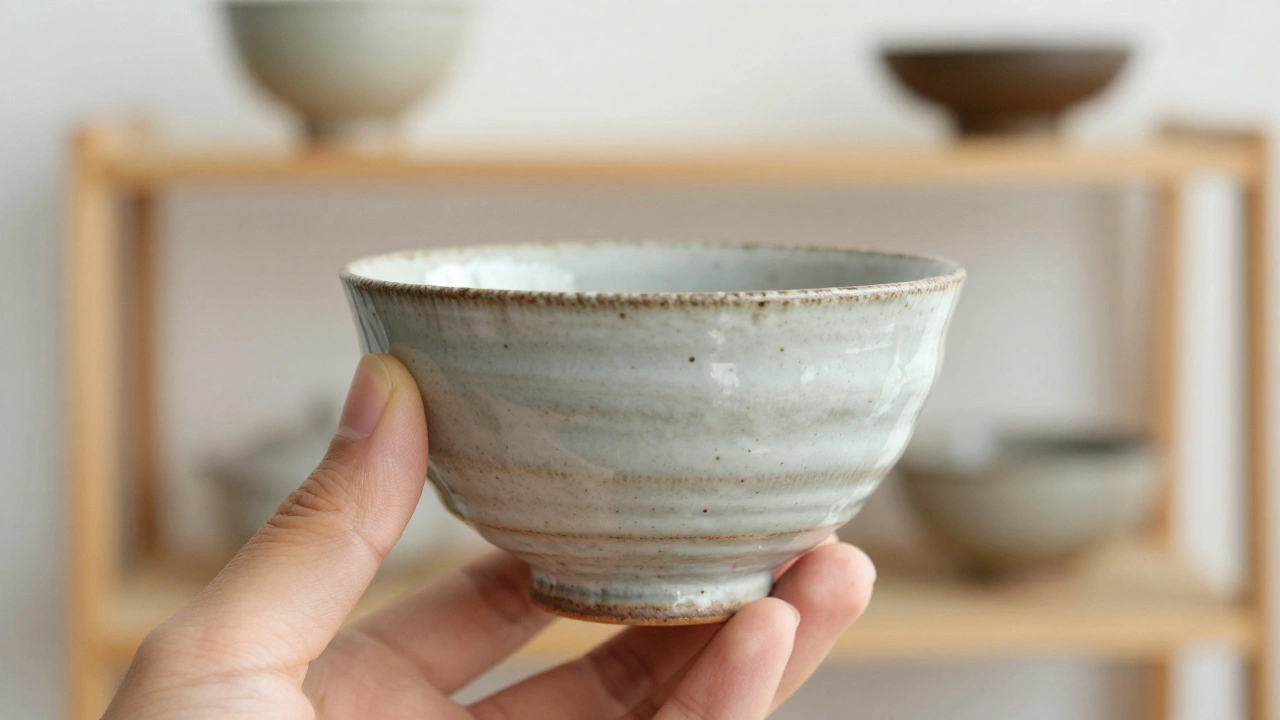
The Japanese method is function-driven. It asks: "Does this object have a place here? Does it serve me?" It embraces imperfection. For example, the concept of Wabi-Sabi finds beauty in aging, wear, and asymmetry. A chipped bowl used every day is valued more than a pristine one sitting in a cabinet. This makes the method more forgiving and realistic for families. You don’t have to own five things total. You just have to own things that matter.
| Feature | Western Minimalism | Japanese Minimalist Method |
|---|---|---|
| Primary Focus | Aesthetics and visuals | Function and mental clarity |
| View on Objects | Objects are distractions | Objects should serve a purpose or bring joy |
| Imperfection | Often avoided | Embraced (Wabi-Sabi) |
| Space Concept | Empty space | Meaningful pause (Ma) |
| Maintenance | Occasional deep cleans | Daily habits (Danshari) |
Practical Steps to Start Your Journey
So, how do you actually do this? You don’t need to throw out half your house overnight. That’s overwhelming and usually leads to regret. Start small. Here is a step-by-step approach based on traditional principles.
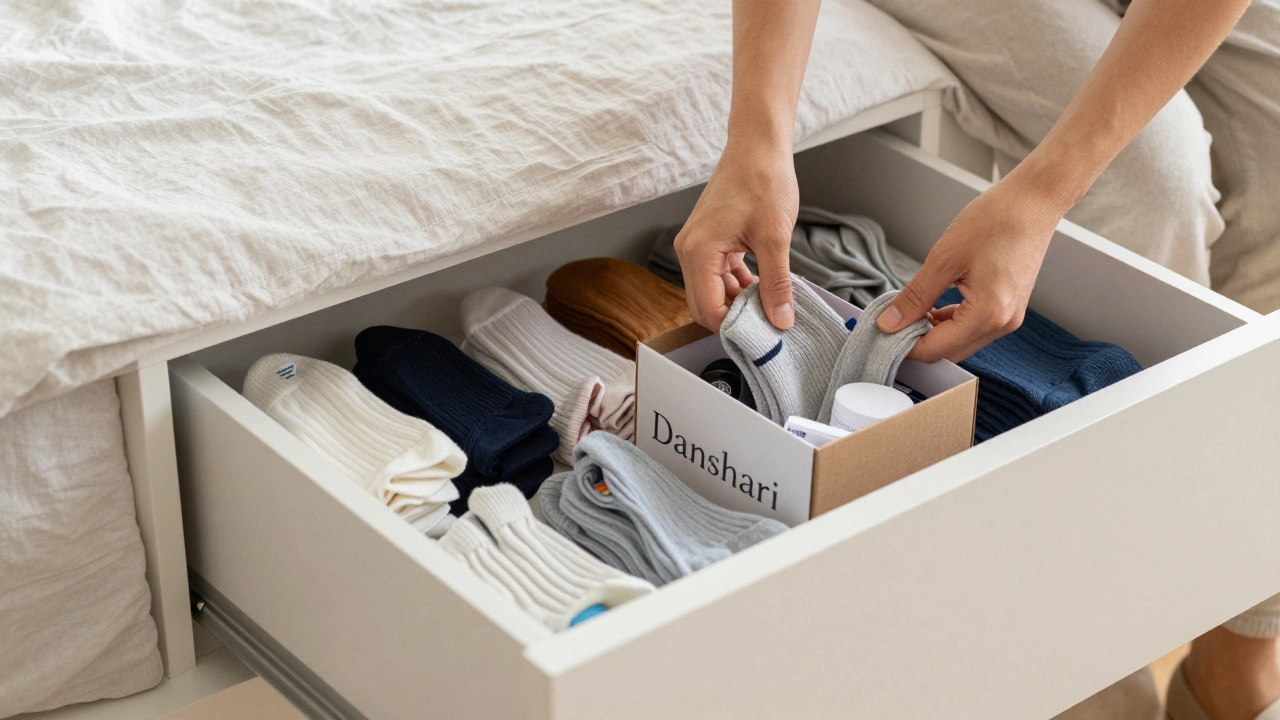
- Start with One Drawer: Pick a single drawer-maybe your junk drawer or a sock drawer. Take everything out. Wipe it clean. Now, put back only what you truly use. Ask yourself: "If I needed this tomorrow, would I know where it is?" If not, it stays out.
- The One-In, One-Out Rule: This is crucial for maintenance. If you buy a new shirt, an old one must go. If you download a new app, delete one you haven’t opened in months. This keeps your inventory static rather than growing.
- Create Zones for Everything: In Japan, homes are designed with specific places for shoes, umbrellas, and keys. Mimic this. Don’t let keys live on the couch. Give them a bowl by the door. When every object has a "home," clutter loses its power to hide.
- Practice Digital Decluttering: Clutter isn’t just physical. Look at your phone. Delete apps you don’t use. Unsubscribe from emails that stress you out. Clear your desktop. Digital Ma reduces anxiety just as much as physical Ma does.
- Respect the Season: Rotate your clothes and decor seasonally. Store winter coats in summer. This naturally limits what’s visible and accessible, reducing decision fatigue.
The Role of Mindfulness and Mental Wellness
Why does this matter beyond having a tidy house? Because clutter competes for your attention. Every item in your peripheral vision demands a tiny bit of cognitive processing. Over time, this creates low-level stress. Studies in environmental psychology show that chaotic environments increase cortisol levels, the body’s stress hormone.
By adopting the Japanese minimalist method, you are practicing mindfulness. You become aware of your consumption habits. You start asking, "Do I need this?" before you buy it. This saves money, obviously, but it also saves energy. You spend less time managing stuff and more time living. It’s a shift from being a consumer to being a curator of your life.
Consider the concept of Iki, which refers to a refined elegance and liveliness. An Iki life isn’t boring. It’s vibrant because it’s unburdened. When you remove the excess, the important things stand out. Your relationships, your hobbies, your rest-they become clearer.
Common Pitfalls to Avoid
Even with the best intentions, people stumble. Here are the most common mistakes when trying to adopt this lifestyle.
- Going Too Fast: Throwing away decades of memories in a weekend is traumatic. It leads to rebound hoarding. Go slow. Respect your emotional attachment to items.
- Ignoring Emotional Value: Just because a mug doesn’t serve a practical purpose doesn’t mean it’s trash. If it reminds you of your grandmother, keep it. But display it. Don’t let it gather dust in a box. Honoring an object means using it or showing it with pride.
- Buying "Minimalist" Products: Don’t replace your colorful, mismatched plates with expensive, uniform ceramic sets just to fit the aesthetic. That’s consumerism, not minimalism. Use what you have until it wears out.
- Perfectionism: Your home will get messy again. Kids will drop toys. Life happens. The goal isn’t a perfect home; it’s a resilient system that makes cleanup easy.
Sustainability and Environmental Impact
In 2026, sustainability isn’t just a buzzword; it’s a necessity. The Japanese minimalist method aligns perfectly with eco-friendly living. By buying less, you reduce demand for fast fashion and cheap electronics. By keeping items longer, you reduce waste in landfills.
This connects to the principle of Mottainai, an expression of regret regarding waste. It implies that things have a soul and should be used to their full potential. Repairing a torn shirt instead of tossing it. Using glass jars for storage instead of buying plastic containers. These small acts accumulate. They protect the planet and deepen your connection to the objects you do own.
Think about the lifecycle of a product. Most mass-produced goods are designed to break. By choosing quality over quantity, you invest in durability. This is smarter economics and better ethics. You stop participating in the cycle of disposable culture.
Integrating the Method Into Modern Life
You might worry that this method is only for monks or people who live in tiny apartments. It’s not. It scales. Whether you live in a sprawling suburban house or a city studio, the principles apply. The key is intentionality.
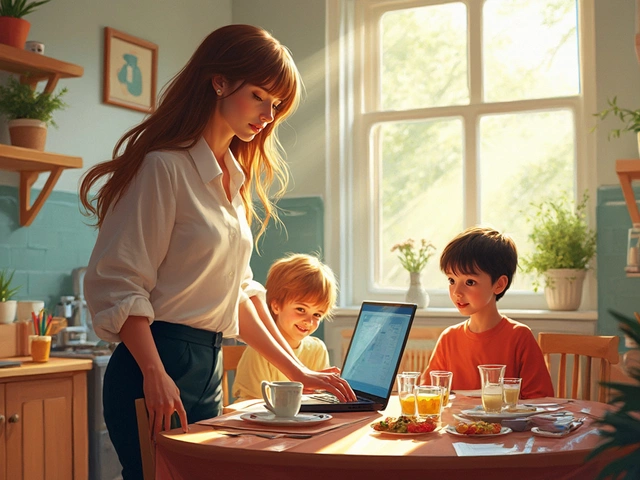
For families, it means teaching kids the value of care. Let them help clean their rooms. Show them how to fix a broken toy. Explain why we don’t buy things just because they’re shiny. For remote workers, it means creating a workspace that supports focus, not distraction. Remove the visual noise so your brain can engage in deep work.
It also applies to your schedule. Can you apply Danshari to your calendar? Discard commitments that drain you. Refuse invitations that don’t align with your values. Separate yourself from the pressure to always be busy. This is temporal minimalism, and it’s just as powerful as physical decluttering.
Is the Japanese minimalist method expensive to implement?
No, it is actually cost-saving. The method encourages you to use what you already have and buy less. While some people invest in high-quality durable goods, the core practice is about reducing consumption, which lowers your monthly expenses significantly.
Can I still have decorations and art if I follow this method?
Absolutely. The Japanese method values beauty and meaning. Art, plants, and cherished decorations are encouraged as long as they are chosen intentionally. The goal is to avoid clutter, not to eliminate personality. Display your art proudly, but avoid filling every surface with knick-knacks.
How do I deal with sentimental items I can't throw away?
You don't have to throw them away. Curate them. Keep a small box of truly meaningful items and rotate them occasionally. Take photos of larger sentimental objects to preserve the memory without keeping the bulk. The key is to honor the memory without letting the object dominate your space.
What is the difference between Ma and just having empty space?
Empty space is just void. Ma is active and functional. It is space that allows movement, thought, and relaxation. For example, leaving a gap between furniture pieces isn't just about aesthetics; it's about allowing air to flow and making the room feel breathable and welcoming.
Does this method work for large families with lots of stuff?
Yes, but it requires patience. Start with shared spaces like the kitchen or living room. Involve family members in the process. Teach children the concept of caring for their belongings. It’s less about achieving a stark look and more about creating systems that make daily life smoother and less stressful for everyone.
Adopting the Japanese minimalist method isn’t about becoming a different person. It’s about removing the barriers that prevent you from being the best version of yourself. It’s about waking up and seeing your home clearly, knowing that every object there has earned its place. Start with one drawer. Breathe in the space. And see how light feels.