

Mental Health Crisis Warning Signs Checker
Symptom Assessment
Select all that applyCheck the boxes next to any behaviors or feelings you or someone you know has experienced recently (within the last few weeks).
Emotional Signs
Behavioral Changes
Risky Actions & Substance Use
Physical & Cognitive Symptoms
Assessment Summary
Selected Warning Signs:
Risk Level Indicator:
Imagine you are sitting across from a friend. They look tired, maybe a bit distant. You ask how they are doing, and they shrug it off with a quick "I'm fine." But something feels wrong. Their eyes don't match their words. This disconnect is often the first clue that someone is struggling silently. Recognizing a mental health crisis isn't about being a therapist; it's about noticing when normal stress turns into something dangerous.
A mental health crisis is not just a bad day or a moment of sadness. It is a situation where a person's thoughts, feelings, or behaviors become so overwhelming that they can no longer function safely or effectively. These crises can escalate quickly, turning manageable anxiety into panic, or mild depression into severe hopelessness. The good news? Early recognition saves lives. By understanding the specific warning signs, you can step in before things spiral out of control.
The Emotional Red Flags
Emotions are the internal weather system of our minds. When the storm hits hard, it leaves visible traces. The first sign to watch for is intense mood swings. We all have ups and downs, but in a crisis, these shifts are drastic and unpredictable. One minute a person might be laughing at a joke, and ten minutes later, they are crying uncontrollably over a minor inconvenience. This volatility suggests their emotional regulation system is overloaded.
Closely related to mood swings is extreme anxiety or agitation. If someone seems constantly on edge, pacing around the room, or unable to sit still, their nervous system is likely in overdrive. They might describe feeling like they are going to explode or that something terrible is about to happen, even when there is no immediate threat. This state of hyper-arousal is exhausting and can lead to burnout or panic attacks if left unchecked.
Another critical emotional sign is deep despair or hopelessness. This goes beyond feeling sad. It is a pervasive belief that nothing will ever get better. People experiencing this often talk about being a burden to others or express that life has no meaning. If you hear phrases like "What's the point?" or "Everyone would be better off without me," take them seriously. These are not just complaints; they are cries for help indicating a loss of future orientation.
Behavioral Changes That Demand Attention
While emotions are internal, behavior is external and observable. A sudden withdrawal from social activities is one of the most common warning signs. Think about your usual circle. Does someone who used to love Friday night dinners suddenly cancel every plan? Do they stop responding to texts or avoid eye contact? Isolation is often a coping mechanism when the world feels too loud or demanding, but it also cuts off the support network needed to recover.
Changes in sleep patterns are another major indicator. Insomnia, where a person lies awake staring at the ceiling for hours, is frequent in crises. Conversely, hypersomnia-sleeping excessively to escape reality-is equally concerning. Both extremes disrupt the body's natural rhythm and worsen mental fatigue. If a colleague starts arriving late because they couldn't wake up, or stays late because they couldn't fall asleep, it’s a signal worth noting.
Neglect of personal hygiene and daily responsibilities often accompanies a crisis. When mental energy is depleted by internal turmoil, basic tasks like showering, cooking, or paying bills can feel insurmountable. You might notice a friend wearing the same clothes for days, living in a cluttered home, or missing work deadlines repeatedly. This isn't laziness; it's executive dysfunction caused by psychological distress.
Risky Actions and Substance Use
In an attempt to numb pain or regain control, some individuals turn to risky behaviors. Increased use of alcohol or drugs is a significant red flag. While substance use might start as a way to relax, it quickly becomes a crutch that exacerbates mental instability. Watch for changes in drinking habits, such as needing more alcohol to feel the same effect or using substances during the day instead of just in the evening.
Reckless driving, unsafe sexual practices, or excessive spending are other forms of risk-taking. These actions provide a temporary dopamine hit but carry long-term consequences. They reflect a disregard for personal safety that often stems from feelings of worthlessness or impulsivity. If someone you know starts engaging in activities that seem out of character or dangerously bold, it may be a sign they are trying to self-medicate or distract themselves from deeper issues.

Physical Symptoms of Psychological Distress
The mind and body are deeply connected. Unexplained physical ailments can sometimes be manifestations of mental health struggles. Chronic headaches, stomachaches, or muscle tension that doctors cannot diagnose medically are common somatic symptoms of anxiety and depression. Stress hormones like cortisol remain elevated, causing inflammation and pain throughout the body.
Fatigue is another physical marker. Even after sleeping, a person in crisis may feel drained and lethargic. This isn't just physical tiredness; it's a heavy sense of exhaustion that affects motivation and energy levels. Coupled with changes in appetite-either losing interest in food or binge eating-these physical signs create a vicious cycle that further deteriorates mental well-being.
Verbal Cues and Communication Shifts
Pay close attention to what people say, not just how they act. Verbal cues can be direct or subtle. Direct statements about wanting to die, harming oneself, or feeling trapped are urgent warnings. However, indirect comments are equally important. Phrases like "I won't be a problem much longer" or "I just want it all to end" should never be dismissed as dramatic flair. They are often coded messages seeking intervention.
Communication style also changes. Someone might become unusually quiet, giving short, monosyllabic answers. Alternatively, they might talk rapidly, jumping between topics without coherence. This disorganized speech pattern can indicate psychosis or severe anxiety. In both cases, the ability to connect logically with others is impaired, making conversation difficult and isolating.
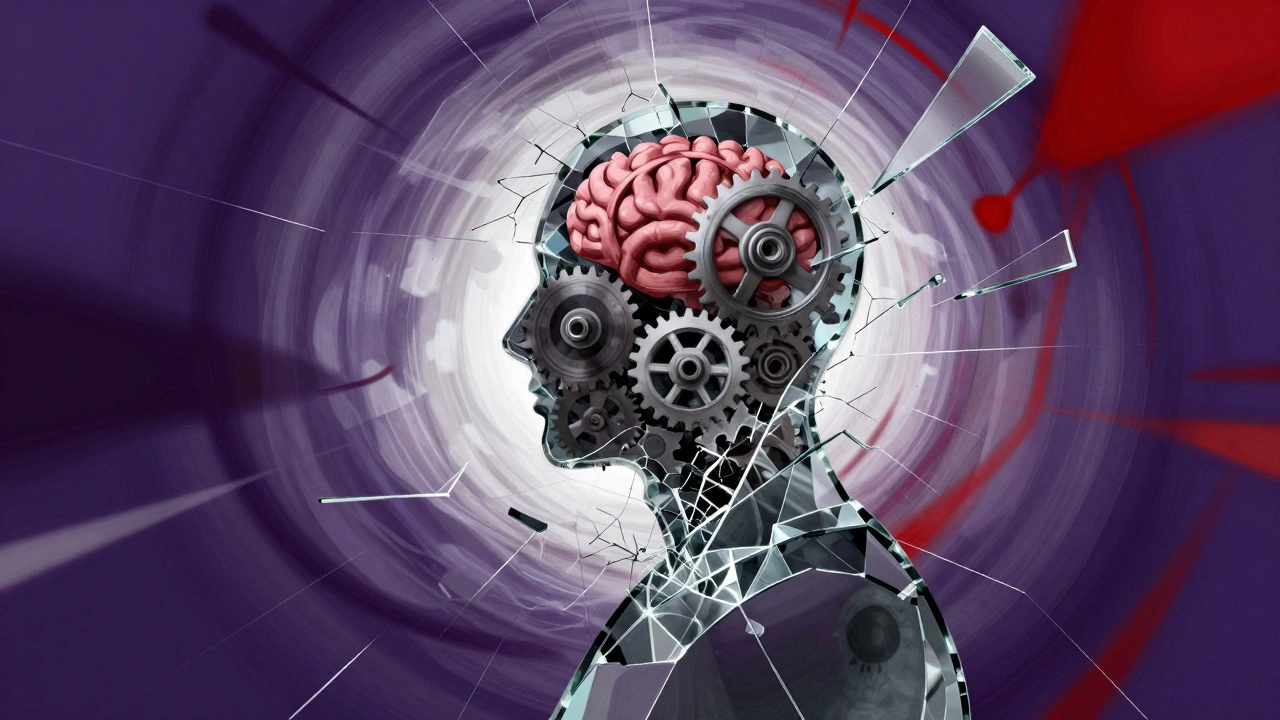
Cognitive Difficulties and Perception Issues
Mental health crises can impair cognitive functions. Difficulty concentrating is a hallmark symptom. A student who usually aced exams might struggle to read a single page. An employee might make uncharacteristic errors in simple tasks. This brain fog makes everyday decision-making feel impossible, leading to frustration and further stress.
In more severe cases, perception itself can distort. Hallucinations (seeing or hearing things that aren't there) or delusions (fixed false beliefs) are serious signs of a psychotic break. While less common than mood disorders, these symptoms require immediate professional attention. If someone claims to see shadows moving in corners or believes they are being watched by invisible forces, do not argue with them. Instead, seek emergency help immediately.
| Category | Warning Sign | Description |
|---|---|---|
| Emotional | Intense Mood Swings | Rapid, unpredictable shifts in emotion unrelated to events. |
| Emotional | Extreme Anxiety | Persistent agitation, restlessness, or fear without clear cause. |
| Emotional | Hopelessness | Belief that the future holds no improvement or meaning. |
| Behavioral | Social Withdrawal | Isolating from friends, family, and usual activities. |
| Behavioral | Sleep Disruption | Insomnia or excessive sleeping affecting daily function. |
| Behavioral | Neglect of Responsibilities | Failing to maintain hygiene, work, or household duties. |
| Risk | Substance Abuse | Increased use of alcohol or drugs to cope. |
| Risk | Risky Behaviors | Reckless driving, spending, or unsafe practices. |
| Physical | Unexplained Ailments | Chronic pain, headaches, or digestive issues without medical cause. |
| Cognitive | Concentration Problems | Inability to focus, remember, or make decisions. |
How to Respond When You Spot the Signs
Knowing the signs is only half the battle. Knowing how to react is crucial. First, approach the person with empathy, not judgment. Choose a private, calm setting to talk. Use "I" statements to express concern, such as "I've noticed you've been withdrawn lately, and I'm worried about you." Avoid accusatory language like "You need to snap out of it."
Listen actively. Let them speak without interrupting or offering immediate solutions. Sometimes, simply being heard reduces the intensity of the crisis. Validate their feelings by acknowledging their pain. Say things like "That sounds incredibly hard," rather than minimizing their experience with "It could be worse."
If you suspect imminent danger, such as threats of self-harm, do not leave the person alone. Call emergency services or a crisis hotline immediately. In Australia, you can contact Lifeline at 13 11 14 or Beyond Blue at 1300 22 4636. Globally, local emergency numbers vary, but always prioritize safety. Remove any potential means of harm, such as medications or weapons, if it is safe to do so.
Encourage professional help gently. Offer to help them find a therapist or accompany them to an appointment. Recovery is a journey, and having support makes it significantly easier. Remember, you are not responsible for fixing their mental health, but you can be a bridge to the resources that can.
Can a mental health crisis happen suddenly?
Yes, while some crises develop gradually over time, others can occur abruptly due to a triggering event like a trauma, loss, or sudden change in circumstances. Even without obvious triggers, underlying conditions can reach a tipping point unexpectedly.
What is the difference between a breakdown and a crisis?
The terms are often used interchangeably, but a breakdown typically refers to a period of intense emotional distress where functioning is impaired. A crisis implies a more acute, potentially dangerous situation requiring immediate intervention to ensure safety.
Should I confront someone showing these signs?
Approach them with care rather than confrontation. Use non-judgmental language and express concern. Confrontation can lead to defensiveness, whereas empathetic communication opens the door for dialogue and support.
Are physical symptoms really linked to mental health?
Absolutely. The mind-body connection is strong. Chronic stress and mental illness can manifest as physical pain, fatigue, and gastrointestinal issues. If medical tests show no physical cause, consider psychological factors.
What should I do if someone refuses help?
Respect their autonomy while maintaining boundaries. Continue to offer support and check in regularly. If their condition worsens or poses a danger to themselves or others, involve professionals or emergency services despite their refusal.