
Rapid Weight Loss Reality Calculator
Your Inputs
Total Estimated Weight Drop:
The Deficit Breakdown
- Total Weekly Deficit: 0 kcal
- Fat Equivalent (÷ 3,500): 0 lbs
The article explains that to lose 1 lb of pure fat requires a 3,500 calorie deficit. Most "rapid" losses include water weight shed from glycogen depletion (low carb intake) and reduced sodium. This tool calculates the maximum theoretical fat loss possible through diet alone.
Enter your details to see if a specific weight loss goal is biologically realistic.
Imagine stepping on the scale and seeing that number drop by ten pounds. It sounds like a dream come true for anyone who has ever wanted to fit into an old pair of jeans or feel lighter before a big event. But here is the hard truth you need to hear right now: losing ten pounds of actual body fat in seven days is biologically impossible for almost everyone. To lose one pound of fat, you need a deficit of roughly 3,500 calories. To lose ten pounds, you’d need a deficit of 35,000 calories in a week. That means eating zero calories and burning about 5,000 calories every single day through exercise. Even elite athletes cannot sustain that level of output without severe health consequences.
So, why do people claim they did it? Because they lost water weight, glycogen stores, and digestive bulk. This guide isn't about promoting dangerous starvation diets. It’s about understanding how to safely shed excess water weight and start a real fat-loss journey using healthy meal ideas that keep your energy up and your metabolism firing. If you are looking for a quick fix, you might be disappointed. But if you want to look leaner, feel better, and kickstart sustainable habits, you are in the right place.
The Science Behind Rapid Scale Drops
When you see dramatic weight loss in the first week of any diet, it is rarely fat. Your body stores carbohydrates as glycogen in your muscles and liver. For every gram of glycogen stored, your body holds onto about three to four grams of water. When you cut carbs drastically, your body burns through those glycogen reserves. As the glycogen leaves, the water attached to it flushes out with it. This can result in a loss of five to ten pounds purely from fluid shifts.
This is not bad news. Losing water weight can make you look less bloated and more defined quickly. However, this effect is temporary. The moment you eat a bagel or a bowl of pasta, your glycogen stores refill, and the water returns. The goal here should be to use this initial drop as motivation while setting up long-term habits that actually burn fat. We need to focus on reducing inflammation and sodium intake, which also contributes significantly to water retention.
Creating a Safe Calorie Deficit
To lose fat, you must consume fewer calories than you burn. This is the fundamental law of thermodynamics. However, crashing your calorie intake below 1,200 calories a day (for women) or 1,500 calories a day (for men) can backfire. It slows down your metabolism, increases hunger hormones like ghrelin, and often leads to binge eating later. Instead, aim for a moderate deficit. If you typically eat 2,000 calories, try dropping to 1,500-1,600. This is sustainable enough to maintain energy levels while still forcing your body to tap into fat stores.
Tracking your intake helps ensure you aren't underestimating portions. Use an app to log everything for just this week. You might be surprised by how many hidden calories are in cooking oils, dressings, and snacks. Being honest with yourself about what goes into your mouth is the first step toward control. Remember, consistency beats intensity. A small, manageable deficit every day adds up faster than a massive crash diet that you quit after three days.
Strategic Carb Cycling and Low-Glycemic Foods
You don’t need to eliminate carbs entirely, but you do need to choose them wisely. High-glycemic foods like white bread, sugary cereals, and pastries spike your insulin levels. Insulin signals your body to store fat and hold onto water. By switching to low-glycemic options, you stabilize blood sugar and reduce water retention. Think leafy greens, broccoli, cauliflower, and berries. These foods are high in fiber, which keeps you full, and low in net carbs, which minimizes insulin spikes.
Consider a low-carb approach for the first few days of the week to maximize the initial water drop. Then, reintroduce complex carbs like quinoa or sweet potatoes in moderation during the latter half of the week to keep your energy stable. This strategy, often called carb cycling, can help prevent the sluggish feeling associated with strict keto diets. It allows you to enjoy some flexibility while still prioritizing fat loss.
Protein Is Your Best Friend
If there is one nutrient you should prioritize when trying to lose weight quickly, it is protein. Protein has a high thermic effect, meaning your body burns more calories digesting it compared to fats or carbs. It also preserves muscle mass. When you are in a calorie deficit, your body might break down muscle for fuel. Muscle tissue is metabolically active; losing it slows your metabolism. Eating enough protein ensures that the weight you lose comes from fat, not muscle.
Aim for about 0.7 to 1 gram of protein per pound of your target body weight. Include a source of lean protein in every meal. Chicken breast, turkey, fish, eggs, tofu, and Greek yogurt are excellent choices. Not only does protein keep you satiated longer, reducing the urge to snack, but it also provides the building blocks for repair and recovery, especially if you are adding movement to your routine.
Hydration and Electrolyte Balance
It sounds counterintuitive, but drinking more water helps you lose water weight. When you are dehydrated, your body hoards every drop it can find, leading to bloating. Drinking plenty of water signals to your body that it doesn’t need to store fluids, allowing excess water to be flushed out. Aim for at least two to three liters of water daily. Add lemon or cucumber slices if plain water feels boring.
However, cutting carbs and sweating through exercise can deplete electrolytes like sodium, potassium, and magnesium. If you feel dizzy, get headaches, or experience muscle cramps, you might be lacking these minerals. Don’t fear salt entirely, but avoid processed salty foods like chips and canned soups. Instead, add a pinch of sea salt to your meals or eat potassium-rich foods like avocados and spinach. Balancing electrolytes prevents the "keto flu" symptoms often associated with rapid dietary changes.
Movement and Activity Levels
Diet creates the majority of your results, but movement accelerates them. You don’t need to run marathons to see changes. In fact, excessive high-intensity cardio can increase cortisol, a stress hormone that promotes belly fat storage and water retention. Focus on low-impact steady-state (LISS) cardio like brisk walking. Walking for 30 to 60 minutes a day burns calories without spiking stress hormones or appetite excessively.
Incorporate strength training two to three times a week. Lifting weights or doing bodyweight exercises like squats and push-ups maintains muscle tone and boosts metabolic rate. Even light resistance work sends a signal to your body to hold onto lean tissue. Combine this with daily non-exercise activity thermogenesis (NEAT). Take the stairs, park further away, stand while talking on the phone. These small movements add up to hundreds of extra calories burned throughout the week.
Sample Healthy Meal Plan for Rapid Results
Planning your meals ahead of time removes decision fatigue and prevents impulse eating. Here is a sample day of eating designed to minimize bloating, maximize protein, and create a calorie deficit.
| Meal | Food Items | Key Benefits |
|---|---|---|
| Breakfast | Scrambled eggs with spinach and mushrooms, black coffee | High protein, low carb, caffeine boosts metabolism |
| Lunch | Grilled chicken salad with mixed greens, olive oil dressing, and cherry tomatoes | Fiber-rich, healthy fats, keeps you full |
| Snack | Greek yogurt with a handful of almonds | Probiotics for gut health, protein and healthy fats |
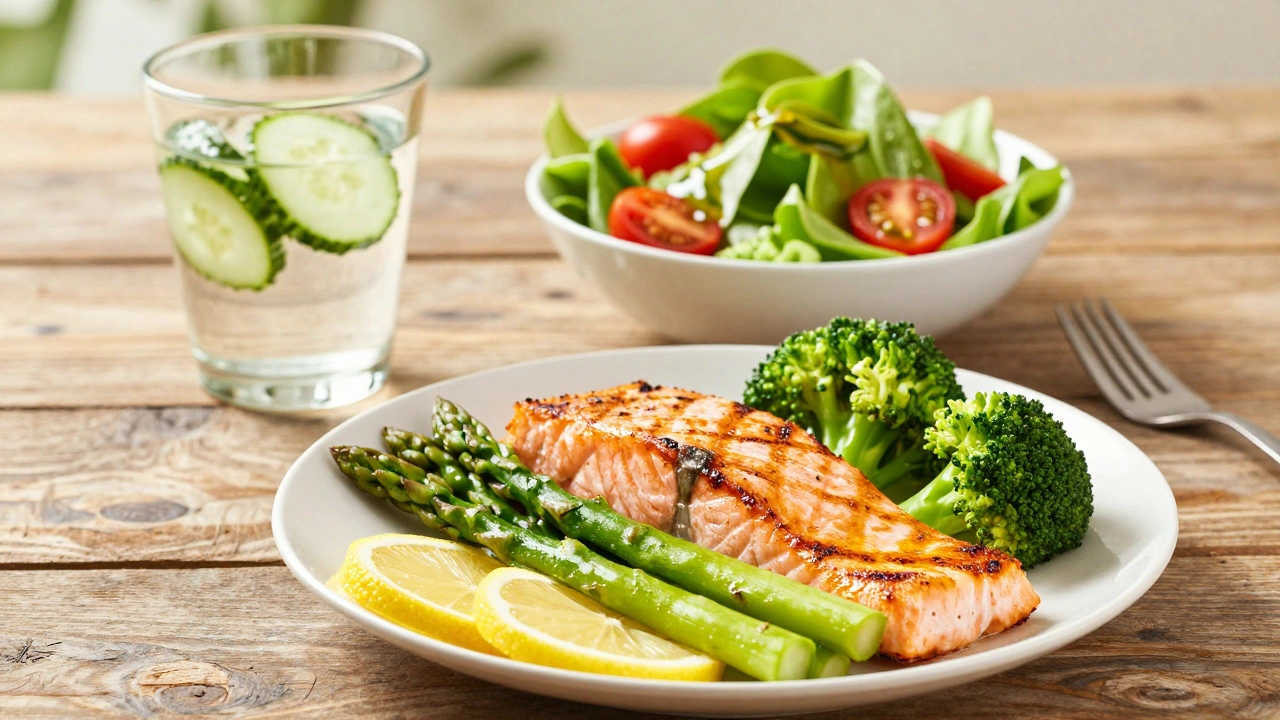
| Dinner | Baked salmon with steamed broccoli and asparagus | Omega-3s reduce inflammation, low-calorie veggies |
This menu focuses on whole, unprocessed foods. Notice the absence of heavy sauces, refined sugars, and processed grains. Each meal is designed to nourish your body while keeping inflammation low. Adjust portion sizes based on your individual calorie needs, but keep the ratios similar: half vegetables, a quarter protein, and a quarter healthy fats or complex carbs.
Pitfalls to Avoid During Rapid Weight Loss
There are several traps that can derail your progress or harm your health. First, avoid skipping meals entirely. This often leads to overeating later in the day. Second, steer clear of detox teas and laxatives. They cause dehydration and electrolyte imbalances, which are dangerous and do not burn fat. Third, don’t neglect sleep. Poor sleep disrupts hunger hormones and increases cravings for sugary, fatty foods. Aim for seven to nine hours of quality rest each night.
Another common mistake is weighing yourself multiple times a day. Your weight fluctuates naturally due to hydration, digestion, and hormonal cycles. Weigh yourself once a day, preferably in the morning after using the bathroom and before eating. Track trends over weeks, not daily fluctuations. If the scale doesn’t move much after the first week, remember that you are likely losing fat, which is denser than water. Measure your waistline or take progress photos for a more accurate picture of your transformation.
Sustaining the Momentum After Week One
The first week is often the hardest because your body is adjusting to new habits. Once the initial water weight drops, the scale might slow down. This is normal. Fat loss is a slower process than water loss. To keep moving forward, gradually increase your activity levels and refine your nutrition. Experiment with different types of exercise to keep things interesting. Try yoga for flexibility, swimming for low-impact cardio, or dance classes for fun.
Focus on how you feel rather than just the number on the scale. Do you have more energy? Are your clothes fitting better? Is your skin clearer? These are all signs of success. Celebrate these non-scale victories. Building a relationship with food based on nourishment rather than restriction is key to long-term success. Use this week as a reset button, not a permanent lifestyle. Transition slowly back to a balanced diet that includes treats in moderation, ensuring you never fall back into old patterns.
Is it safe to lose 10 pounds in a week?
Losing 10 pounds of pure fat in a week is not safe or realistic. However, losing a combination of water weight, glycogen, and some fat is possible and generally safe if done through proper hydration, reduced sodium, and a moderate calorie deficit. Extreme fasting or excessive exercise poses serious health risks.
What causes rapid water weight gain?
High sodium intake, excessive carbohydrate consumption, lack of sleep, and hormonal fluctuations can all lead to water retention. Reducing processed foods, staying hydrated, and managing stress can help mitigate these effects.
Can I drink alcohol while trying to lose weight quickly?
Alcohol contains empty calories and can inhibit fat burning as your body prioritizes processing the alcohol. It also tends to lower inhibitions, leading to poor food choices. For best results during a rapid weight loss phase, it is advisable to avoid or strictly limit alcohol consumption.
How much water should I drink to reduce bloating?
Aim for at least 2 to 3 liters of water per day. Drinking adequate water helps flush out excess sodium and toxins, reducing bloating. Herbal teas like dandelion or peppermint can also support digestion and reduce fluid retention.
Will the weight come back immediately after I stop this diet?
Some water weight will return as you replenish glycogen stores and normalize sodium intake. However, if you have built sustainable habits around protein intake, mindful eating, and regular movement, you will retain the fat loss. The key is transitioning smoothly to a maintenance phase rather than reverting to old habits.