Eco-Product Authenticity Checker
Evaluate This Product
Are the materials renewable, recycled, or harvested without destroying ecosystems?
Does production use less energy, water, or toxic chemicals than conventional methods?
Is the item biodegradable, compostable, or easily recyclable?
Does it have recognized labels like FSC, GOTS, B Corp, or Energy Star?
Is the product local or shipped via sea freight rather than air freight?
Sustainability Score
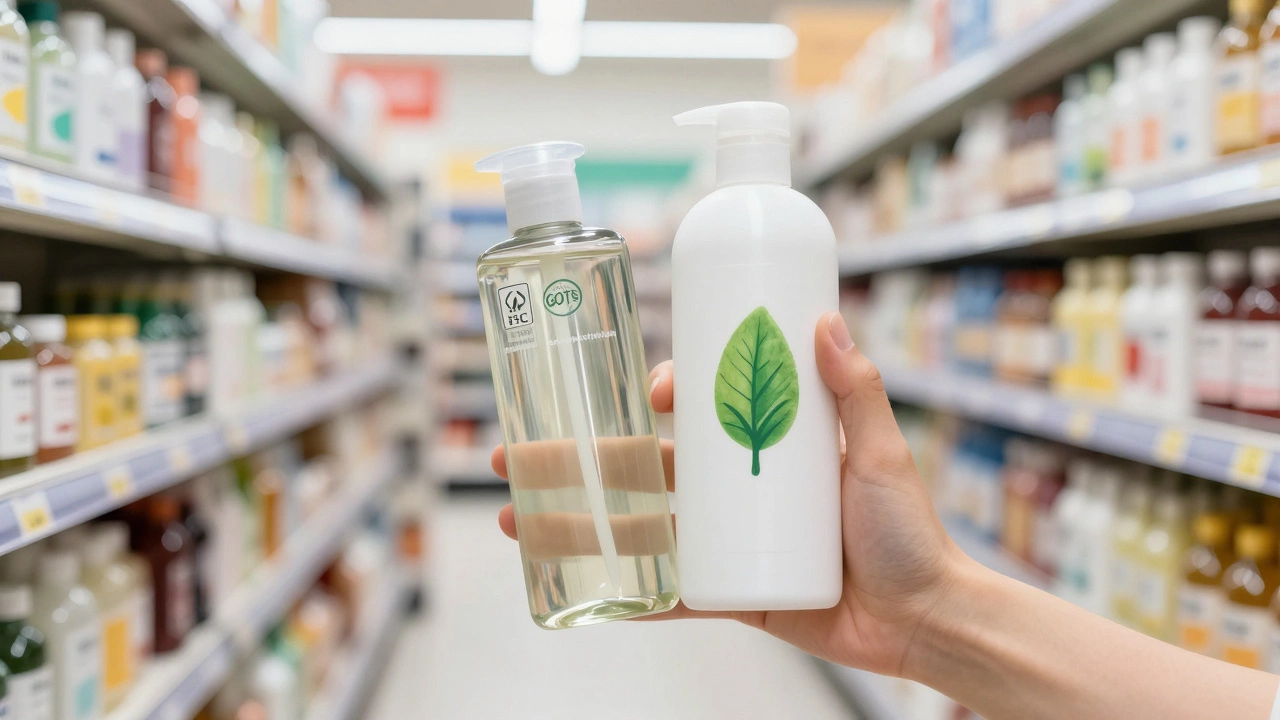
You’ve probably seen the label on a shampoo bottle or a t-shirt tag: "Eco-Friendly." It sounds nice. It feels right. But what does it actually mean when someone calls something an eco product? If you walk into a supermarket today, half the aisles claim to be green. The other half is just plastic with a leaf logo slapped on it.
I live in Sydney, where the sun beats down hard and the waste crisis is visible on our beaches. I’ve spent years trying to figure out which products are genuinely helping the planet and which are just marketing tricks. The truth is, "eco product" isn’t a legal term. There’s no government agency stamping every green item with approval. That means we have to do the detective work ourselves.
This guide cuts through the noise. We’ll look at what makes a product truly sustainable, how to spot fake claims, and where to find items that actually reduce your footprint. No fluff, just facts you can use next time you’re shopping.
The Core Definition: What Makes a Product "Eco"?
At its simplest, an eco-friendly product is designed to minimize harm to the environment throughout its entire life cycle. This isn’t just about the material it’s made from. It’s about where those materials come from, how they’re processed, how they get to you, and what happens when you throw them away.
A true eco product usually checks three boxes:
- Low Impact Sourcing: Materials are renewable, recycled, or harvested without destroying ecosystems.
- Clean Manufacturing: Production uses less energy, water, and toxic chemicals than conventional methods.
- End-of-Life Responsibility: The item is biodegradable, compostable, or easily recyclable. It doesn’t sit in a landfill for 500 years.
Take a bamboo toothbrush. Bamboo grows fast (renewable), requires little pesticide (low impact sourcing), and the handle decomposes naturally (end-of-life responsibility). Compare that to a standard plastic toothbrush, which is made from petroleum, takes massive energy to mold, and ends up in the ocean. That’s the difference.
The Trap of Greenwashing: How Brands Trick You
Here’s the dirty secret: many companies spend more money on making their packaging look green than on making their product sustainable. This is called greenwashing. In 2024, the Australian Competition and Consumer Commission (ACCC) cracked down on several major retailers for misleading environmental claims. They found that terms like "natural," "earth-friendly," and "green" were often used without any proof.
How do you spot it? Look for vague language. If a bottle says "Made with Natural Ingredients" but lists ten unpronounceable chemicals after that, pause. If a clothing brand claims to be "sustainable" but ships individual items in plastic mailers via air freight, they’re lying.
Real sustainability is specific. It says "Made from 100% post-consumer recycled polyester" not just "Recycled." It shows third-party certifications, not just a hand-drawn leaf logo. Always ask: "Where is the evidence?"
Key Categories of Eco Products
Eco products aren’t one-size-fits-all. They fall into distinct categories based on how they help the planet. Understanding these helps you choose the right swap for your lifestyle.
| Category | Primary Benefit | Common Examples |
|---|---|---|
| Biodegradable | Breaks down naturally without toxins | Bamboo cutlery, compost bags, plant-based sponges |
| Recycled Content | Reduces demand for virgin raw materials | Recycled paper notebooks, rPET water bottles |
| Refillable/Reusable | Eliminates single-use waste entirely | Glass cleaning spray bottles, metal straws, bulk food containers |
| Ethically Sourced | Supports fair labor and local economies | Fair-trade coffee, organic cotton t-shirts |
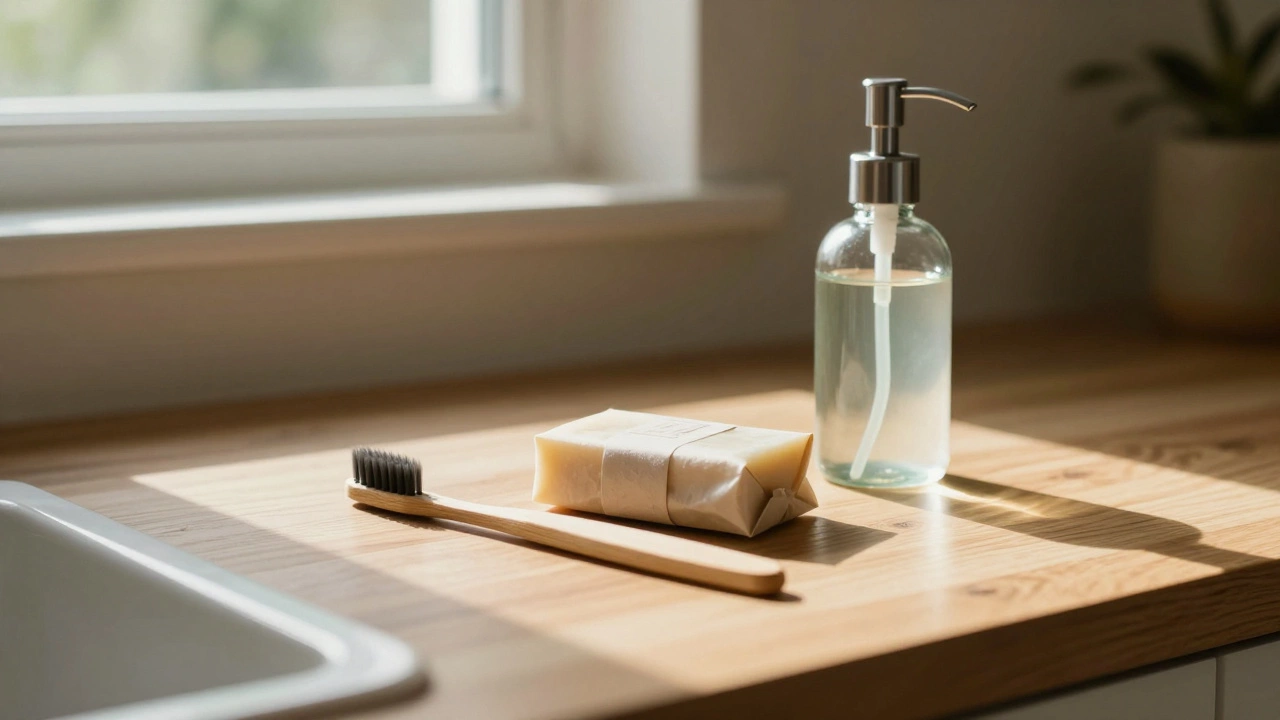
In my own home, I’ve shifted heavily toward refillable systems. Buying liquid soap in a glass bottle and refilling it from a concentrate tablet saves dozens of plastic bottles a year. It’s a small change, but the math adds up quickly.
Certifications That Actually Mean Something
Since "eco" isn’t regulated, certifications are your best friend. These are independent audits that verify a company’s claims. Don’t trust logos; trust standards.
Here are the big ones you should look for in 2026:
- FSC (Forest Stewardship Council): Ensures wood and paper products come from responsibly managed forests. If you buy toilet paper or furniture, this matters.
- GOTS (Global Organic Textile Standard): The gold standard for organic fabrics. It covers everything from farming the cotton to dyeing the fabric. No GOTS? Be skeptical of "organic cotton" claims.
- B Corp: This certifies the whole company, not just one product. B Corps must meet high standards of social and environmental performance. Patagonia and Allbirds are famous examples.
- Energy Star: For electronics and appliances. It guarantees lower energy consumption compared to industry averages.
If a product has none of these, ask yourself why. Transparency is a key part of sustainability. Hiding behind vague terms is a red flag.
The Hidden Cost: Transport and Carbon Footprint
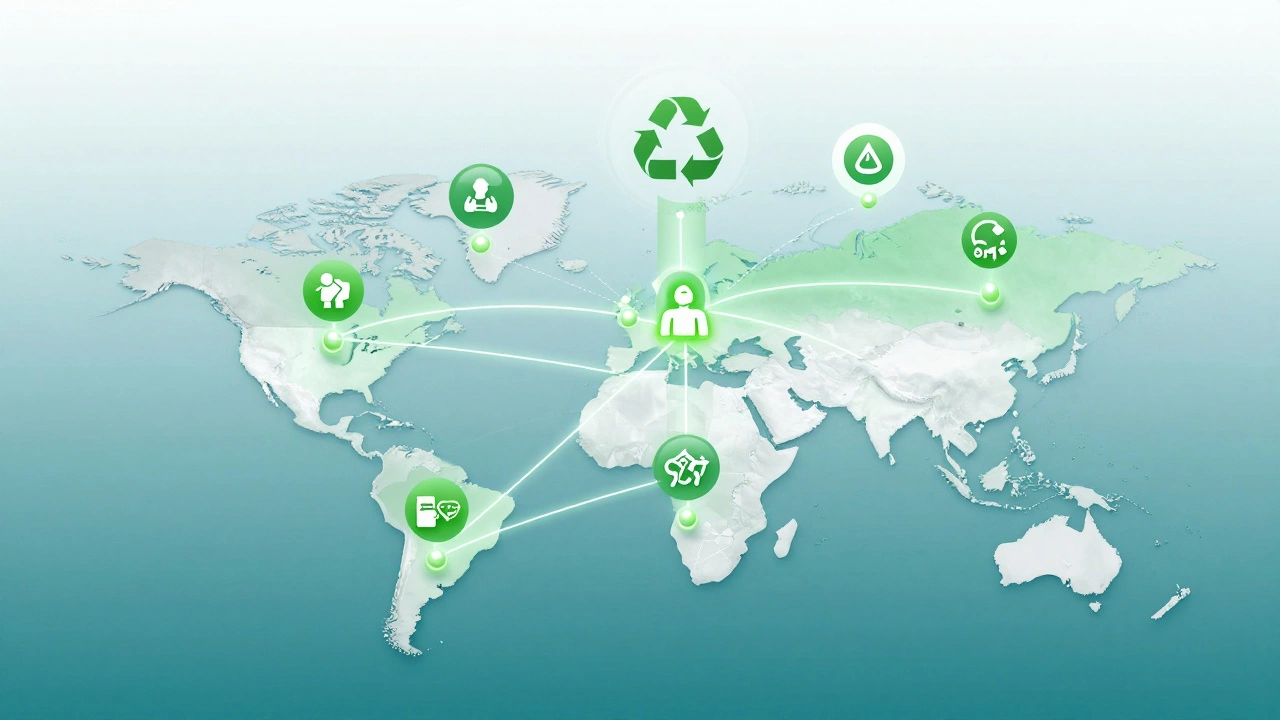
We often focus on materials, but how a product gets to you matters just as much. An eco product made in Australia but shipped by air from China might have a higher carbon footprint than a conventional product made locally. This is known as "food miles" or "product miles."
In Sydney, I try to support local makers. Buying a ceramic mug from a Newtown potter supports the local economy and cuts down on shipping emissions. When you can’t buy local, look for brands that use sea freight instead of air. Sea freight emits significantly less CO2 per kilogram. Some online stores now show the carbon cost of shipping options-choose the slower, greener delivery if you can wait.
Practical Swaps for Beginners
You don’t need to overhaul your entire life overnight. Start with the "Big Three": kitchen, bathroom, and closet. These areas generate the most waste.
- Kitchen Swap: Ditch paper towels. Use reusable cellulose sponges or old t-shirts for cleaning. Switch to bar soap instead of liquid body wash (which comes in plastic).
- Bathroom Swap: Replace plastic toothbrushes with bamboo ones. Try shampoo bars. They last longer and eliminate plastic bottles.
- Closet Swap: Stop buying fast fashion. One high-quality, GOTS-certified organic cotton shirt lasts five times longer than a cheap synthetic one. Buy second-hand first.
These swaps save money in the long run. Reusable items cost more upfront but pay off after a few months. Plus, you stop throwing money away with every trash bag.
Challenges and Trade-Offs
Let’s be honest: eco products aren’t perfect. Sometimes they’re more expensive. Sometimes they’re harder to find. And sometimes, despite our best efforts, they still end up in the bin.
Price is the biggest barrier. Organic cotton costs more because farmers are paid fairly and pesticides are avoided. Recycled plastics cost more because collection and sorting infrastructure is expensive. But consider the true cost of cheap goods: pollution, health issues, and climate change. Who pays for that? Usually, society does.
Durability is another factor. Some eco products break faster. A wooden comb might snap if dropped. A glass jar might shatter. This is why durability testing matters. Choose sturdy materials. Invest in quality over quantity. The goal is to buy less, not to buy broken things that need replacing.
The Future of Eco Products in 2026
The market is changing fast. In 2026, we’re seeing a rise in circular economy models. Brands are starting to take back old products for recycling. Imagine returning your worn-out sneakers to get a discount on new ones, knowing the old pair will be ground down into new soles. Companies like Adidas and Nike are piloting this.
Technology is also helping. Apps now let you scan barcodes to see a product’s sustainability score. Blockchain is being used to trace supply chains, proving that your coffee really was grown without child labor. These tools make informed choices easier than ever.
But the biggest shift is cultural. People are demanding transparency. They’re voting with their wallets. As more consumers ask questions, companies have no choice but to adapt. The era of greenwashing is ending. The era of accountability is beginning.
Are eco products always more expensive?
Not always. While upfront costs are often higher due to fair wages and sustainable materials, many eco products last longer. Reusable items like cloth napkins or stainless steel water bottles save money over time by eliminating repeated purchases of disposable alternatives. Additionally, buying second-hand or supporting local makers can reduce prices significantly.
How can I tell if a "biodegradable" product is real?
Look for specific certification labels like ASTM D6400 or EN 13432. These standards ensure the product breaks down within a certain timeframe under industrial composting conditions. Avoid products that just say "biodegradable" without details, as some plastics only break down in specialized facilities that don’t exist in most municipalities.
Is it better to buy local or buy organic?
It depends on the product. For fresh produce, local is often better because it reduces transport emissions. For textiles, organic is crucial because conventional cotton farming uses massive amounts of water and pesticides. Ideally, aim for both: locally sourced organic products. However, if forced to choose, prioritize reducing food waste and choosing seasonal items.
Do eco products really make a difference?
Yes, but individual action must be paired with systemic change. Every plastic bottle refused reduces demand for virgin plastic. Every dollar spent on sustainable brands signals to the market that consumers care. While one person’s actions seem small, collective shifts drive corporate policy changes and government regulations.
What should I do with eco products that can't be recycled?
Check if they are compostable. Items like bamboo utensils or plant-based sponges can go into home compost bins. If not, repair them if possible. If they’re broken beyond repair, donate usable parts or dispose of them according to local council guidelines. Never put non-recyclable "eco" plastics in recycling bins, as they contaminate the stream.