
Rule of Three Garden Designer
Select Your Plants
Choose exactly 3 plants that work well together. Click on plants to select them.
Your Garden Grouping
No plants selected yet
Ever walked past a flower bed that just feels... off? Maybe it looks cluttered, or perhaps it feels empty and sparse. You planted nice flowers, but something is missing. Chances are, you missed the most fundamental trick in garden design: the rule of three.
This isn't a strict law written in stone by some ancient horticulturist. It’s a visual principle rooted in how our brains process patterns. When we see things in odd numbers-specifically threes-it creates a sense of balance without being rigidly symmetrical. Even numbers can look static, like furniture arranged in a showroom. Odd numbers feel dynamic, natural, and alive.
Why Three Works Better Than Two or Four
Let’s talk about why your brain prefers the number three. In nature, perfect symmetry is rare. Trees don’t grow in perfectly matched pairs. Flowers bloom in clusters of varying sizes. When you plant in twos, it often looks like a mistake-a single plant died, leaving its partner alone. Or it looks too formal, like a corporate lobby.
Four plants can sometimes look like two separate pairs, which splits the viewer's attention. But three? Three forms a triangle. Triangles are stable structures. They guide the eye around the group naturally. One plant becomes the focal point, while the other two support it. This creates depth and interest that a straight line of plants simply cannot achieve.
Think of it like photography. The rule of thirds helps you compose a better shot. In gardening, grouping plants in threes helps you compose a better view from your window or patio.
The Three Ways to Use the Rule of Three
You don’t have to plant three identical pots of petunias to use this rule. That would actually look boring. There are three distinct ways to apply this concept, depending on what you want to achieve.
- Three of the Same: This is the easiest method. Buy three identical plants-say, three lavender bushes-and space them out. They create a rhythm. Your eye moves from one to the next effortlessly. This works great for border edging or creating a pathway marker.
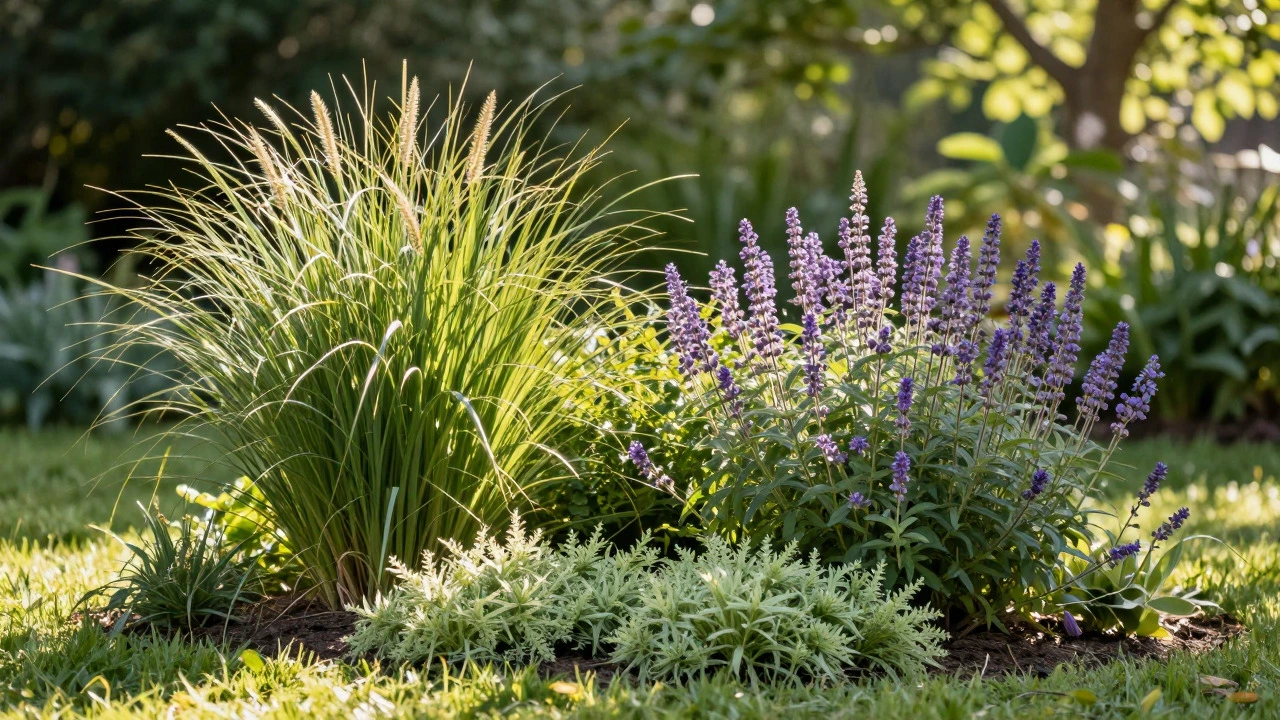
- Three Different Plants (The Trio): This is where the magic happens. You pick three different plants that complement each other. Usually, this involves mixing textures and heights. For example, a tall ornamental grass, a mid-height flowering shrub, and a low-growing ground cover. Together, they form a single "visual unit."
- Repetition of Threes: If you have a long garden bed, you repeat the same group of three plants along the length. This creates continuity. It ties the whole garden together so it doesn’t look like a random collection of individual specimens.
Creating Visual Interest with Texture and Height
If you choose the second method-the trio-you need to think about contrast. If all three plants are green and leafy, you’ll just get a big blob of green. You want variety within the unity.
Consider the vertical structure. Aim for a high, a medium, and a low plant. The high plant anchors the group. The medium plant fills the middle space. The low plant spills over the edge or covers the soil, hiding the stems of the taller plants. This layering mimics how forests and meadows grow naturally.
Texture is equally important. Pair smooth leaves with rough ones. Mix broad leaves with fine, feathery foliage. For instance, combine the large, glossy leaves of a Hosta with the delicate, airy spikes of Salvia. The contrast makes both plants pop. If everything has the same texture, the eye glides right over it without stopping.
Common Mistakes Gardeners Make
Even experienced gardeners trip up on this. Here are the pitfalls to avoid.
- Spacing Them Too Close: Three plants squished together look like one big mess. Give them room to breathe. The gap between the plants should be visible, allowing light to hit the center of the group.
- Ignoring Growth Habits: Don’t plant three fast-growing vines next to three slow-growing succulents unless you plan to prune constantly. Choose plants with similar water and sun needs so they thrive together.
- Overusing the Rule: Not every square inch of your garden needs to follow the rule of three. Use it for focal points and key beds. Let other areas remain more casual or wild. If everything is perfectly structured, it loses charm.
- Forgetting Seasonality: A group of three might look amazing in spring but dead in winter. Ensure at least one plant in the trio offers year-round interest, like evergreen foliage or interesting bark.
Practical Examples for Your Garden
Let’s get concrete. Here are three ready-to-use combinations that work well in many climates, including temperate zones like Sydney.
| Group Name | Plant 1 (Tall) | Plant 2 (Medium) | Plant 3 (Low) | Best For |
|---|---|---|---|---|
| The Coastal Calm | Lomandra Longifolia | Dianella revoluta | Sedum spurium | Sunny, dry borders |
| The Shade Lover | Bamboo (Clumping) | Hosta Fortunei | Creeping Jenny | Shady corners |
| The Color Pop | Rosemary Upright | Lavender Angustifolia | Thyme Creeping | Herb gardens & paths |
In the "Coastal Calm" group, the Lomandra provides height and structure. The Dianella adds a splash of blue-purple flowers and softer texture. The Sedum spreads low to the ground, suppressing weeds and adding fleshy green contrast. All three are drought-tolerant, making them easy to maintain together.

Applying the Rule to Containers
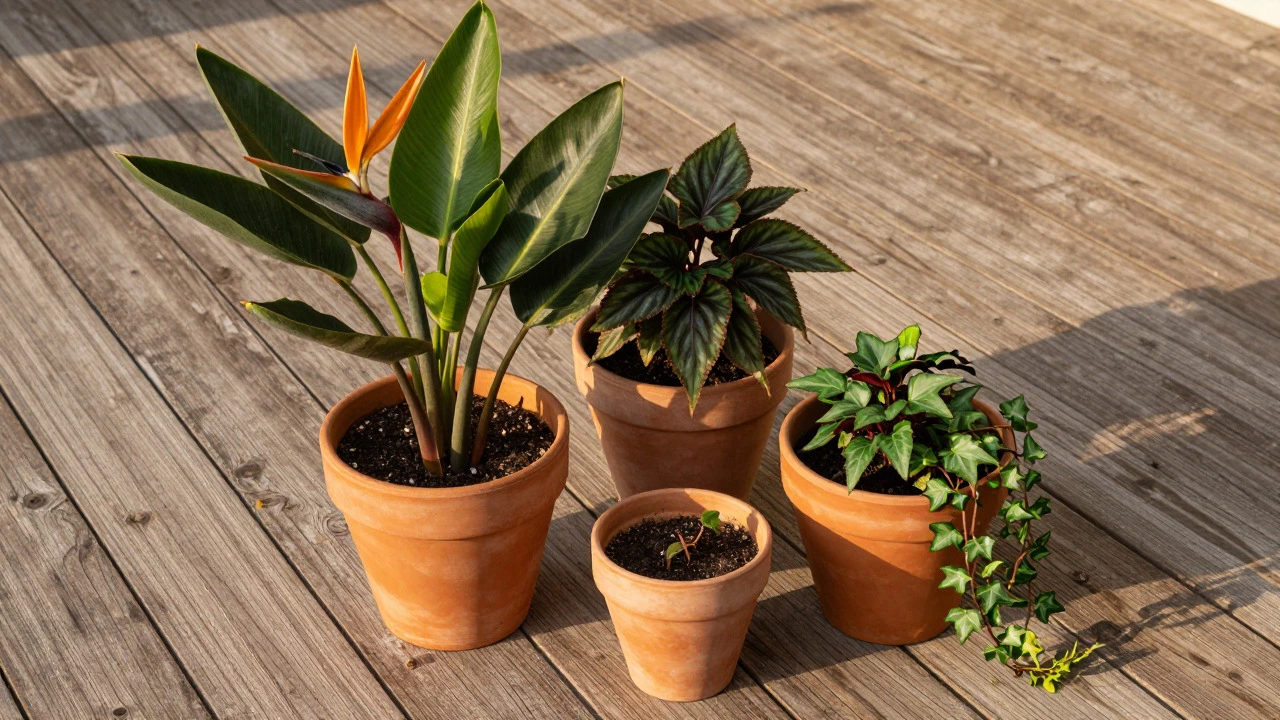
The rule of three isn’t just for in-ground planting. It’s crucial for potted plants too. A common mistake is putting one tiny plant in a huge pot. It looks lost. Instead, fill the pot with three plants.
Use the "Thriller, Filler, Spiller" method, which is essentially the rule of three applied to containers. The Thriller is the tall, dramatic plant in the center (like a bird of paradise). The Fillers are the bushy plants that add volume (like begonias). The Spillers hang over the edge (like ivy or trailing lobelia). This creates a balanced, professional-looking arrangement that draws the eye upward and outward.
Even if you only have space for one pot on your balcony, applying this rule will make it look intentional and designed, rather than accidental.
When to Break the Rule
Rules are meant to be broken once you understand them. Sometimes, a single specimen tree stands alone beautifully as a focal point. Sometimes, a long row of four hedges creates a necessary formal boundary. If you’re aiming for a Japanese Zen garden, symmetry and even numbers might be more appropriate.
However, for most home gardens, especially those seeking a relaxed, cottage-style, or modern natural look, sticking to odd numbers keeps the design feeling organic. If you find yourself stuck with an even number of plants, consider removing one or adding a decorative element like a garden statue or a rock to make it a group of three.
Start Small and Observe
You don’t need to redesign your entire garden overnight. Start with one small bed or one container. Group three plants together using the principles above. Step back. Look at it from different angles. Does it feel balanced? Does your eye move smoothly through the group?
Gardening is iterative. Watch how the plants grow over the season. Adjust spacing if needed. Replace plants that struggle. The rule of three is a tool, not a constraint. It helps you create spaces that are pleasing to the eye and easier to manage. By focusing on groups rather than individuals, you reduce the visual noise and let the beauty of the plants shine through.
Can I use the rule of three with vegetables?
Yes, though it’s less about aesthetics and more about efficiency. In vegetable gardening, grouping three plants of the same crop (like tomatoes) can help with pollination and pest management. However, for visual appeal in a kitchen garden, you might group three different types of edible plants with contrasting colors, such as red Swiss chard, purple kale, and green lettuce.
Does the rule of three apply to trees?
Absolutely. Planting three trees of the same species creates a strong visual statement. Alternatively, you can plant three different tree species that complement each other in size and shape. Just ensure you space them far enough apart to accommodate their mature canopy spread.
What if I only have two plants?
If you’re stuck with two plants, try staggering them slightly so they don’t look like a mirror image. Or, add a third element that isn’t a plant, such as a garden ornament, a large stone, or a bench. This completes the triangular composition and satisfies the visual balance.
How far apart should the three plants be?
It depends on the mature size of the plants. As a general rule, the distance between the centers of the plants should be roughly equal to the width of the largest plant. This prevents them from overcrowding while maintaining a cohesive group. Always check the plant tags for specific spacing recommendations.
Is the rule of three the same as the rule of odds?
They are closely related. The rule of odds suggests using any odd number (3, 5, 7) for grouping. The rule of three is the most basic and effective application of this principle. For larger beds, you might use five or seven plants, but three remains the gold standard for simplicity and impact.