Meal Prep Safety & Shelf Life Checker
Enter details below to check the safety status of your stored meals.
Result
Quick Reference Guide
- Chicken/Beef: Fridge: 3-4 Days | Freezer: 2-3 Months
- Rice/Grains: Fridge: 4-6 Days | Freezer: 1-2 Months
- Vegetables: Fridge: 4-5 Days | Freezer: 8-12 Months
- Soups (Acidic): Fridge: 5-7 Days | Freezer: 2-3 Months
- Dairy Soups: Fridge: 3 Days | Freezer: Not Recommended
- Fruit: Fridge: 1-3 Days | Freezer: 6-12 Months
You’ve spent three hours on a Sunday chopping, roasting, and packaging. You look at your fridge, now a Tetris game of plastic containers, and wonder: is meal prepping for 7 days safe? It’s the million-dollar question for anyone trying to save money and time without spending their evenings cooking. We want that Monday-to-Sunday convenience, but nobody wants to get sick from a sad, slimy chicken breast on Thursday.
The short answer is: it depends entirely on what you cooked and how cold your fridge actually is. But the real answer involves understanding bacterial growth curves, moisture content, and the difference between "safe" and "tasty." Let’s break down exactly how long your hard work lasts so you can eat with confidence, not anxiety.
The 3-4 Day Rule vs. The 7-Day Reality
Here is the uncomfortable truth that most meal prep influencers gloss over: according to the FDA and general food safety standards, cooked leftovers are generally safe to eat for only 3 to 4 days when stored in a refrigerator at or below 4°C (40°F). That’s it. If you’re eating Wednesday’s lunch on Saturday night, you are technically outside the recommended window.
So why do people stretch it to seven days? Because refrigerators aren't static environments. In Sydney, where we live, fridges are often opened multiple times a day, causing temperature fluctuations. Every time you open the door, warm air rushes in. If your fridge runs at 5°C instead of 4°C, that 3-day window shrinks. If you pack hot food directly into containers, you create a "danger zone" incubator before the core temperature even drops.
Does this mean you’ll get food poisoning if you eat day-five pasta? Not necessarily. Food safety isn't binary; it’s a probability curve. Bacteria like Listeria and Salmonella multiply exponentially. By day five, the bacterial load might be high enough to cause issues for sensitive stomachs, even if the food doesn’t smell bad yet. Spoilage bacteria make food taste weird; pathogenic bacteria make you sick. They don’t always overlap.
Which Foods Last Longer (and Which Don’t)
Not all ingredients age equally. Your strategy for a 7-day plan must account for ingredient stability. Some foods thrive in the fridge for a week; others turn into mush by day three.
| Food Category | Safe Duration | Risk Factors |
|---|---|---|
| Cooked Chicken/Turkey | 3-4 Days | Dries out quickly; prone to Salmonella if undercooked initially. |
| Cooked Beef/Pork | 3-4 Days | High fat content can go rancid faster than lean meats. |
| Cooked Rice | 4-6 Days | Bacillus cereus spores survive cooking; risk increases if left at room temp too long. |
| Roasted Vegetables | 4-5 Days | Moisture loss leads to texture degradation; leafy greens wilt instantly. |
| Soups/Stews | 5-7 Days | Acidic bases (tomato) preserve better; dairy-based soups spoil faster (3 days). |
| Cut Raw Fruit | 1-3 Days | Oxidation causes browning; moisture promotes mold growth. |
Notice the pattern? Moisture and acidity are your friends. Dry, roasted vegetables last longer than steamed ones because less water means less medium for bacteria. Acidic sauces (like tomato or vinegar-based dressings) inhibit bacterial growth, which is why Greek salads or chili keep well. Dairy and cream-based sauces are the weak links-they curdle and spoil rapidly.
The Freezer Hack: How to Actually Do 7 Days Safely
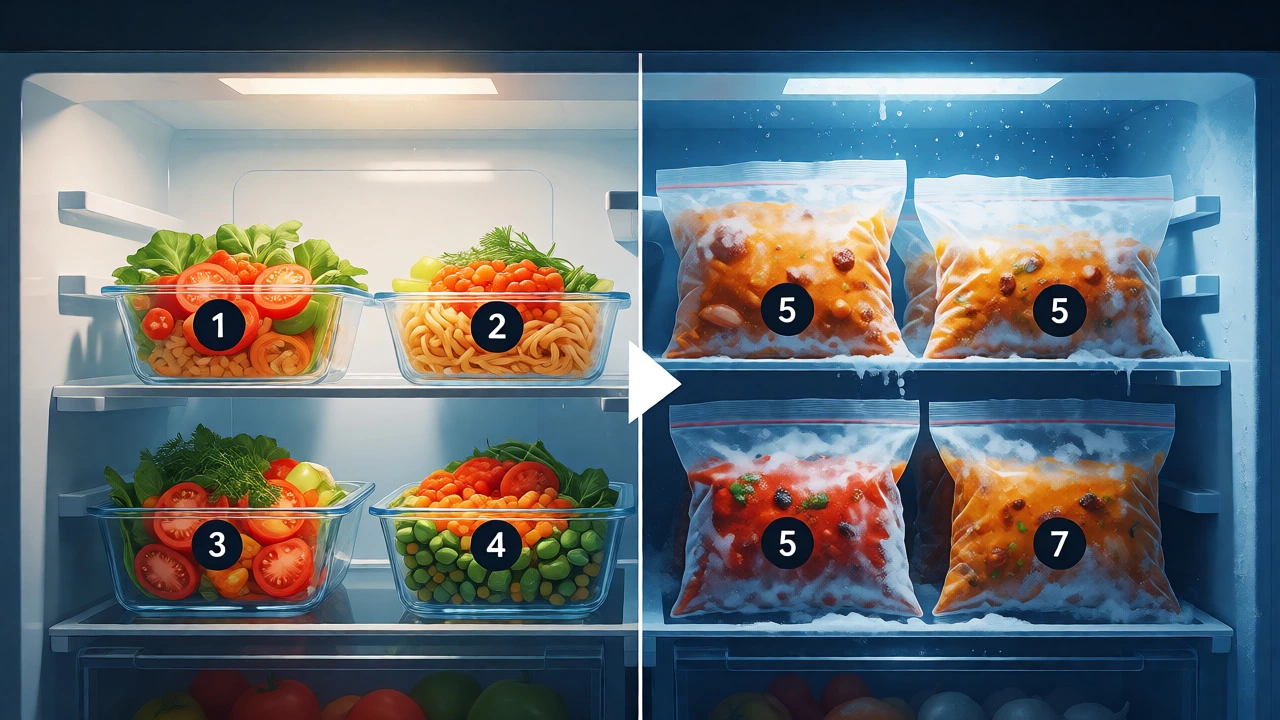
If you refuse to cook twice a week-and let’s be honest, who has the energy?-you need to split your week. The safest way to handle a 7-day prep is the "Fridge-Freezer Split." This method keeps everything within the FDA’s 3-4 day guideline while giving you variety.
- Days 1-4: Store these meals in the main compartment of your fridge. Eat them first. These should be your more perishable items: grilled fish, fresh salads, or dishes with dairy.
- Days 5-7: Freeze these meals immediately after they cool down. Move them to the fridge the night before you plan to eat them (e.g., move Friday’s dinner to the fridge on Thursday night). Thawing overnight brings them back to a safe, edible state without compromising texture as much as microwave defrosting does.
This approach solves the "sad fridge" problem. You’re not staring at a container of rice that’s been sitting there since Sunday wondering if it’s still alive. You have control. Plus, freezing allows you to prep larger batches of stews, curries, or casseroles that actually taste better after being frozen and reheated because the flavors meld further.
Temperature Control: The Invisible Killer
You can follow every rule in the book, but if your fridge is running warm, you’re gambling with your health. Most home fridges fluctuate between 3°C and 6°C depending on usage. For meal prep, consistency matters more than absolute coldness.
Use an appliance thermometer. Don’t trust the dial on the back wall of your fridge; it measures air near the compressor, not the middle shelf where your food sits. Place the thermometer in a glass of water on the middle shelf overnight. If it reads above 4°C, adjust your settings. In Australia, summer heatwaves can push ambient kitchen temperatures up, forcing your fridge to work harder. Check it seasonally.
Another critical step is the "Two-Hour Rule." After cooking, you have two hours to get your food from the stove to the fridge. If it sits out longer, bacteria multiply rapidly. However, don’t put boiling hot soup directly into the fridge-it raises the internal temperature, endangering other foods. Cool it in an ice bath first, then refrigerate. This balances speed with efficiency.
Container Choice Matters More Than You Think
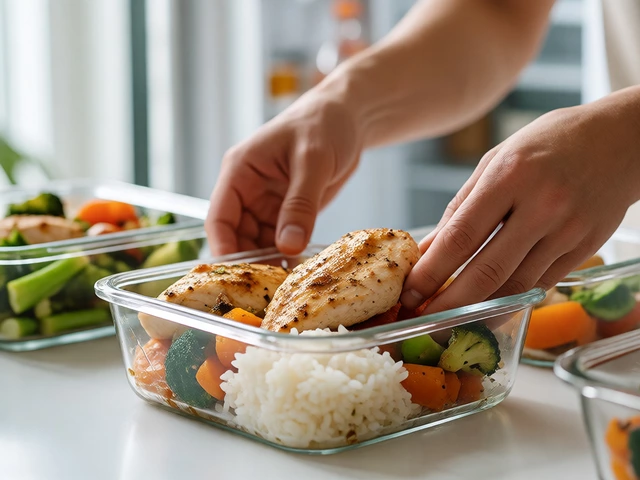
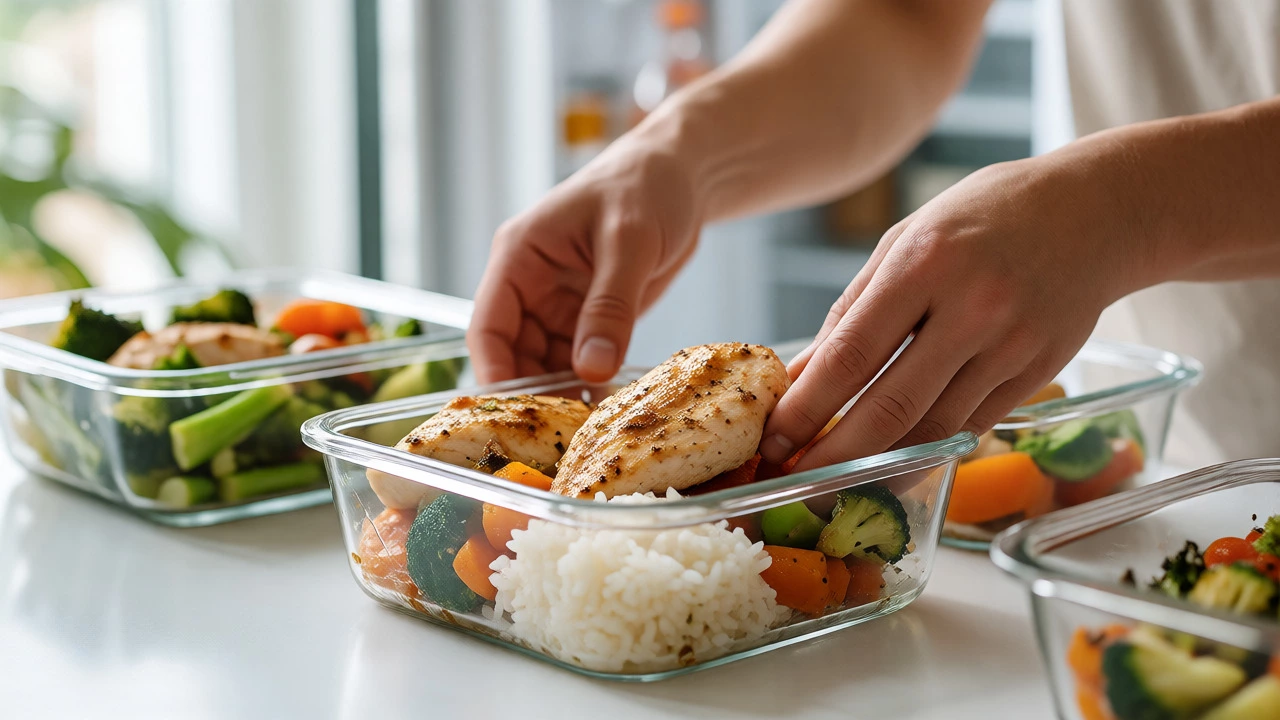
Plastic containers are convenient, but they aren’t perfect. Over time, plastic scratches harbor bacteria that washing doesn’t remove. Glass containers are superior for safety and cleanliness. They don’t absorb odors, stain, or leach chemicals when heated. If you use plastic, ensure it’s BPA-free and dishwasher-safe. Replace any container with deep scratches or lingering smells.
Air exposure accelerates spoilage. Vacuum-sealed bags extend the life of cooked meats significantly compared to loose packing. If you’re using standard Tupperware, press a piece of parchment paper against the surface of sauces or dips before sealing to limit oxygen contact. For salads, store dressing separately. Wet leaves become slimy within 48 hours. Keep components dry and combine them right before eating.
Signs Your Meal Prep Has Turned
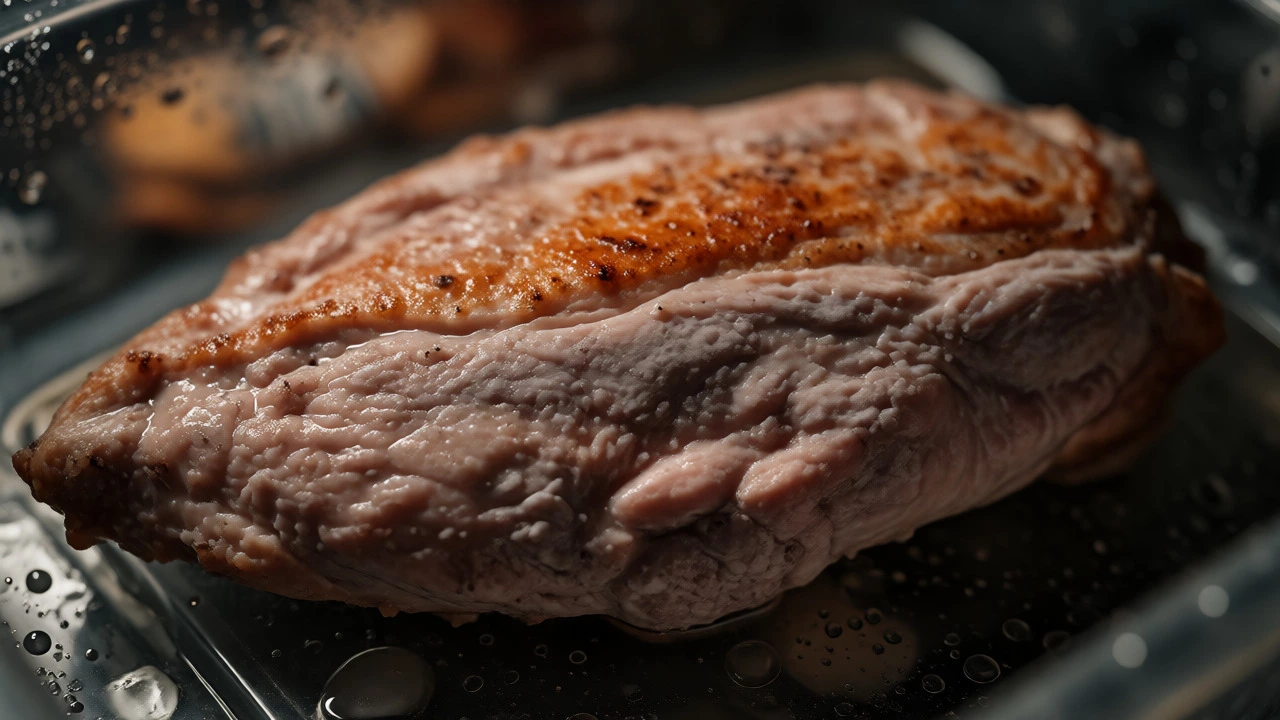
When in doubt, throw it out. But what does "in doubt" look like? Here are the red flags that signal your meal prep has crossed the safety line:
- Smell: Sour, yeasty, or ammonia-like odors are clear indicators of bacterial fermentation. Fresh cooked food should smell like itself, nothing more.
- Texture: Sliminess on meats or vegetables is a major warning sign. While some marinades feel sticky, actual slime indicates biofilm formation by bacteria.
- Visuals: Discoloration, such as grayish patches on chicken or green tints in beef, suggests oxidation and potential microbial activity. Mold spots on bread or fruit mean the entire container is compromised, even if you cut off the visible spot.
- Taste: If it tastes fizzy or sour unexpectedly, spit it out. Carbonation in non-carbonated foods indicates yeast or bacterial activity.
Remember, pathogenic bacteria don’t always change the taste or smell of food. Listeria, for example, is odorless and tasteless but dangerous for pregnant women and the immunocompromised. This is why adhering to time limits is safer than relying on senses alone.
Reheating Correctly to Kill Bacteria
Even if your food is safe, improper reheating can leave cold spots where bacteria survive. Always reheat leftovers to an internal temperature of 74°C (165°F). Use a food thermometer if possible. Stirring halfway through microwaving helps distribute heat evenly. Avoid reheating rice more than once, as repeated cooling and heating cycles increase the risk of Bacillus cereus toxin accumulation, which isn’t destroyed by heat.
For oven-reheatable dishes, cover them with foil to retain moisture. Dry-out is the enemy of palatability, even if safety isn’t compromised. A splash of broth or water can revive dried-out meats and grains.
Final Verdict: Can You Really Prep for 7 Days?
Yes, but not all in the fridge. Strictly speaking, keeping cooked food in the fridge for seven straight days pushes the boundaries of safety guidelines. The optimal strategy for a busy professional in Sydney-or anywhere else-is to freeze half your week. Eat fresh from the fridge for the first four days, and thaw frozen portions for the last three. This respects biological limits while maintaining convenience.
If you absolutely must keep everything in the fridge, prioritize acidic, low-moisture, and high-salt foods. Avoid seafood and dairy-heavy dishes late in the week. And always, always check your fridge temperature. Safety isn’t just about the clock; it’s about the environment.
How long can I keep cooked chicken in the fridge?
According to food safety guidelines, cooked chicken should be consumed within 3 to 4 days when stored properly in a refrigerator at or below 4°C. After this period, the risk of bacterial growth increases significantly, even if the chicken looks and smells fine.
Is it safe to eat meal prep that has been in the fridge for 5 days?
It is borderline. While many people eat 5-day-old meal prep without issue, it exceeds the standard 3-4 day recommendation. To reduce risk, ensure your fridge is very cold, the food was cooled quickly, and it contains preservative elements like salt or acid. When in doubt, discard it.
Can I freeze cooked rice for meal prep?
Yes, cooked rice freezes exceptionally well. Cool it quickly after cooking to prevent Bacillus cereus growth, then portion it into freezer-safe bags. When ready to eat, thaw it in the fridge overnight or reheat it directly from frozen in the microwave with a sprinkle of water. It maintains texture better than refrigerated rice after several days.
Why does my meal prep taste different after a few days?
Flavor changes occur due to oxidation and moisture migration. Fats oxidize, creating stale tastes. Salt penetrates deeper, making food seem saltier. Vegetables release water, diluting sauces. Using airtight glass containers and storing strong-flavored items separately can help maintain original taste profiles.
What is the danger zone for food storage?
The danger zone is the temperature range between 4°C and 60°C (40°F - 140°F), where bacteria multiply most rapidly. Cooked food should spend no more than 2 hours in this zone total, including cooling time before refrigeration.