England Trip Planner
Not sure when to book your trip? Answer three quick questions to find your ideal travel window.
You’re staring at a calendar, trying to pick dates for your trip to England, and you’re paralyzed by the question: when is actually the best time? You’ve heard horror stories about grey skies in November and tales of crowds so thick you can’t see Stonehenge in July. The truth is, there’s no single "perfect" week that works for everyone. It depends entirely on what you want from your trip. Do you want sunshine? Then you’ll pay more and fight crowds. Do you want empty castles and bargain airfares? You’ll likely get rained on.
Here’s the reality most travel blogs gloss over: England’s weather is fickle, but its seasonal patterns are predictable enough if you know where to look. As someone who has watched tourists freeze in summer because they packed shorts for a 15°C (59°F) evening, I can tell you that preparation beats luck every time. This guide breaks down exactly what happens in each season, how much it costs, and which months offer the sweet spot between good weather and manageable tourism levels.
The Shoulder Seasons: Why May and September Win
If you want the best balance of decent weather, reasonable prices, and fewer tourists, aim for the shoulder seasons: late April to early June, or September to early October. These periods are often overlooked by families locked into school holidays, which means you get access to popular spots without the chaotic queues.
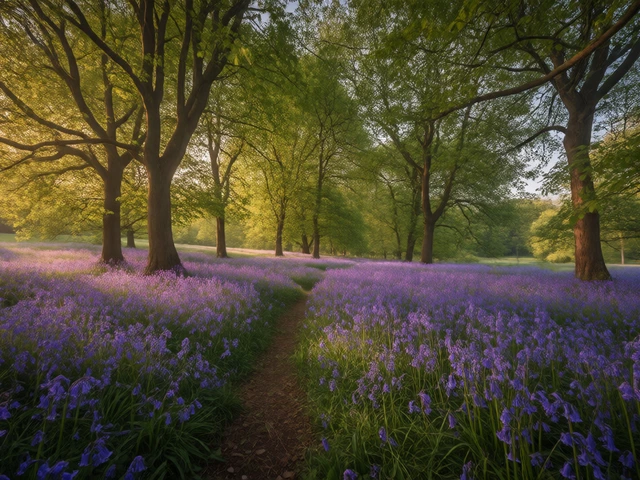
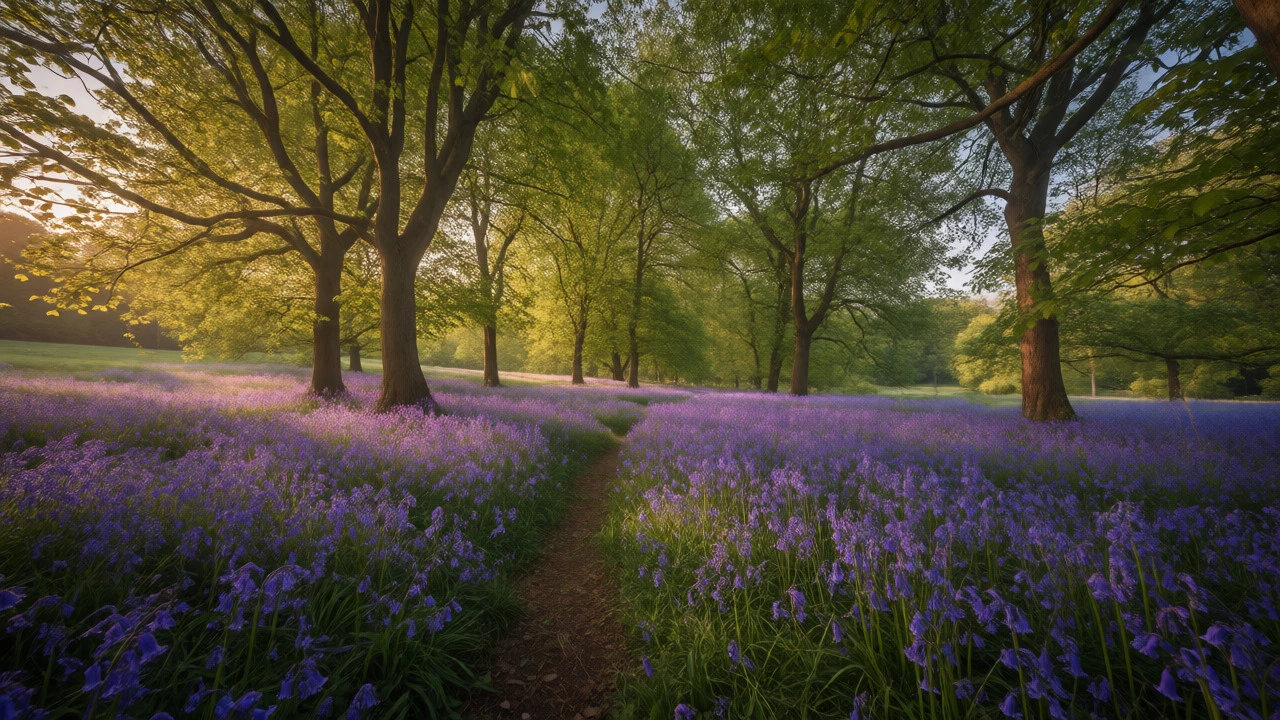
May is particularly magical. The countryside bursts into color with bluebells in forests like Ashdown Forest or Highgate Wood. Temperatures hover around 15-20°C (59-68°F), which is perfect for walking trails in the Lake District or cycling through the Cotswolds. You won’t be sweating through your shirt, but you also won’t need a heavy coat. Flights are typically 20-30% cheaper than peak July rates, and hotel availability is better.
September offers a different kind of charm. The summer heat fades, leaving crisp, clear days that make city breaks in London or Edinburgh feel invigorating rather than stifling. Harvest festivals start popping up in rural areas, offering fresh local produce and cider tastings. Plus, the daylight hours are still long enough to explore until 7 PM. If you’re traveling from Australia or North America, remember that jet lag hits differently in autumn; the earlier sunsets might make you tired faster than you expect.
Summer: Sun, Crowds, and Premium Prices
June, July, and August are undeniably the most popular times to visit. And yes, you will see more sun. Average high temperatures in London during July reach 23°C (73°F), though recent years have seen spikes above 30°C (86°F). But this popularity comes at a steep cost.
First, the money. Airfare to major hubs like Heathrow or Gatwick can double compared to winter rates. Accommodation in tourist hotspots like Bath, Oxford, or Stratford-upon-Avon sells out weeks in advance. Second, the crowds. Attraction queues become unmanageable. Waiting 45 minutes just to enter the Tower of London on a sunny Saturday is standard practice. If you hate waiting, summer requires strict planning-book timed-entry tickets online before you even pack your bag.
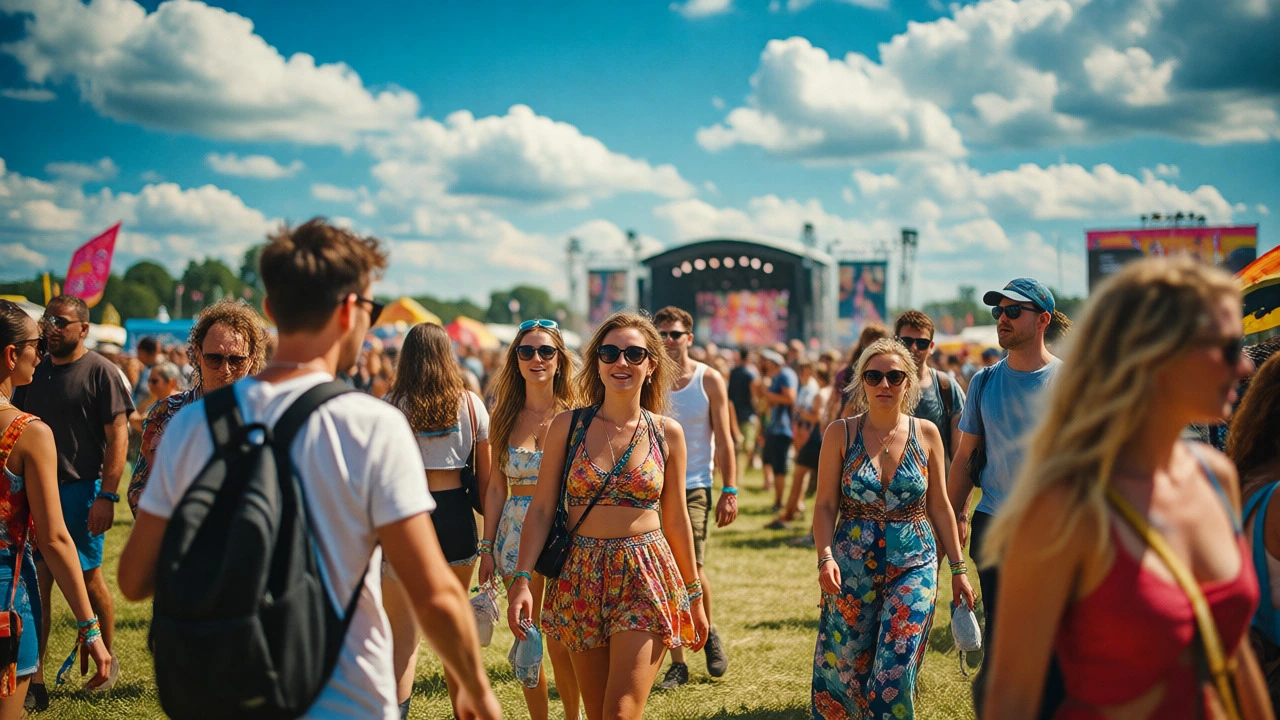
However, summer unlocks things other seasons don’t. Outdoor festivals like Glastonbury (usually late June) define British culture. Beaches in Cornwall and Devon are lively, not deserted. If you’re traveling with kids, the long days allow for full-day excursions without rushing back before dark. Just be prepared to pay a premium for the privilege of guaranteed warmth.
Winter: Low Costs and Cozy Vibes
November through February gets a bad rap, but it’s a secret weapon for budget travelers. Yes, it’s cold. Temperatures in northern England can drop below freezing, and daylight ends as early as 4 PM in December. But here’s why you should consider it: you can visit Buckingham Palace or ride the London Eye for half the price of summer.
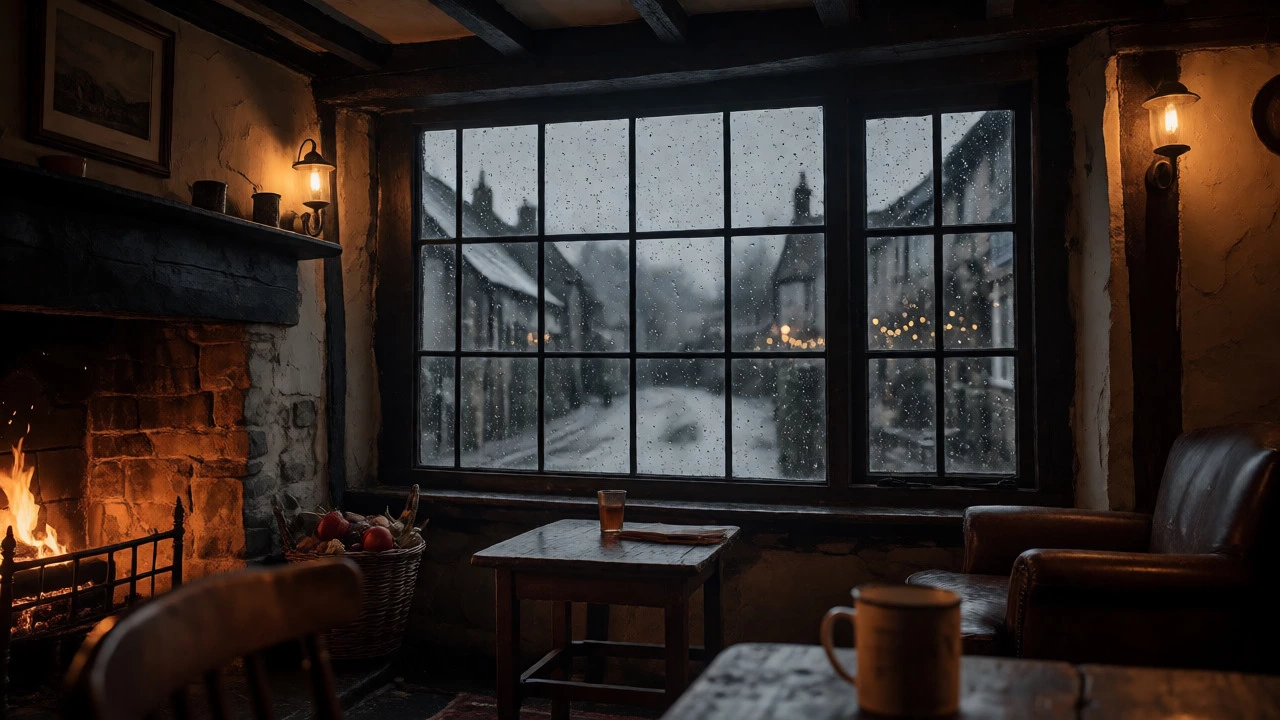
The atmosphere shifts dramatically. Cities like York and Chester transform with Christmas markets, twinkling lights, and mulled wine stalls. There’s a cozy, pub-centric culture that thrives in winter. Sitting by a fireplace in a country inn while rain hammers outside is a quintessential British experience you simply cannot replicate in July. Museums remain open year-round, so you can spend a day in the British Museum or Tate Modern regardless of the drizzle.
The main downside is the limited daylight. If you plan to hike in the Peak District or visit remote castles, you need to start early. By 3:30 PM in January, it’s already getting dark. Always check opening times, as some rural attractions close completely during the winter months.
Spring vs. Autumn: A Detailed Comparison
Choosing between spring and autumn isn’t just about temperature; it’s about what’s blooming, what’s harvesting, and how the light looks. Spring brings renewal, while autumn brings richness. Here’s how they stack up against each other for different types of travelers.
| Feature | Spring (March - May) | Autumn (September - November) |
|---|---|---|
| Average Temp (London) | 8°C - 15°C (46°F - 59°F) | 10°C - 18°C (50°F - 64°F) |
| Rainfall Risk | Moderate (April showers are real) | High (Atlantic storms increase) |
| Crowd Levels | Low to Moderate | Moderate (drops after Oct) |
| Cost (Flights/Hotels) | Medium | Low to Medium |
| Best For | Gardens, Photography, Hiking | Festivals, City Breaks, Food |
Notice the rainfall difference? Spring rains tend to be short, sharp showers followed by sunshine. Autumn rain is often persistent, driven by Atlantic weather systems. If you’re prone to getting damp and staying damp, spring is slightly safer. But if you love dramatic skies and golden light for photography, autumn wins hands down.
Regional Differences: It’s Not All One Climate
England isn’t a monolith. The weather in Cornwall is vastly different from Newcastle. Understanding these microclimates helps you pack correctly.
The South West (Cornwall, Devon) is warmer and wetter due to Gulf Stream influences. It feels almost Mediterranean in summer but gets battered by Atlantic winds in winter. The North (Yorkshire, Cumbria) is colder, especially in winter, and sees more snowfall in higher elevations like the Pennines. If you’re visiting the Lake District in March, expect potential road closures due to snow, even if London is blooming.
London itself acts as a heat island, often several degrees warmer than surrounding counties. However, it’s also more polluted and crowded. If you want nature, head north or west. If you want culture and museums, stay south. Don’t assume one weather forecast covers the whole country. Check regional forecasts specifically for your destination county.
Festival Calendar: Timing Your Trip Around Events
Sometimes the best time to go is dictated by events. If you miss them, you might regret it. Conversely, showing up during a major event without booking accommodation can bankrupt you.
- January: Burns Night (Jan 25) celebrates poet Robert Burns with whisky and haggis. Great for cultural immersion.
- February: Valentine’s Day and pre-spring sales. Quiet period for travel.
- March/April: Easter breaks cause mini-peak pricing. Book well in advance.
- June: Wimbledon (tennis) and Glastonbury Festival. London hotels spike in price during Wimbledon fortnight.
- July/August: Proms (classical music in London) and Edinburgh Fringe (technically Scotland, but draws huge UK-wide traffic).
- October: Halloween events and harvest festivals. Good for family trips.
- December: Christmas markets and New Year’s Eve fireworks at the London Eye.
If you’re chasing specific experiences, align your dates with these. Otherwise, avoid mid-July to mid-August unless you enjoy chaos.
Packing Tips Based on Season
Forget packing lists based on stereotypes. Pack for layers, always. Even in July, evenings cool down quickly. In winter, waterproof outerwear is non-negotiable.
For spring and autumn, bring a lightweight waterproof jacket with a hood. Umbrellas are less effective in wind. Comfortable walking shoes are essential, as many historic sites involve cobblestones and uneven paths. In summer, sunscreen is surprisingly necessary; the UV index can be high despite the mild temperature. In winter, thermal base layers under jeans save your life on windy moors.
One common mistake tourists make is underestimating the dampness. Humidity is high year-round. Electronics can suffer if stored in unheated rooms. Keep silica gel packs in your camera bag or phone case if you’re shooting outdoors frequently.
Final Verdict: When Should You Go?
So, what’s the answer? If you want sunshine and festivals, go in July. Pay the price. If you want value and solitude, go in November or February. Accept the grey skies. But if you want the quintessential English experience-green hills, mild weather, and manageable crowds-go in May or September.
These two months give you the best shot at enjoying the landscape without breaking the bank or losing your mind in queues. They offer the perfect compromise between comfort and authenticity. Now that you know the trade-offs, pick your priority: weather, wallet, or wonder. Then book accordingly.
Is it expensive to visit England in the summer?
Yes, significantly. Flight prices to London and major cities can increase by 50-100% compared to off-peak months. Hotel rates in tourist areas like Bath and Oxford also surge. Booking at least three months in advance is crucial to secure reasonable rates.
Does it rain all the time in England?
No, but it rains frequently throughout the year. The stereotype exists because rain is unpredictable and can happen any month. However, some regions, like the East Coast (Norfolk, Suffolk), are drier than the West Country. Checking regional forecasts is more accurate than assuming constant rain.
What is the cheapest month to fly to England?
Typically, January and February offer the lowest airfares, excluding the holiday period around Christmas and New Year. Late autumn (November) can also be cheap, but weather risks are higher. Avoid school holidays in April, July, and August for the best deals.
Can I visit England in winter for sightseeing?
Absolutely. Most major museums, galleries, and indoor attractions remain open. Castles and cathedrals are often less crowded, allowing for a more intimate experience. Just be aware that daylight hours are short, ending as early as 4 PM in December, so plan outdoor activities for mornings.
Is England crowded in September?
September is a shoulder season, so crowds decrease significantly after Labor Day in the US and the end of UK school terms. While still popular, it is much less congested than July or August. It’s an ideal time for those wanting good weather without peak-season chaos.