Healthy Dinner Score Calculator
According to science, the healthiest dinner balances lean protein, high-fiber vegetables, and proper timing. Use this tool to score your current or planned dinner.
Meal Composition
Timing & Habits
Your Dinner Health Score
--You’ve probably heard it a thousand times: "Eat a big breakfast, lunch like a king, and dinner like a pauper." But what does that actually look like on your plate? Is it a sad bowl of steamed broccoli? Or can you still enjoy flavor without wrecking your sleep or waistline? The truth is, there isn’t one single "magic" food that makes a dinner healthy. Instead, the healthiest dinner is a specific combination of nutrients that supports your body’s nighttime repair processes while keeping blood sugar stable.
Why Your Evening Meal Matters More Than You Think
Most people think calories are just calories, whether you eat them at noon or midnight. But your biology disagrees. Your circadian rhythm dictates how your body processes food. Insulin sensitivity drops in the evening, meaning your body becomes less efficient at clearing glucose from the blood after dark. If you load up on refined carbs late at night, you’re more likely to store those calories as fat rather than burning them off.
Then there’s digestion. Eating heavy, greasy meals right before bed can trigger acid reflux because lying down allows stomach acid to creep back into the esophagus. It also disrupts deep sleep stages. If you want better energy tomorrow morning, your dinner tonight needs to be lighter, easier to digest, and rich in nutrients that don’t spike your blood sugar wildly.
The Three Pillars of a Nutrient-Dense Plate
To build the perfect plate, you need to hit three targets: Protein, Fiber, and Healthy Fats. Forget counting every calorie; focus on these components instead.
- Lean Protein: Aim for 20-30 grams. Chicken breast, turkey, tofu, or white fish provide the building blocks for tissue repair without excessive saturated fat.
- Fibrous Vegetables: Half your plate should be non-starchy veggies. Spinach, kale, broccoli, or zucchini add volume and micronutrients with minimal calories.
- Complex Carbs (Optional): If you’re active, include a small portion of quinoa, sweet potato, or brown rice. If you’re sedentary, skip this or swap it for extra veggies.
Why this ratio? Protein keeps you full longer, preventing late-night snacking. Fiber slows digestion, ensuring a steady release of energy rather than a crash. And if you add a source of omega-3 fatty acids, like salmon, you’re supporting brain health while you sleep.
Top Contenders for the Healthiest Dinner
Let’s get specific. What does this actually look like in real life? Here are four meal templates that consistently rank high among nutritionists for their balance of macronutrients and ease of preparation.
| Meal Option | Key Benefits | Best For |
|---|---|---|
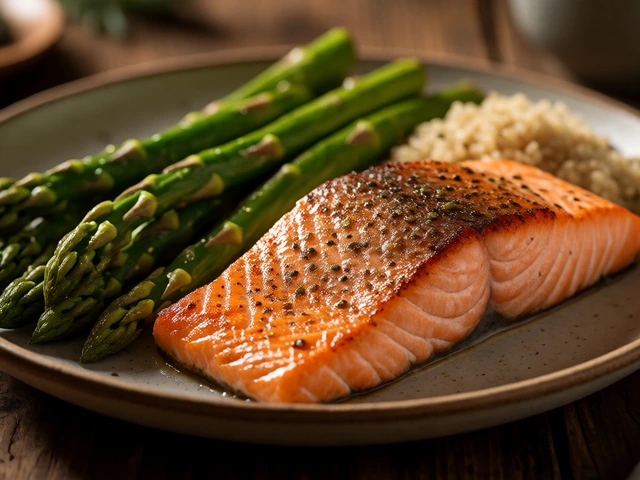
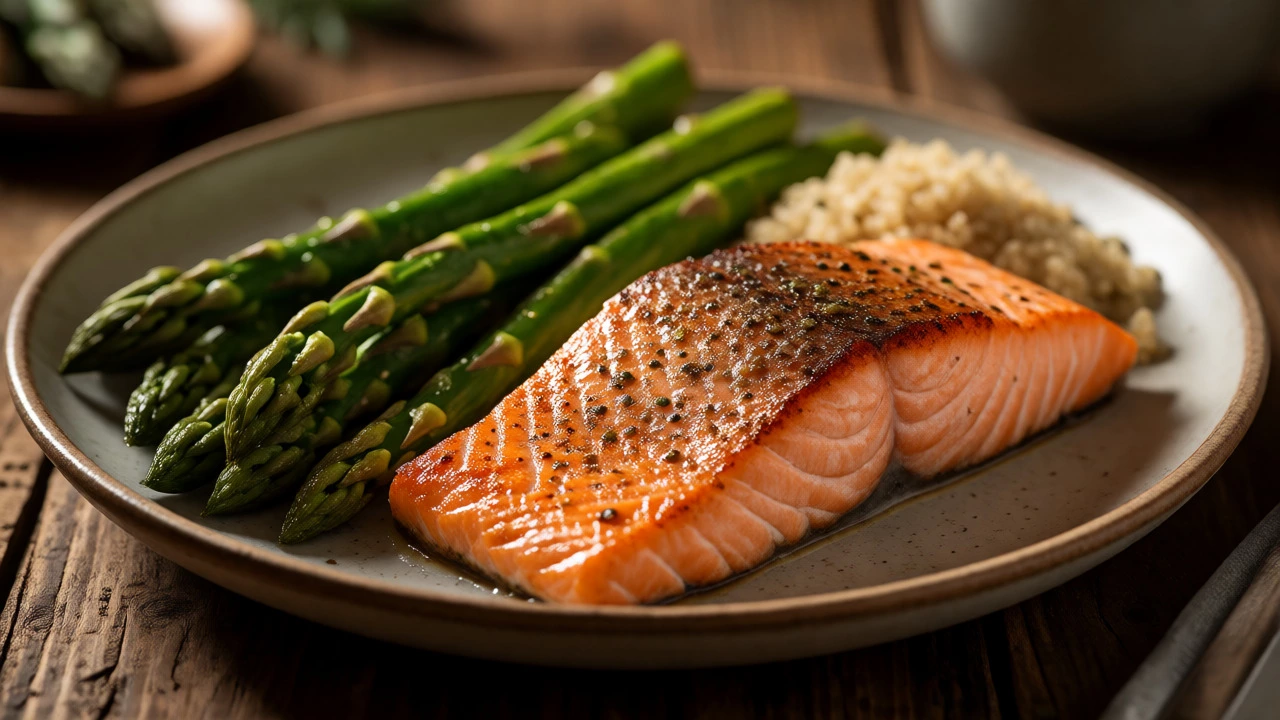
| Baked Salmon & Asparagus | High Omega-3s, anti-inflammatory, low carb | Heart health & brain function |
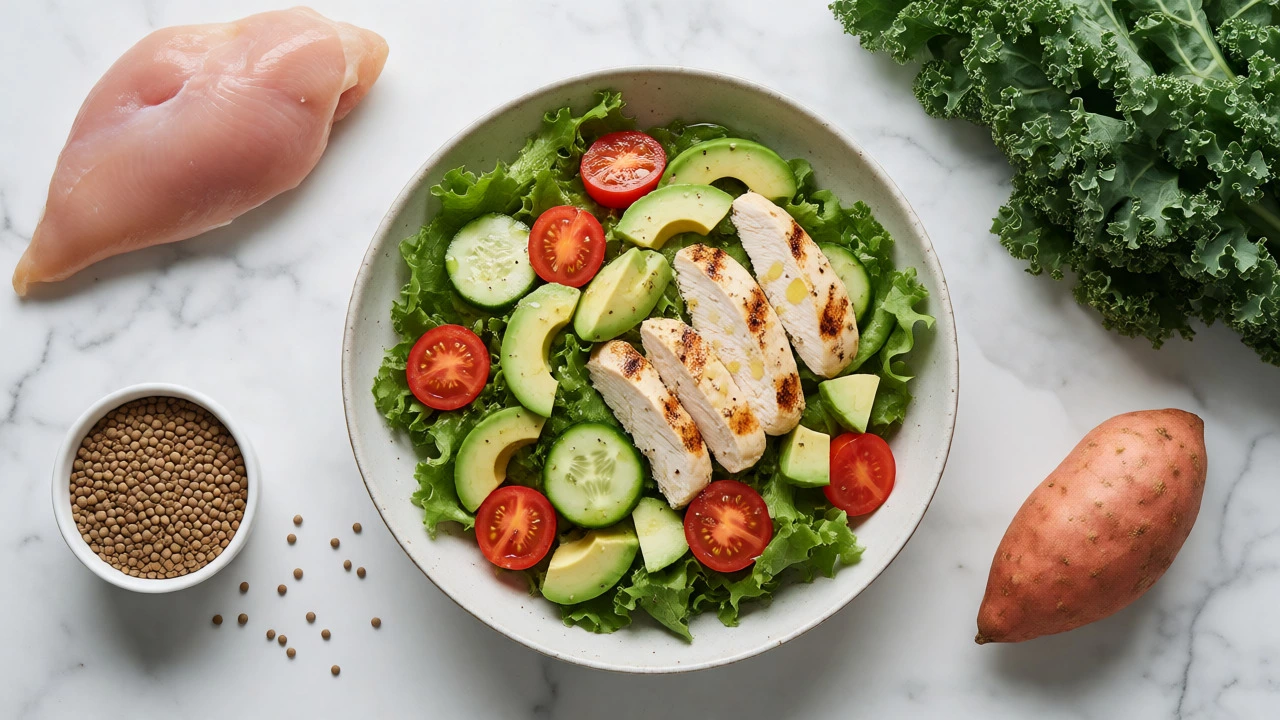
| Grilled Chicken Salad | High protein, customizable, hydrating | Weight loss & muscle maintenance |
| Lentil Soup | Plant-based protein, high fiber, gut-friendly | Digestive health & budget meals |
| Tofu Stir-Fry | Vegan, versatile, quick prep | Plant-based diets & busy nights |
Baked Salmon with Roasted Vegetables is often cited as the gold standard. Salmon is rich in omega-3 fatty acids, which reduce inflammation and support heart health. Pair it with roasted asparagus or Brussels sprouts, and you have a meal that’s low in glycemic impact but high in satisfaction. Just keep the portion size reasonable-about 4 to 6 ounces of fish is plenty.
If you’re vegetarian, Lentil Soup is a powerhouse. Lentils are technically legumes, not grains, so they pack a double punch of protein and fiber. They stabilize blood sugar effectively and promote a healthy gut microbiome. Add some carrots, celery, and onions for an aromatic base, and you’ve got a warming, comforting meal that won’t leave you feeling bloated.
Timing and Portion Control: When and How Much?
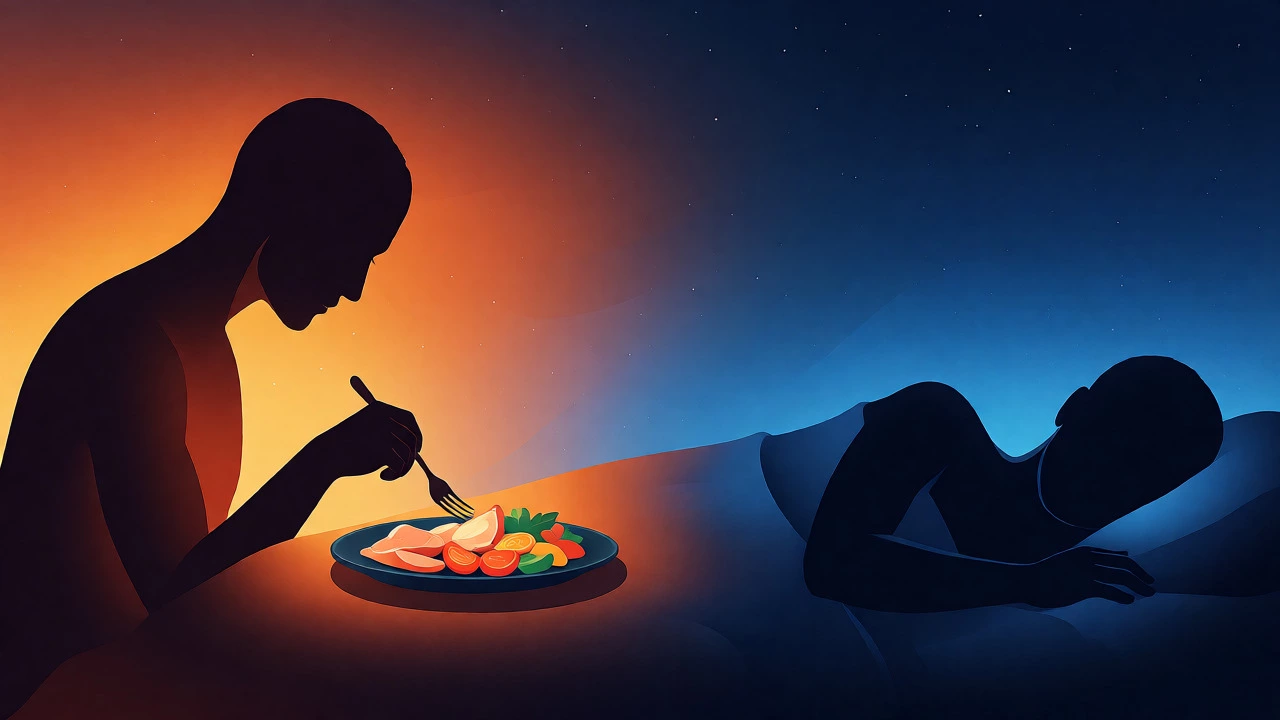
Eating the right food at the wrong time can undo its benefits. Research suggests finishing your last meal at least two to three hours before bed. This window allows your stomach to empty significantly, reducing the risk of indigestion and allowing your body to shift focus from digestion to restorative sleep processes.
Portion control matters too. A common mistake is assuming "healthy" means "unlimited." Avocados are healthy, but eating two of them adds nearly 500 calories. Nuts are great, but a handful turns into a cup quickly. Use your hand as a guide: a palm-sized portion of protein, a fist-sized portion of carbs (if needed), and two fists’ worth of vegetables.
Pitfalls to Avoid in Evening Meals
Even well-intentioned dinners can go wrong. Here are the most common traps:
- Sugar-Laden Sauces: BBQ sauce, teriyaki, and ketchup are often hidden sugar bombs. Stick to herbs, spices, lemon juice, vinegar, or olive oil for flavor.
- Refined Grains: White pasta or white bread digests too fast, causing insulin spikes. Swap for whole grains or skip the grain entirely in favor of veggies.
- Heavy Cream Bases: Alfredo sauces or creamy soups can sit heavy in the stomach. Opt for broth-based soups or tomato-based sauces instead.
Also, watch out for "health halo" foods. Granola bars, smoothies, and fruit juices might seem light, but they’re often dense in sugars. A dinner should primarily satisfy hunger, not provide a quick sugar rush.
Making It Sustainable: Prep Tips for Busy Nights
The best diet is the one you can stick to. If cooking takes an hour every night, you’ll eventually order pizza. Batch cooking is your friend. Roast a tray of chicken breasts and mixed vegetables on Sunday. Store them in glass containers. During the week, you just reheat and serve.
Keep simple staples on hand: frozen edamame, canned chickpeas, pre-washed greens, and eggs. These require minimal prep but offer maximum nutrition. An omelet with spinach and mushrooms takes five minutes and fits perfectly into the healthy dinner framework.
Frequently Asked Questions
Is it okay to eat carbs at dinner?
Yes, but choose wisely. Complex carbohydrates like quinoa, sweet potatoes, or brown rice are fine in moderation, especially if you exercised earlier in the day. Avoid refined carbs like white bread or sugary cereals, which can spike blood sugar and disrupt sleep.
How long before bed should I finish my dinner?
Aim to finish eating at least two to three hours before you go to sleep. This allows for proper digestion and reduces the likelihood of acid reflux or disrupted sleep cycles caused by active digestion.
Can I eat fruit for dinner?
Fruit is healthy, but it contains fructose, which can raise blood sugar. If you crave something sweet, opt for berries like strawberries or blueberries, which are lower in sugar and high in antioxidants. Pair them with a source of protein or fat, like Greek yogurt, to slow absorption.
What is the best protein for weight loss dinner?
Lean proteins such as chicken breast, turkey, white fish, tofu, or egg whites are ideal. They are high in satiety-inducing protein but low in calories and saturated fats, helping you stay full without overconsuming energy.
Does eating late really make you gain weight?
It’s not necessarily about the clock, but about total daily intake and activity levels. However, late eating often correlates with poorer food choices and reduced metabolic efficiency. If you’re hungry late, choose a small, protein-rich snack rather than a large, carb-heavy meal.
Final Thoughts: Listen to Your Body
There’s no single "best" dinner for everyone. Your ideal meal depends on your activity level, dietary preferences, and health goals. The key is consistency and balance. Focus on whole, unprocessed foods, prioritize protein and fiber, and respect your body’s natural rhythms. Start small-maybe swap one processed side dish for roasted veggies this week. Small changes compound into significant health improvements over time.