Pasta Meal Prep Calculator
1. Calculate Boiling Time
Enter the package instructions to find the ideal "par-cook" time for meal prep.
Why? We subtract 2 minutes from the package instructions.
This ensures the pasta is slightly undercooked (al dente) so it finishes perfectly when reheated in the microwave or sauce later.
2. Shape Selector & Tips
The Golden Rules Checklist
You’ve probably stood in your kitchen on a Sunday afternoon, staring at a boiling pot of spaghetti, wondering if you’re making a mistake. We’ve all been there. The fear is real: will this turn into a gluey, mushy disaster by Wednesday lunch? The short answer is yes, pasta is excellent for meal prep, but only if you stop treating it like fresh pasta and start treating it like a durable component. Most people fail because they overcook it or store it wrong. But when done right, pasta holds up better than rice, quinoa, or even potatoes. It’s cheap, versatile, and fills you up without the heavy carb crash if you pair it correctly.
Why Pasta Works (And Why It Fails)
Let’s look at the science briefly. Pasta is made from durum wheat semolina, which has a high protein content compared to other grains. This structure helps it hold its shape during reheating. However, starch retrogradation-that’s the fancy term for starch molecules recrystallizing as food cools-is what makes old pasta taste weird. If you cook pasta until it’s soft and then let it sit in water, the starches break down too much. You end up with a sticky mess. The trick is undercooking it slightly and stopping the cooking process immediately. This keeps the texture firm enough to survive the microwave.
Think of it this way: you aren’t prepping "cooked pasta." You are prepping "par-cooked pasta" that finishes in the sauce or the microwave. This distinction changes everything about how you handle it in the kitchen.
The Golden Rules for Perfect Prep
If you want your Tuesday night dinner to taste like it was just made, follow these non-negotiable rules. Ignoring any one of them usually leads to disappointment.
- Cook it al dente, then some: Don’t just go al dente. Go two minutes less than the package instructions say. If the box says 10 minutes, boil it for 8. You want a slight bite in the center.
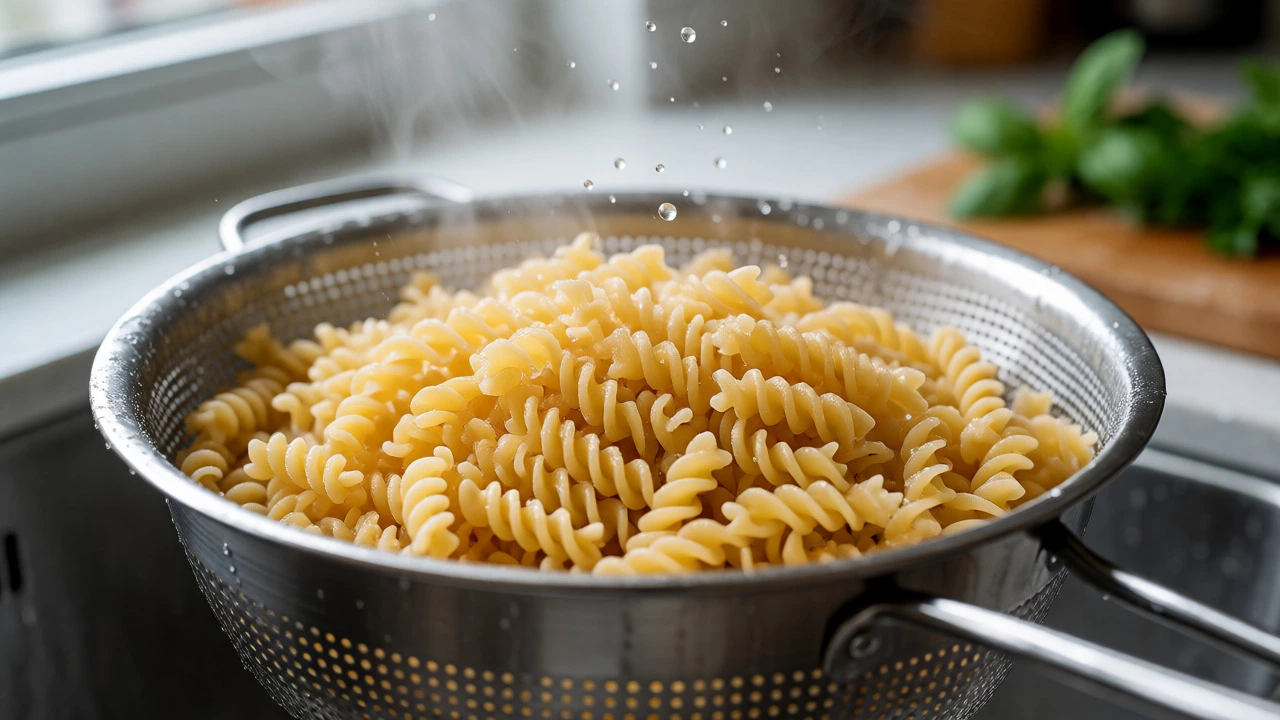
- Rinse with cold water: Unlike Italian tradition where you never rinse pasta, for meal prep, you must. Rinsing washes away excess surface starch that causes clumping. It also stops the cooking process instantly.
- Add fat before storing: Toss the cooled pasta with a teaspoon of olive oil or butter per serving. This creates a barrier between strands so they don’t fuse together into a brick.
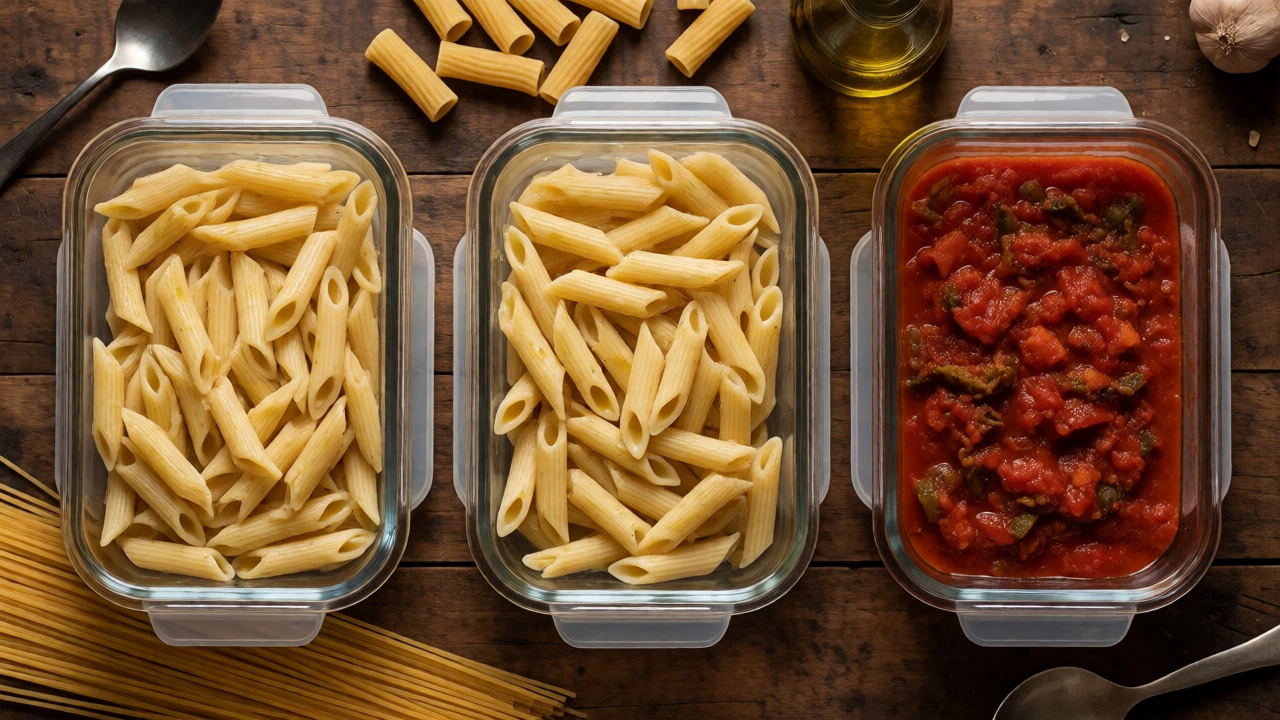
- Store dry and separate: Keep your sauce in a different container. Mixing wet sauce with pasta before refrigeration often makes the noodles soggy and limp.
Choosing the Right Shape Matters
Not all pasta shapes survive the fridge equally well. Long, thin strands like angel hair are fragile and tend to mat together. Thick, sturdy shapes are your best friends here. When you’re buying boxes for your weekly shop, look for formats that have nooks and crannies to hold sauce or can stand alone without breaking apart.
| Shape Type | Examples | Prep Suitability | Why? |
|---|---|---|---|
| Short & Sturdy | Penne, Fusilli, Rigatoni | Excellent | Holds sauce well, resists clumping, easy to scoop. |
| Medium Strands | Spaghetti, Linguine | Good | Requires careful oiling to prevent sticking, but tastes great. |
| Delicate/Thin | Angel Hair, Capellini | Poor | Turns to mush quickly, breaks easily when stirred. |
| Stuffed/Filled | Ravioli, Tortellini | Mixed | Fillings can leak or become watery; skins may tear. |
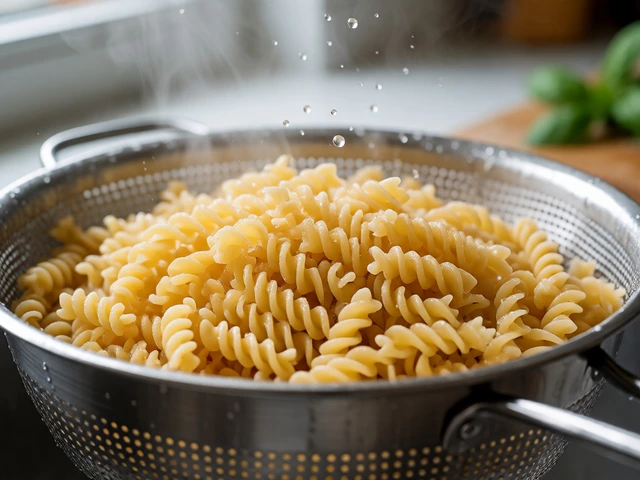
I personally stick to Fusilli or Penne. They grab onto the sauce, and if I accidentally overcook them by thirty seconds, they still have enough structural integrity to eat without feeling embarrassed at my desk.
Sauce Strategy: Wet vs. Dry
This is where most meal preppers get lazy, and it costs them flavor. You have two main options for handling sauces, and each has pros and cons depending on your schedule.
The Separate Container Method: Pack your pasta in one box and your sauce in another. When you’re ready to eat, heat both separately and mix. This guarantees the freshest taste and texture. It’s slightly more work because you have two containers to clean, but your lunch won’t be swimming in separated oil and water.
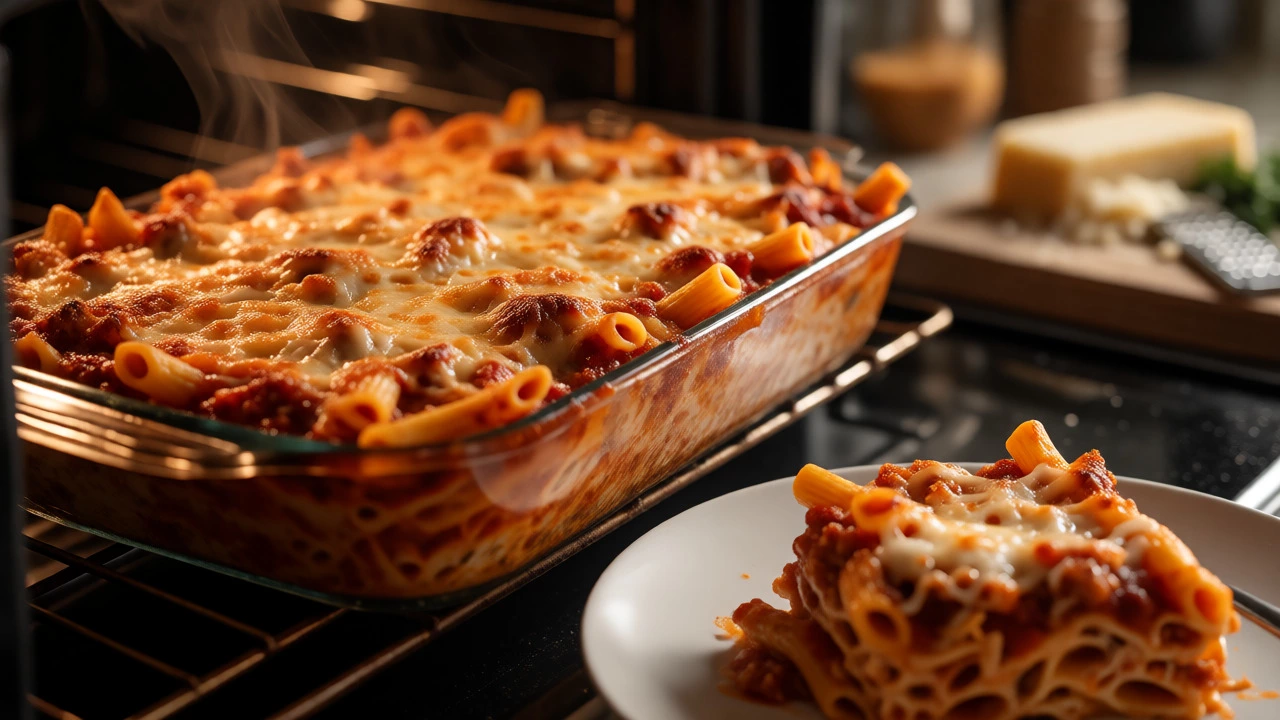
The Baked Dish Method: If you prefer casseroles, bake your pasta dish fully, let it cool completely, and then portion it out. Dishes like lasagna or baked ziti actually taste better on day two because the flavors meld overnight. Just make sure you cover the top with foil while baking to keep moisture in, and remove it for the last ten minutes to crisp up the cheese. These dishes are hearty and reheat evenly in the microwave without drying out.
Reheating Without Ruining It
You can have perfect pasta in the fridge, but ruin it in the microwave. Microwaves heat unevenly and evaporate moisture rapidly. Here is how to fix that.
- Add moisture back in: Before microwaving, sprinkle a tablespoon of water or broth over the pasta. This creates steam inside the container, which rehydrates the noodles.
- Use lower power: Blast it on high for 30 seconds, stir, then repeat. Stirring redistributes the heat so you don’t end up with rubbery edges and a cold center.
- Finish with fresh elements: Add fresh herbs, a squeeze of lemon, or a sprinkle of parmesan after heating. These add brightness that cuts through the "refrigerated" taste.
If you have access to an oven, reheating covered pasta dishes at 350°F (175°C) for 15-20 minutes yields far superior results to the microwave. It takes longer, but the texture remains closer to freshly cooked.
Nutritional Balance and Pairings
A bowl of plain pasta isn’t exactly a balanced meal. To make this strategy work for your health goals, you need to think beyond the carbs. Pasta provides energy, but it lacks sufficient protein and fiber on its own. Use your meal prep time to bulk up the nutritional profile.
Try mixing half pasta with half roasted vegetables like broccoli, peppers, or zucchini. This increases volume and fiber without adding many calories. For protein, toss in grilled chicken strips, chickpeas, or lentils directly into the pasta salad version. If you’re doing a hot dish, lean ground turkey or beef mixed into the tomato sauce works wonders.
Also, consider the type of pasta. Whole wheat or legume-based pastas (like chickpea or lentil pasta) offer higher protein and fiber counts. They have a stronger nutty flavor, which pairs well with robust meat sauces, but they can be denser. If you’re new to them, start by mixing regular and whole wheat pasta 50/50 to ease into the taste.
Common Pitfalls to Avoid
Even with good intentions, small mistakes can derail your week. Here are the ones I see most often.
- Storing hot pasta: Never put steaming pasta straight into the fridge. It raises the internal temperature of your refrigerator, risking bacterial growth on other foods. Let it cool to room temperature first, but don’t leave it out for more than two hours.
- Using too much sauce: Excess liquid separates and makes the bottom of your container soggy. Aim for a coating consistency, not a bath.
- Ignoring salt: Cook your pasta in heavily salted water. You cannot fix bland pasta later by salting the sauce. The flavor needs to penetrate the noodle itself during cooking.
Frequently Asked Questions
How long does prepared pasta last in the fridge?
Properly stored pasta lasts 3 to 5 days in the refrigerator. If you store it in an airtight container with a little oil, it stays fresh longer. Always smell and look at it before eating; if it smells sour or feels slimy, toss it.
Can I freeze cooked pasta?
Yes, but it works best for baked dishes like lasagna or casseroles. Plain boiled pasta tends to become soft and mushy when frozen and thawed. If you must freeze plain pasta, undercook it significantly and use it in soups or stews rather than eating it plain.
Does reheating pasta raise blood sugar more?
Actually, cooling pasta creates resistant starch, which acts like fiber and digests slower. Reheating it doesn't fully reverse this benefit. So, meal-prepped pasta might actually have a lower glycemic impact than freshly cooked, hot pasta.
What is the best container for pasta meal prep?
Glass containers with tight-sealing lids are ideal. They don’t stain, they are microwave-safe, and they allow you to see the contents clearly. Plastic containers can absorb odors and stains from tomato sauce, making them hard to clean thoroughly.
Should I rinse pasta for pasta salad?
Absolutely. For cold pasta salads, rinsing is mandatory. It cools the pasta down quickly and removes the sticky starch layer, ensuring your dressing coats evenly instead of clumping around the noodles.