Trying to pack for a trip to the UK and wondering if that jar of peanut butter, your favorite cheese, or that bottle of whiskey in your suitcase is allowed? You’re not alone. Every year, thousands of travelers get stopped at UK borders because they didn’t know what’s banned-or how strict the rules really are. It’s not about being tricky. It’s about knowing the line between personal use and commercial import. Get it wrong, and you could lose your items, face fines, or even be denied entry.
Food and Drink: It’s Not Just About Cheese
The UK has some of the strictest food import rules in Europe, especially after Brexit. If you’re flying in from outside the EU, you can’t bring in most meat, milk, or products containing them-no matter how small the amount. That includes ham sandwiches, sausage rolls, yogurt, or even chocolate with milk powder. The only exceptions are infant formula, special dietary foods for medical reasons, and a tiny amount of powdered baby milk for your child.
Plant-based foods like fruits, vegetables, nuts, and seeds are also banned unless they’re commercially packaged and labeled. That means no fresh apples from your backyard orchard, no homemade jam, and no bag of almonds you picked up at a roadside stall. Even dried herbs and spices need to be sealed in original packaging. Open bags or loose containers? They’ll be confiscated.
Alcohol and tobacco have limits. You can bring in 42 liters of beer, 18 liters of still wine, or 4 liters of spirits without paying duty-only if it’s for personal use. Exceed that, and you’ll need to declare it. Same with tobacco: 200 cigarettes, 100 small cigars, or 250 grams of smoking tobacco. Go over, and you’re risking a fine or seizure.
Plants, Animals, and Natural Products
Bringing in a potted plant from your garden? Don’t. The UK bans most live plants, bulbs, and cut flowers to protect native species from invasive pests and diseases. Even a single tulip bulb from the Netherlands could be seized. The same goes for soil, moss, or anything that might carry insects or fungi.
Animals are even tighter. You can’t bring in pets without a valid EU Pet Passport or UK Animal Health Certificate, plus microchip and rabies vaccination. Dogs, cats, and ferrets must be treated for tapeworm within 1-5 days before arrival. No exceptions. Exotic pets like reptiles, birds, or rodents? You’ll need a special license-and even then, many are outright banned.
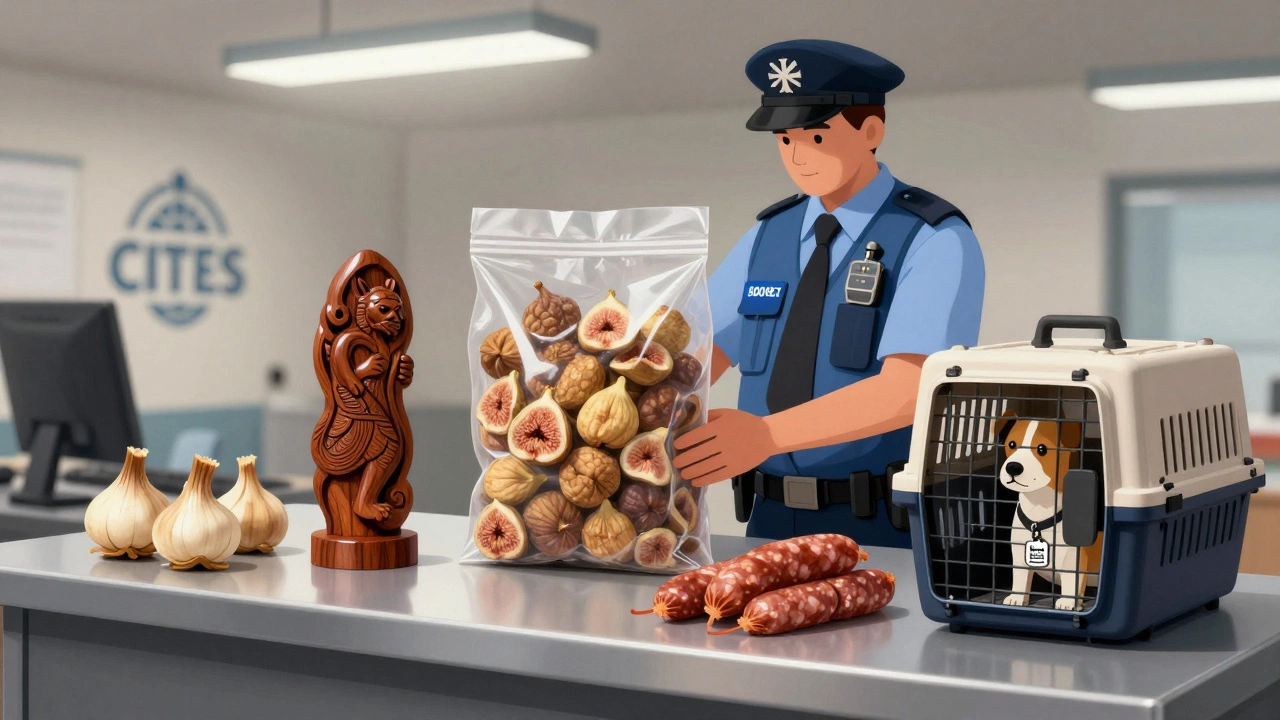
Products made from endangered species? Absolutely forbidden. Ivory, coral, turtle shell jewelry, or even a wooden carving made from protected wood like rosewood can get you arrested. The UK follows CITES (Convention on International Trade in Endangered Species), and customs officers are trained to spot these items.
Drugs, Weapons, and Dangerous Goods
Illegal drugs are obvious-but people still try. Prescription meds like Adderall, Xanax, or even strong painkillers like codeine are controlled substances in the UK. You can bring them only if they’re in original packaging with a doctor’s note or prescription in your name. Even then, quantities are limited to a 3-month supply. No refills. No sharing.
Weapons? No knives over 3 inches (even pocket knives), no pepper spray, no stun guns, no brass knuckles. Even replica firearms or airsoft guns can be confiscated. If you’re a hunter or collector, you’ll need a UK firearms license before you even arrive. Don’t assume your home country’s rules apply here.
Other dangerous items include fireworks, flammable liquids, aerosols over 100ml (even perfume), and lithium batteries not properly installed in devices. You can carry one spare battery in your carry-on, but loose ones? Gone.
Money, Cash, and Valuables
You can bring any amount of cash into the UK-but if it’s €10,000 or more (or equivalent in any currency), you must declare it. That includes cash, traveler’s checks, or even gold bars. Failure to declare can lead to seizure, fines, or criminal charges. It’s not a suggestion. It’s the law.
High-value goods like luxury watches, designer handbags, or electronics bought abroad? If you’re bringing them for personal use and plan to take them home again, you’re usually fine. But if customs thinks you’re trying to import them to sell, you’ll be taxed. Keep receipts. If you can’t prove it’s for personal use, they’ll assume it’s commercial.
What About Gifts and Souvenirs?
Gifts aren’t exempt. A bottle of wine, a box of chocolates, or a wooden figurine from a market stall? All subject to the same rules as anything else. The UK doesn’t care if it’s a present from your aunt-it still counts as an import. If it’s over £390 in value (for non-EU travelers), you’ll need to pay VAT and duty. That includes online purchases shipped directly to you.
And don’t assume handmade items are safe. A ceramic mug with a glaze containing lead? A scarf dyed with toxic chemicals? The UK has strict safety standards for consumer goods. If it doesn’t meet them, it gets destroyed-even if it’s a one-of-a-kind keepsake.
How to Avoid Trouble
Here’s what actually works:
- When in doubt, leave it behind.
- Check the UK government’s official list of prohibited items at gov.uk/bringing-goods-into-uk before you pack.
- Declare anything you’re unsure about at customs. You won’t get fined for declaring-you will for hiding.
- Keep receipts for expensive items, especially electronics and jewelry.
- Don’t rely on airport staff to know the rules. They’re not customs officers.
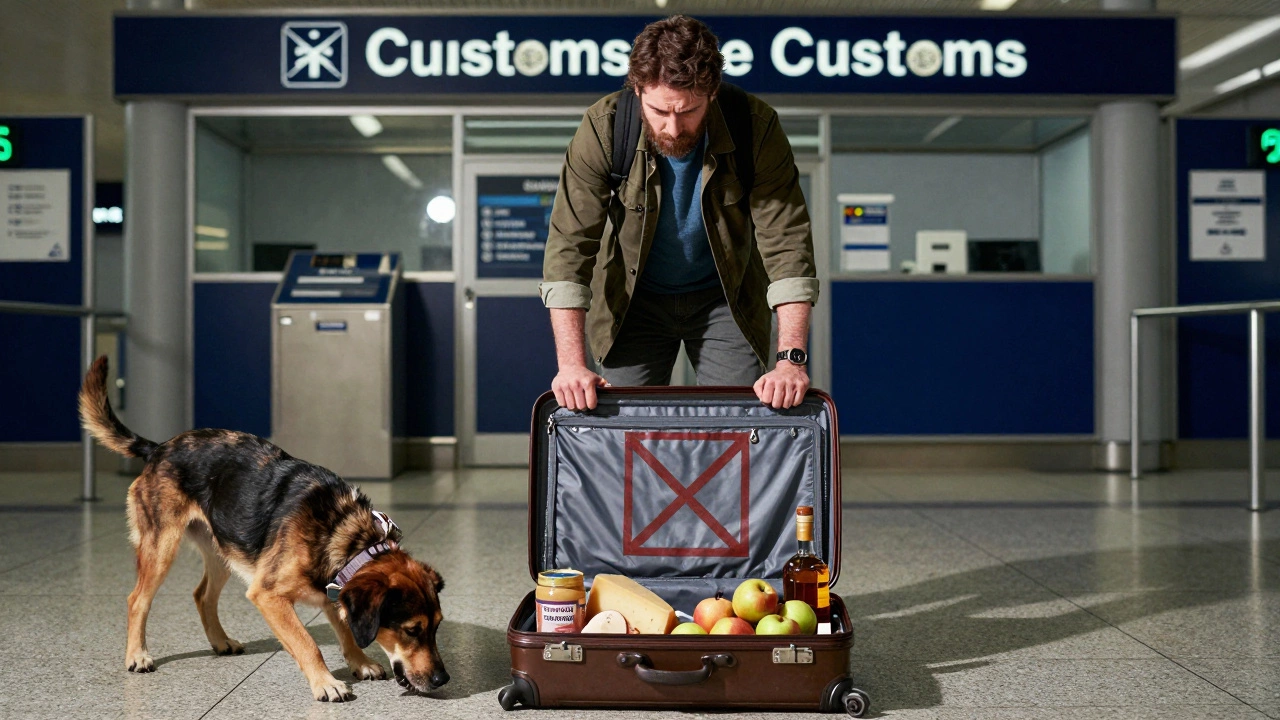
Most travelers who get caught didn’t mean to break the law. They thought, ‘It’s just a little bit,’ or ‘It’s for me.’ But UK customs doesn’t negotiate. They enforce. And they’ve got dogs trained to sniff out cheese, meat, and even tobacco hidden in suitcases.
What Happens If You Get Caught?
If you’re caught with prohibited items, customs officers will seize them. No warning. No second chance. You might also be asked to pay a penalty-usually double the value of the item or a flat fee of £250, whichever is higher. Repeat offenders or those trying to smuggle drugs or weapons face criminal prosecution.
It’s not just about losing your stuff. It can delay your trip, cause stress, and even affect future visa applications. One traveler from Australia got flagged for bringing in a bag of dried figs. She didn’t know they were banned. She lost the figs, paid a £250 fine, and spent two hours in a holding room while they checked her passport history.
Don’t be that person.
What You Can Bring
Let’s end on a positive note. You can bring in:
- Tea, coffee, and spices (in sealed, commercial packaging)
- Most baked goods like bread, cookies, and cakes (no cream or meat fillings)
- Condiments like soy sauce, mustard, and ketchup (in original bottles)
- Non-perishable snacks like crackers, cereal, and dried fruit
- Electronics for personal use (laptops, cameras, phones)
- Books, DVDs, and CDs
- Perfume and cosmetics (under 100ml per container in carry-on)
And if you’re flying from within the EU? Some rules are relaxed-but not all. Meat and dairy are still banned. Always check.
Final Tip: When in Doubt, Leave It Out
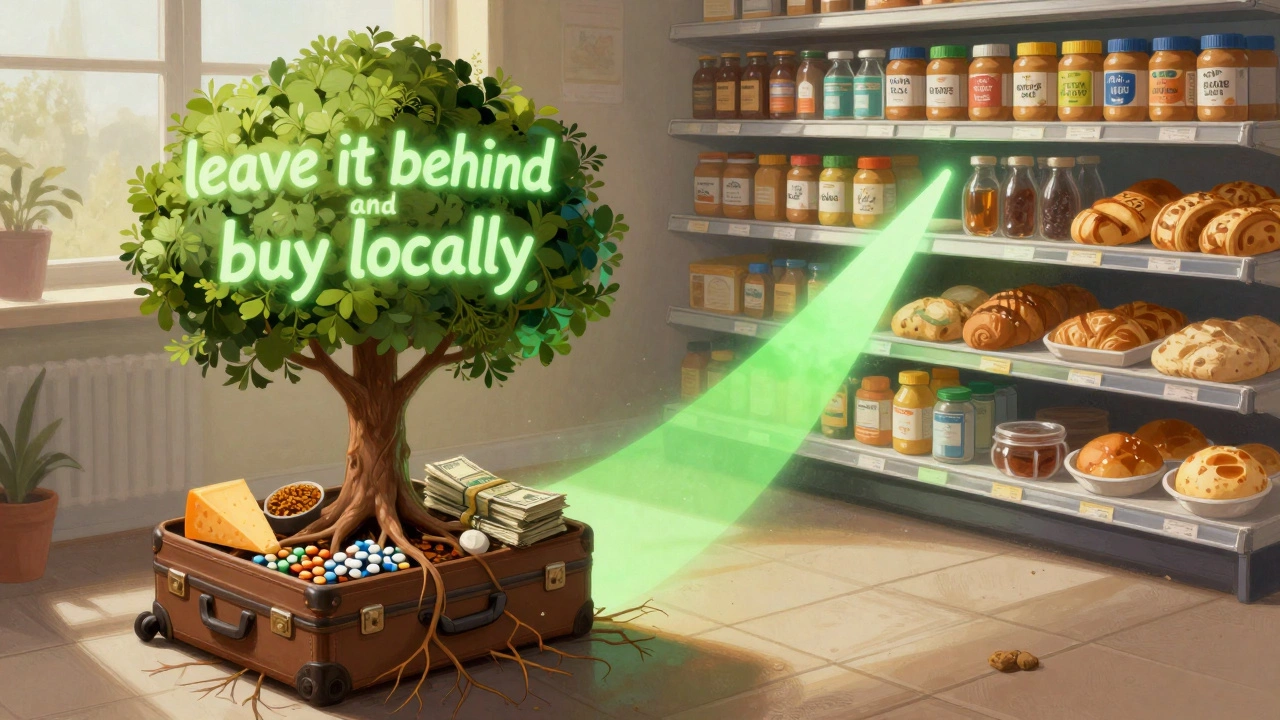
The UK isn’t trying to be harsh. They’re protecting public health, agriculture, and wildlife. The rules exist for a reason. The easiest way to avoid problems? Pack light. Buy what you need once you land. Supermarkets in London, Manchester, and Edinburgh stock everything from peanut butter to Parmesan. You won’t miss your favorite snacks-and you’ll avoid the stress of losing them at the border.
Traveling to the UK should be exciting-not stressful. Know the rules. Respect them. And enjoy your trip.
Can I bring cheese into the UK?
No, you cannot bring any cheese or dairy products made from milk into the UK if you’re arriving from outside the EU. This includes hard cheese, soft cheese, yogurt, butter, and even chocolate with milk powder. The only exceptions are infant formula and special dietary foods with a doctor’s note.
Can I bring my pet dog to the UK?
Yes, but only if your dog has a microchip, a valid rabies vaccination, and an Animal Health Certificate issued no more than 10 days before travel. It must also be treated for tapeworm 1-5 days before arrival. No exceptions. Pets arriving without these documents will be quarantined at your expense.
Can I bring prescription medication into the UK?
Yes, but only if it’s in its original packaging with a prescription or doctor’s note in your name. You can bring a maximum 3-month supply for personal use. Controlled drugs like Adderall, Xanax, or codeine are strictly regulated-even if legal in your home country. Check the UK government’s list of controlled substances before you travel.
How much cash can I bring into the UK?
There’s no limit on how much cash you can bring, but you must declare any amount of €10,000 or more (or its equivalent in any currency). This includes cash, traveler’s checks, and gold. Failure to declare can result in seizure and fines.
Are there restrictions on bringing plants or flowers into the UK?
Yes. Most live plants, bulbs, cut flowers, and soil are banned to prevent pests and diseases. Even a single potted plant from your garden can be confiscated. Commercially packaged plants with a phytosanitary certificate may be allowed-but you’ll need to apply in advance.
Can I bring tobacco into the UK?
Yes, but within limits: 200 cigarettes, 100 small cigars, 50 cigars, or 250 grams of smoking tobacco. You can also bring 200 grams of smoking tobacco. Exceeding these amounts requires declaration and payment of duty. Bringing more than 10 times the limit may trigger suspicion of commercial import.
What to Do Next
Before you pack, visit the official UK government website and use their import checker. It’s free, updated daily, and asks you simple questions like your country of origin, what you’re bringing, and how much. It gives you a clear yes or no-and what to do if you’re unsure.
If you’re flying, check your airline’s baggage rules too. Some items allowed by UK customs might still be banned on planes-like aerosols or lithium batteries.
And if you’re still unsure? Call the UK Border Force helpline. They’ll answer your questions. Better than guessing-and far better than losing your stuff at the airport.