Dark Furniture Balance Calculator
Calculate your ideal dark furniture balance percentage for your space.
Enter your space details
Five years ago, everyone was chasing light, airy spaces-white walls, beige sofas, Scandinavian oak. But if you’ve walked into a modern home lately, you’ve probably noticed something different. Dark furniture is showing up again. Not as a throwback, not as a gimmick. As a quiet, confident choice. And it’s sticking.
Why Dark Furniture Is Making a Comeback
It’s not about going gothic or dramatic. It’s about comfort. People are tired of spaces that feel cold or impersonal. Dark furniture-think deep walnut, charcoal-stained oak, or matte black metal frames-adds warmth by contrast. It doesn’t shout. It holds space. In a world where homes doubled as offices, gyms, and classrooms during the pandemic, we started craving environments that feel like retreats. Dark furniture delivers that.
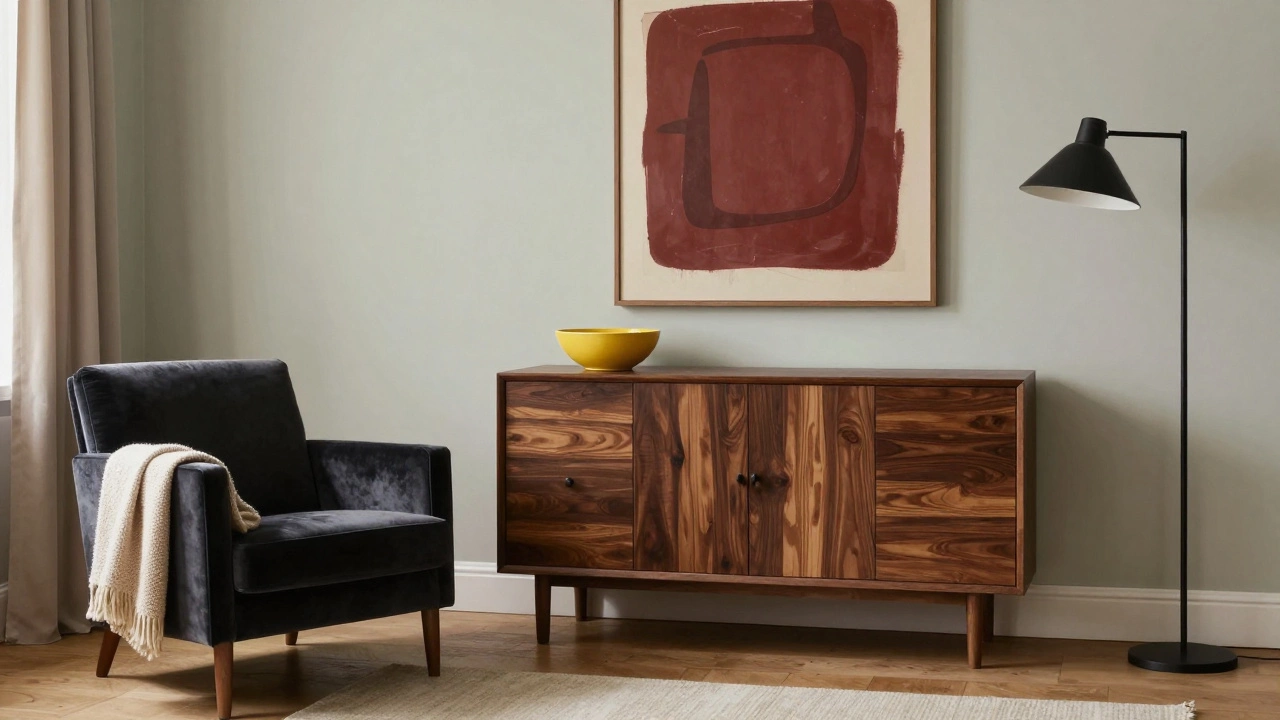
Take the rise of moody interiors. Designers in Melbourne and Sydney have been quietly shifting toward layered textures: velvet armchairs in navy, ebony side tables, and dark oak console pieces. These aren’t just accents. They’re anchors. They ground a room. When paired with warm lighting, textured rugs, or even a single sunlit wall, dark pieces stop looking heavy and start feeling intentional.
What’s Changed Since the 2010s
In the early 2010s, dark furniture was often seen as dated. Think heavy cherrywood dressers from the ‘80s or overly ornate mahogany sets. Today’s dark furniture is different. It’s minimalist. It’s clean-lined. It’s made with sustainable materials and hand-finished by local makers.
Brands like Forma in Sydney and House of Forest in Melbourne now offer dark-stained timber pieces using FSC-certified wood. These aren’t mass-produced imports. They’re built to last, with visible grain and subtle texture. The finish? Oil-based, not glossy. It ages gracefully, developing a patina over time instead of looking cheap or dusty.
And it’s not just wood. Metal frames in matte black are showing up on beds, side tables, and even bookshelves. Think industrial-chic without the rust. These pieces work because they’re simple, sturdy, and quiet. No chrome. No brass. Just solid, grounded forms.
How to Use Dark Furniture Without Making Your Space Feel Like a Cave
Here’s the mistake most people make: they go all-in. A black sofa, black coffee table, black TV stand, black rug. Suddenly, your living room feels like a funeral parlor.
The trick? Contrast. Balance. Light.
- Pair dark wood with light walls-think warm whites, soft greys, or even pale sage.
- Use layered lighting: floor lamps with linen shades, table lamps with warm bulbs.
- Add texture: a chunky knit throw, a jute rug, ceramic vases with rough glaze.
- Let in natural light. Keep curtains sheer or pull them back during the day.
- Introduce one or two bright accents: a yellow ceramic bowl, a green plant with bold leaves, or a single piece of abstract art in red.
Dark furniture doesn’t dominate. It frames. It lets the rest of the room breathe.
Real Examples from Australian Homes
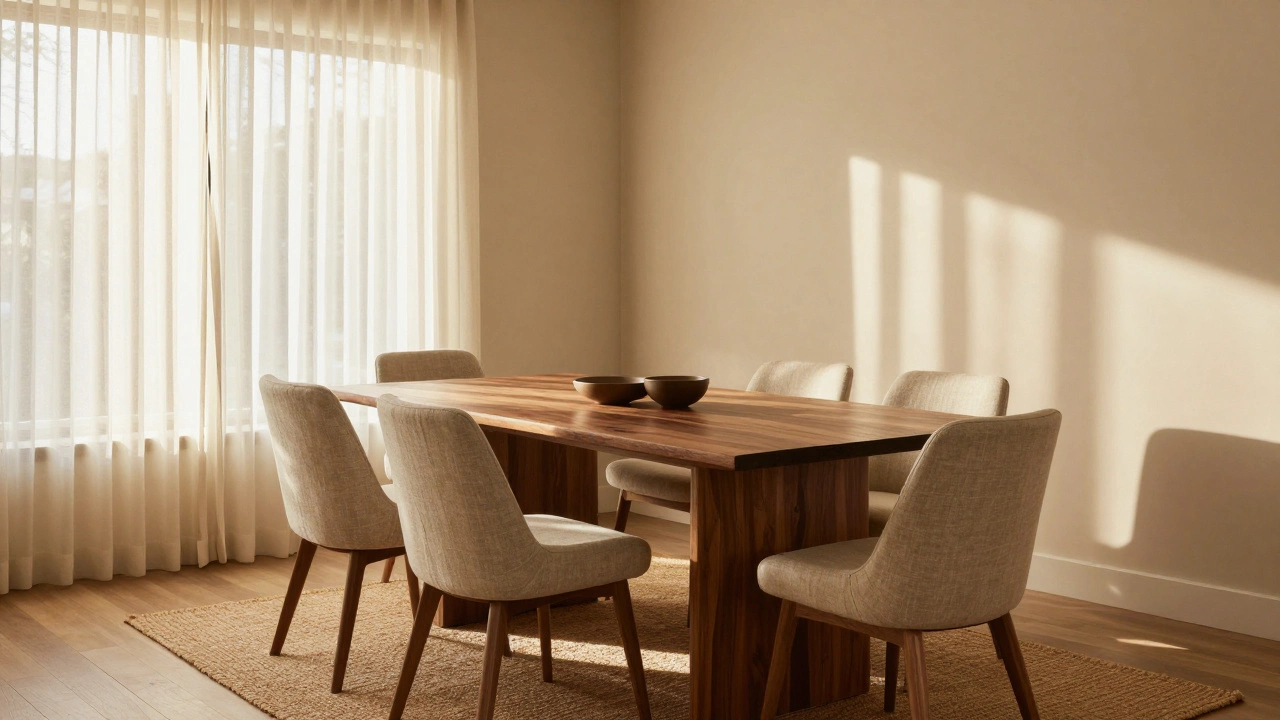
In Bondi, a couple renovated their 1920s bungalow last year. They kept the original floorboards but painted the walls a soft oatmeal. They bought a dark walnut dining table from a local artisan and paired it with linen chairs. The result? A space that feels cozy without being cluttered, elegant without being stiff.
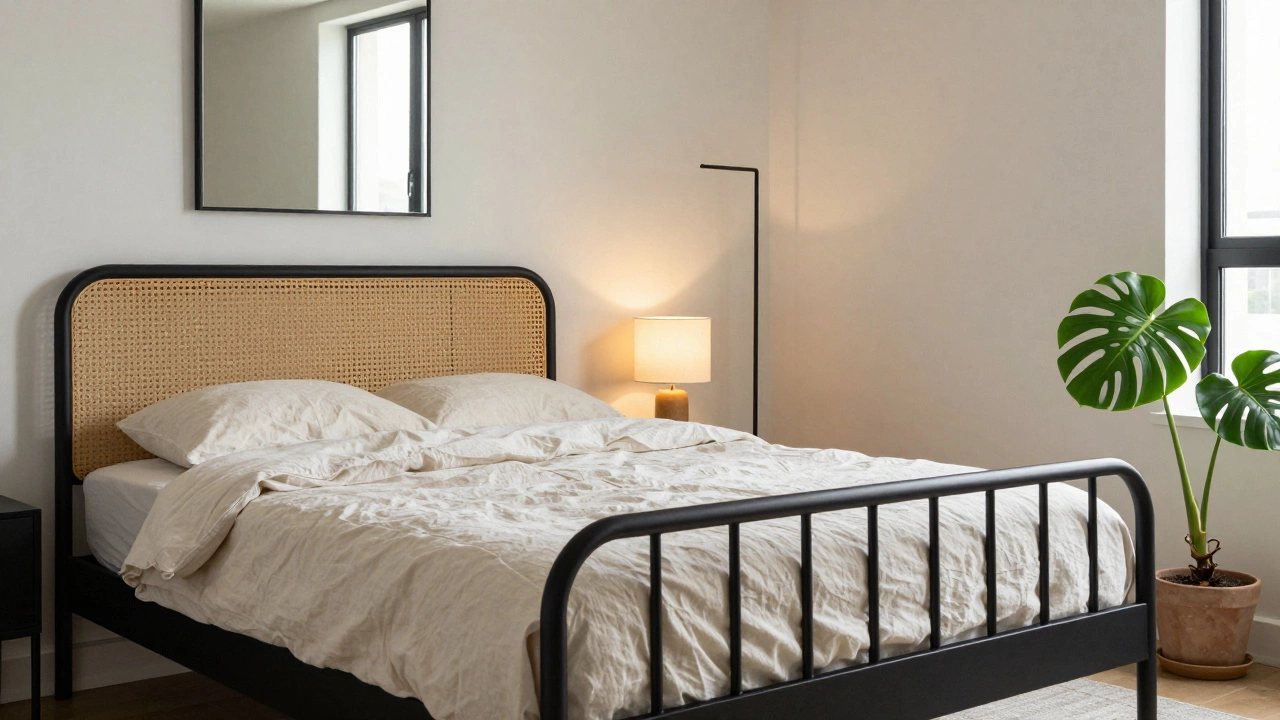
In Brisbane, a young designer moved into a small apartment and chose a matte black steel bed frame. She added a cream linen duvet, a rattan headboard, and a single large mirror to bounce light around. The room feels larger because the dark frame doesn’t compete-it defines.
These aren’t luxury homes. They’re everyday spaces. And they’re proof that dark furniture works in small rooms, in older houses, and in sun-drenched Australian climates.
What’s Not Coming Back
Let’s be clear: this isn’t about reviving the ‘90s. You won’t see glossy lacquered black cabinets or mirrored dark furniture. Those feel dated. This revival is rooted in craftsmanship, sustainability, and simplicity.
Also gone: the idea that dark = gloomy. Today’s dark furniture is designed to work with natural light. It’s meant to be seen in morning sun, not just under artificial lamps. That’s why matte finishes dominate. They absorb light gently instead of reflecting it harshly.
And forget the rule that dark furniture only works in large spaces. In fact, it often makes small rooms feel more intimate and cozy-when used correctly.
Where to Find It (Without Breaking the Bank)
You don’t need to shop at high-end showrooms. Local markets, independent furniture makers, and even secondhand stores are full of great dark pieces.
- Check out Thrive Market in Newtown or Reclaim in Fitzroy-both specialize in restored timber pieces.
- Facebook Marketplace has surprisingly good finds. Search for "dark oak console" or "walnut side table."
- Consider refinishing. A $100 secondhand dresser can become a showpiece with a coat of dark walnut oil and new hardware.
Even big retailers like IKEA now offer dark-stained options in their STOCKHOLM and HEMNES lines. They’re not handmade, but they’re solid, affordable, and designed with modern proportions.
Is This Just a Fad?
Some trends come and go. This one feels different. Dark furniture isn’t being pushed by influencers. It’s being chosen by people who want their homes to feel like sanctuaries, not Instagram backdrops.
There’s also a quiet shift toward longevity. People are buying fewer, better things. Dark wood ages well. It doesn’t scratch easily. It doesn’t look cheap after a year. It gets better.
And let’s not ignore the emotional side. After years of uncertainty, many of us want our homes to feel solid. Grounded. Reliable. Dark furniture does that. It doesn’t ask for attention. It just holds space.
Final Thought: It’s Not About Color-It’s About Feeling
Dark furniture isn’t returning because it’s trendy. It’s returning because it works. It brings warmth to light-filled rooms. It adds depth to minimalist spaces. It turns a corner into a quiet reading nook or a dining table into a family gathering spot.
If you’re thinking about trying it, start small. A single dark side table. A walnut bookshelf. A black metal lamp. See how it feels. You might be surprised how much more at home you feel.
Is dark furniture only good for large rooms?
No. In fact, dark furniture often works better in small spaces because it creates depth and definition. A dark wood side table or black metal lamp can anchor a compact living area without making it feel cramped. The key is balancing it with light walls, natural light, and texture.
Does dark furniture make a room feel smaller?
It can, if everything is dark. But when you pair dark furniture with light walls, sheer curtains, and layered lighting, it actually adds dimension. Think of it like a dark frame around a painting-it draws your eye inward, not outward. The contrast creates the illusion of space.
What’s the best type of wood for dark furniture?
Walnut and stained oak are the top choices. Walnut has a rich, natural dark tone and beautiful grain. Oak, when stained dark, holds up well and is more affordable. Both are durable and age beautifully. Avoid cheap particleboard with dark veneers-they look flat and don’t last.
Can dark furniture work with bright colors?
Absolutely. Dark furniture is the perfect backdrop for bold accents. A navy sofa looks even richer with a mustard-yellow throw. A black coffee table pops against a bright green plant or a red ceramic vase. Think of dark furniture as a neutral canvas-it makes colorful elements stand out.
Is dark furniture hard to keep clean?
It depends on the finish. Matte and oil-based finishes hide dust and smudges better than glossy ones. A quick wipe with a dry microfiber cloth is usually enough. Avoid harsh cleaners. For wood, use a damp cloth with a drop of mild soap, then dry immediately. Dust is less noticeable on dark surfaces than on light ones.
What lighting works best with dark furniture?
Warm lighting is essential. Choose bulbs with a color temperature around 2700K to 3000K-soft white, not cool white. Use layered lighting: a floor lamp near a dark armchair, a table lamp on a console, and dimmable ceiling lights. Avoid overhead-only lighting. Shadows matter; they add depth and comfort.
Dark furniture isn’t about following a trend. It’s about creating a space that feels like you-calm, grounded, and quietly confident. If you’ve been hesitating, now’s the time to try it. Start with one piece. See how it changes the room. You might just find it’s the thing your home was missing all along.