
The Perfect Plate Builder
Select one item from each category below to build your ideal daily meal. See how your choices create a balanced nutritional profile.
Choose Your Ingredients
Your Plate Visualization
*Visual proportions represent the Half-Plate Rule
Health Score
Select items to see results
There is no single magic bullet. If you are looking for one specific superfood that will cure all your ailments and grant you immortality, you might want to stop scrolling right now. The reality of nutrition is far less dramatic but much more practical. The healthiest food to eat every day isn't a rare berry from the Amazon or an expensive supplement. It is a combination of whole, unprocessed foods that provide consistent energy, support gut health, and reduce inflammation over time.
In Sydney, where we value fresh produce and outdoor living, it is easy to see how small, daily choices compound into long-term health. You do not need to overhaul your entire life overnight. Instead, you need to build a routine around nutrient-dense staples that are accessible, affordable, and sustainable. Let’s break down what actually makes a food "healthy" for daily consumption and how you can incorporate these elements into your meals without feeling like you are on a restrictive diet.
The Foundation: Why Variety Beats Obsession
Before we list specific items, we need to address a common misconception. Focusing too heavily on one "perfect" food often leads to nutritional gaps. Your body requires a complex mix of macronutrients-carbohydrates, proteins, and fats-and micronutrients like vitamins and minerals. No single food provides everything in the right proportions.
Think of your plate as a puzzle. Each piece fits together to create a complete picture. If you only eat kale, you miss out on the protein needed for muscle repair. If you only eat chicken, you miss the fiber needed for digestive health. The goal is consistency in eating a wide range of whole foods. This approach, often called a "whole-foods diet," ensures that you get a broad spectrum of nutrients while minimizing exposure to additives, preservatives, and refined sugars found in processed foods.
Top Daily Staples for Optimal Health
So, if there is no single winner, what should be on your grocery list every week? Here are the categories of foods that nutritionists consistently recommend for daily inclusion.
Leafy Greens and Cruciferous Vegetables
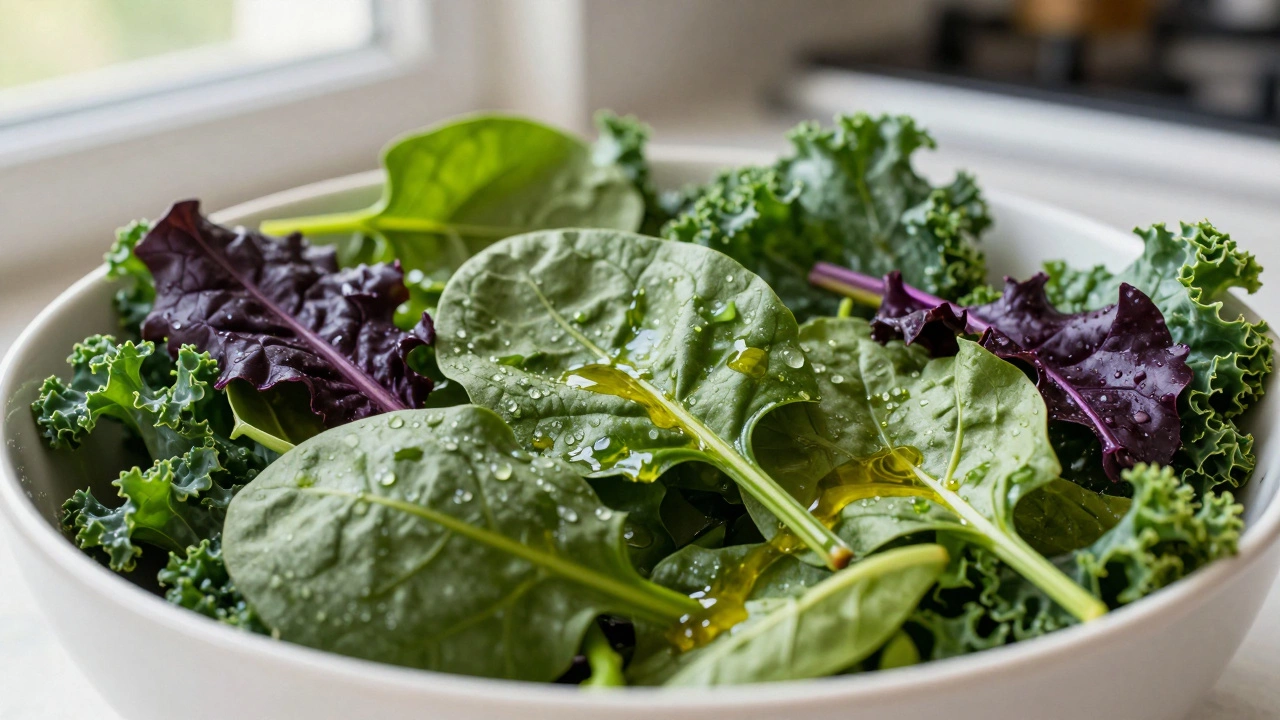
Vegetables are non-negotiable. Specifically, leafy greens like spinach, kale, and Swiss chard are packed with iron, calcium, and vitamins A, C, and K. They are low in calories but high in volume, meaning you can eat large portions without spiking your blood sugar. Cruciferous vegetables such as broccoli and brussels sprouts contain compounds like sulforaphane, which have been linked to cancer prevention and improved liver function.
- Spinach: High in iron and magnesium; great raw in salads or cooked in smoothies.
- Kale: Rich in antioxidants; try massaging it with olive oil to soften the texture.
- Broccoli: Contains glucosinolates, which help detoxify the body.
Fatty Fish and Omega-3 Sources
If you can eat fish daily, fantastic. If not, aim for at least two to three times a week. Salmon, mackerel, and sardines are loaded with omega-3 fatty acids. These fats are crucial for brain health, reducing inflammation, and supporting heart health. In Australia, sardines are particularly accessible and affordable, making them a smart choice for budget-conscious shoppers.
For those who do not eat fish, algae oil supplements or walnuts can provide some omega-3 benefits, though the absorption rate is different compared to marine sources. Always choose wild-caught fish when possible to minimize exposure to pollutants.
Whole Grains and Fiber
Carbohydrates get a bad reputation, but they are essential for energy. The key is choosing complex carbohydrates. Oats, quinoa, and brown rice digest slowly, providing steady energy throughout the day. They are also rich in fiber, which feeds the beneficial bacteria in your gut. A healthy gut microbiome is directly linked to immune function and mental health.
Avoid refined grains like white bread and pastries, which strip away fiber and nutrients, leaving behind empty calories that cause energy crashes.
Legumes and Plant-Based Proteins
Lentils, chickpeas, and beans are nutritional powerhouses. They offer a dual benefit: high-quality plant protein and significant fiber content. Incorporating legumes into your daily diet can help lower cholesterol levels and stabilize blood sugar. They are versatile, cheap, and shelf-stable, making them easy to keep on hand for quick meals.
Nuts and Seeds
A small handful of nuts or seeds each day can make a big difference. Almonds are rich in vitamin E, while chia seeds and flaxseeds provide omega-3s and fiber. Nuts are calorie-dense, so portion control is important, but their healthy fats contribute to satiety, helping you avoid snacking on less nutritious options later in the day.
Building a Balanced Plate
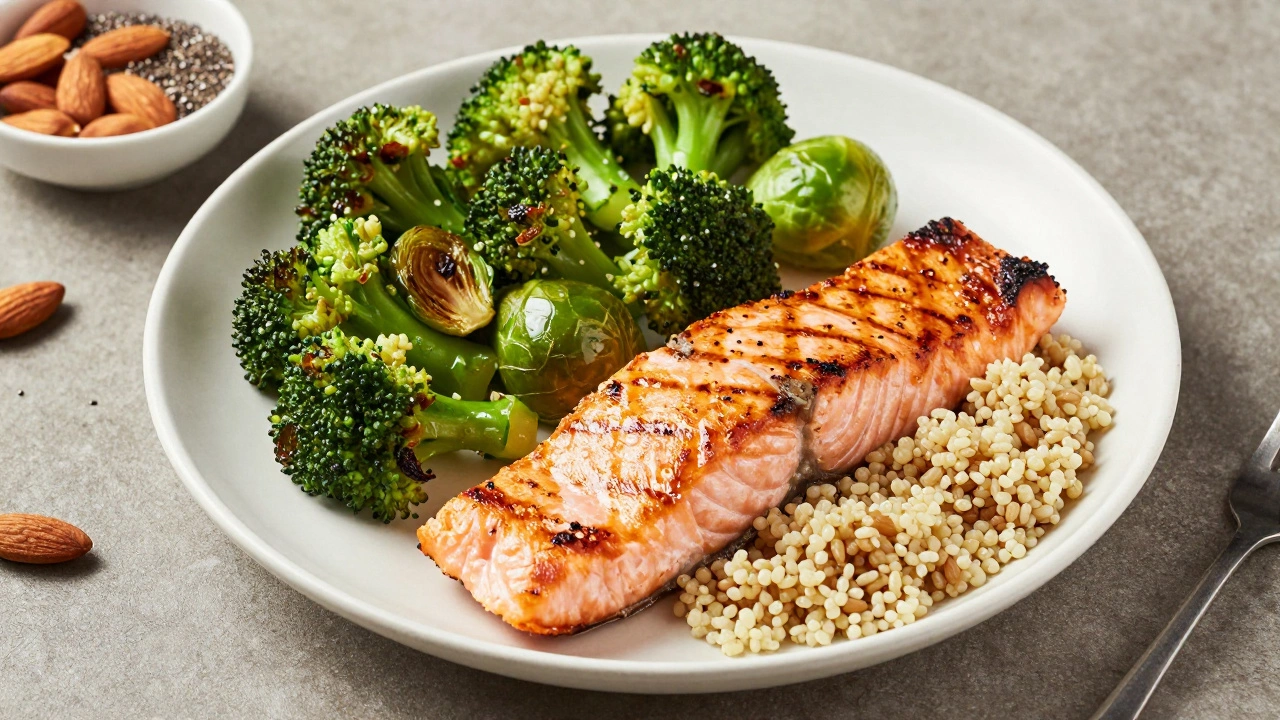
Knowing what to buy is only half the battle. How you combine these foods matters. A simple framework for building a healthy meal is the "half-plate rule." Fill half your plate with vegetables, one-quarter with lean protein, and one-quarter with whole grains or starchy vegetables. Add a thumb-sized portion of healthy fats, such as olive oil or avocado.
This method ensures you are getting enough fiber and nutrients without overeating. It is flexible enough to accommodate various dietary preferences, whether you are vegetarian, pescatarian, or omnivore. For example, a lunch could consist of a large salad with mixed greens (vegetables), grilled chicken breast (protein), quinoa (grain), and a dressing made from olive oil and lemon juice (fat).
| Food Group | Key Nutrient | Benefit | Serving Suggestion |
|---|---|---|---|
| Leafy Greens | Vitamin K, Iron | Bone health, oxygen transport | 1-2 cups raw or cooked |
| Fatty Fish | Omega-3 Fatty Acids | Brain health, anti-inflammatory | 3-4 oz (approx. deck of cards) |
| Whole Grains | Fiber | Digestive health, stable energy | 1 cup cooked |
| Legumes | Protein, Fiber | Muscle repair, satiety | ½ cup cooked |
| Nuts/Seeds | Healthy Fats, Vitamin E | Heart health, skin protection | 1 oz (small handful) |
Hydration: The Overlooked Essential
We cannot talk about healthy eating without mentioning water. Water is not a food, but it is essential for every metabolic process in your body. Dehydration can mimic hunger, leading to unnecessary snacking. Aim for at least 2 liters of water daily, more if you are active or live in a hot climate like Sydney's summer. Herbal teas and infused waters can add variety without adding sugar or artificial sweeteners.
Practical Tips for Consistency
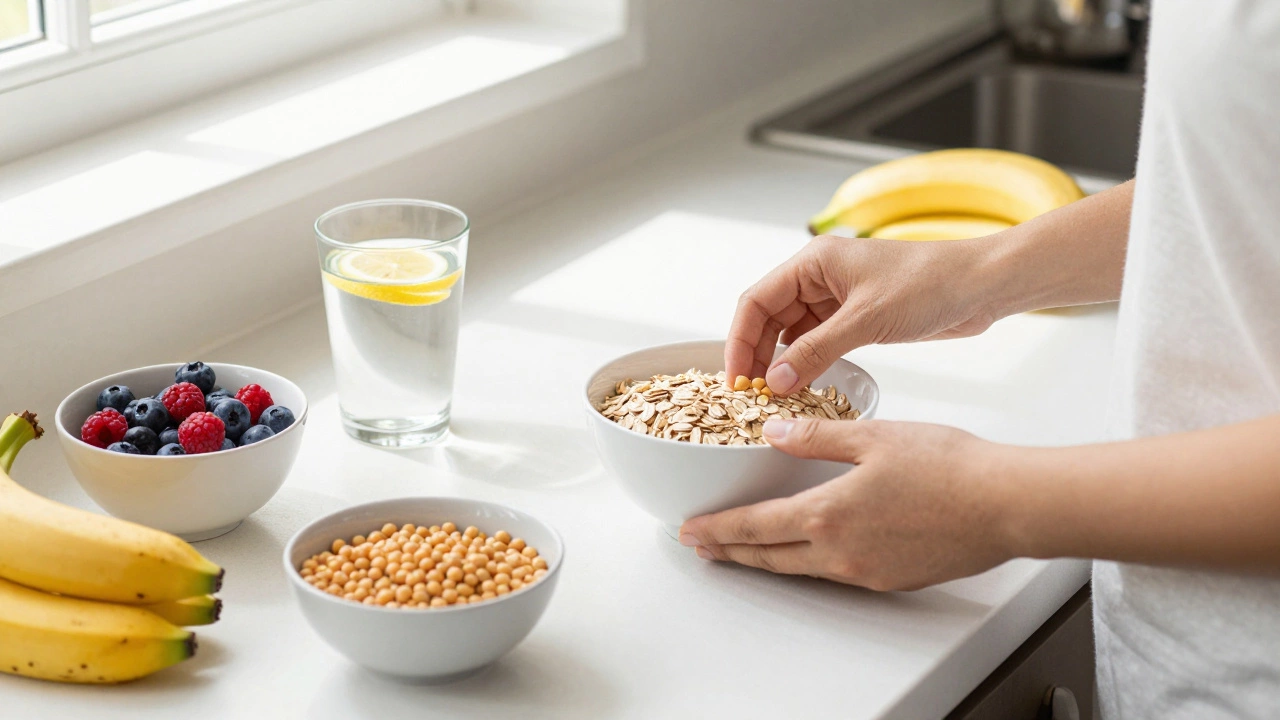
Eating well every day sounds idealistic, but it becomes manageable with preparation. Here are some strategies to make healthy eating effortless:
- Meal Prep Sundays: Spend an hour chopping vegetables, cooking grains, and marinating proteins. Having ready-to-eat components reduces the temptation to order takeout during busy weekdays.
- Keep Snacks Visible: Store fruit, nuts, and yogurt at eye level in the fridge. Hide less healthy snacks in opaque containers or higher shelves. Out of sight, out of mind.
- Read Labels: If a product has more than five ingredients or includes words you cannot pronounce, consider skipping it. Processed foods often hide added sugars and unhealthy fats.
- Cook at Home: Restaurant meals are often high in sodium, saturated fats, and calories. Cooking at home gives you control over portion sizes and ingredient quality.
- Listen to Your Body: Eat when you are hungry and stop when you are full. Mindful eating helps prevent overeating and improves digestion.
Common Pitfalls to Avoid
Even with the best intentions, it is easy to fall into traps. One common mistake is demonizing entire food groups. Carbs and fats are not enemies; they are essential nutrients. Restricting them too severely can lead to nutrient deficiencies and binge-eating cycles. Another pitfall is relying on "healthy" branded products. Many granola bars, protein shakes, and juices are loaded with added sugars and artificial ingredients. Always check the nutrition facts panel.
Finally, perfection is not the goal. Consistency is. If you miss a day or indulge in a treat, do not beat yourself up. Just get back on track with your next meal. Small, sustainable changes yield better long-term results than drastic, short-term diets.
Is there really one single healthiest food?
No. Nutrition science emphasizes variety and balance. No single food contains all the nutrients your body needs. A diet rich in diverse whole foods like vegetables, fruits, whole grains, lean proteins, and healthy fats is far superior to focusing on any one "superfood."
Can I lose weight by just eating these foods?
Eating nutrient-dense whole foods supports weight loss by keeping you fuller for longer and stabilizing blood sugar. However, weight loss ultimately depends on maintaining a calorie deficit. Even healthy foods can lead to weight gain if consumed in excess.
How much water should I drink daily?
A general guideline is 2-3 liters per day, but this varies based on activity level, climate, and individual physiology. Listen to your thirst cues and ensure your urine is pale yellow, which indicates proper hydration.
Are organic foods necessary for a healthy diet?
Organic foods may have lower pesticide residues, but the nutritional difference between organic and conventional produce is minimal. The most important factor is eating plenty of fruits and vegetables, regardless of whether they are organic. Wash all produce thoroughly to remove surface contaminants.
What if I don't like vegetables?
Start small. Try blending spinach into smoothies, adding grated zucchini to pasta sauce, or roasting vegetables with herbs and olive oil to enhance flavor. Exposure takes time, and palates can change with repeated, positive experiences.