

Mental Health Warning Signs Checker
Select any behaviors or changes you've noticed in someone close to you. This tool helps categorize these observations into risk levels based on clinical indicators.
Emotional & Mood Changes
Behavioral & Physical Changes
Immediate Support Resources
If there is immediate danger or talk of self-harm:
- Australia: Call Lifeline at 13 11 14 or Beyond Blue at 1300 22 4636
- Emergency: Contact local emergency services immediately
- Do not leave the person alone if they are in crisis
Have you ever looked at a friend or family member and felt that something was just... off? Maybe their laughter sounded forced, or they seemed distant during a dinner conversation. It’s a confusing feeling. You want to help, but you’re not sure if you’re overreacting or missing real red flags. The term mentally unstable is often thrown around loosely, usually meaning someone whose emotional state feels unpredictable or out of control. But what does that actually look like in daily life?
Recognizing these signs isn’t about playing armchair psychiatrist. It’s about noticing shifts in behavior that signal distress. When we understand the subtle cues-changes in sleep, mood swings, or social withdrawal-we can offer support before things escalate. This guide breaks down the observable signs of mental instability, helping you distinguish between temporary stress and deeper issues that need professional attention.
The Core Signs of Emotional Distress
Mental instability rarely appears overnight. It usually manifests through a cluster of symptoms that affect how a person thinks, feels, and acts. One of the most common indicators is significant mood volatility. We all have bad days, but when someone’s emotions swing from extreme highs to crushing lows without an obvious trigger, it can be a sign of underlying issues like bipolar disorder or severe depression.
- Unpredictable Mood Swings: Rapid shifts in emotion that don’t match the situation.
- Persistent Sadness or Irritability: A baseline mood that remains negative for weeks.
- Anxiety That Feels Constant: Excessive worry that interferes with daily tasks.
Another key area to watch is energy levels. Someone experiencing mental health challenges might seem exhausted all the time, even after sleeping enough. Alternatively, they might display hyperactivity, talking rapidly, or making impulsive decisions. These extremes suggest their brain chemistry is struggling to regulate normal states.
Behavioral Changes You Can Observe
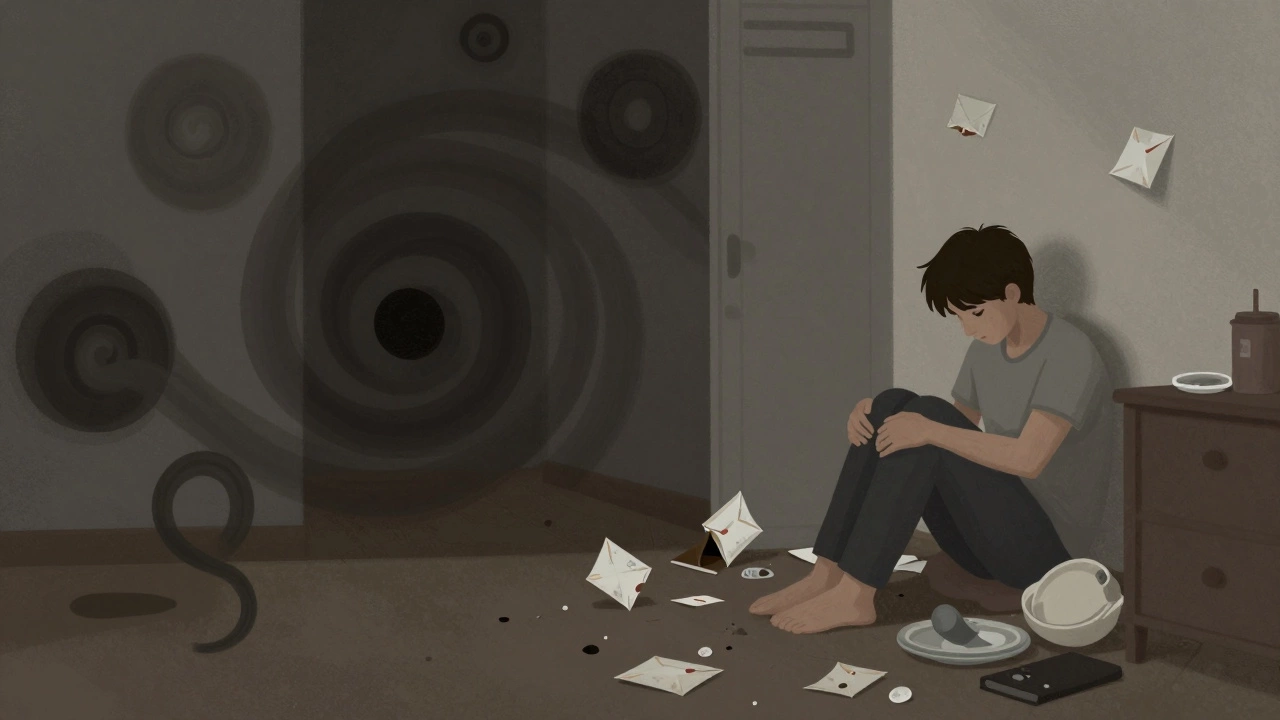
While internal feelings are hard to see, behavior is visible. Look for drastic changes in routine habits. Does your colleague who used to join team lunches now eat alone in their car? Has a partner who loved hiking suddenly stopped moving? Social withdrawal is a major warning sign. It often indicates that the person feels overwhelmed by interaction or lacks the energy to maintain connections.
Hygiene and self-care are also telling indicators. When mental stability erodes, basic tasks like showering, changing clothes, or cooking can feel insurmountable. If someone you know has started neglecting their appearance or living space, it’s not necessarily laziness. It could be a symptom of depression or anxiety taking up all their mental bandwidth.
| Sign Category | Specific Behavior | Potential Underlying Cause |
|---|---|---|
| Social Interaction | Isolation, avoiding calls | Depression, Social Anxiety |
| Daily Routine | Neglecting hygiene, missed work | Major Depressive Disorder |
| Risk Taking | Substance abuse, reckless driving | Bipolar Mania, PTSD |
| Sleep Patterns | Insomnia or oversleeping | Anxiety, Depression |
Cognitive Shifts and Communication Clues
Pay attention to how someone processes information and communicates. Cognitive decline isn’t always permanent; sometimes it’s a temporary fog caused by stress or trauma. You might notice difficulty concentrating, forgetfulness, or trouble making simple decisions. A person who once handled complex projects with ease may now struggle to choose what to wear.
Language patterns can also reveal inner turmoil. Listen for statements of hopelessness, such as “I’m a burden” or “Nothing matters.” These aren’t just dramatic phrases; they are cries for help. Similarly, paranoid thinking-believing others are plotting against them-can indicate psychosis or severe paranoia. If conversations become circular, disjointed, or filled with irrational fears, it’s time to take note.
Physical Symptoms Linked to Mental Health
The mind and body are deeply connected. Mental instability often shows up physically. Chronic headaches, stomach issues, or unexplained pain can be somatic symptoms of psychological distress. When medical tests come back clear, consider whether stress or anxiety might be the root cause.
Sleep disturbances are perhaps the most reliable physical marker. Insomnia, early morning waking, or sleeping too much disrupts the body’s ability to recover. Poor sleep exacerbates mood problems, creating a vicious cycle. Watch for changes in appetite too-either loss of interest in food or compulsive eating can signal emotional dysregulation.

When to Seek Professional Help
Not every bad day means someone is mentally unstable. Context matters. Grief after a loss, stress from a job change, or reaction to a breakup are normal responses. However, if symptoms persist for more than two weeks, worsen over time, or impair daily functioning, professional intervention is needed.
Immediate help is required if there are threats of self-harm or harm to others. In Australia, you can call Lifeline at 13 11 14 or Beyond Blue at 1300 22 4636. For urgent situations, contact emergency services. Don’t hesitate to act if safety is at risk. Your concern could save a life.
How to Support Someone Effectively
If you suspect someone is struggling, approach them with compassion, not judgment. Avoid saying “snap out of it” or minimizing their feelings. Instead, use open-ended questions like, “I’ve noticed you’ve been quiet lately. How are you really doing?” Listen more than you speak. Validate their experience by acknowledging their pain.
Encourage professional help gently. Offer to help find a therapist or accompany them to an appointment. Small gestures matter-sending a text, bringing over a meal, or simply sitting with them in silence can show you care. Remember, you are not their therapist. Set boundaries to protect your own well-being while offering support.
Is mental instability the same as having a mental illness?
Not exactly. Mental instability describes a state of emotional unpredictability or distress, which can be temporary. Mental illness refers to diagnosed conditions like depression or bipolar disorder. While instability can be a symptom of mental illness, it can also result from acute stress or trauma without meeting diagnostic criteria for a disorder.
Can lifestyle changes improve mental stability?
Yes, significantly. Regular exercise, balanced nutrition, consistent sleep schedules, and mindfulness practices can boost resilience. However, for clinical conditions, lifestyle changes should complement, not replace, professional treatment like therapy or medication.
What should I do if my friend talks about suicide?
Take it seriously. Ask directly if they have a plan. Do not leave them alone. Contact emergency services or a crisis hotline immediately. In Australia, call Lifeline (13 11 14) or MensLine Australia (1300 78 99 78). Stay with them until help arrives.
How long does it take for mental health symptoms to resolve?
It varies widely. Acute stress reactions may fade in weeks. Clinical disorders often require months or years of treatment. Consistency in therapy, medication adherence, and lifestyle adjustments improves outcomes. Patience and ongoing support are crucial.
Can children show signs of mental instability?
Yes. Children may exhibit regression (bedwetting), aggression, extreme clinginess, or school refusal. Their expressions differ from adults. Early intervention with pediatricians or child psychologists leads to better long-term results.