

30-Minute Cardio & Weight Loss Calculator
Your Parameters
Estimated Results
Weekly Calorie Deficit
Here is the short answer: Yes, 30 minutes of cardio a day can help you lose weight. But here is the catch-it won’t happen if you ignore what you eat. You cannot out-sweat a bad diet.
We often hear that an hour on the treadmill or a long run is the only way to shed pounds. That creates pressure. It makes us think we need to spend our evenings exhausted on machines just to see results. The truth is simpler and more sustainable. Consistency beats intensity when it comes to long-term fat loss. If you move your body for half an hour every single day, you are building a habit that burns calories, improves heart health, and keeps your metabolism active.
The Math Behind Fat Loss
To understand why 30 minutes works, we have to look at the basic science. Weight loss happens when you burn more energy than you consume. This is called a calorie deficit, which means you are using up stored energy (fat) because your food intake isn't covering all your needs.
Let’s break down the numbers. A moderate 30-minute jog might burn between 200 and 300 calories, depending on your weight and pace. If you do this five days a week, that is roughly 1,500 calories burned per month purely from exercise. Since one pound of body fat equals about 3,500 calories, that monthly effort contributes significantly to losing a pound or two.
However, the real magic happens when you combine this with slight dietary adjustments. If you cut out just one sugary soda or a small serving of snacks a day (another 150-200 calories), you double your deficit without doing any extra work. This combination is far easier to maintain than running for an hour while eating whatever you want.
Intensity Matters More Than Duration
Not all 30-minute sessions are created equal. How hard you push yourself changes the outcome. Here is how different types of cardio affect your body:
- Low-Intensity Steady State (LISS): Think brisk walking, light cycling, or slow swimming. This is great for beginners. It burns calories during the activity but doesn’t spike your heart rate too high. It’s easy to recover from, so you can do it every day without burning out.
- High-Intensity Interval Training (HIIT): This involves short bursts of maximum effort followed by rest. For example, sprinting for 30 seconds, then walking for 60 seconds. HIIT can burn more calories in less time and creates an "afterburn" effect where your body continues to burn calories at a higher rate for hours after the workout ends.
If you are short on time, HIIT is your best friend. A 20-minute HIIT session can sometimes match the calorie burn of a 45-minute steady jog. However, HIIT is tough on the joints and central nervous system. Most people should limit HIIT to 2-3 times a week and mix it with lower-intensity movement on other days.
The Role of Strength Training
Cardio is excellent for burning calories right now, but it doesn’t build muscle. Muscle tissue is metabolically active, meaning it burns more calories at rest than fat tissue does. If you only do cardio, you might lose weight, but you could also lose muscle mass along with the fat. This can lead to a "skinny fat" appearance where the scale goes down, but your body composition doesn’t improve much.
Adding strength training twice a week changes the game. Lifting weights or doing bodyweight exercises like squats and push-ups preserves your muscle while you lose fat. Over time, having more muscle raises your basal metabolic rate (BMR). This means you burn more calories just sitting on the couch watching TV.
A balanced routine looks like this: 30 minutes of cardio most days, plus two days of strength training. You don’t need to choose one over the other. They work together to create a leaner, stronger body.
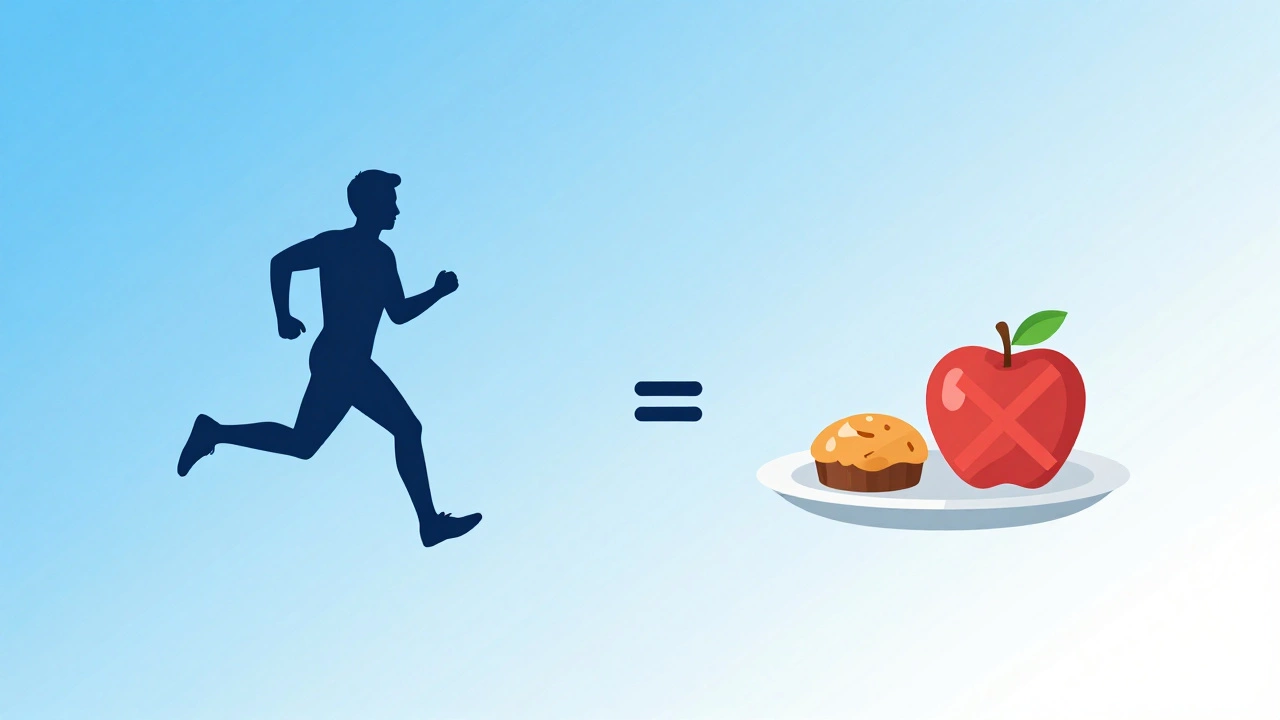
Why Diet Is the Deciding Factor
This is the part most people hate to hear. You can run for 30 minutes, burn 250 calories, and then reward yourself with a large latte and a muffin that contains 500 calories. Net result? You gained 250 calories. Your body stores that excess energy as fat.
Food is much denser in calories than exercise is efficient at burning. It takes a long time to burn off a slice of pizza, but it takes seconds to eat it. To make your 30-minute cardio effective, focus on whole foods. Prioritize protein, vegetables, and healthy fats. Protein helps keep you full and protects your muscles. Fiber from vegetables slows down digestion, preventing blood sugar spikes that lead to cravings.
You don’t need to starve yourself. Just be mindful. Track your portions for a few weeks until you get a feel for what a serving size actually looks like. Small, consistent changes in eating habits paired with daily movement yield better results than extreme diets that crash after a month.
Sustainability and Mental Health
One of the biggest reasons people fail at weight loss is boredom and burnout. If you force yourself to run for an hour every day, you will likely quit within three weeks. Thirty minutes is manageable. It fits into a lunch break, before dinner, or early in the morning.
Movement also reduces stress. High stress levels raise cortisol, a hormone that encourages fat storage, particularly around the belly. Regular cardio lowers cortisol and boosts endorphins, the "feel-good" chemicals. When you feel good, you are less likely to emotional eat. This psychological benefit is just as important as the physical calorie burn.
Find a form of cardio you actually enjoy. Hate running? Try dancing, hiking, swimming, or playing tennis. If you enjoy the activity, you will stick with it. Consistency is the key variable in the equation of weight loss. Doing something mediocre consistently beats doing something perfect occasionally.
| Type | Calorie Burn (30 mins) | Difficulty | Best For |
|---|---|---|---|
| Brisk Walking | 120 - 180 kcal | Low | Beginners, joint-friendly |
| Jogging/Running | 200 - 300 kcal | Medium | Steady state endurance |
| Cycling | 250 - 350 kcal | Medium | Leg strength, low impact |
| HIIT | 300 - 400+ kcal | High | Time efficiency, afterburn |
| Swimming | 200 - 300 kcal | Medium | Full body, recovery |

Common Mistakes to Avoid
Even with a good plan, small errors can stall progress. Watch out for these pitfalls:
- Overestimating Calories Burned: Fitness watches and gym machines often exaggerate how many calories you’ve used. Don’t use those numbers as an excuse to eat more. Treat exercise as a bonus, not a license to indulge.
- Neglecting Sleep: Poor sleep disrupts hunger hormones. Ghrelin (the hunger hormone) goes up, and leptin (the fullness hormone) goes down. Aim for 7-9 hours of quality sleep to support your weight loss efforts.
- Doing the Same Thing Every Day: Your body adapts. If you run the same distance at the same speed every day, you become more efficient, meaning you burn fewer calories over time. Mix up your activities, change your terrain, or adjust your speed to keep challenging your body.
Creating Your Routine
Start simple. Commit to 30 minutes a day. Break it down if needed. Three 10-minute walks are almost as beneficial as one continuous 30-minute session. The goal is to move away from a sedentary lifestyle.
Track your progress beyond the scale. Take measurements of your waist, hips, and thighs. Notice how your clothes fit. Energy levels are another great indicator. If you have more stamina and feel lighter, you are making progress even if the scale stalls temporarily due to water retention or muscle gain.
Remember, weight loss is not linear. Some weeks you will drop pounds quickly; other weeks nothing will happen. This is normal. Stick to the process. Trust the math. Keep moving for 30 minutes a day, eat mostly whole foods, and give your body time to transform.
Can I lose weight walking 30 minutes a day?
Yes, walking 30 minutes a day can contribute to weight loss, especially if combined with a calorie-controlled diet. While walking burns fewer calories than running or HIIT, it is highly sustainable and low-impact, making it easier to maintain long-term. Consistency is key.
Is 30 minutes of cardio enough to build muscle?
No, cardio alone does not build significant muscle mass. To build muscle, you need resistance training such as weightlifting or bodyweight exercises. Cardio supports overall health and fat loss, which can reveal muscle definition, but strength training is required to grow the muscle itself.
Should I do cardio before or after eating?
Both options work, but they serve different goals. Exercising in a fasted state may slightly increase fat oxidation during the workout, but total daily calorie balance matters more for weight loss. Many people prefer a light snack beforehand to fuel their performance and prevent dizziness or fatigue.
How long does it take to see results from 30 minutes of daily cardio?
Most people start noticing changes in energy levels and clothing fit within 2-4 weeks. Visible weight loss typically becomes apparent after 4-8 weeks, assuming a consistent calorie deficit. Individual results vary based on starting weight, diet adherence, and genetics.
Is it better to do cardio every day or take rest days?
For low-intensity cardio like walking, daily practice is fine and beneficial. For high-intensity workouts like running or HIIT, taking 1-2 rest days per week allows your muscles and joints to recover, reducing the risk of injury and burnout. Listen to your body and prioritize recovery.