
Self-Help Author Wealth Calculator
Explore how different income streams contribute to the net worth of top self-help figures. Adjust the parameters to see estimated earnings.
Money talks, but in the world of personal development, it screams. You might assume that the person who wrote your favorite life-changing book is sitting on a mountain of cash. It’s a fair assumption. After all, these people are selling hope, confidence, and success strategies to millions. But when you look closely at the bank accounts of the biggest names in self-help, the picture gets complicated. The title of "richest self-help author" doesn't belong to just one person, and the path to wealth isn't always paved with book royalties alone.
If you are looking for a single name to drop at a dinner party, the answer usually points toward Tony Robbins, a prominent American author, coach, and motivational speaker known for his seminars and books like 'Unleash the Power Within'. However, if we define "author" strictly by someone whose primary income comes from writing, the list shifts dramatically. Let’s break down who actually makes the money, how they make it, and why the gap between book sales and net worth is wider than you think.
The Titans of Wealth: Beyond Book Royalties
When we talk about the richest figures in the self-help space, we have to separate the writers from the empires. Most of the top earners don’t rely on the 15% royalty rate standard in the publishing industry. They use their books as lead generators for high-ticket services. This is a crucial distinction. A book costs $20; a seminar can cost $2,000. That math changes everything.
| Name | Primary Income Source | Estimated Net Worth | Famous Work |
|---|---|---|---|
| Tony Robbins | Seminars, Coaching, Investments | $800 Million+ | Awaken the Giant Within |
| Deepak Chopra | Wellness Products, Media | $100 Million+ | The Seven Spiritual Laws of Success |
| Oprah Winfrey | Media Empire, Production | $2.5 Billion+ | What I Know For Sure |
| James Clear | Book Sales, Newsletter | $10-20 Million* | Atomic Habits |
*Note: James Clear’s exact net worth is private, but estimates vary widely based on his conservative public statements versus massive sales figures.
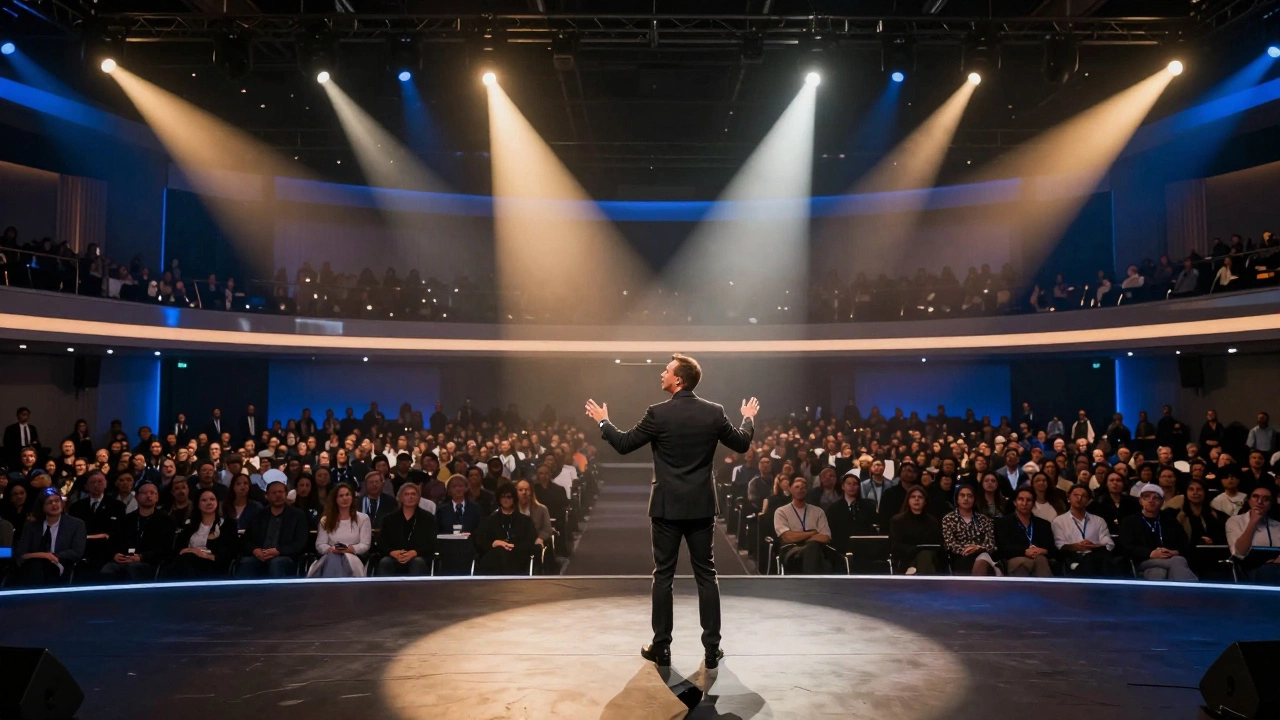
Tony Robbins sits at the top because he built a business model, not just a bibliography. He started in the 1980s, long before social media, by mastering the art of the live event. His books are doorways into his ecosystem of coaching programs, corporate consulting, and financial products. He also has a keen eye for real estate and investments, which has compounded his wealth over decades. He isn't just an author; he's a brand architect.
Then there is Deepak Chopra, who bridges the gap between spirituality and commerce. With over 90 books under his belt, he has created a vast wellness empire. His income streams include supplements, meditation apps, and retreat centers. Chopra represents the "holistic" side of self-help wealth, proving that you can monetize mindfulness without needing a stadium tour.
We cannot ignore Oprah Winfrey. While she is primarily a media mogul, her influence on the self-help genre is unmatched. Her book club turned obscure titles into instant bestsellers, and her own memoirs and spiritual guides sell millions. Oprah’s wealth comes from her media ownership, but her credibility as a tastemaker in personal growth keeps her relevant in this conversation.
The Modern Disruptor: James Clear and the Power of Niche Dominance
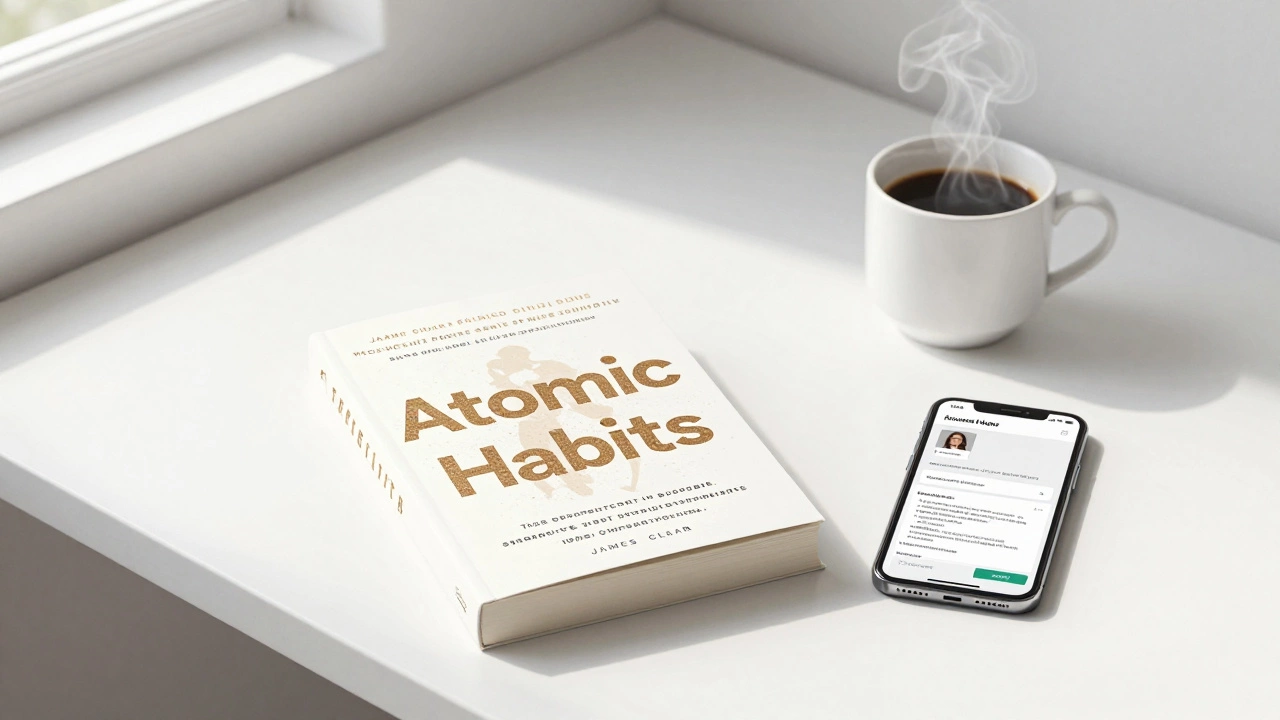
If Tony Robbins is the king of the old guard, James Clear is the prince of the new era. His book, Atomic Habits, became a cultural phenomenon. Unlike Robbins, Clear doesn’t sell expensive seminars or life coaching packages. He sells a simple, actionable system for building better habits.
Why does this matter? Because Clear’s model is scalable. Once the book is written, every copy sold generates passive income. He also runs a highly successful newsletter, Five Percent, which provides a steady revenue stream through subscriptions. In 2026, Atomic Habits continues to be one of the best-selling non-fiction books globally. Estimates suggest Clear earns tens of millions annually, purely from intellectual property. He proves that you don’t need a flashy personality to become wealthy in this space; you just need a valuable idea executed well.
The Traditional Best-Sellers: Stephen Covey and Dale Carnegie
To understand the current landscape, we have to look back. Stephen R. Covey wrote The 7 Habits of Highly Effective People, which has sold over 40 million copies. Although he passed away in 1997, his estate and the company he founded, FranklinCovey, continue to generate significant revenue through training and licensing. His legacy shows that timeless principles create enduring value.
Similarly, Dale Carnegie’s How to Win Friends and Influence People remains a staple. Carnegie died in 1955, but his work is still taught in schools and corporations worldwide. These examples highlight a key insight: the richest "authors" are often those whose ideas outlive them, creating perpetual income streams for their estates or affiliated organizations.
Why Book Royalties Aren't Enough
You might wonder why more authors aren’t billionaires if their books sell so well. The math is harsh. Even if you sell one million copies of a hardcover book priced at $25, you might only earn $150,000 to $300,000 after advances, agent fees, taxes, and publisher cuts. That’s a nice bonus, but it’s not generational wealth.
This is why most successful self-help authors diversify. They launch online courses, start podcasts, write newsletters, or offer speaking engagements. Brené Brown, for instance, leveraged her research on vulnerability into a bestselling book (Daring Greatly), then expanded into documentaries, apps, and corporate workshops. Her approach mirrors the modern creator economy: build an audience, then offer multiple ways to serve them.
Factors That Drive Wealth in Self-Help
Several factors determine whether a self-help author becomes merely famous or truly rich:
- Scalability: Can the product be sold to thousands simultaneously? Digital products and books scale better than one-on-one coaching.
- Brand Extension: Does the author have merchandise, apps, or retreats? Multiple income streams reduce risk and increase profit margins.
- Longevity: Has the author stayed relevant for decades? Trends fade, but core human struggles (money, relationships, health) do not.
- Audience Trust: High trust leads to higher conversion rates for premium offers. If readers believe in you, they will buy what you recommend.
For example, Robin Sharma built a massive following with The Monk Who Sold His Ferrari. He later launched leadership academies and daily audio programs. By turning a story into a lifestyle brand, he multiplied his earnings far beyond what book sales could achieve alone.

The Rise of Micro-Influencers and Niche Experts
In 2026, the definition of "self-help author" is expanding. You no longer need a traditional publishing deal to reach millions. Authors like Mark Manson gained fame through blogs before releasing The Subtle Art of Not Giving a F*ck. His success came from authenticity and a willingness to challenge conventional positivity.
Newer voices are leveraging TikTok and Instagram to build audiences first, then launching books as capstones. This reverse funnel allows them to bypass traditional gatekeepers. While their net worth may not yet match Tony Robbins’, their agility and direct connection with fans give them unique advantages. They can pivot quickly, test ideas, and build communities around specific niches like anxiety management, remote work productivity, or sustainable living.
Conclusion: What Defines Success?
So, who is the richest self-help author? If you mean pure net worth, it’s Tony Robbins. If you mean highest income relative to effort and time invested, it might be James Clear. If you mean historical impact, it’s Dale Carnegie or Stephen Covey.
The takeaway isn’t just about who has the most money. It’s about understanding that self-help is a business. The most successful authors treat their ideas as products and their readers as customers. They provide value, yes, but they also build systems that allow that value to scale. Whether you’re reading for inspiration or considering writing your own book, remember: the content opens the door, but the strategy keeps the lights on.
Is Tony Robbins the richest self-help author?
Yes, Tony Robbins is widely considered the richest figure in the self-help industry, with an estimated net worth exceeding $800 million. His wealth comes largely from seminars, coaching programs, and investments rather than just book royalties.
How much money do self-help authors make from book sales?
Most authors earn between 10% to 15% in royalties per book sold. For a $20 book, this means $2 to $3 per copy. Selling one million copies would result in $2-3 million in gross earnings, though taxes and agent fees reduce this amount significantly.
Who is the best-selling self-help author of all time?
Dale Carnegie’s How to Win Friends and Influence People is often cited as one of the best-selling self-help books ever, with tens of millions of copies sold since its publication in 1936. Stephen Covey’s The 7 Habits of Highly Effective People is also a top contender with over 40 million copies sold.
Does James Clear make more money than Tony Robbins?
No, James Clear does not make more in total net worth. However, his annual income from Atomic Habits and his newsletter is likely very high relative to his lower overhead costs. Robbins has a much larger accumulated fortune due to decades of diverse investments and high-ticket services.
Can you get rich just by writing a self-help book?
It is rare to become extremely wealthy solely from book royalties. Most successful authors use their books as marketing tools to promote higher-margin products like courses, coaching, speaking engagements, and merchandise.