UK Social Etiquette Checker
How Polite Is Your Behavior?
Take this quick quiz to see if your actions would be considered rude in the UK. Based on the article "What Is Impolite in the UK? Common Social Mistakes Travelers Make".
Results
Walking into a pub in London and shouting your order across the room? Standing too close while chatting with a stranger on the Tube? Cutting in line at the coffee shop? These aren’t just awkward moments-they’re classic signs of being seen as impolite in the UK. British social norms aren’t written down, but everyone knows them. And if you’re visiting, ignoring them can make locals uncomfortable, even if you didn’t mean to offend.
Don’t Talk Too Loudly in Public Spaces
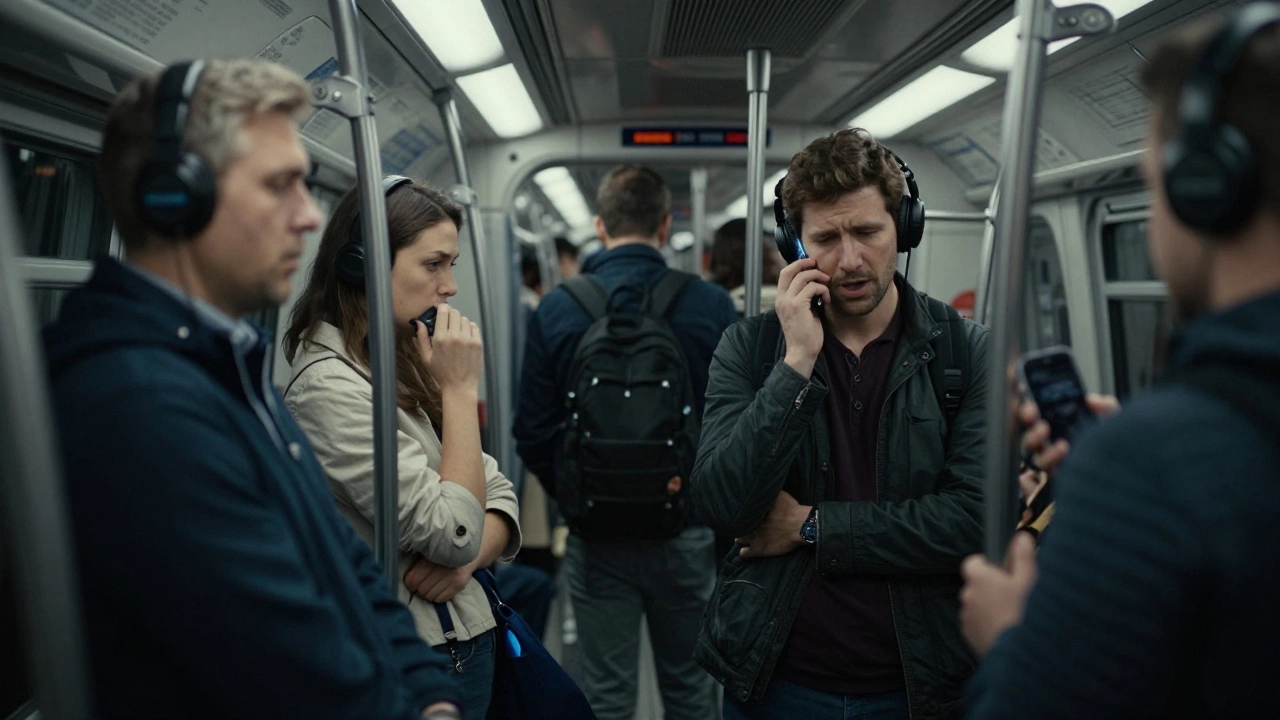
In the UK, quiet is respectful. On trains, buses, and even in libraries, speaking loudly on your phone or laughing too hard draws stares-not admiration. It’s not about being silent; it’s about keeping your voice low. A 2023 survey by the British Social Attitudes Survey found that 78% of respondents felt annoyed when strangers raised their voices in shared transport. This isn’t just politeness-it’s cultural wiring. In the UK, public space is treated like a shared living room. You don’t yell in your living room, so why do it on a bus?
Even in restaurants, speaking too loudly can be seen as rude. If you’re with a group, keep your conversation at a level where only your table can hear. Don’t assume that because you’re excited, everyone else wants to hear your story. The British value restraint. It’s not cold-it’s considerate.
Never Cut in Line
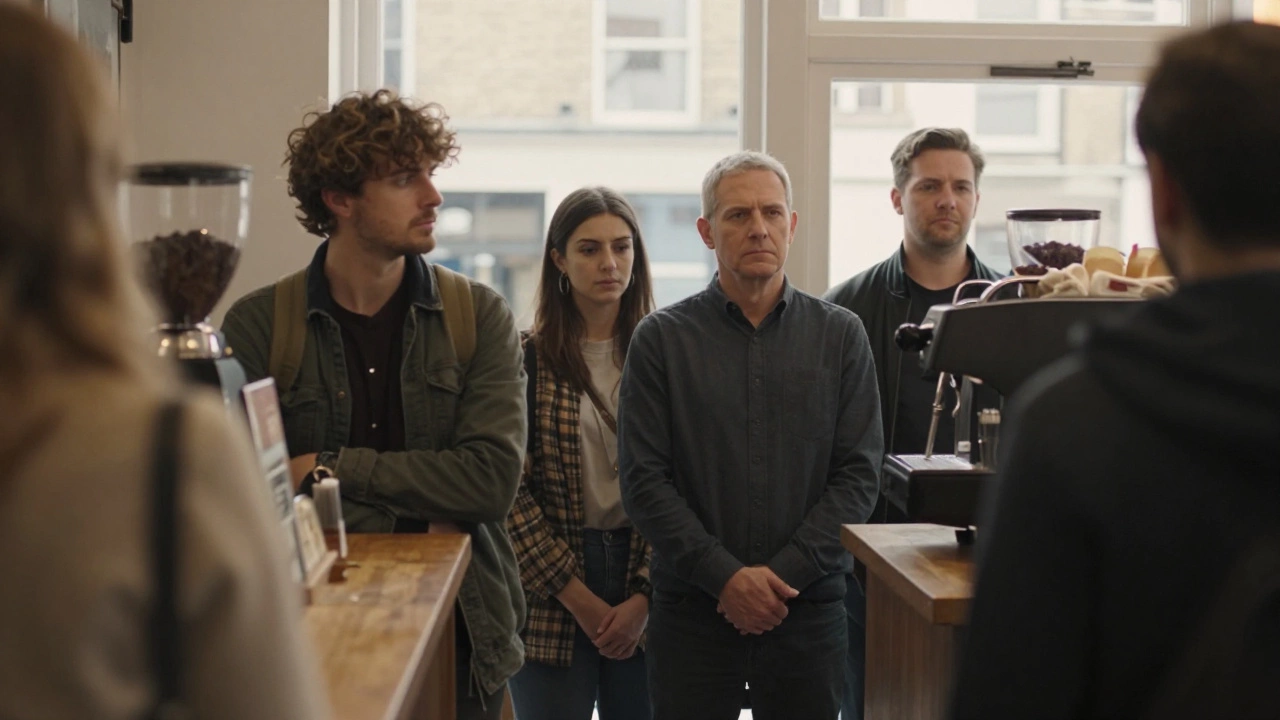
Queuing is sacred in the UK. It’s not just about fairness-it’s a social contract. If you try to jump ahead at a bus stop, in a supermarket, or even at a museum entrance, you’ll get looks. Not just one or two. A whole row of silent, disapproving stares. In 2024, a viral video showed a tourist trying to cut ahead at a London Underground ticket machine. Within seconds, three people stepped forward and said, “You can’t do that here.” No shouting. No anger. Just cold, firm correction.
Even if you’re in a hurry, wait. If you’re unsure where the line starts, look for where people are standing. If no one’s standing anywhere, stand back and wait. Someone will naturally form a line. Don’t guess. Don’t assume. Just wait. It’s the fastest way to get served.
Avoid Personal Questions Early On
Asking someone how much they earn, if they’re married, or why they don’t have kids? That’s not curiosity-it’s a red flag. Brits don’t share personal details with strangers, not even with coworkers they’ve known for years. Small talk is safe: weather, football, tea, the latest Netflix show. Anything deeper? Wait until trust is built.
One American traveler told me she asked her Airbnb host, “So, are you divorced?” within 10 minutes of meeting. The host smiled politely, handed her the keys, and never spoke to her again. That’s not extreme. That’s normal. Personal topics are reserved for close friends. In the UK, privacy isn’t secrecy-it’s dignity.
Don’t Be Overly Familiar with Strangers
Calling someone “mate” right away? Using their first name before being invited to? Saying “Hey love” to a shop assistant? These are all common in other countries, but in the UK, they’re often seen as invasive. “Mate” is for people you’ve known for years-not the barista who just handed you a latte.
Even compliments can backfire. Saying “You look amazing today!” to a stranger on the street might feel kind to you, but in the UK, it can feel like a boundary violation. A 2022 study by the University of Edinburgh found that 62% of British respondents felt uncomfortable when strangers gave unsolicited compliments about appearance. A simple “thank you” or “have a good day” is enough.
Don’t Ignore the “Please” and “Thank You” Rule
“Please” and “thank you” aren’t just polite words-they’re social glue. In the UK, skipping them feels like ignoring someone’s humanity. Ordering coffee? “Can I have a flat white, please?” Not “I’ll have a flat white.” Paying at a shop? “Thank you,” not just a nod. Even when someone does something small-holding a door, handing you a napkin-you say thank you.
One Canadian visitor told me she forgot to say “thank you” to a train conductor who helped her find her seat. He didn’t say anything. But he didn’t smile again the whole trip. That silence? That was the punishment. In the UK, politeness isn’t optional. It’s expected. And not saying it makes you seem dismissive.
Don’t Be Late-But Don’t Be Too Early Either
Being 5-10 minutes late to a social gathering is normal. Being 20 minutes late? That’s rude. But being 20 minutes early? That’s also awkward. The British ideal is to arrive right on time. Not before. Not after.
If you’re invited to someone’s home for dinner at 7 p.m., aim to ring the doorbell at 7:05. Showing up at 6:45? You’ll catch them still in aprons, half-finished with the meal, stressed and flustered. Showing up at 7:20? You’ll seem careless. In the UK, punctuality is a sign of respect-not just for time, but for the effort someone put into hosting you.
Don’t Refuse Tea
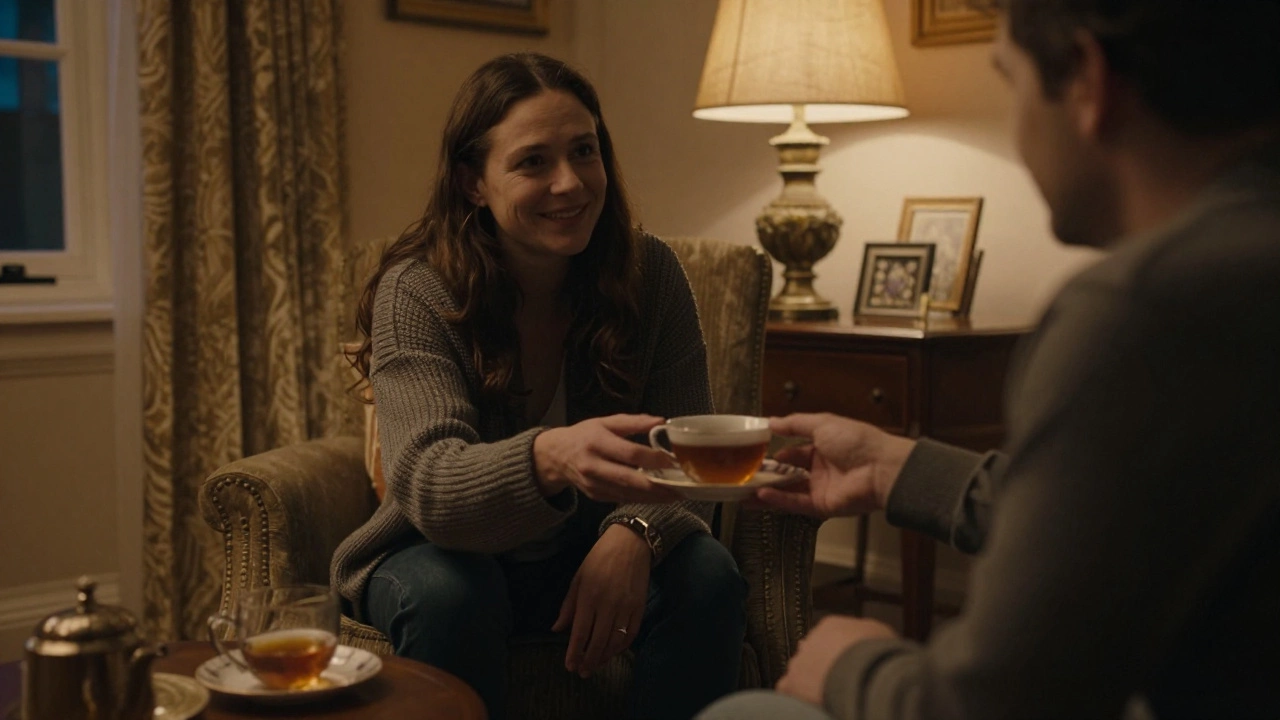
It’s not about the tea. It’s about the ritual. If someone offers you tea-especially in a home or office-you say yes. Even if you hate tea. Even if you just had coffee. Even if you’re not thirsty. Saying “no thanks” can feel like rejection. Instead, say, “Yes, please,” and take a sip. You don’t have to finish it. Just accept it.
Tea is a social tool. It’s how Brits say, “I care enough to pause and make you feel welcome.” Refusing it can feel like you’re shutting the door on connection. One Australian tourist told me she declined tea three times at a colleague’s house. The next day, no one spoke to her at lunch. She didn’t realize she’d broken an unspoken rule.
Don’t Talk About Money or Class
Asking about someone’s salary, house price, or car model? That’s a hard no. Even saying “You must be rich” because someone wears a nice coat? That’s offensive. The UK has a long history of class tension. Talking about money openly triggers discomfort-even if you mean no harm.
Instead, focus on shared experiences. “That’s a lovely garden you’ve got!” is safe. “How much did your house cost?” is not. Even talking about “where you’re from” can be tricky. Saying “You don’t sound British” might sound like a compliment to you, but it can imply the person doesn’t belong. Better to say, “Your accent is interesting-I’ve never heard that one before.”
Don’t Be Too Direct About Opinions
Brits don’t say “I hate that.” They say, “I’m not sure that’s my cup of tea.” They don’t say “That’s wrong.” They say, “I see it differently.” Softening opinions isn’t dishonesty-it’s harmony. Being blunt, even if truthful, can feel aggressive.
If you’re asked for your opinion on something-say, a new restaurant or a movie-don’t go straight to criticism. Start with something positive. “I liked the service, though the portions were a bit small.” That’s how you keep the peace. It’s not manipulation. It’s emotional intelligence.
Don’t Ignore the Silence
Brits are comfortable with silence. If you’re in a group and conversation lulls, don’t panic and jump in with a random topic. Let it breathe. Silence isn’t awkward-it’s normal. In fact, filling every pause with chatter can feel exhausting.
One American student in Manchester told me she felt pressured to keep talking during meals with her flatmates. She thought silence meant something was wrong. Turns out, they were just relaxed. She started pausing too. Within a week, she felt more at ease. The silence wasn’t empty. It was full of comfort.
Don’t Assume Everyone Knows Your Culture
Just because you’re used to hugging friends, tipping generously, or saying “I’m fine” when you’re not, doesn’t mean it’s normal here. The UK has its own rhythm. Your habits might feel natural to you-but they can feel strange or pushy to locals.
Watch how people behave. Copy their tone, their spacing, their pauses. Don’t try to impress. Try to blend. The best travelers aren’t the ones who talk the most. They’re the ones who listen quietly, observe carefully, and adapt gently.
Being polite in the UK isn’t about following rules. It’s about showing respect for space, silence, and subtlety. You don’t need to become British. You just need to be aware. And that’s enough.
Is it rude to not say thank you in the UK?
Yes, it’s considered rude. Saying "thank you" is a basic social expectation in the UK, even for small acts like someone holding a door or handing you a napkin. Skipping it can make you seem dismissive or ungrateful, even if you didn’t mean to offend.
Why do Brits avoid talking about money?
The UK has a long-standing class system, and talking about income, house prices, or possessions can trigger discomfort or judgment. Even if you mean no harm, such questions can feel invasive. It’s safer to focus on shared experiences rather than personal wealth.
Is it okay to call someone "mate" in the UK?
Only if you know the person well. Calling a stranger "mate"-like a shopkeeper or bus driver-can come off as overly familiar or condescending. It’s a term reserved for close friends or people you’ve known for years.
What should I do if I accidentally break a social rule?
A simple, sincere apology works. Say something like, "Sorry, I didn’t realize that was rude." Most Brits will appreciate the awareness and move on. The key is not to make a big deal out of it-just acknowledge it and adjust.
Is it rude to be late to a social event in the UK?
Being more than 10-15 minutes late is considered rude, especially for dinner or gatherings at someone’s home. However, being too early (more than 10 minutes) can also be awkward. Aim to arrive right on time-it shows respect for the host’s preparation.