Belly Fat Trigger Checker
Select the foods you have consumed in the last 24 hours to see how they impact your body's ability to store or burn belly fat.
Your Risk Score
That stubborn layer of fat around your midsection isn't just a cosmetic issue. It’s often a sign that something in your diet is throwing off your hormones. You’ve probably heard the advice to "eat less and move more," but if you’re already doing that and the scale won’t budge, the problem might be specific types of food triggering inflammation or insulin spikes.
Visceral fat-the deep abdominal fat that wraps around your organs-is metabolically active. It releases inflammatory markers and can increase your risk for heart disease and type 2 diabetes. The good news? It’s also the first fat to go when you fix your nutrition. But to do that, you need to know exactly what to stop eating. It’s not about starving yourself; it’s about removing the triggers that tell your body to store fat right there in the belly.
The Sugar Trap: Why Added Sugars Are the Enemy
If you had to pick one thing to eliminate, make it added sugar. When you consume sugar, especially fructose found in high-fructose corn syrup (HFCS), your liver processes it differently than glucose. Unlike other sugars, fructose goes straight to the liver, where it gets converted into fat-a process called lipogenesis. This fat tends to accumulate around your abdomen.
High-Fructose Corn Syrup is a liquid sweetener made from corn starch that is widely used in processed foods and sodas. It is cheaper than cane sugar and sweeter, which is why it ends up in everything from salad dressings to bread. Studies show that diets high in HFCS are directly linked to increased waist circumference.You don’t have to give up fruit. Whole fruits contain fiber, which slows down sugar absorption. The problem is liquid sugar and hidden sugar. Sodas, energy drinks, and even "healthy" flavored yogurts are packed with simple sugars that spike your insulin levels. High insulin tells your body to store fat and stop burning it. To lose belly fat, keep your insulin levels stable by avoiding sugary drinks and checking labels for ingredients like sucrose, dextrose, and maltose.
- Soda and Energy Drinks: A single can can contain 40 grams of sugar, equivalent to ten teaspoons.
- Fruit Juices: Even 100% juice lacks fiber, turning it into a sugar bomb similar to soda.
- Flavored Yogurts: Many brands add as much sugar as a dessert bar. Stick to plain Greek yogurt and add your own berries.
Refined Carbs: The White Bread Problem
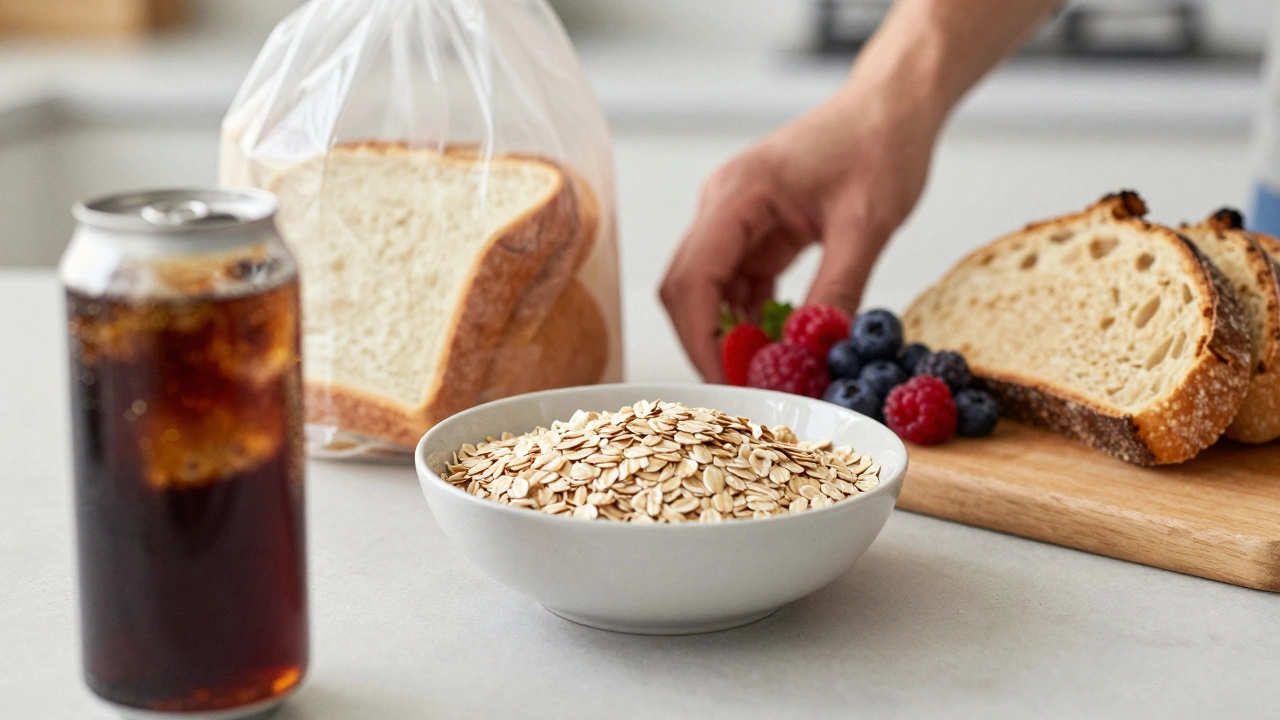
White bread, white rice, pasta, and pastries are stripped of their fiber and nutrients during processing. What’s left is pure starch that breaks down rapidly into glucose in your bloodstream. This causes a rapid spike in blood sugar and insulin, followed by a crash that leaves you hungry again an hour later.
This cycle of spikes and crashes keeps you in a state of constant hunger and cravings, making it nearly impossible to maintain a calorie deficit. Moreover, refined carbs lack the satiety signals that whole foods provide. When you eat whole grains like quinoa, oats, or brown rice, the fiber slows digestion, keeping you full longer and preventing those insulin spikes that promote belly fat storage.
| Food Type | Fiber Content | Glycemic Index | Effect on Insulin |
|---|---|---|---|
| White Bread | Low | High (70+) | Rapid Spike |
| Whole Wheat Bread | Moderate | Medium (50-60) | Moderate Rise |
| Oats (Rolled) | High | Low (55) | Stable Levels |
Swap your daily bagel for a slice of sourdough or rye bread, which has a lower glycemic impact due to fermentation. Replace white rice with cauliflower rice or black beans for dinner. These small swaps reduce the overall glycemic load of your diet, helping your body shift from fat storage to fat burning.
Trans Fats: The Inflammation Trigger
While many countries have banned artificial trans fats, they still lurk in some processed foods under names like "partially hydrogenated oils." Trans fats are unique because they not only add calories but also actively promote inflammation in the body. Chronic inflammation is a key driver of visceral fat accumulation.
Partially Hydrogenated Oils are fats created by adding hydrogen to liquid vegetable oil to make them solid at room temperature. They were once popular for extending shelf life but are now known to raise bad LDL cholesterol and lower good HDL cholesterol.Research indicates that people who consume higher amounts of trans fats tend to have larger waistlines, even after controlling for total calorie intake. The mechanism involves oxidative stress and mitochondrial dysfunction, essentially breaking down your body’s ability to burn fat efficiently. Avoid fried foods, commercial baked goods like pie crusts and cookies, and non-dairy creamers. Read ingredient lists carefully-if you see "partially hydrogenated," put it back on the shelf.
Alcohol: The Empty Calorie Culprit
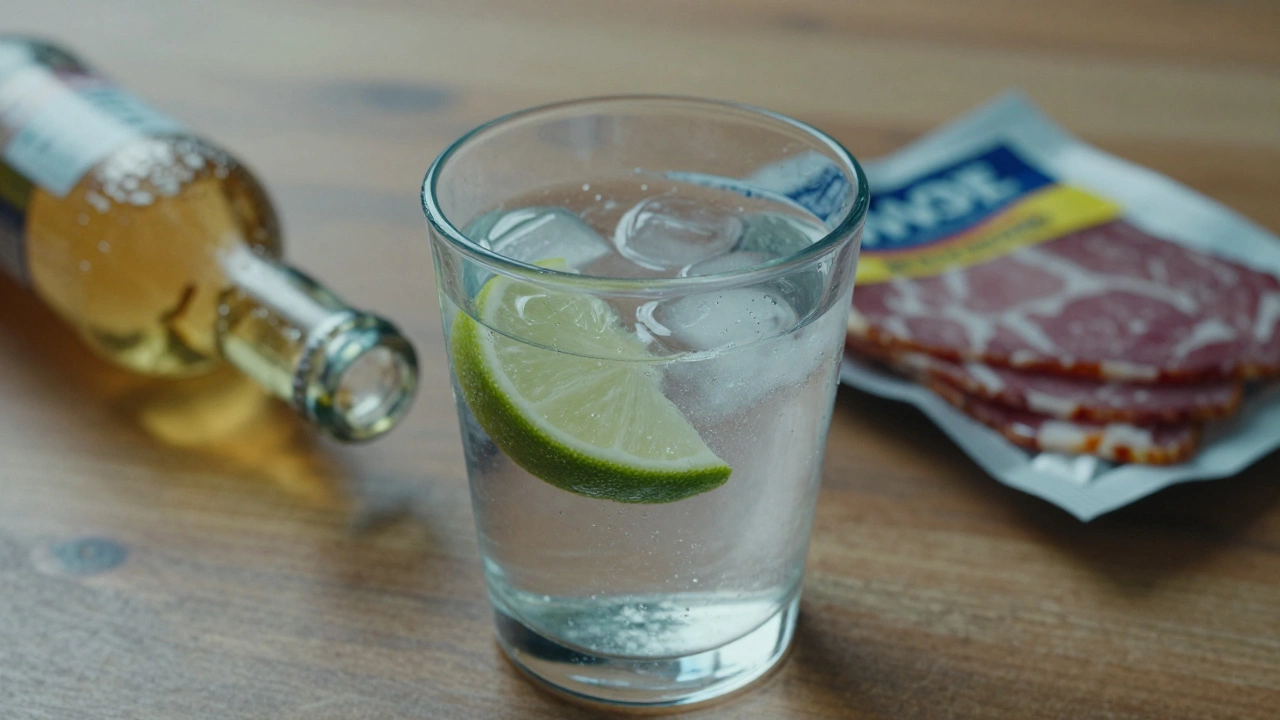
Alcohol is a major contributor to "beer belly" for several reasons. First, alcohol contains empty calories-calories with no nutritional value. Second, your body prioritizes metabolizing alcohol over burning fat. When you drink, your liver works overtime to break down the ethanol, pausing the oxidation of fatty acids. This means any food you eat while drinking is more likely to be stored as fat.
Moreover, alcohol affects decision-making. After a few drinks, inhibitions drop, leading to late-night snacking on high-calorie, low-nutrient foods. Beer, in particular, is high in carbohydrates and can cause bloating, making your stomach look bigger temporarily. While moderate red wine consumption has been linked to heart health benefits, excessive intake negates these effects and promotes abdominal fat. If you want to lose belly fat, consider limiting alcohol to special occasions or switching to light options like vodka with soda water and lime.
Processed Meats: More Than Just Salt
Bacon, sausages, hot dogs, and deli meats are convenient, but they come with a heavy metabolic cost. These foods are typically high in sodium, saturated fats, and preservatives like nitrates. High sodium intake leads to water retention, which can cause bloating and make your midsection appear puffier.
More concerning is the link between processed meats and chronic inflammation. Nitrates can form nitrosamines in the body, compounds associated with cellular damage and inflammation. Studies have shown a correlation between high consumption of processed meats and increased visceral fat. Instead of relying on bacon for flavor, try using spices like smoked paprika, cumin, or garlic powder. Opt for lean proteins like chicken breast, turkey, fish, or plant-based options like lentils and tofu, which support muscle maintenance without the inflammatory baggage.
Dietary Fats: Not All Fats Are Created Equal
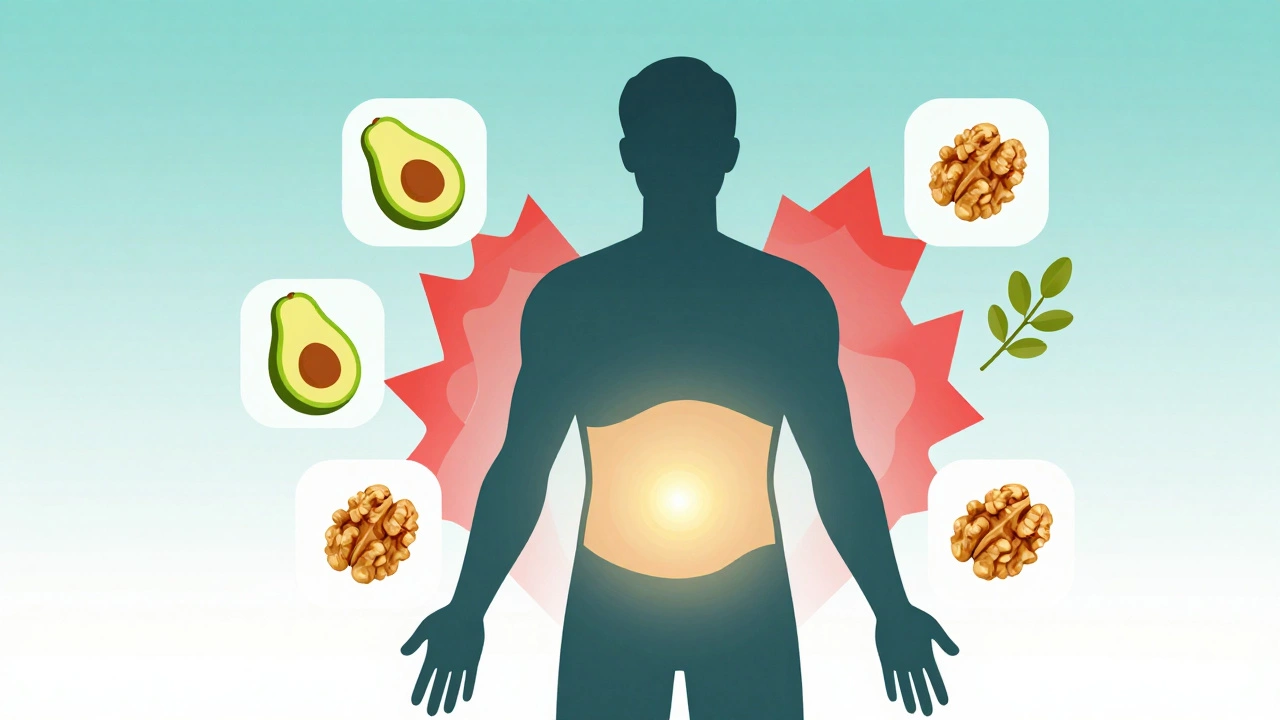
It’s time to debunk the myth that all fat makes you fat. Healthy fats, such as those found in avocados, nuts, seeds, and olive oil, are essential for hormone production and satiety. However, certain fats should be limited if you’re targeting belly fat.
Saturated fats from animal sources like fatty cuts of beef, butter, and cheese can contribute to weight gain if consumed in excess. While recent research suggests saturated fat isn’t as demonized as once thought, replacing it with unsaturated fats still shows benefits for waist circumference. Focus on monounsaturated and polyunsaturated fats. For example, swap butter for avocado oil when cooking, and replace creamy sauces with hummus or guacamole. These fats keep you fuller longer and support metabolic health.
Practical Steps to Clean Up Your Diet
Making these changes doesn’t mean you need to overhaul your life overnight. Start by identifying the biggest offenders in your current diet. Do you drink soda every day? Do you snack on chips in the evening? Tackle one habit at a time.
- Audit Your Pantry: Remove obvious triggers like candy bars, cookies, and sugary cereals. Out of sight, out of mind.
- Read Labels: Look for hidden sugars and trans fats. If the ingredient list is long and unpronounceable, it’s probably not helping your waistline.
- Plan Meals: Prepare meals rich in protein and fiber to prevent impulsive snacking. A meal with grilled chicken, quinoa, and roasted vegetables is satisfying and nutrient-dense.
- Stay Hydrated: Sometimes thirst mimics hunger. Drink water before meals to help control portion sizes.
Remember, losing belly fat is a marathon, not a sprint. Consistency beats perfection. By cutting out these specific foods, you’re not just reducing calories; you’re improving your metabolic health, reducing inflammation, and giving your body the best chance to shed that stubborn visceral fat.
Can I eat fruit if I want to lose belly fat?
Yes, absolutely. Whole fruits contain fiber, vitamins, and antioxidants that support weight loss. The fiber slows down sugar absorption, preventing insulin spikes. Avoid fruit juices and dried fruits with added sugar, as these lack fiber and can act like candy.
Is it true that I shouldn't eat carbs to lose belly fat?
Not necessarily. You don't need to eliminate all carbs, but you should focus on complex carbohydrates like vegetables, legumes, and whole grains. Refined carbs like white bread and sugar should be minimized because they spike insulin and promote fat storage.
How much alcohol is too much for belly fat?
There's no magic number, but moderation is key. For men, this means up to two drinks per day, and for women, up to one. However, if you're struggling to lose belly fat, consider taking a break from alcohol entirely for a few weeks to reset your metabolism and reduce calorie intake.
Do trans fats really cause belly fat specifically?
Yes, studies suggest a strong link between trans fat consumption and visceral fat accumulation. Trans fats promote inflammation and oxidative stress, which disrupt normal fat metabolism and lead to storage around the abdominal organs.
Can exercise alone help me lose belly fat if I keep eating these foods?
Exercise helps build muscle and improve cardiovascular health, but it's hard to out-train a bad diet. If you continue to consume high amounts of sugar, refined carbs, and trans fats, your body will remain in a state of inflammation and insulin resistance, making it difficult to lose belly fat regardless of how much you work out.