
Perfect Plate Builder & Nutrition Analyzer
Build Your Meal
50%
25%
25%
Nutrition Score
Based on balance and completeness
- Add ingredients to see specific health tips.
Stop scrolling through Instagram for that one photo of a salad that looks like it was styled by an artist but tastes like cardboard. You are looking for the perfect healthiest meal, and the truth is, there isn't just one specific dish that holds this title. Instead, the perfect meal is a formula-a reliable blueprint you can use every single day to fuel your body without obsessing over calorie counting or restrictive diets.
We often think of "healthy" as a punishment: bland steamed broccoli and dry chicken breast. But real nutrition is about energy, stability, and satisfaction. When you get the components right, food becomes medicine that keeps your blood sugar stable, your mind sharp, and your gut happy. This guide breaks down exactly what goes into that ideal plate, why each element matters, and how to build it quickly in your own kitchen.
The Anatomy of the Ideal Plate
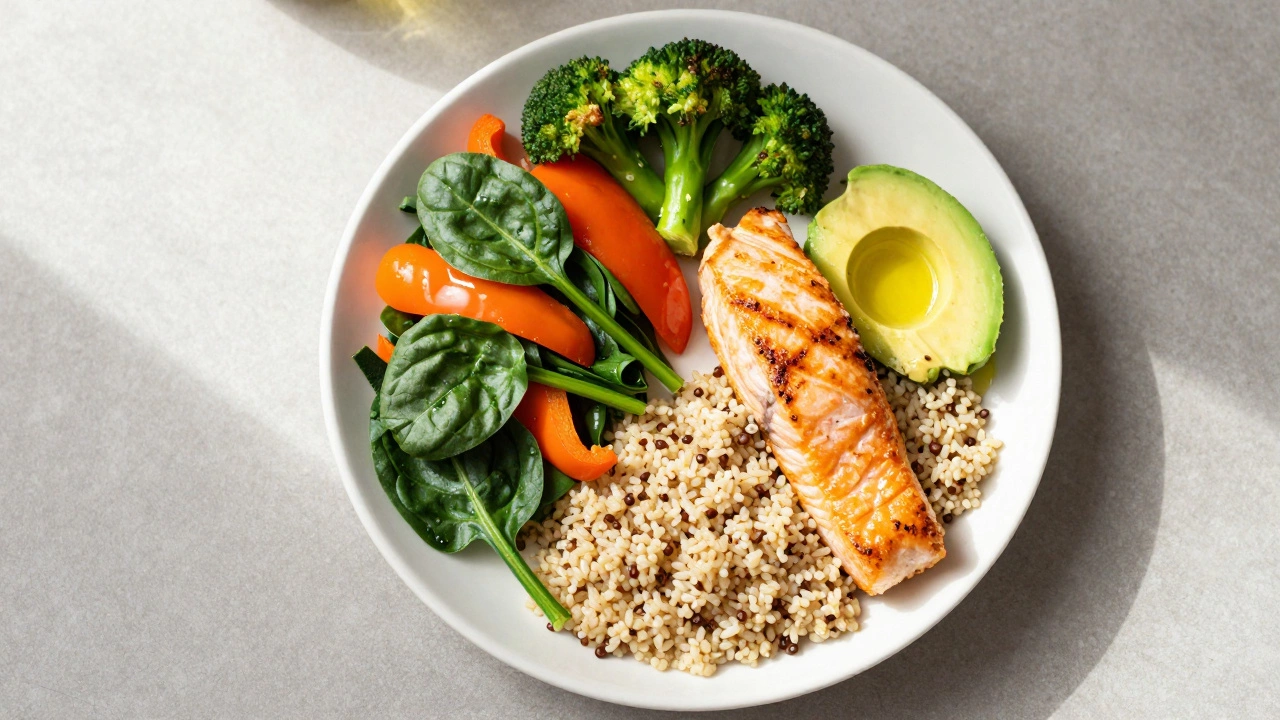
To understand what makes a meal "perfect," we need to look at structure rather than recipes. Imagine your dinner plate divided into four sections. This visual cue helps you balance macronutrients-the fats, proteins, and carbohydrates that drive your metabolism-without needing a calculator.
First, fill half your plate with non-starchy vegetables. These are the volume eaters: spinach, kale, zucchini, bell peppers, and cauliflower. They provide fiber, which slows down digestion and prevents those mid-afternoon crashes. Fiber also feeds the beneficial bacteria in your gut, which recent research links directly to mental health and immune function. If you aren't eating enough greens, you are missing out on the micronutrients that keep your cells functioning efficiently.
Next, take up one-quarter of the plate with high-quality protein. Protein is the anchor of any healthy meal. It promotes satiety, meaning you feel full longer, and it preserves muscle mass, which is crucial for maintaining a fast metabolism as you age. Good sources include lean meats like turkey or chicken, fatty fish like salmon, plant-based options like lentils or tofu, and eggs. The key here is variety; rotating your protein sources ensures you get a broad spectrum of amino acids.
The remaining quarter should be dedicated to complex carbohydrates. Carbs have gotten a bad rap, but they are essential brain fuel. The trick is choosing slow-digesting carbs that don't spike your insulin levels. Think sweet potatoes, quinoa, brown rice, oats, or farro. These foods release energy gradually, giving you sustained focus throughout the day rather than a quick burst followed by a slump.
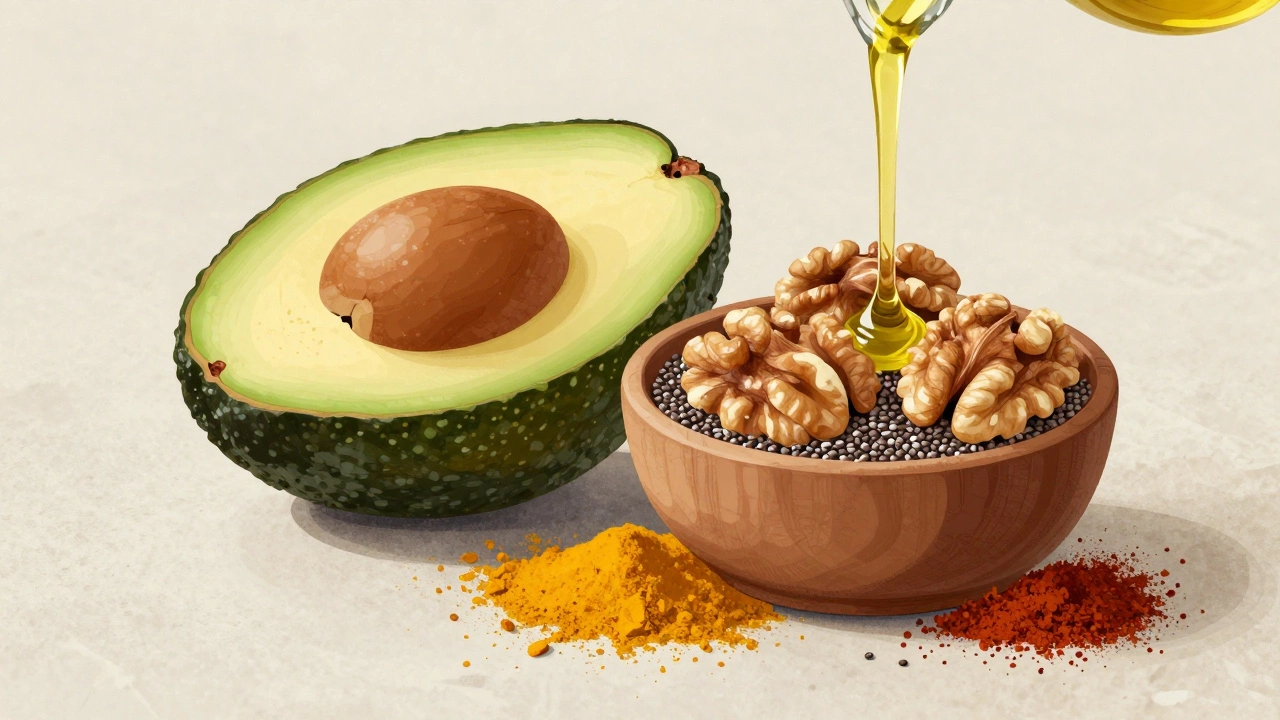
Finally, add a thumb-sized portion of healthy fats. Fats are necessary for hormone production and nutrient absorption. Without fat, your body cannot absorb vitamins A, D, E, and K, which are found in many vegetables. Avocados, olive oil, nuts, seeds, and coconut oil are excellent choices. A drizzle of extra virgin olive oil over your veggies not only adds flavor but also boosts the bioavailability of antioxidants.
Why Timing and Consistency Matter More Than Perfection
You might wonder if the order in which you eat these components changes anything. Surprisingly, yes. Studies suggest that eating your vegetables first, followed by protein and fats, and finishing with carbohydrates can significantly blunt the post-meal glucose spike. This simple habit can improve metabolic health over time, reducing the risk of type 2 diabetes and heart disease.
Consistency beats intensity. Eating a "perfect" meal once a week while neglecting the other six days won't yield results. Aim for 80% consistency. On those 20% of occasions where you grab fast food or indulge in dessert, don't spiral into guilt. Just return to the balanced plate formula at your next meal. Your body is resilient and adapts to patterns, not isolated incidents.
| Component | Portion Size | Primary Function | Top Examples |
|---|---|---|---|
| Non-Starchy Vegetables | 50% of plate | Fiber, Micronutrients, Volume | Broccoli, Spinach, Peppers, Asparagus |
| Lean Protein | 25% of plate | Satiety, Muscle Repair | Salmon, Chicken Breast, Tofu, Lentils |
| Complex Carbohydrates | 25% of plate | Sustained Energy | Quinoa, Sweet Potato, Brown Rice, Oats |
| Healthy Fats | 1-2 tbsp | Hormone Health, Nutrient Absorption | Olive Oil, Avocado, Walnuts, Chia Seeds |
Common Pitfalls That Sabotage Healthy Meals
Even when people try to eat well, they often fall into traps that undermine their efforts. One major mistake is relying too heavily on processed "health" foods. Granola bars, flavored yogurts, and pre-packaged smoothies often contain hidden sugars and artificial additives that trigger inflammation. Always check the ingredient list; if you can't pronounce half the items, your body probably struggles to process them.
Another common error is skimping on calories. Many people, especially women, drastically cut portions thinking it will lead to weight loss. However, undereating slows down your metabolism and increases cortisol, the stress hormone. This leads to water retention and muscle loss, making you feel sluggish and look softer, not leaner. The perfect healthiest meal must be substantial enough to nourish your body fully.
Liquid calories are another silent saboteur. Sugary lattes, fruit juices, and sodas provide empty calories that don't satisfy hunger. They spike blood sugar rapidly and leave you craving more solid food shortly after. Stick to water, herbal tea, or black coffee alongside your meals to aid digestion and maintain hydration.
Building Realistic Recipes for Busy Lives
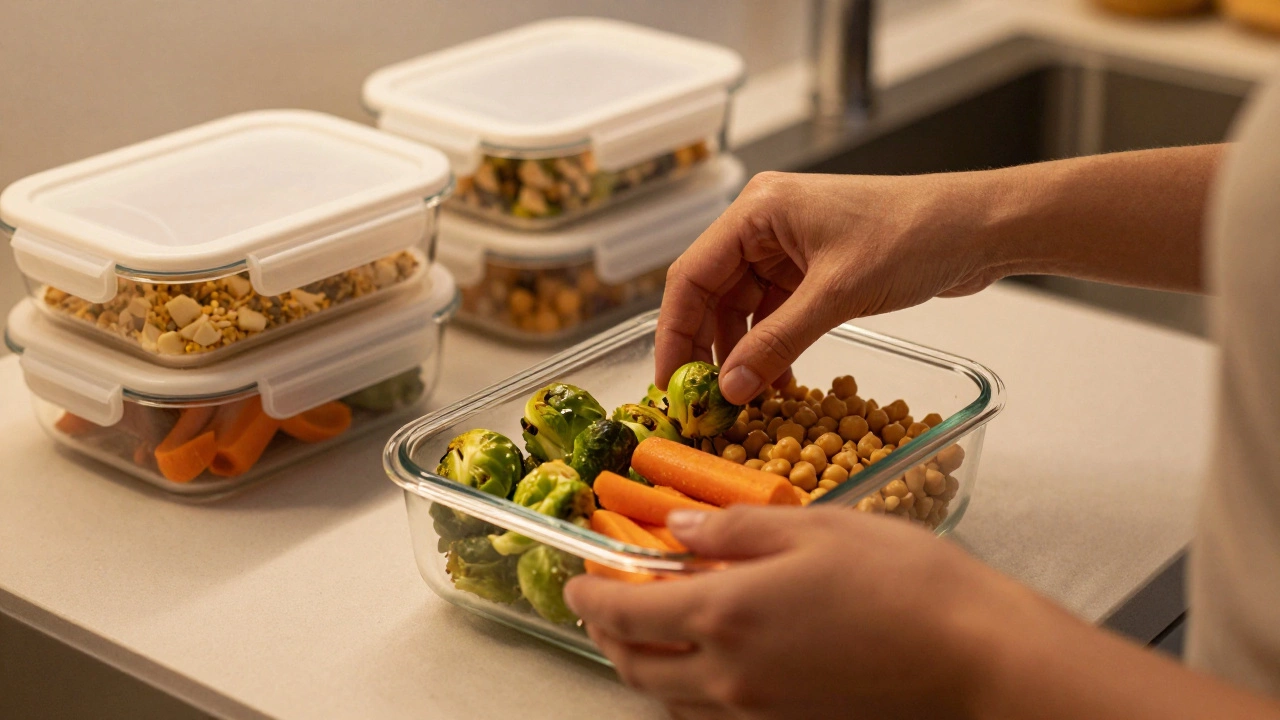
The theory is great, but how do you execute this when you're exhausted after work? Meal prep doesn't have to mean cooking six identical containers of chicken and rice. Focus on modular ingredients that can be mixed and matched.
Start with a base of roasted vegetables. Throw broccoli, carrots, and Brussels sprouts on a baking sheet with olive oil and roast them at 400°F (200°C) for 20 minutes. While those cook, boil a batch of quinoa or brown rice. For protein, grill two chicken breasts or bake a block of firm tofu with soy sauce and ginger. Store these components separately in glass containers. Throughout the week, assemble different bowls: mix the roasted veggies with quinoa and chickpeas for a vegan option, or combine them with chicken and avocado for a higher-protein lunch.
If you prefer hot meals, stir-fries are incredibly efficient. Sauté garlic and ginger in a wok, add your choice of protein, then toss in frozen mixed vegetables (which retain most nutrients if flash-frozen properly). Finish with a sauce made from low-sodium soy sauce, sesame oil, and a touch of honey or maple syrup. Serve over cauliflower rice for a lower-carb option or brown rice for sustained energy.
Breakfast is equally important. Skip the sugary cereal. Opt for overnight oats made with rolled oats, chia seeds, unsweetened almond milk, and fresh berries. Top with a handful of almonds for crunch and healthy fats. This meal takes five minutes to prepare the night before and provides steady energy until lunchtime.
Listening to Your Body's Unique Needs
While the plate model works for most people, individual needs vary based on activity level, age, and health conditions. Athletes may require a larger carbohydrate portion to replenish glycogen stores. Older adults might need increased protein intake to combat sarcopenia, the natural loss of muscle mass associated with aging. Pregnant women have higher caloric and nutrient demands, particularly for folate and iron.
Paid attention to how you feel after eating. Do you experience bloating, fatigue, or brain fog? These are signals that something in your meal isn't agreeing with your system. Perhaps you are sensitive to dairy, or maybe you are eating too much raw food and need more cooked, easily digestible options. Keep a simple food journal for a week to identify patterns. Elimination isn't always necessary, but awareness is powerful.
Hydration plays a critical role in digestion and nutrient transport. Sometimes thirst mimics hunger. Drink a large glass of water 30 minutes before your meal to aid digestion and prevent overeating. Herbal teas like peppermint or ginger can also soothe the digestive tract after heavy meals.
Making Sustainable Changes Last
Adopting a healthier way of eating isn't about restricting yourself forever. It's about expanding your palate and discovering new flavors. Experiment with spices like cumin, turmeric, paprika, and cinnamon. These not only enhance taste but also offer anti-inflammatory benefits. Turmeric, for example, contains curcumin, which has been studied for its potential to reduce inflammation and improve brain function.
Involve others in the process. Cooking together makes the experience enjoyable and social. Share your discoveries with friends and family. When healthy eating becomes a shared value rather than a solitary struggle, it becomes easier to maintain. Plan weekly grocery trips focused on whole foods, creating a home environment where the healthy choice is the easiest choice.
Remember, the goal is progress, not perfection. Some days will be better than others. Missed a meal? Ate out? No problem. Just reset at the next opportunity. The perfect healthiest meal is not a destination; it's a daily practice of caring for your body with respect and intention.
Is there really one "perfect" healthy meal?
No single dish is universally perfect for everyone. The concept of a "perfect" meal refers to a balanced combination of macronutrients and micronutrients tailored to your individual needs. A balanced plate typically includes half non-starchy vegetables, one-quarter lean protein, one-quarter complex carbohydrates, and a moderate amount of healthy fats. This structure supports stable energy levels, satiety, and long-term health.
Can I lose weight by following this meal structure?
Yes, this approach naturally supports weight management. By prioritizing fiber-rich vegetables and lean proteins, you increase satiety, which reduces overall calorie intake without feeling deprived. Complex carbohydrates provide sustained energy, preventing the cravings that often lead to overeating. However, weight loss also depends on total caloric balance and physical activity levels.
How important is meal timing for health?
Meal timing can influence blood sugar stability and metabolic health. Eating vegetables and proteins before carbohydrates can help mitigate post-meal glucose spikes. Consistent meal times also regulate circadian rhythms, improving sleep quality and digestion. However, the quality of food is generally more impactful than precise timing for most people.
What are the best healthy fats to include in my meals?
Focus on unsaturated fats such as those found in avocados, olive oil, nuts (walnuts, almonds), seeds (chia, flaxseed), and fatty fish like salmon. These fats support heart health, brain function, and hormone production. Limit saturated fats from processed meats and avoid trans fats entirely, as they contribute to inflammation and cardiovascular issues.
Is it okay to eat processed foods occasionally?
Yes, occasional consumption of processed foods is fine within a balanced diet. The key is moderation and awareness. Relying primarily on whole, unprocessed foods ensures you receive adequate nutrients and fiber. Occasional treats can fit into a healthy lifestyle without derailing your progress, provided they don't become the norm.