7-Day De-Bloat & Reset Calculator
Your Personalized Plan
Sample Daily Menu
| Meal | Recommendation |
|---|
Let’s be honest: you don’t actually want to lose five pounds of pure body fat in seven days. That would require burning roughly 17,500 calories more than you eat-a physical impossibility for almost anyone without extreme medical intervention. What you *can* do, and what most people mean when they ask this question, is drop 3 to 5 pounds of water weight, bloating, and digestive waste while losing a small amount of actual fat. This creates that lighter, less puffy feeling we all crave before a big event or just to reset our habits.
The secret isn't starvation. Starvation slows your metabolism and makes you hangry. The secret is strategic reduction of sodium and refined carbs, combined with high-volume, low-calorie foods that keep you full. I’ve tested countless approaches from my kitchen in Sydney, and the method below is the only one that doesn’t leave you exhausted or craving junk by Wednesday.
Understanding the Science Behind Rapid Weight Loss
To lose weight quickly, you need to understand where the scale numbers come from. Most of the "weight" you see on the scale fluctuates daily based on three things: food volume in your gut, glycogen stores (carbs stored in muscles), and water retention.
Every gram of glycogen holds about three grams of water. When you cut back on refined sugars and heavy carbohydrates, your body burns through its glycogen stores. As it does, that trapped water flushes out. This is why low-carb diets often show dramatic results in the first week. It’s not magic; it’s chemistry. By reducing sodium intake simultaneously, you prevent your body from holding onto extra fluid. The goal here is to create a clean, lean look by reducing bloat, not to strip away muscle mass.
Is losing 5 pounds in a week healthy?
Losing 5 pounds of total weight (mostly water) in a week is generally safe for short periods if you stay hydrated and eat nutrient-dense foods. However, losing 5 pounds of pure fat in a week is not possible or healthy. Sustainable fat loss is typically 1-2 pounds per week.
The 7-Day Nutrition Strategy
Your diet for the next seven days needs to focus on whole, unprocessed foods. Processed foods are loaded with hidden sodium and preservatives that cause inflammation and water retention. We’re going to switch to a high-protein, moderate-fat, low-carb approach. This keeps your blood sugar stable and prevents energy crashes.
Protein is your best friend. Aim for lean sources like chicken breast, white fish (cod or tilapia), tofu, or egg whites. Protein has a high thermic effect, meaning your body burns more calories digesting it compared to fats or carbs. Plus, it keeps you fuller for longer.
Fiber is your second best friend. Non-starchy vegetables like spinach, kale, zucchini, and broccoli are low in calories but high in volume. You can eat massive portions of these without breaking your calorie limit. They also aid digestion, helping to clear out old waste from your system.
Avoid these completely for the next week:
- Sugary drinks (soda, juice, sweetened coffee)
- Alcohol (it stops fat burning and causes dehydration/bloating)
- Refined carbs (white bread, pasta, pastries)
- High-sodium sauces (soy sauce, ketchup, salad dressings)
Sample Daily Menu: Simple & Effective
You don’t need complicated recipes. In fact, simple meals reduce the chance of accidental overeating. Here is a template you can repeat or mix and match for the week.
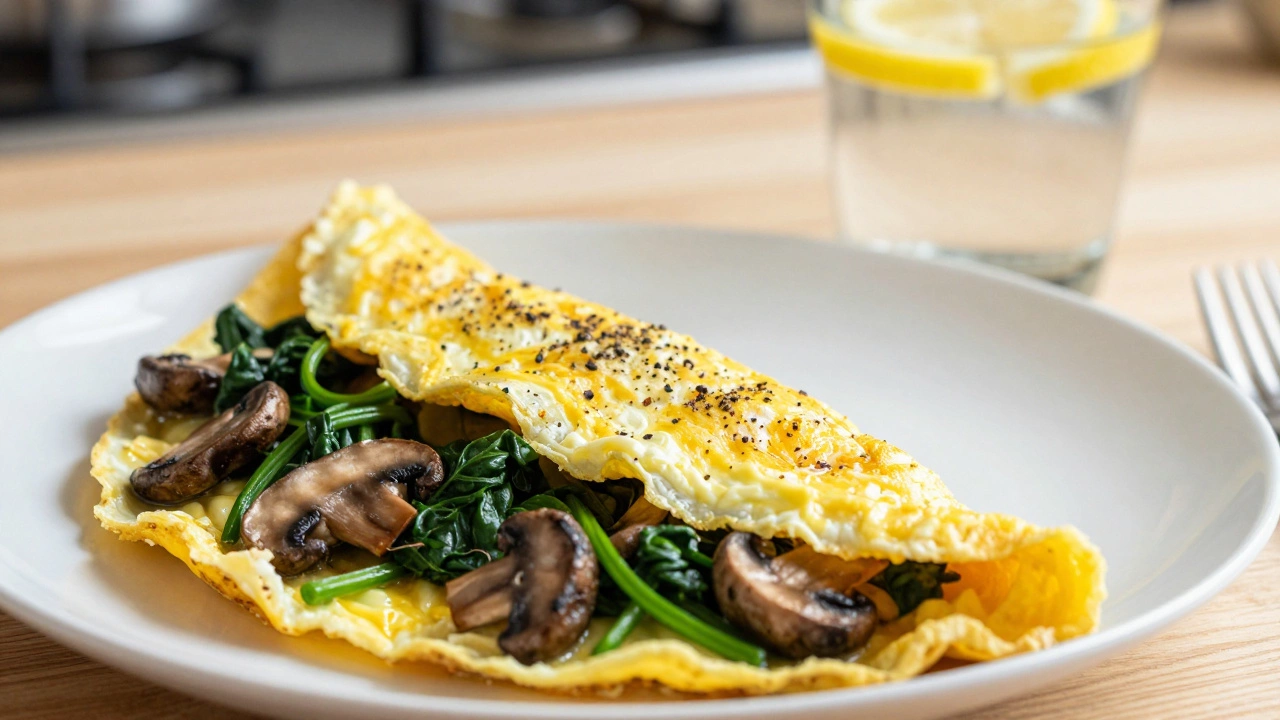
Breakfast: A large omelet made with two eggs and one cup of spinach or mushrooms. Cook it with a spray of olive oil or a tiny pat of butter. Add black pepper and herbs instead of salt.
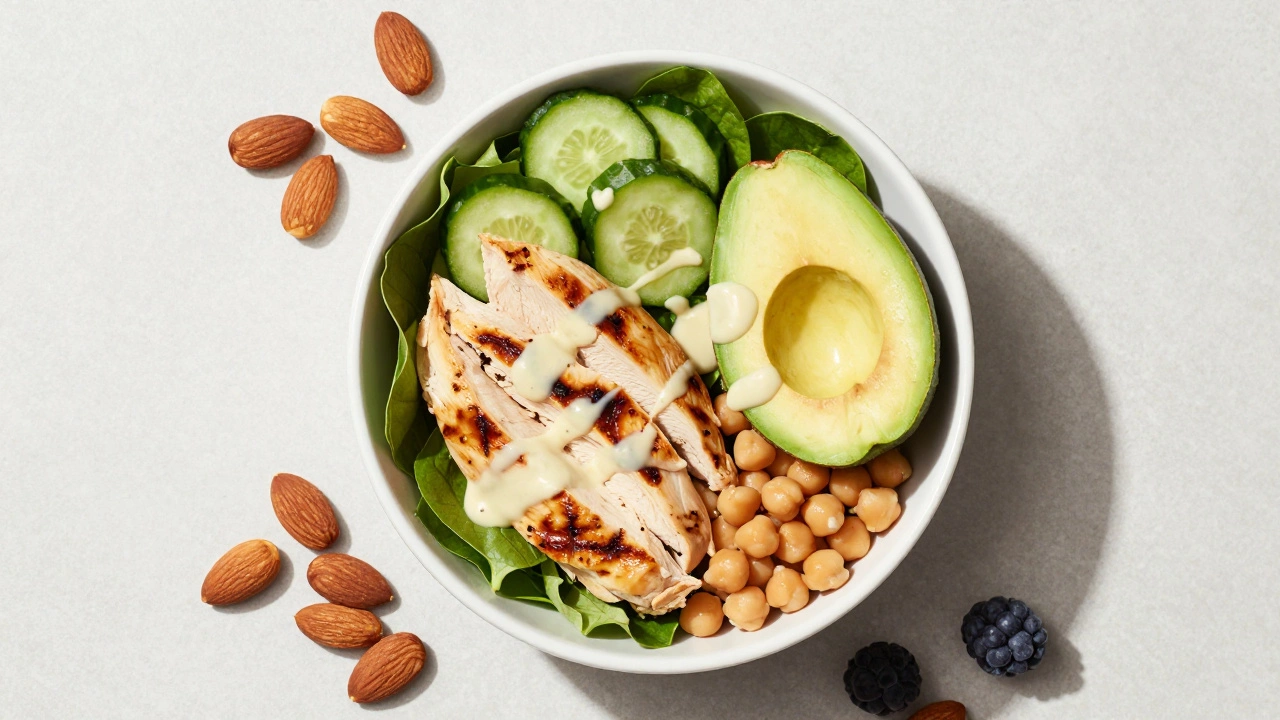
Lunch: A "power bowl" with grilled chicken breast or chickpeas, half an avocado, mixed greens, cucumber slices, and a lemon-tahini dressing. The healthy fats from the avocado keep you satisfied until dinner.
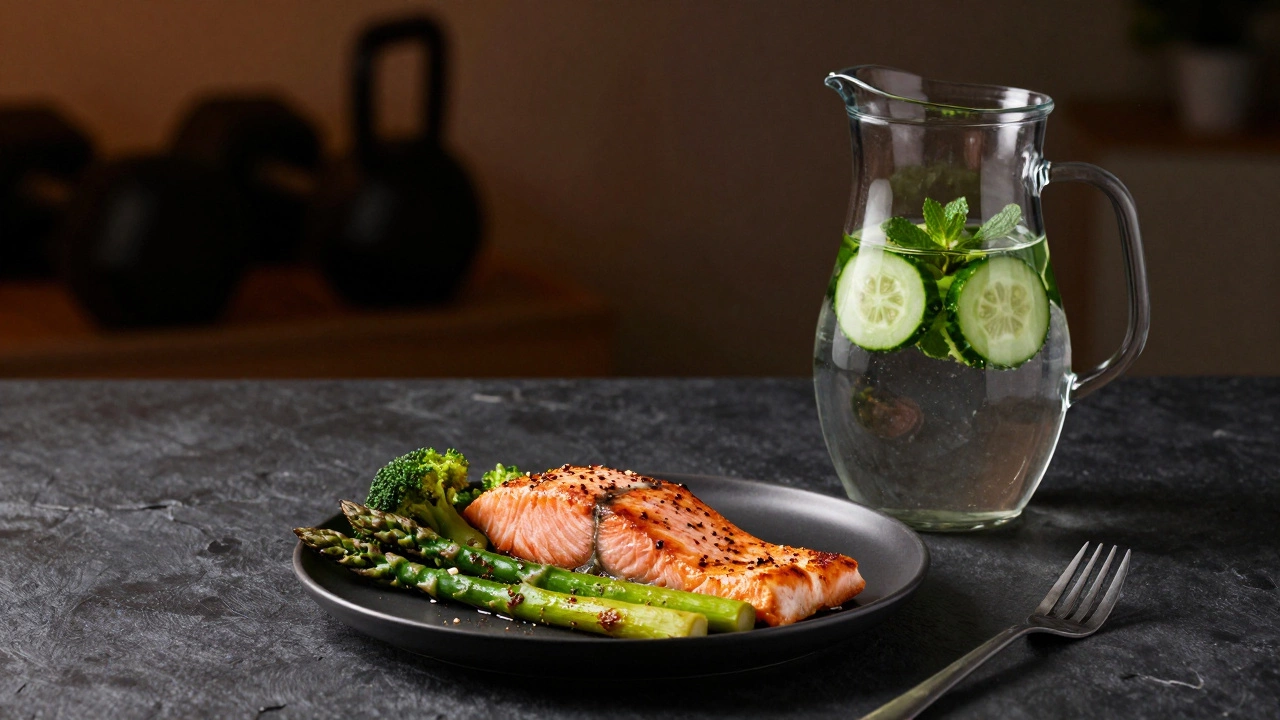
Dinner: Baked salmon or white fish with roasted asparagus or broccoli. Season with garlic powder, paprika, and lemon juice. Keep the portion of protein to about the size of your palm.
Snacks (only if hungry): A handful of almonds (about 10-12 nuts), a piece of fruit like an apple or berries, or Greek yogurt with no added sugar.
Hydration: The Counterintuitive Truth
It sounds backwards, but to lose water weight, you must drink *more* water. When you are dehydrated, your body hoards every drop it can find, leading to puffiness. By drinking plenty of water, you signal to your body that it’s safe to release stored fluids.
Aim for at least 2 to 3 liters of water a day. Start your morning with a large glass of warm water with lemon. This kickstarts your metabolism and aids digestion. If plain water bores you, add cucumber slices, mint leaves, or a splash of lime. Avoid sugary electrolyte drinks unless you are doing intense exercise, as the sugar will spike your insulin and halt fat burning.
Movement: Burn Calories Without Exhaustion
You don’t need to run a marathon to lose weight in a week. In fact, excessive cardio can increase cortisol (stress hormone), which leads to water retention. Instead, focus on two types of movement:
Walking: Try to hit 10,000 steps a day. Walking is low-impact and burns fat directly without spiking hunger hormones too much. Take a 30-minute walk after lunch and another after dinner. This helps regulate blood sugar levels.
Strength Training: Do 20 minutes of bodyweight exercises twice a week. Squats, lunges, push-ups, and planks engage large muscle groups. Building or maintaining muscle ensures that the weight you lose comes from fat and water, not muscle tissue.
| Method | Speed | Sustainability | Side Effects |
|---|---|---|---|
| Crash Dieting | Very Fast | Poor | Hangry, fatigue, muscle loss |
| Low-Sodium/Low-Carb | Fast (Water + Fat) | Good | Minimal, some initial headache |
| Cardio Only | Slow | Moderate | Joint stress, increased hunger |
Common Pitfalls to Avoid
Even with the right plan, small mistakes can derail your progress. Watch out for these traps:
Hidden Sodium: Check labels on everything. Canned soups, deli meats, and even some breads have high sodium content. Stick to fresh ingredients whenever possible. If you buy canned beans, rinse them thoroughly under water to remove excess salt.
Skipping Meals: Skipping breakfast or lunch often leads to binge eating at dinner. Your body needs consistent fuel to keep your metabolism running efficiently. Eat regular, smaller meals instead of two huge ones.
Ignoring Sleep: Lack of sleep increases ghrelin (the hunger hormone) and decreases leptin (the fullness hormone). If you sleep less than 7 hours, you’ll crave sugary, salty comfort foods. Prioritize getting 7-8 hours of quality sleep each night.
What Happens After the Week?
Once the seven days are up, you might see the scale go up slightly. Don’t panic. This is normal. As you reintroduce normal carb levels, your glycogen stores refill, and they bring water with them. The key is not to return to your old habits overnight.
Transition slowly. Add back complex carbs like sweet potatoes, quinoa, and oats. Continue to prioritize protein and vegetables. Use this week as a reset button rather than a permanent solution. Consistent, healthy eating habits over months yield far better results than any quick fix.
Can I lose 5 pounds in a week without exercise?
Yes, you can lose significant water weight and some fat through diet alone. However, adding light exercise like walking will help preserve muscle mass and improve mood, making the process easier.
Why am I not losing weight despite eating less?
This could be due to water retention from high sodium intake, lack of sleep, or stress. It may also be because you are underestimating portion sizes. Track your food intake honestly and ensure you are drinking enough water.
Are there specific foods that boost metabolism?
No single food dramatically boosts metabolism, but protein-rich foods have a higher thermic effect. Spicy foods with capsaicin may slightly increase calorie burn, but the effect is minimal compared to overall diet and activity levels.
Is intermittent fasting effective for rapid weight loss?
Intermittent fasting can help control calorie intake and reduce insulin levels, aiding fat loss. However, it is not inherently superior to other methods if total calorie intake is the same. Choose the method that fits your lifestyle best.
Will I regain the weight immediately after?
You may regain some water weight as you reintroduce carbs and sodium. To minimize fat regain, transition gradually to a balanced diet rich in whole foods and maintain regular physical activity.