Millennial Minimalism Calculator
Is your lifestyle aligned with the modern "intentional ownership" approach? Calculate your Minimalism Score and see how much you could save by adopting these habits.
Result Title
Description goes here.
- Space Efficiency: --
- Annual Savings Potential: --
- Mental Energy Saved: --
Select your options on the left to analyze your minimalist alignment.
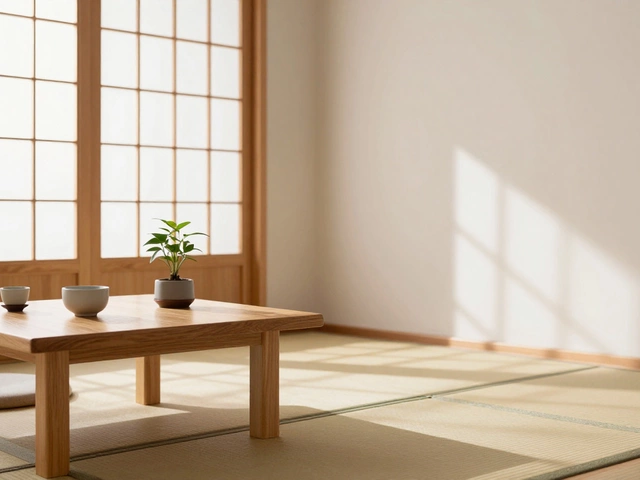
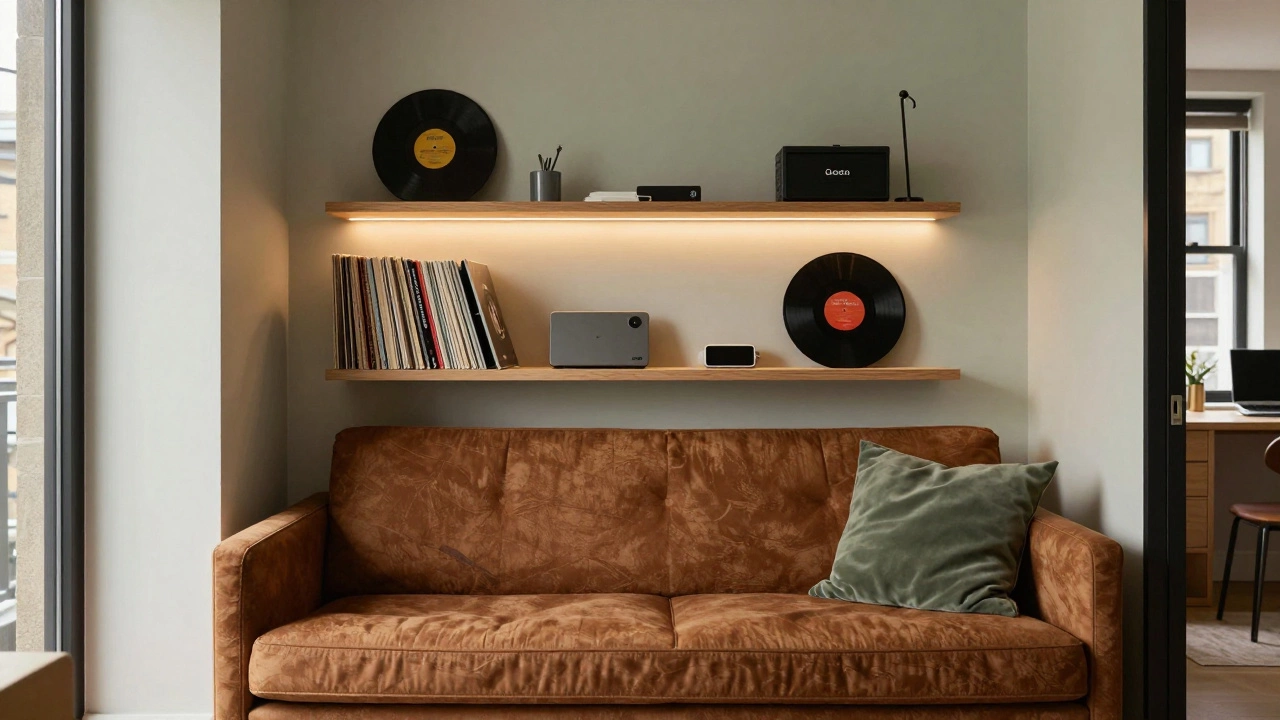
Walk into a millennial’s apartment in Sydney or New York, and you might expect to see stark white walls, a single potted plant, and nothing else. That is the stereotype. But if you look closer, you’ll likely find a curated collection of vinyl records, a few high-quality tech gadgets, and maybe a vintage sofa they bought on Facebook Marketplace. So, do millennials actually like minimalism? The short answer is yes, but not in the way Instagram influencers from 2015 would have you believe.
We are talking about a generation born between 1981 and 1996, now aged roughly 30 to 45. This group has grown up through two major recessions, the rise of social media, and a housing market that feels increasingly impossible to navigate. These pressures have reshaped what "minimalism" means to them. It is no longer just an aesthetic choice; it is a survival strategy, a financial tool, and sometimes, a reaction against the digital noise of modern life.
Quick Summary
- Millennials embrace minimalism primarily as a response to economic pressure and digital overload, rather than just for aesthetics.
- The trend has shifted from "owning nothing" to "intentional ownership," focusing on quality over quantity and experiences over things.
- Social media platforms like TikTok have revived interest in decluttering through movements like #CleanTok and digital minimalism.
- Financial constraints, including student debt and rising rent, make downsizing possessions a practical necessity for many millennials.
- Mental health awareness drives the desire to reduce physical clutter to lower stress and improve focus.
The Economic Reality: Why Less Costs Less
Let’s be honest: money talks. For many millennials, minimalism started as a budget hack. When you are paying off student loans, dealing with stagnant wages, and facing skyrocketing rental costs, owning fewer things makes financial sense. A minimalist lifestyle reduces the need for large living spaces, which directly impacts housing choices. Instead of renting a three-bedroom house because you have too much furniture, you can comfortably live in a studio or one-bedroom apartment.
This shift isn’t just theoretical. Data from real estate trends shows a significant increase in millennial demand for smaller, more efficient urban dwellings. In cities like Sydney, Melbourne, and London, the average square footage per person has dropped. Millennials are choosing location and convenience over space. They don’t need a garage full of tools they use once a year; they prefer being close to work, cafes, and public transport. This geographic preference fuels the minimalist movement by making small-space living the norm, not the exception.
Consider the cost of maintenance. Every item you own requires cleaning, repairing, or replacing. By stripping down to the essentials, millennials save time and money. It is a pragmatic approach to consumerism. Instead of buying five cheap t-shirts that pill after three washes, a minimalist millennial buys one high-quality shirt that lasts five years. This aligns with the broader slow fashion movement, where durability trumps fast trends.
Digital Minimalism: Clearing the Mental Clutter
If physical minimalism is about reducing stuff, digital minimalism is about reducing noise. Millennials are the first generation to grow up with the internet as a constant backdrop to their lives. We remember when email was new, when Facebook was exclusive, and before TikTok existed. Now, we are drowning in notifications, emails, and endless scrolling feeds.
Caldwell’s concept of digital minimalism, popularized by author Cal Newport, resonates deeply with this demographic. It is not about deleting all your apps; it is about being intentional with your technology. Do you really need that fitness tracker that sends you a notification every time you stand up? Does that shopping app help you achieve your goals, or does it just tempt you to spend money you don’t have?
In practice, digital minimalism looks like turning off non-essential notifications, scheduling specific times to check social media, and unsubscribing from newsletters you never read. It is a direct response to burnout. Many millennials report feeling overwhelmed by the constant connectivity required by modern work culture. By creating boundaries around their digital consumption, they reclaim their attention and mental energy. This form of minimalism is often more impactful than throwing away old clothes because it addresses the source of daily stress: information overload.
Intentionality Over Aesthetics
There is a common misconception that minimalism means living in a sterile, empty box. Early iterations of the movement, heavily promoted on Pinterest and early Instagram, focused on beige tones, hidden storage, and visible emptiness. While some millennials still appreciate this look, the dominant trend has shifted toward intentional living.
Intentionality means keeping only what serves a purpose or brings genuine joy. For one person, that might mean a sparse apartment with a dedicated workspace. For another, it could mean a home filled with books, art, and travel souvenirs, provided each item has meaning. The key difference is curation. There is no room for impulse buys or guilt purchases.
This shift reflects a broader cultural move away from performative lifestyle choices. Millennials are skeptical of trends that feel forced or inauthentic. They want their homes to reflect their actual lives, not a magazine spread. If you love cooking, your kitchen should be equipped with good tools, even if it means having more pots and pans. If you are a reader, your bookshelves should be full. The goal is not to own less for the sake of looking cool; it is to own less so that what remains matters more.

The Sustainability Connection
You cannot talk about millennial minimalism without mentioning sustainability. This generation is acutely aware of climate change and environmental degradation. Consumerism is seen as a primary driver of waste, pollution, and resource depletion. By choosing to buy less, millennials are trying to reduce their carbon footprint.
This connection drives several specific behaviors:
- Second-hand shopping: Thrift stores, Depop, and Vinted are popular among millennials who prefer giving items a second life rather than buying new.
- Repair culture: Instead of discarding broken electronics or clothing, many millennials seek out repair services or learn DIY fixes.
- Zero-waste practices: Minimalism often overlaps with zero-waste lifestyles, encouraging reusable containers, bulk buying, and avoiding single-use plastics.
This ethical dimension adds depth to the minimalist movement. It transforms it from a personal preference into a political statement. Every purchase becomes a vote for the kind of world you want to live in. For millennials, minimalism is a way to align their daily actions with their values regarding environmental stewardship.
Mental Health and the Burden of Stuff
Clutter is stressful. Studies have shown that excessive visual clutter can increase cortisol levels, leading to anxiety and reduced productivity. For millennials, who already face high levels of stress due to economic uncertainty and work-life balance challenges, a clutter-free environment offers a sense of control and calm.
Decluttering is often framed as a therapeutic process. Marie Kondo’s method of asking "does this spark joy?" became a global phenomenon partly because it offered a simple framework for decision-making. Beyond the emotional aspect, a tidy space promotes better sleep, clearer thinking, and easier cleaning routines. When you have fewer surfaces to dust and fewer drawers to organize, you spend less time maintaining your home and more time living in it.
This mental health benefit is particularly relevant for remote workers. With more millennials working from home, the boundary between professional and personal space has blurred. A minimalist workspace helps create psychological separation, allowing individuals to "leave work" at the end of the day even when their office is just a desk in their living room.
Comparison: Traditional vs. Millennial Minimalism
| Aspect | Traditional Minimalism (Pre-2010) | Millennial Minimalism (Current) |
|---|---|---|
| Primary Motivation | Aesthetic purity, spiritual detachment | Economic necessity, mental health, sustainability |
| Relationship with Technology | Often anti-tech or neutral | Pro-digital efficiency, anti-clutter (digital minimalism) |
| Consumer Behavior | Avoidance of material goods | Intentional purchasing, emphasis on quality and ethics |
| Living Spaces | Large, empty rooms | Small, multi-functional urban apartments |
| Social Influence | Philosophical texts, niche communities | Social media trends, influencer culture, peer advice |

Practical Steps to Start Your Minimalist Journey
If you are curious about adopting a minimalist mindset, you don’t need to throw everything away overnight. Here are some actionable steps to begin:
- Audit your digital life: Unsubscribe from marketing emails, delete unused apps, and turn off non-essential notifications. See how much quieter your phone becomes.
- Practice the one-in-one-out rule: For every new item you bring into your home, remove one existing item. This prevents accumulation while allowing for necessary updates.
- Focus on experiences: Redirect money spent on physical goods toward travel, hobbies, or learning new skills. Experiences tend to provide longer-lasting satisfaction than objects.
- Declutter one zone at a time: Start with a small area, like a junk drawer or a closet shelf. Success in small areas builds momentum for larger projects.
- Define your "why": Are you minimizing to save money, reduce stress, or help the planet? Keeping your motivation clear will help you stay consistent when it gets tough.
Common Pitfalls to Avoid
Minimalism is not a competition. You will see posts online showing people living with only 100 items, and it can be intimidating. Remember that those extremes are not the standard. Here are some traps to watch out for:
- Perfectionism: Don’t wait until your home is perfectly organized to start enjoying the benefits. Progress matters more than perfection.
- Guilt: Letting go of gifts or inherited items can feel wrong. Remind yourself that honoring the sentiment doesn’t require keeping the object forever.
- Igoring functionality: Minimalism should make your life easier, not harder. If you need certain tools for your job or hobbies, keep them.
Is Minimalism Right for Everyone?
Not necessarily. Some people thrive in environments rich with objects, colors, and textures. For creatives, parents with young children, or collectors, a strictly minimalist approach may feel restrictive or impractical. The beauty of the modern minimalist movement is its flexibility. You can adopt minimalist principles in specific areas of your life-like your digital habits or your wardrobe-without transforming your entire home.
The core idea is mindfulness. Whether you choose to live with very little or curate a full life, the question to ask is always the same: "Does this add value to my life?" If the answer is no, it is worth reconsidering. If the answer is yes, keep it. That is the essence of what millennials are doing with minimalism today.
Why do millennials prefer minimalism?
Millennials prefer minimalism due to a combination of economic pressures, such as student debt and high housing costs, and a desire for mental clarity amidst digital overload. It allows them to live more sustainably and financially responsibly.
Is minimalism just an aesthetic trend?
While it started with an aesthetic focus, minimalism for millennials has evolved into a functional lifestyle choice centered on intentionality, sustainability, and mental well-being rather than just looking clean.
How does digital minimalism help?
Digital minimalism reduces information overload and distraction by encouraging intentional use of technology. This leads to improved focus, reduced anxiety, and better work-life balance.
Can you be a minimalist and have kids?
Yes, but it requires adaptation. Parent-focused minimalism focuses on reducing clutter that causes stress while keeping essential toys and items that support development and family life.
What is the difference between minimalism and hoarding?
Minimalism involves intentionally keeping only what is useful or meaningful, whereas hoarding is characterized by distress and inability to discard items regardless of their value, often impacting safety and livability.