UK Etiquette Scenario Simulator
Think you know how to behave in England? Test your instincts against local customs.
Scenario 1: Loading...
Description goes here.
Your Result
Message goes here.
Key Takeaways:
You land at Heathrow or Gatwick, eager to explore the cobblestone streets of York or the bustling energy of London. But before you step off the plane, there’s a minefield of social norms waiting for you. The British are famously polite, but that politeness comes with strict, unspoken rules. Break them, and you might find yourself staring blankly while everyone else laughs-or worse, ignored entirely.
As an American traveler, your enthusiasm is welcome, but your habits might not be. This isn’t about being judgmental; it’s about fitting in enough to enjoy a smoother, more respectful trip. Here is what you absolutely should avoid doing if you want to navigate England like a local.
Stop Asking "How Are You?" Like It’s a Conversation Starter
In the US, "How are you?" is often a genuine invitation to share your day. In England, it is a greeting, nothing more. If you stop someone on the street and ask how they are, expecting a detailed answer, you will confuse them. The expected response is a quick "Good, thanks" or "Not bad." Anything longer feels intrusive.
Think of it as a verbal nod. You say it, they say it back, and you move on. If you really want to start a conversation, wait for a natural opening, like complaining about the weather (which leads us to the next point).
Is it rude to talk to strangers in England?
It depends on the context. Small talk about the weather or a shared situation (like waiting for a bus) is fine. Deep personal questions or overly enthusiastic greetings can feel aggressive to locals who value their privacy.
Don’t Ignore the Queue Culture
If there is one thing the British take seriously, it is the queue. Whether you are waiting for a bus, buying coffee, or entering a museum, form a line. Do not cut in. Do not stand too close to the person in front of you. And for heaven’s sake, do not assume that because there is no visible line, you can just walk up to the counter.
Queueing is a moral duty in the UK. Breaking this rule is considered deeply disrespectful. If you accidentally cut someone, apologize immediately and sincerely. A simple "Sorry, I didn't realize" goes a long way. Remember, the person behind you is watching, and so is everyone else.
Master the Art of the Apology
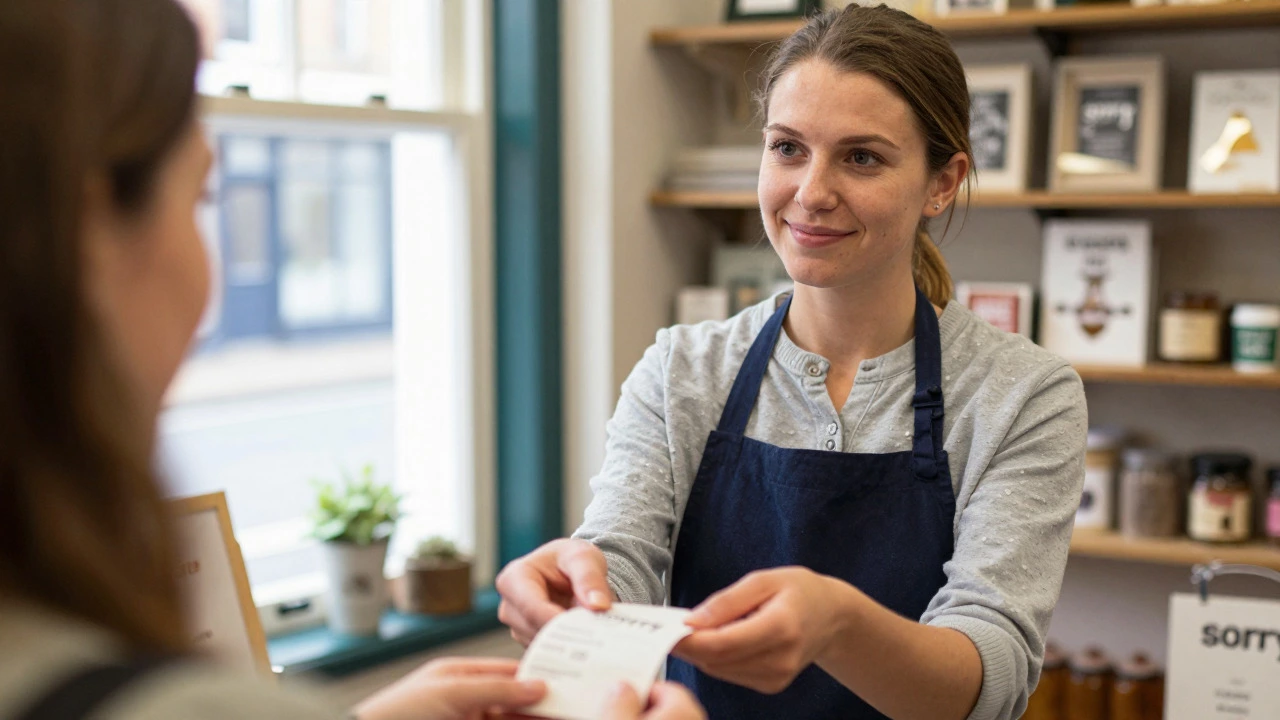
Americans use "sorry" when they have done something wrong. Brits use "sorry" for almost everything. Bump into someone? Sorry. Someone bumps into you? Sorry. The sun is shining? Sorry (if it’s raining elsewhere). Using "sorry" excessively is not a sign of weakness; it is a social lubricant.
When you enter a shop, say "Cheers" or "Thanks" to the cashier. When leaving, say "Bye" or "See you." These small acknowledgments show respect. Ignoring service staff is a major faux pas. Even if you are in a hurry, a quick eye contact and a nod are mandatory.
Watch Your Volume Levels
This is probably the biggest shock for American visitors. Loud talking in public spaces-restaurants, trains, pubs-is frowned upon. Keep your voice down. If you are on a train, keep phone conversations brief and quiet. The British value personal space and quietude in public areas.
Imagine you are in a library, even if you are in a busy pub. Speak softly. Laugh gently. If you hear people whispering around you, you are likely being too loud. Adjust accordingly. It’s not about being shy; it’s about consideration for others.
Understand Pub Etiquette
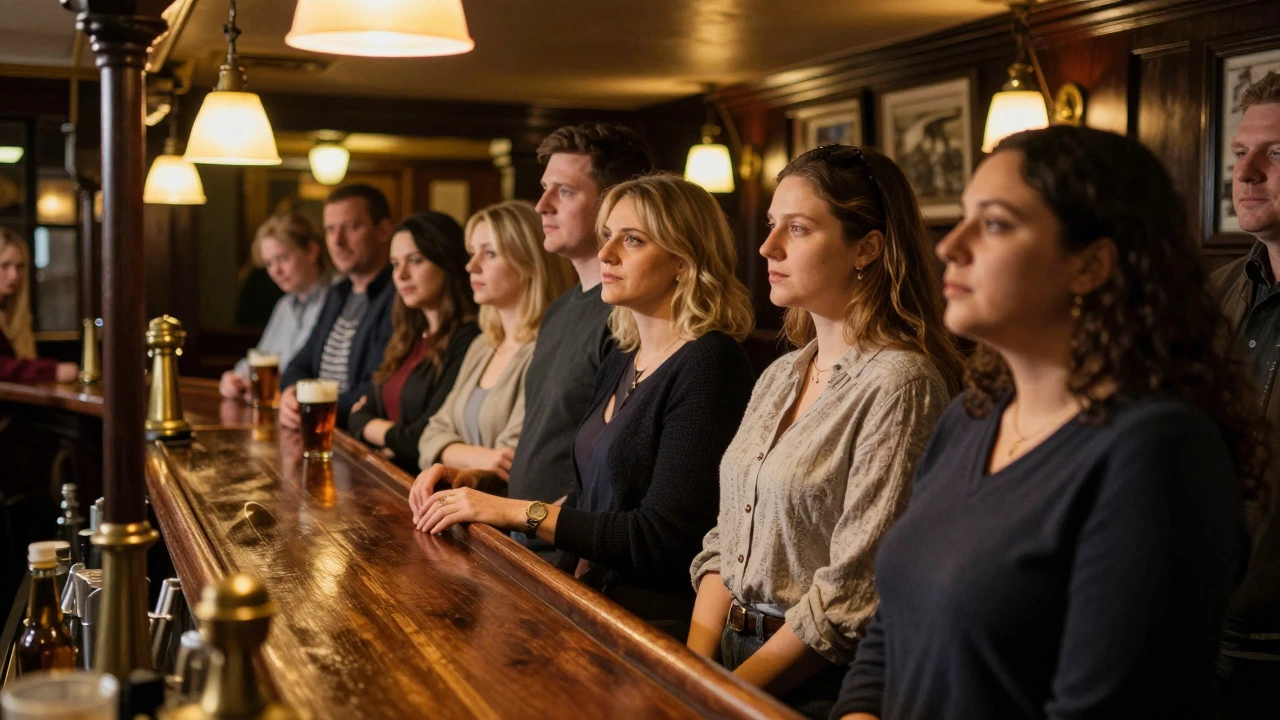
Pubs are community hubs, not just bars. Don’t expect table service unless it’s explicitly stated. You order at the bar. Pay upfront. Tipping in pubs is not customary; rounding up the bill is sufficient. Also, don’t shout across the room to get the bartender’s attention. Wait your turn, make eye contact, and speak clearly.
Another tip: don’t sit at a table marked "For Groups Only" if you are alone or in a pair. These tables are reserved for larger parties. Sit at the bar or find an empty table. And please, don’t bring outside food into a pub. It’s seen as disrespectful to the establishment.
Respect Royal Protocol
If you are visiting during royal events or passing by Buckingham Palace, remember that the monarchy is still a sensitive topic. Avoid making jokes about the King or Queen in public. While political debate is allowed, casual disrespect can earn you side-eyes from locals who hold the institution in high regard.
Also, don’t expect to see the changing of the guard every day. Check the schedule beforehand. Showing up without checking can lead to disappointment, and complaining about it loudly won’t help.
Be Mindful of Weather Complaints
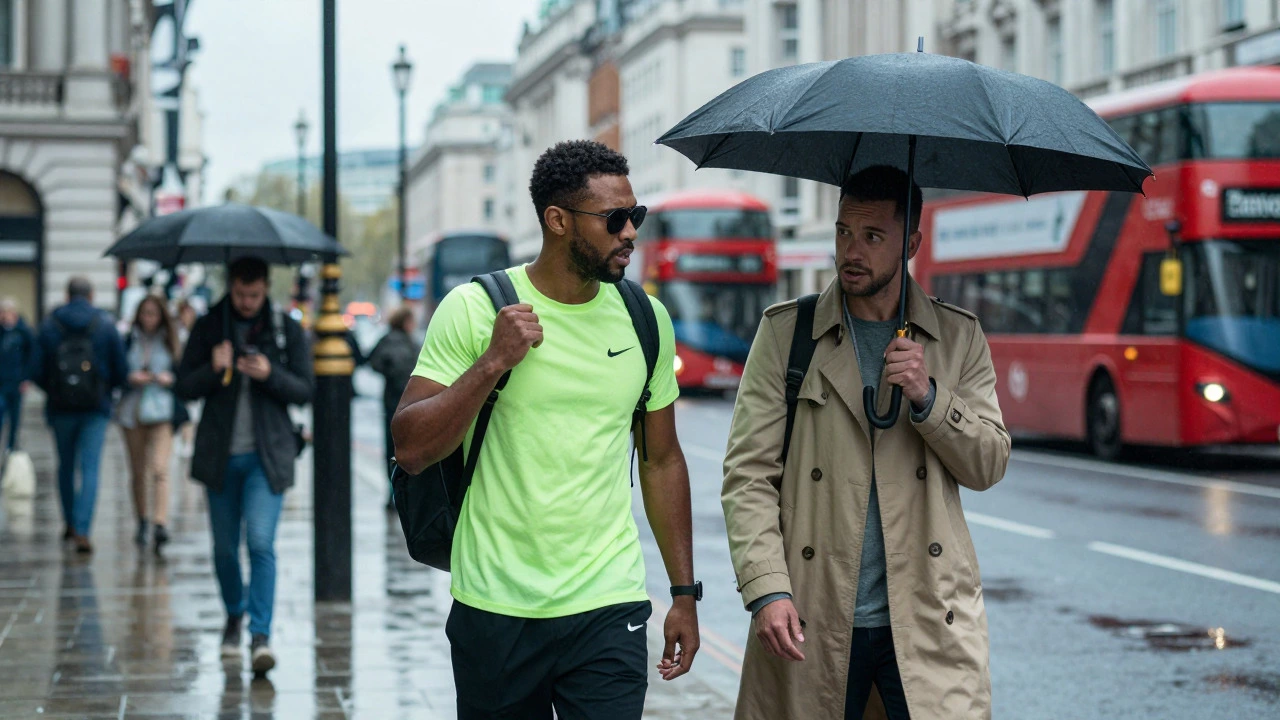
The weather is the universal icebreaker in England. Rain, gray skies, and sudden temperature changes are part of life. Complaining about it is acceptable, but only in a light-hearted way. Don’t whine excessively. Instead, join in the collective groan about the rain. It’s a bonding experience.
Bring layers. The British dress for changeable weather. Wearing shorts in July might make you stand out as a tourist, especially in northern cities like Manchester or Edinburgh. Dress practically, and you’ll blend in better.
Avoid Over-Familiarity
Americans are known for their friendliness and openness. Brits are more reserved. Don’t touch people without permission. Don’t invade personal space. Don’t assume that a smile means they want to be your friend. Build rapport slowly. Trust takes time in British culture.
Humor is also different. British humor is often dry, sarcastic, and self-deprecating. If someone makes a joke at your expense, it might be friendly banter, not an insult. Learn to laugh along. Taking things too seriously can kill the mood.
Know Your Currency and Tipping
Don’t rely on dollars. Use pounds sterling. Card payments are widespread, but carry some cash for small vendors or tips. Tipping in restaurants is usually 10-15%, but check if service charge is already included. In cafes, tipping is optional. Round up to the nearest pound if you like.
ATMs are everywhere, but beware of dynamic currency conversion. Always choose to be charged in pounds, not dollars. Otherwise, you’ll pay higher exchange rates.
Final Thoughts on Cultural Sensitivity
Traveling to England is a rewarding experience, but it requires cultural awareness. By avoiding these common pitfalls, you’ll show respect for local customs and enhance your own enjoyment. Remember, the goal is not to become British overnight, but to navigate the culture with grace and humility.
Stay curious, stay polite, and keep an open mind. The British appreciate effort, even if it’s imperfect. So, take a deep breath, queue patiently, and enjoy your trip.
Should I tip in English restaurants?
Yes, 10-15% is standard if service charge isn't included. Check your bill first. In casual places like pubs or cafes, tipping is less expected but appreciated.
Is it okay to wear sneakers in London?
Absolutely. Comfortable shoes are essential due to walking. Clean, stylish sneakers are widely accepted. Avoid dirty gym shoes in upscale areas.
Do I need to reserve tables in London restaurants?
Highly recommended, especially for dinner and weekends. Popular spots book up weeks in advance. Walk-ins are possible but risky.
Is tap water safe to drink in England?
Yes, tap water is safe and clean. Many restaurants serve it free upon request. Ask for "still water" to avoid confusion with sparkling options.
What time do shops close in the UK?
Most high street shops close between 5:30 PM and 6:00 PM. Larger malls may stay open until 8:00 PM. Sundays have restricted trading hours.