UK Trip Budget Estimator
Estimated Cost Breakdown
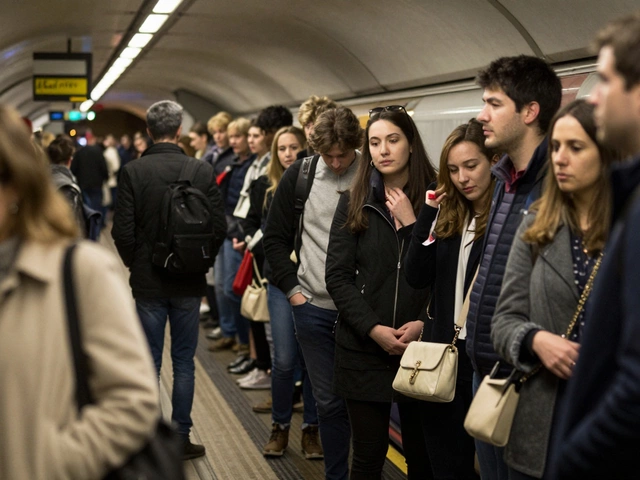
Pro Tip for London:
Avoid central tube stations during rush hour.
Forget the rainy streets of London for a moment. While the capital is undeniably famous, it is not where the majority of UK tourists spend their days. If you look at the actual foot traffic and hotel bookings across Britain, the story changes completely. The real heart of tourism beats in historic coastal towns, rugged national parks, and vibrant university cities that offer something different from the typical postcard image.
In 2026, travel patterns have shifted again. Post-pandemic habits stuck around: people want space, nature, and authentic local experiences over crowded museum queues. So, if you are planning a trip or just curious about where the crowds actually go, here is the breakdown of the most visited places in the United Kingdom right now.
The Undisputed King: London
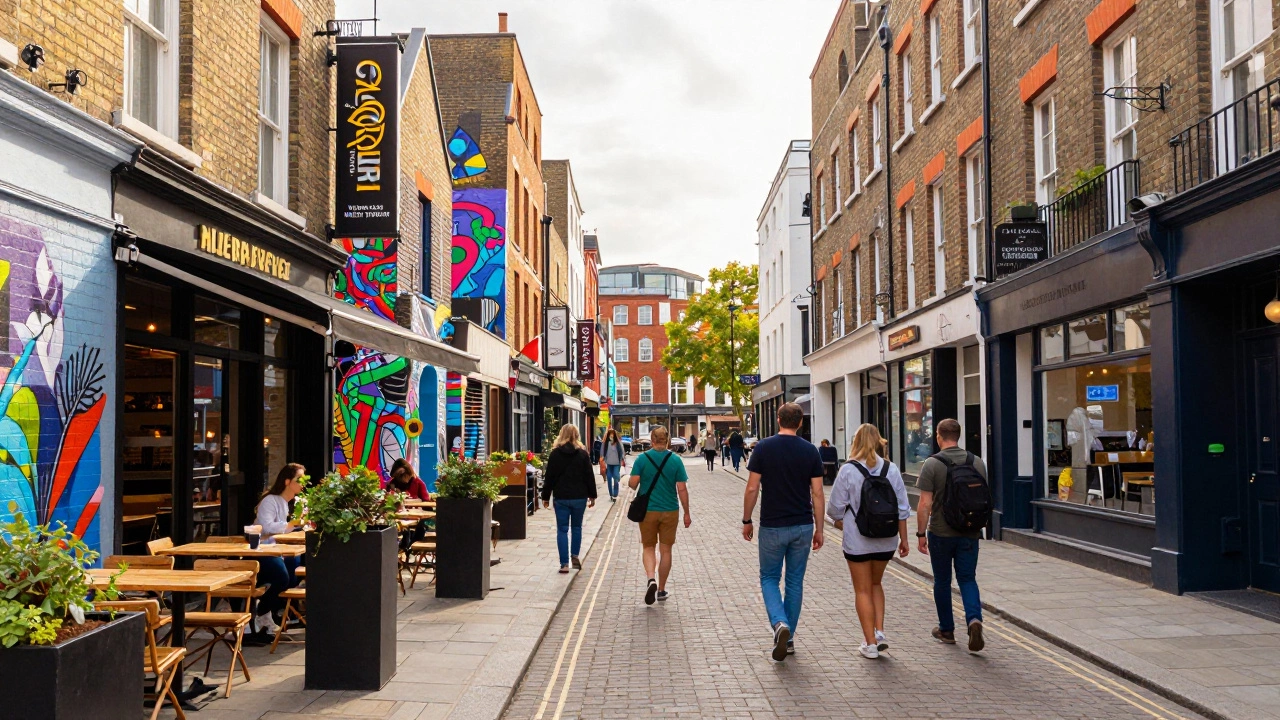
We cannot talk about UK tourism without starting with London is the capital city of England and the most visited destination in the UK. It handles more international visitors than any other city in Europe. But why? It’s not just Big Ben. It’s the sheer density of free attractions. You can walk through the Houses of Parliament, see the changing of the guard, and eat your way through Brick Lane without spending a penny on entry fees.
However, the vibe has changed. In 2026, tourists are avoiding the central tube stations during rush hour. Instead, they are exploring neighborhoods like Shoreditch for its street art or Greenwich for its maritime history. The key takeaway? London is still #1, but the smart traveler spends less time in Westminster and more time in the boroughs.
The Scottish Highlands: Nature’s Magnet
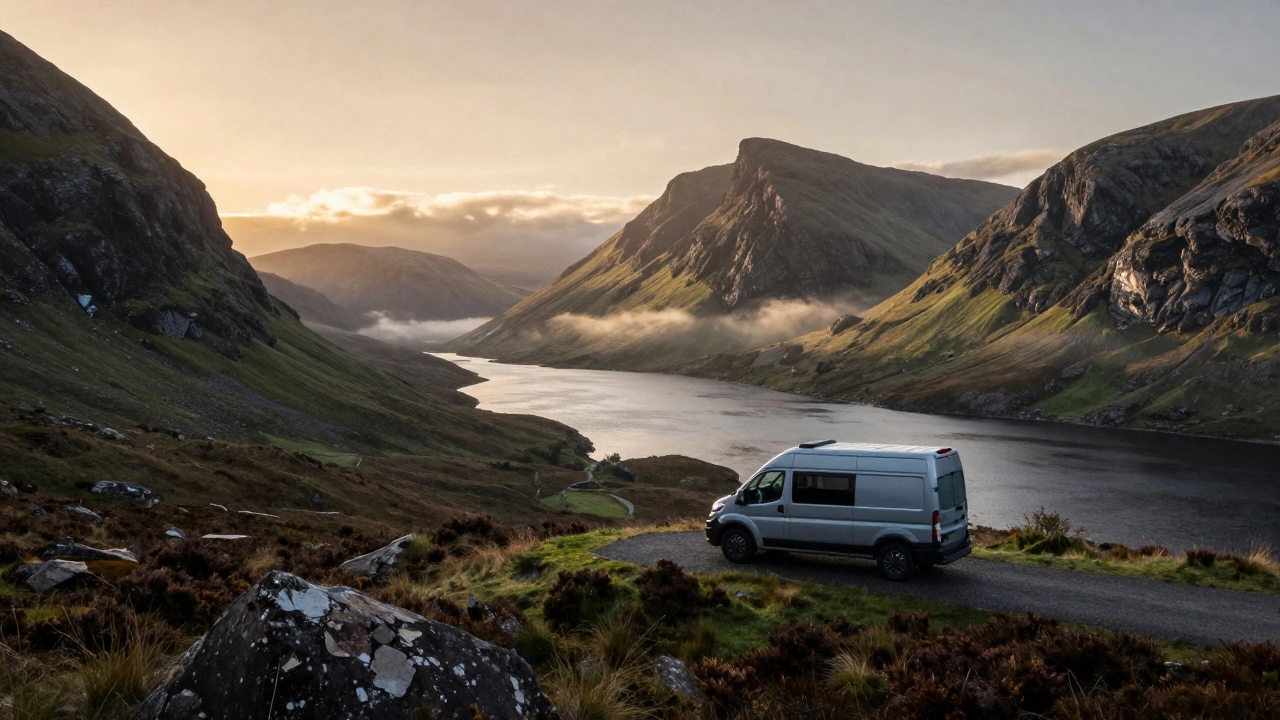
If London is the brain of UK tourism, Scotland is its soul. The Scottish Highlands are a mountainous region in northern Scotland known for dramatic landscapes and outdoor activities. This area sees a massive surge in visitors every summer. Why? Because Instagram exists. Places like Glencoe and Loch Ness look like movie sets. But beyond the photos, people come for the hiking. The West Highland Way is one of the most popular long-distance trails in the world.
You do not need to be an expert hiker to enjoy this. Many tourists rent campervans and drive along the North Coast 500 route. It’s slow travel. It’s peaceful. And it’s exactly what modern travelers are craving after years of packed city centers.
Bath: History Without the Crowds
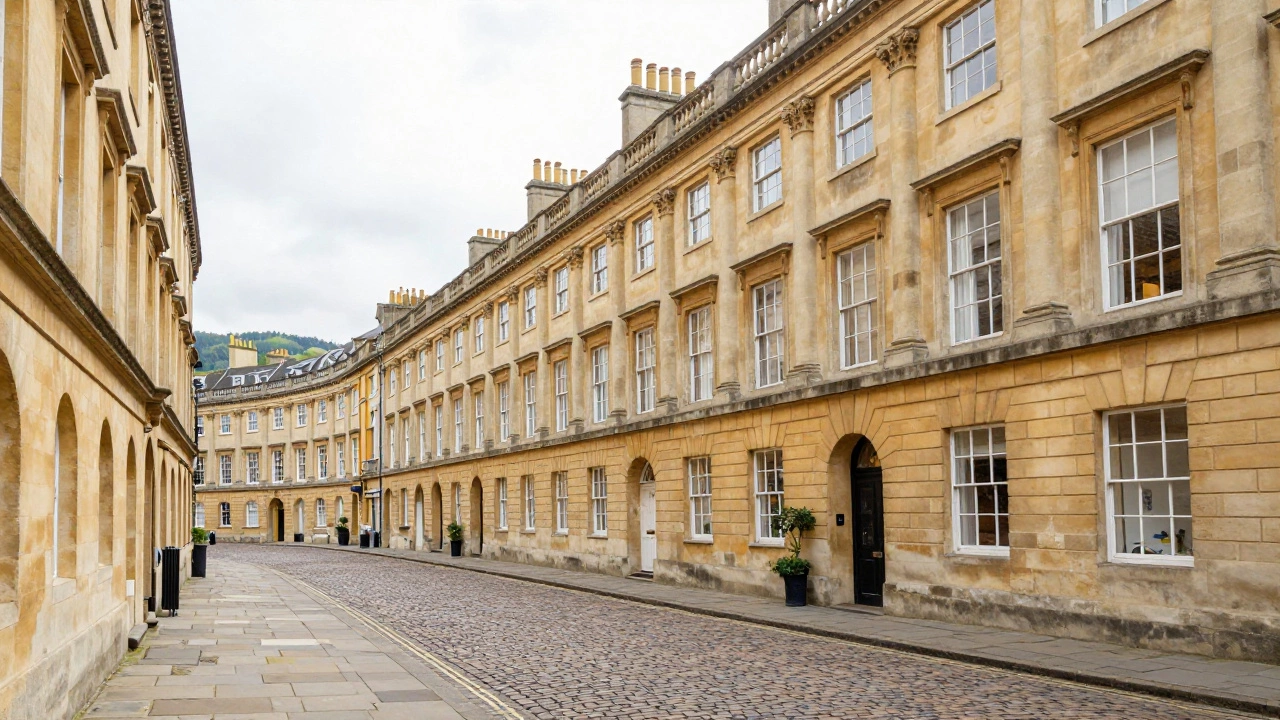
Located in Somerset, Bath is a historic city in England known for its Roman-built baths and Georgian architecture. might seem small, but it punches above its weight. It consistently ranks as one of the most visited cities per capita. The Roman Baths are the main draw, but the real magic is in the streets. Bath feels like stepping into a Jane Austen novel. The honey-colored stone buildings, the quiet cafes, and the proximity to the Cotswolds make it a perfect base for a weekend break.
Unlike London, you can walk everywhere in Bath. There is no metro system to navigate. Just cobblestone streets and gentle hills. For many tourists, this simplicity is a relief. They come for the history, but they stay for the pace of life.
Edinburgh: The Festival City
Edinburgh is the capital of Scotland, famous for its castle, festivals, and medieval old town. has two distinct seasons. From August to September, the city explodes with the Edinburgh Festival Fringe. During these weeks, the population doubles. Thousands of performers flood the streets, turning every pub and theater into a stage. It is chaotic, loud, and unforgettable.
But even outside festival season, Edinburgh draws huge crowds. The Castle sits atop an extinct volcano, dominating the skyline. The Royal Mile connects the castle to Holyrood Palace, lined with shops and bars. What makes Edinburgh unique is how compact it is. You can see the major sights in a day, but you could spend weeks discovering hidden closes (alleys) and underground vaults. It offers a mix of urban convenience and historic mystery that few other cities match.
The Lake District: England’s Outdoor Playground
Nestled in Cumbria, the Lake District National Park is a protected area in northwest England known for its lakes, mountains, and literary heritage. is where British families go when they want fresh air. It was named after the Romantic poets who wrote about its beauty, but today, it’s all about activity. Kayaking on Windermere, climbing Scafell Pike, or simply sitting by a lake with a book-these are the standard itineraries.
The challenge here is parking. In peak season, finding a spot near the popular lakes can be a nightmare. Smart tourists take the bus network or arrive early in the morning. The reward is worth it though. The scenery is genuinely breathtaking, and it’s a stark contrast to the industrial north or the busy south.
Oxford and Cambridge: Academic Charm
These two universities rival each other for attention, but both attract millions of visitors annually. Oxford is a city in England known for its university, colleges, and historic architecture. feels grander, with towering spires and ancient libraries. Cambridge is a city in England known for its university, punting on the River Cam, and green spaces. feels greener and more relaxed. Punting-a flat-bottomed boat ride-is the quintessential tourist activity in Cambridge. In Oxford, it’s about touring the college chapels and dreaming of Harry Potter scenes.
Both cities are small enough to explore on foot. They offer a glimpse into centuries of academic tradition without requiring a degree to appreciate. For many visitors, it’s a chance to walk the same grounds as famous authors and scientists.
| Destination | Best For | Peak Season | Average Daily Cost (GBP) |
|---|---|---|---|
| London | Culture, Shopping, Nightlife | June - August | £150+ |
| Scottish Highlands | Nature, Hiking, Scenery | May - September | £100 |
| Bath | History, Romance, Relaxation | April - October | £80 |
| Edinburgh | Festivals, Castles, Atmosphere | August (Fringe) | £120 |
| Lake District | Outdoor Activities, Families | July - August | £90 |
Why These Places Win
What do London, the Highlands, Bath, Edinburgh, and the Lake District have in common? They offer clear identities. A tourist knows exactly what they will get. London is energy. Scotland is wilderness. Bath is elegance. Edinburgh is drama. The Lake District is peace. In a world of generic chain hotels and standardized shopping malls, these places feel distinct. That distinction is what keeps them at the top of the list.
Also, infrastructure matters. All these destinations have good transport links. Trains reach Bath and Edinburgh easily. Ferries connect to the Isle of Wight and Ireland. Roads in the Highlands are narrow but scenic. Accessibility encourages visits. If you cannot get there easily, people will skip it.
Tips for Visiting Popular Spots
Knowing where people go helps you avoid mistakes. Here are some practical tips based on current trends:
- Book accommodation early. In 2026, last-minute deals are rare in hotspots like Edinburgh during the Fringe or the Lake District in July. Prices spike three months out.
- Use public transport. Parking in Bath and Oxford is expensive and stressful. Trains and buses are often faster and cheaper.
- Visit off-peak hours. Major sites like the Tower of London or Roman Baths open at 9 AM. Arrive then. By noon, lines stretch around the block.
- Embrace the weather. UK weather is unpredictable. Pack layers. A rain jacket is essential, even in summer. Don’t let clouds ruin your plans; indoor museums and pubs are great backups.
- Explore beyond the center. In London, head to Camden or Brixton. In Edinburgh, walk up Calton Hill instead of just visiting the Castle. You’ll find better views and fewer crowds.
The Rise of Regional Tourism
An interesting shift in 2026 is the growth of regional tourism. People are staying within the UK more often due to flight costs and environmental concerns. This means smaller towns are benefiting. York, Chester, and Canterbury are seeing increased visitor numbers. They offer medieval walls, cathedrals, and charming high streets without the price tag of London.
This trend supports local economies. When tourists stay in family-run B&Bs or eat at independent restaurants, money stays in the community. It creates a sustainable model for tourism that benefits residents too.
Is London the most visited city in the UK?
Yes, London is by far the most visited city in the UK. It attracts millions of international and domestic tourists annually due to its iconic landmarks, diverse culture, and extensive entertainment options.
What is the best time to visit the Scottish Highlands?
The best time to visit the Scottish Highlands is between May and September. During these months, the weather is milder, daylight hours are longer, and most attractions and accommodations are fully open.
Are Bath and Oxford close to each other?
Yes, Bath and Oxford are relatively close. They are about 70 miles apart, and the train journey takes approximately one hour. Many tourists combine both cities in a single weekend trip.
How much does a typical day cost in Edinburgh?
A typical day in Edinburgh can cost around £120-£150 per person, including accommodation, meals, and attraction tickets. Costs vary significantly during the Edinburgh Festival Fringe in August, when prices are higher.
Can you visit the Lake District without a car?
Yes, you can visit the Lake District without a car. The region has a reliable bus network, and several tour operators offer guided hikes and boat trips. However, having a car provides more flexibility for exploring remote areas.
Why are Bath and Cambridge so popular with tourists?
Bath is popular for its well-preserved Roman Baths and elegant Georgian architecture, offering a romantic and historical experience. Cambridge attracts visitors with its prestigious university, picturesque river punting, and beautiful college campuses.
What should I pack for a trip to the UK in summer?
Pack lightweight clothing, comfortable walking shoes, and a waterproof jacket. UK summers can be warm but also rainy. Layers are key because temperatures can change quickly throughout the day.
Is it cheaper to travel in the UK or abroad?
Traveling within the UK can be cheaper than flying abroad, especially when considering flight costs, visas, and language barriers. Domestic trains and buses offer competitive pricing, and there are no currency exchange worries.