Find Your Luxury Makeup Match
Luxury is subjective. Are you looking for Japanese skincare technology, French heritage, or Hollywood glamour? Select the options that resonate most with you.
Japanese Precision
Skincare-infused makeup, light-diffusing technology, and subtle radiance.
Hollywood Glamour
Bold aesthetics, heavy metal packaging, intense pigment, and sex appeal.
French Heritage
Cultural artifacts, consistency, global recognition, and classic elegance.
Clean Luxury
Ethical transparency, refillable compacts, organic ingredients, and peace of mind.
Why it fits:
Walk into any high-end department store in Sydney or Paris, and you’ll see it: a lipstick that costs more than your weekly grocery bill. A foundation priced like a small car payment. It’s easy to scoff at the numbers. After all, isn’t makeup just pigment and wax? But for millions of women worldwide, luxury makeup isn’t about vanity-it’s about experience, efficacy, and the subtle art of feeling invisible yet radiant.
The question "What is the most luxury makeup?" doesn’t have a single answer because luxury is subjective. For some, it’s the heritage of a French house founded in 1935. For others, it’s the clinical precision of Japanese skincare-infused color. And for a growing number, it’s the ethical transparency of clean-beauty pioneers charging premium prices for sustainable sourcing. Let’s cut through the marketing noise and look at what actually defines prestige cosmetics today.
Defining the Prestige Tier
To understand the top tier, we first need to define where the line is drawn between "drugstore" and "prestige." In the beauty industry, this distinction isn’t just about price tags; it’s about formulation complexity, packaging engineering, and brand equity.
Prestige Cosmetics are defined by high-concentration active ingredients, proprietary delivery systems, and bespoke packaging materials that justify a retail price point typically exceeding $50 USD per unit. Unlike mass-market alternatives, these products often undergo rigorous dermatological testing and utilize rare botanical extracts or advanced synthetic polymers.
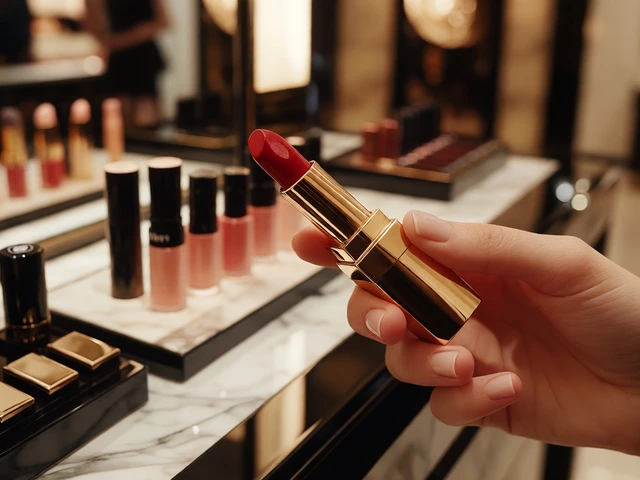
Consider the difference in texture. A standard mascara might use waxes that flake after six hours. A prestige version uses micro-fine pigments suspended in a volatile silicone blend that evaporates upon application, leaving only the pigment bonded to the lash. You pay for that engineering. You also pay for the ritual-the weight of a glass compact, the magnetic click of a lid, the scent profile designed by perfumers rather than chemists. These sensory details create an emotional connection that mass-market brands rarely replicate.
The Titans of Luxury: Who Holds the Crown?
If we measure luxury by price per ounce, heritage, and exclusivity, a few names consistently rise to the top. These aren’t just brands; they are institutions.
Clé de Peau Beauté: The Japanese Standard
Founded in 1979 under the Estée Lauder Companies umbrella, Clé de Peau Beauté (which translates to "Key of Skin") represents the pinnacle of Japanese beauty philosophy. Their approach is unique: they treat makeup as skincare. Their signature product, the Radiant Lighting Foundation, retails for around $180 AUD. Why so much? It contains over 40% skincare ingredients, including hyaluronic acid and antioxidants, alongside their proprietary "Radiance Powder" technology that diffuses light to blur imperfections without heavy coverage.
In Tokyo, this brand is synonymous with status. If you want the absolute highest concentration of care in your color cosmetics, this is the benchmark.
La Mer: The Cream-to-Powder Legacy
While known primarily for skincare, La Mer’s entry into color cosmetics is steeped in luxury. Their The Soft Matte Complete Concealer and lipsticks often feature their Miracle Broth™-a fermented sea kelp extract developed over four months. The branding is minimalist, the packaging is heavy ceramic-like plastic, and the price points are among the highest in the market. La Mer sells the idea that your makeup should heal your skin while you wear it.
Tom Ford Beauty: Hollywood Glamour
For those who equate luxury with sex appeal and bold aesthetics, Tom Ford is the undisputed king. The brand’s Lip Color collection, particularly the Velvet Matte finish, is iconic. The packaging alone-heavy metal cases with gold accents-is designed to look good on a vanity. Tom Ford doesn’t just sell makeup; he sells a persona. The prices are high, but the payoff is in the intense pigment load and the long-wear formula that survives red-carpet events.
Chanel and Dior: The French Heritage
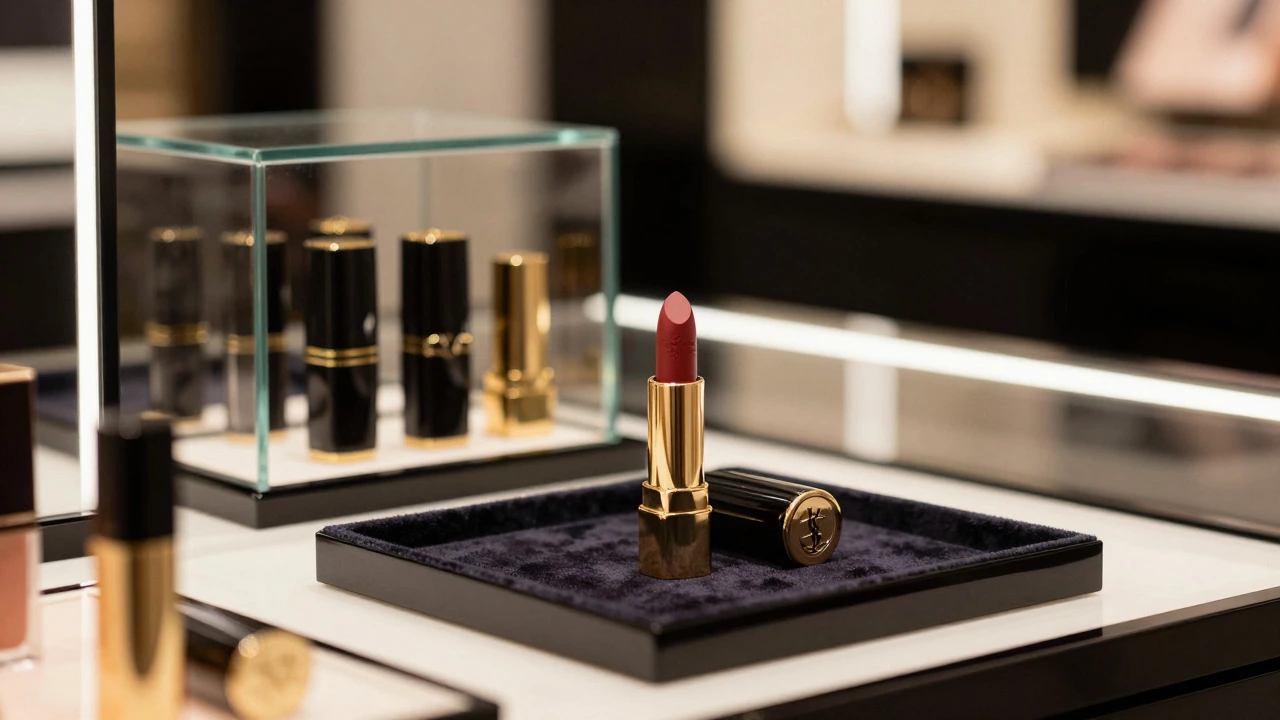
You cannot discuss luxury without mentioning the French giants. Chanel’s Rouge Allure and Dior’s Rouge Dior are not just lipsticks; they are cultural artifacts. These brands invest heavily in research centers in France and Japan to develop new textures. Their luxury comes from consistency, heritage, and the global recognition of the logo. When you buy Chanel, you’re buying into a century of fashion history.
The Science Behind the Price Tag
Is luxury makeup worth it? To answer that, we need to look at the formulation science. Here is where the real value lies, beyond the box.
| Attribute | Mass Market | Prestige/Luxury |
|---|---|---|
| Pigment Quality | Standard grade, larger particle size | Milled finer, higher purity, better light reflection |
| Active Ingredients | Few or none | High concentrations of peptides, vitamins, botanicals |
| Preservation System | Stronger preservatives needed for longer shelf life | Gentler, often airless packaging to reduce preservative load |
| Texture Engineering | Basic emulsions | Complex micro-emulsions for melt-on-skin feel |
| Packaging Material | Lightweight plastics | Weighted metals, glass, magnetic closures |
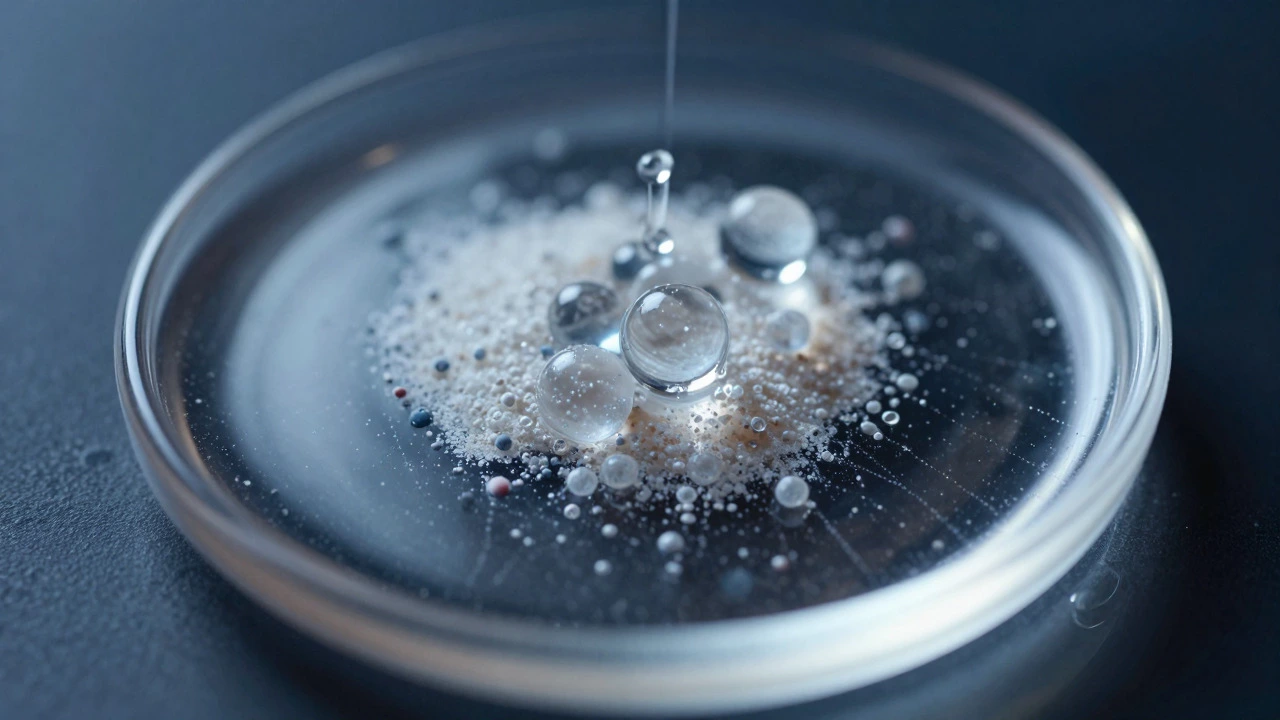
Take foundation as an example. A drugstore foundation might use titanium dioxide for coverage. A luxury brand like Charlotte Tilbury or Giorgio Armani will use spherical silica particles that sit on top of the skin to reflect light, creating a blurred effect. This requires precise manufacturing tolerances. If the particles are too large, the product looks cakey. Too small, and it won’t provide enough coverage. Getting this right costs money in R&D and quality control.
Furthermore, luxury brands often use airless pump dispensers. This isn’t just fancy; it prevents oxidation and bacterial contamination, meaning the product stays fresh longer and requires fewer harsh preservatives. For sensitive skin, this can be a game-changer.
The Rise of Clean Luxury
In 2026, the definition of luxury has shifted. It’s no longer just about opulence; it’s about ethics. Consumers in Sydney, New York, and London are increasingly willing to pay a premium for brands that align with their values. This has given rise to "Clean Luxury"-brands that combine high-performance formulas with transparent, non-toxic ingredient lists.
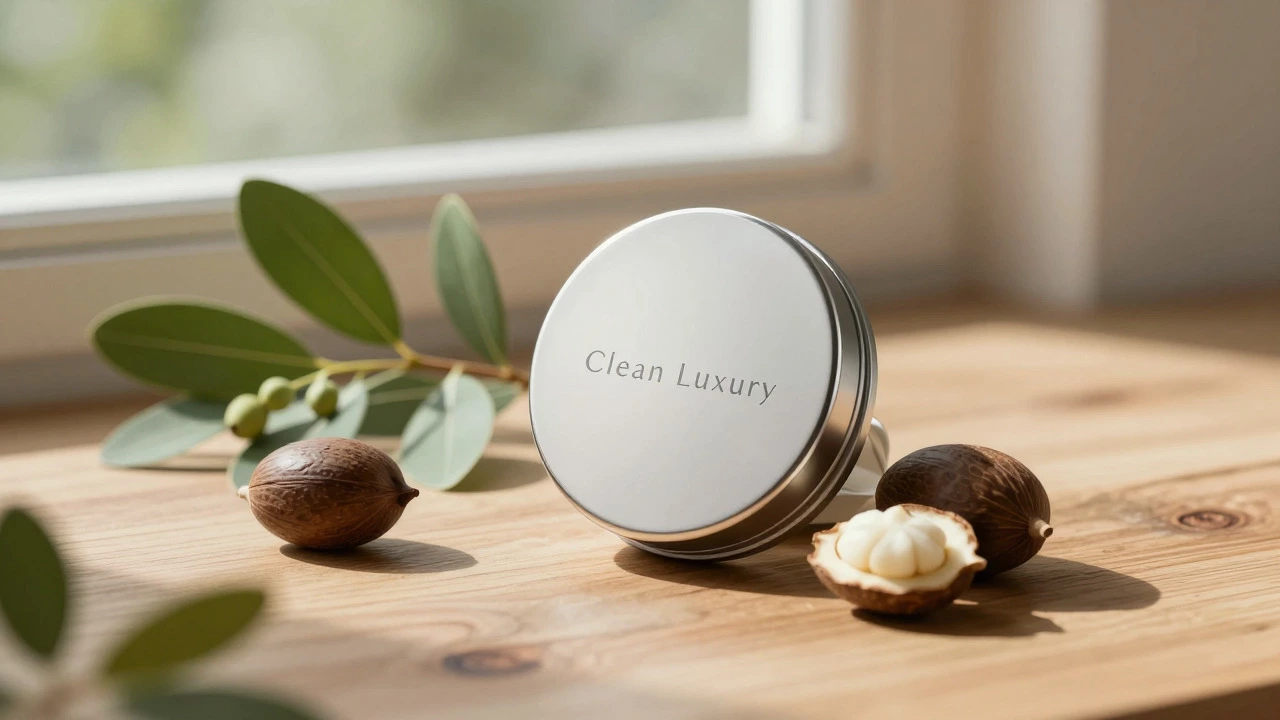
Brands like RMS Beauty and Kjaer Weis lead this space. Kjaer Weis, for instance, pioneered refillable metal compacts. You buy the case once, then purchase refills. This reduces plastic waste and appeals to the eco-conscious luxury buyer. The makeup itself is organic-certified, which adds to the cost due to stricter sourcing regulations. Here, luxury means peace of mind knowing exactly what you’re putting on your face.
This segment challenges the traditional notion that luxury must be chemical-heavy. Instead, it positions natural ingredients as the ultimate indulgence. A lipstick made with shea butter and jojoba oil, free from parabens and phthalates, commands a higher price because the raw materials are more expensive and the supply chain is shorter and more regulated.
How to Choose Your First Luxury Product
If you’ve never splurged on high-end makeup, where do you start? Don’t buy a full kit. Start with one hero product that impacts your daily routine the most.
- Invest in Base Products: Foundation and concealer go directly onto your skin. If you have skin concerns like acne scars or hyperpigmentation, a high-end foundation with skincare benefits (like Clé de Peau or La Mer) can improve your complexion over time. Drugstore foundations may clog pores or oxidize quickly.
- Upgrade Long-Wear Items: Mascara and eyeliner are used daily. A luxury mascara like Diorshow Iconic Overcurl or Tom Ford Black Tie Affair offers superior brush design and formula longevity. If it lasts all day without smudging, the cost-per-use drops significantly.
- Skip the Trends: Don’t buy luxury blushes or eyeshadows unless you love the specific shade. Basic colors are well-represented in mid-tier brands. Save your budget for items where technology matters most: base and eyes.
- Test Before You Buy: Luxury stores offer personalized consultations. Use them. Have a beauty advisor swatch the foundation on your jawline in natural light. See how it wears after two hours. If it feels dry or pills, it’s not right for you, regardless of the price.
The Psychological Value of Luxury Beauty
Let’s be honest: part of why we buy luxury makeup is the feeling it gives us. There is a psychological boost that comes from using a product that feels special. It’s a form of self-care. In a busy world, taking ten minutes to apply a beautifully packaged serum foundation can be a meditative ritual. It signals to yourself that you are worth the investment.
This isn’t frivolous. Studies in consumer psychology show that "self-gifting" high-quality personal care items can boost confidence and mood. When you feel good about how you look, you carry yourself differently. That intangible benefit is hard to quantify, but it’s real.
Common Pitfalls to Avoid
Not every expensive product is worth it. Here’s what to watch out for:
- Brand Name Hype: Just because a celebrity endorses it doesn’t mean it’s formulated better. Check the ingredient list. If it’s mostly water and fillers, save your money.
- Overpaying for Packaging: Some brands charge 30% more just for a heavier case. Ask yourself: Do I care about the object, or the product inside?
- Ignoring Skin Type: Luxury doesn’t fix bad compatibility. If you have oily skin, a rich, creamy luxury foundation will slide off. Match the formula to your biology, not the brand logo.
Final Thoughts on Prestige Beauty
So, what is the most luxury makeup? It depends on what you value. If you want scientific innovation and skincare benefits, Clé de Peau Beauté is the leader. If you crave glamour and bold color, Tom Ford delivers. If you prioritize heritage and elegance, Chanel and Dior remain timeless. And if sustainability is your luxury, look to Kjaer Weis.
Ultimately, luxury makeup is an investment in your daily ritual. It’s about choosing products that perform flawlessly, feel exquisite, and make you feel confident. You don’t need a full face of high-end products to experience the difference. Start small, choose wisely, and enjoy the journey of discovering what truly works for your skin.
Is luxury makeup actually better than drugstore makeup?
In many cases, yes. Luxury makeup often features finer milled pigments, higher concentrations of beneficial skincare ingredients, and more sophisticated preservation systems. However, for simple products like basic lip balm or simple eyeliners, the performance gap may be negligible. The biggest differences are seen in foundations, concealers, and long-wear mascaras.
What is the most expensive makeup brand in the world?
While prices fluctuate, brands like Clé de Peau Beauté, La Mer, and niche houses like Asprey or Pat McGrath Labs often hold the title for the highest price points per unit. Pat McGrath Labs, for instance, is renowned for its highly pigmented, artistic eyeshadow palettes that command premium prices due to their unique formulations and limited availability.
Does expensive makeup last longer?
Generally, yes. Prestige brands invest heavily in longevity technology, such as film-forming polymers and water-resistant binders. A luxury mascara or lipstick is engineered to withstand humidity, eating, and talking better than mass-market alternatives. However, proper application techniques also play a significant role in wear time.
Are luxury makeup brands cruelty-free?
This varies by brand and region. Many Western luxury brands like Charlotte Tilbury and Tom Ford are cruelty-free in markets where animal testing is not required by law. However, some major heritage brands still sell in mainland China, where post-market animal testing may be required. Always check the brand’s current policy on Leaping Bunny or PETA websites for up-to-date information.
Which luxury foundation is best for mature skin?
For mature skin, hydration and light-diffusing properties are key. Clé de Peau Beauté Radiant Lighting Foundation is widely considered the gold standard due to its skincare-infused formula that doesn’t settle into fine lines. Other excellent options include La Mer The Soft Fluid Long Wear Foundation and Estée Lauder Double Wear Stay-in-Place Makeup (for oily mature skin), which offers high coverage without drying out the skin.