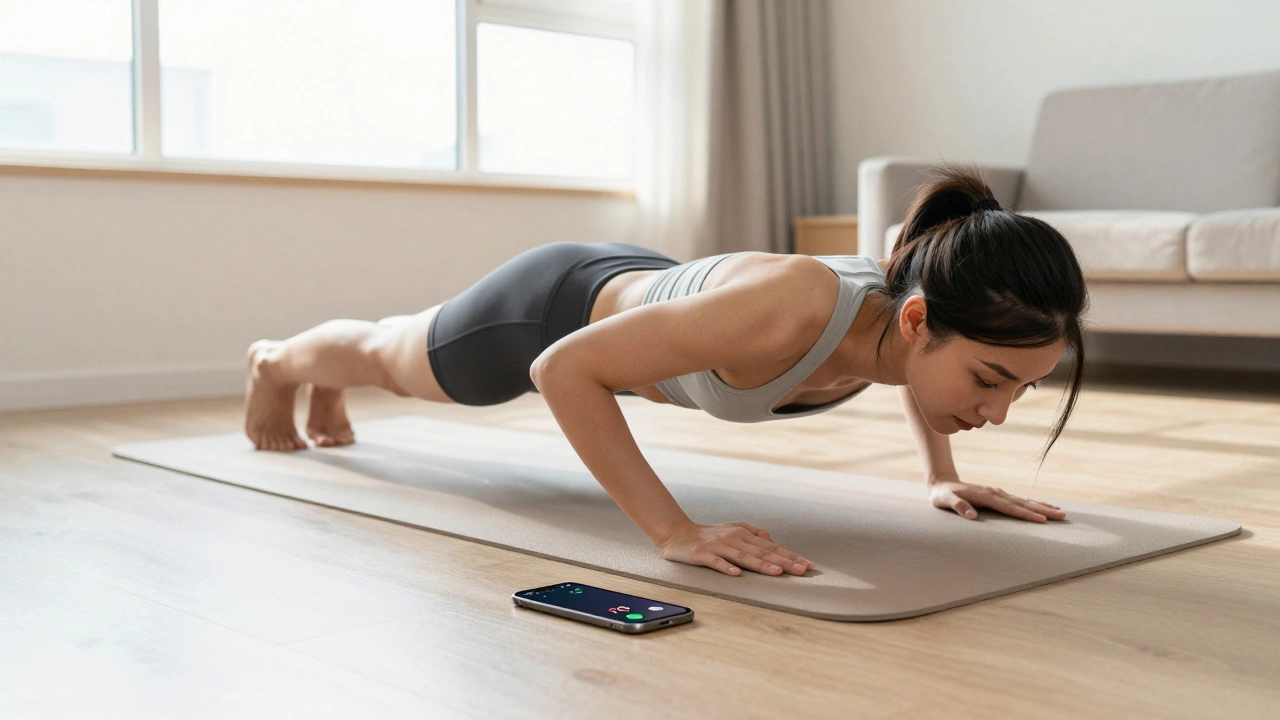
Have you scrolled past a video of someone doing push-ups, squats, and planks for seven minutes each? If so, you’ve likely encountered the 7-7-7 workout, which is a popular fitness routine consisting of three sets of seven minutes each dedicated to specific bodyweight exercises. It’s everywhere on social media right now. But what exactly is it, and more importantly, does it actually work?
The short answer is yes, but with some caveats. The 7-7-7 method isn’t magic. It’s a structured form of high-intensity interval training (HIIT) that prioritizes consistency over complexity. For people who struggle to find time or motivation for long gym sessions, this routine offers a quick, effective way to stay active. Let’s break down how it works, why it’s gaining traction, and whether it fits your fitness goals.
How the 7-7-7 Workout Actually Works
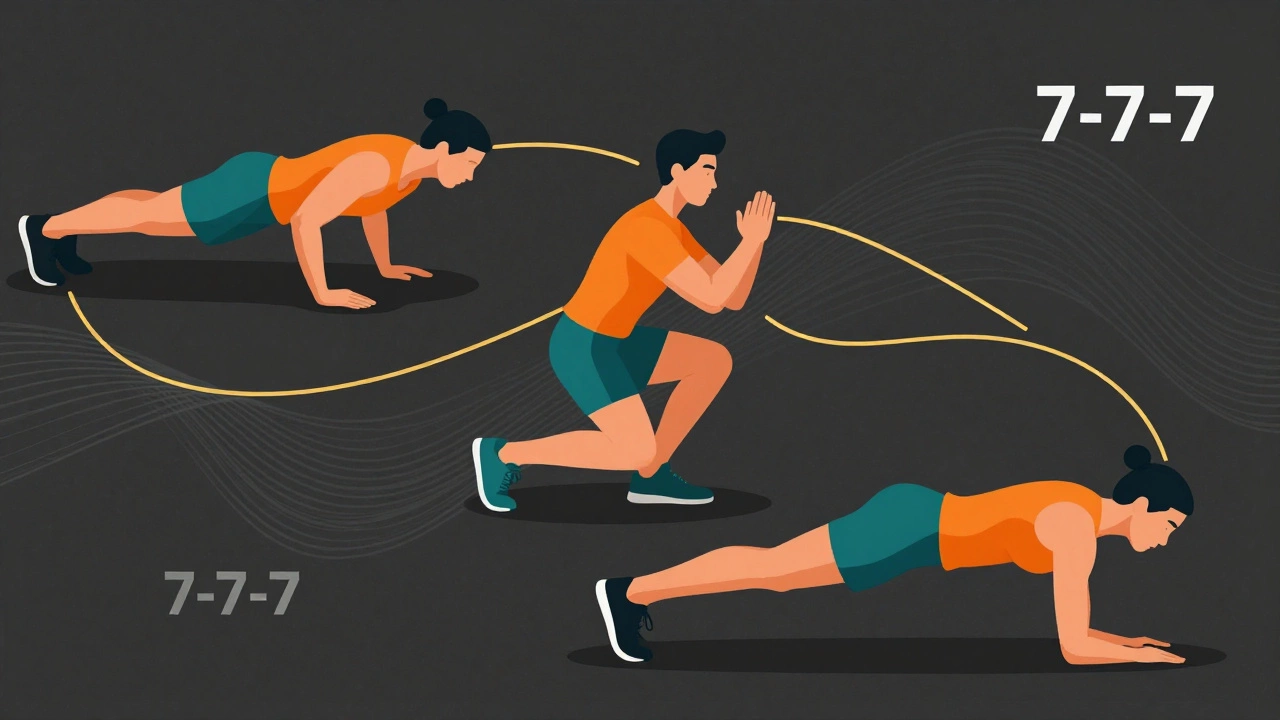
The structure is deceptively simple. You perform three different exercises, one after another, without rest in between. Each exercise lasts for seven minutes. Once you complete all three, you’re done. That’s it. No warm-up, no cool-down, no complicated equipment-just pure movement.
Here’s the standard breakdown:
- First 7 Minutes: Push-ups. These target your chest, shoulders, triceps, and core.
- Next 7 Minutes: Squats. These engage your quadriceps, hamstrings, glutes, and lower back.
- Final 7 Minutes: Plank. This holds your entire core steady, building stability and endurance.
The total time commitment is just 21 minutes. You can do this at home, in a park, or even during a work break. The beauty lies in its simplicity. There are no excuses about needing weights or finding a class schedule. All you need is a timer and enough floor space to move.
Why Is Everyone Talking About It?
The 7-7-7 workout exploded in popularity thanks to social media platforms like TikTok and Instagram. Fitness influencers posted their progress, showing visible changes in muscle tone and stamina. Users loved the idea of a “no-equipment” challenge that anyone could try, regardless of their starting level.
But there’s more to it than just virality. The routine taps into two powerful psychological triggers: immediacy and achievability. Twenty-one minutes feels manageable compared to an hour-long session. And because the exercises are basic, beginners don’t feel intimidated by complex moves they’ve never seen before.
Additionally, the repetitive nature creates a rhythm. After a few days, your body starts anticipating the pattern. This mental ease reduces the friction of getting started. Instead of debating whether to go to the gym, you simply start the timer. Action precedes motivation here.
Who Should Try the 7-7-7 Routine?
This workout suits several types of people perfectly:
- Beginners: Those new to fitness can modify each exercise. Kneeling push-ups, shallow squats, or forearm planks make the routine accessible without sacrificing effort.
- Busy Professionals: If you only have 30 minutes between meetings, 21 minutes of focused exercise fits neatly into that window.
- Travelers: Hotels often lack gyms. The 7-7-7 requires zero gear, making it ideal for road trips or business travel.
- Consistency Seekers: People who drop out of programs due to complexity will thrive with this straightforward approach.
However, it might not be the best fit for advanced athletes looking to build significant muscle mass or improve maximal strength. Bodyweight exercises alone won’t replace heavy lifting if hypertrophy is your primary goal. For those individuals, the 7-7-7 serves better as a maintenance tool or active recovery day rather than a primary training stimulus.
Potential Risks and How to Avoid Them
While safe for most, the 7-7-7 workout isn’t risk-free. Performing any exercise continuously for seven minutes demands proper form. Fatigue sets in quickly, especially during push-ups and planks. When muscles tire, posture slips. Slipped posture leads to injury.
To stay safe, keep these tips in mind:
- Modify as Needed: Drop to your knees for push-ups if your shoulders shake uncontrollably. Shift weight onto your toes instead of keeping them flat during squats if balance wavers. Lower your hips slightly during planks if your back sags.
- Listen to Your Body: Sharp pain is a stop sign. Discomfort from exertion is normal; joint strain is not. Stop immediately if something feels wrong.
- Progress Gradually: Don’t jump straight into seven minutes if you’re unused to sustained activity. Start with three-minute intervals and add time weekly until you reach the full duration.
- Hydrate: High-intensity efforts increase sweat loss. Drink water before and after the session to support recovery.
If you have pre-existing conditions like heart issues, knee injuries, or chronic back pain, consult a healthcare provider before attempting continuous load-bearing exercises. Safety always comes first.
Benefits Beyond Muscle Tone
The 7-7-7 workout delivers more than just stronger arms or legs. Its impact extends across multiple areas of health:
Mental Clarity: Physical activity boosts blood flow to the brain. Completing a challenging task releases endorphins, improving mood and reducing stress. Many users report feeling sharper and more focused after finishing the routine.
Discipline Building: Doing something difficult daily builds mental resilience. Over weeks, you train yourself to follow through on commitments. This habit spills over into other areas of life, from work projects to personal relationships.
Metabolic Boost: HIIT-style workouts elevate your metabolism for hours post-exercise. Even though the session ends in 21 minutes, your body continues burning calories at a higher rate as it recovers. This effect supports weight management without requiring extreme calorie restriction.
Improved Endurance: Holding a plank for seven minutes tests core stamina. Repeating squats non-stop challenges leg fatigue thresholds. Over time, your cardiovascular system adapts, allowing you to sustain effort longer in everyday activities like climbing stairs or carrying groceries.
How to Make It More Effective
You don’t have to stick rigidly to the original format. Tweaking variables can enhance results based on your goals:
- Vary Repetitions: Instead of counting time, count reps. Aim for 50 push-ups, 100 squats, and hold a plank until failure within seven minutes. Adjust numbers weekly to increase difficulty.
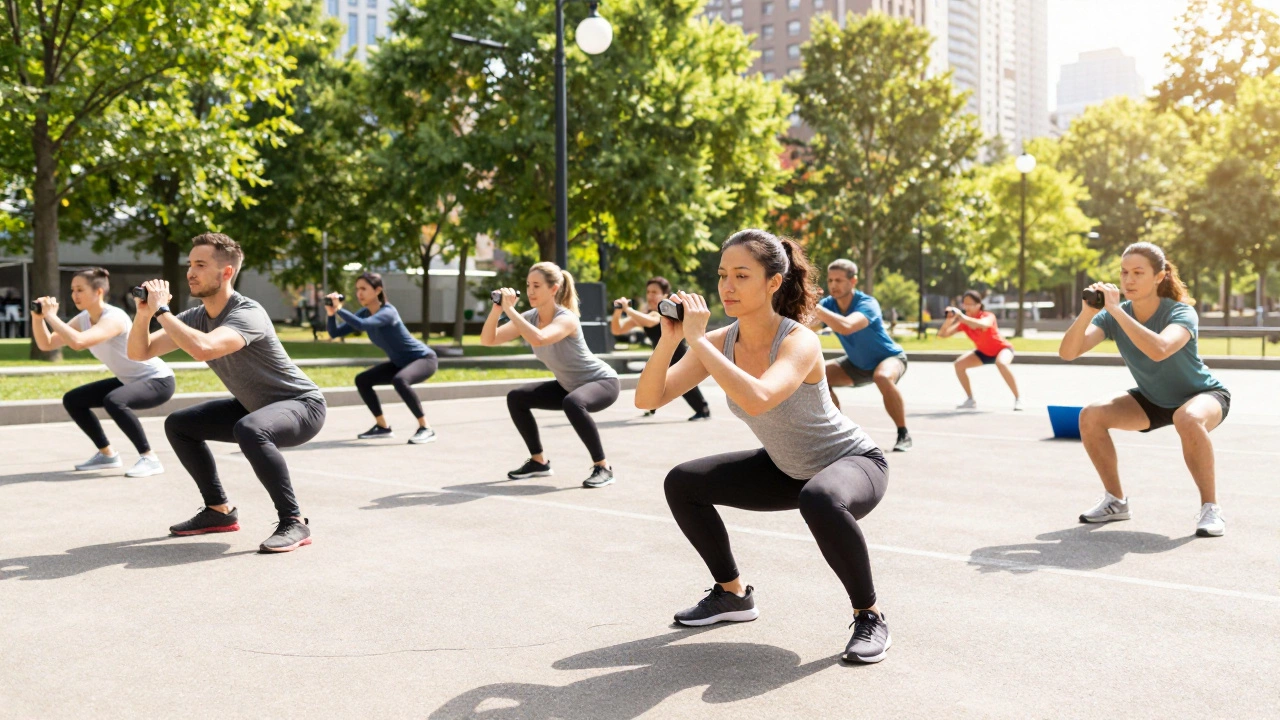
- Add Resistance: Wear a weighted vest or hold dumbbells during squats. Place books under your feet for elevated push-ups. Small changes amplify intensity significantly.
- Change Exercises: Swap push-ups for lunges, squats for burpees, or planks for mountain climbers. Keep the 7-minute structure but rotate movements to prevent boredom and target different muscle groups.
- Incorporate Rest Intervals: Break each seven-minute block into 60-second work periods followed by 10 seconds of rest. This mimics traditional HIIT protocols and may improve performance quality.
Experimentation keeps things fresh. Find what energizes you rather than drains you. Consistency matters far more than perfection.
Comparing the 7-7-7 to Other Popular Routines
| Routine | Duration | Equipment Needed | Primary Focus | Best For |
|---|---|---|---|---|
| 7-7-7 Workout | 21 minutes | None | Full-body endurance | Beginners & busy schedules |
| 30-Day Shred | 30 minutes | Dumbbells optional | Fat loss & toning | Intermediate levels |
| Tabata Protocol | 4 minutes | Varies | High-intensity bursts | Advanced athletes |
| Yoga Flow | 45-60 minutes | Mat | Flexibility & mindfulness | Stress relief seekers |
As shown above, the 7-7-7 stands out for its brevity and accessibility. While Tabata offers faster intensity spikes and yoga promotes relaxation, neither matches the balanced mix of strength and cardio found in the 7-7-7. It occupies a sweet spot between casual movement and serious training.
Troubleshooting Common Challenges
Even simple routines hit roadblocks. Here’s how to overcome frequent hurdles:
“I Can’t Finish Seven Minutes”: Break it down. Do five minutes, rest for one minute, then finish the remaining two. Gradually extend continuous effort as stamina improves.
“My Form Gets Sloppy”: Record yourself on your phone. Watching playback reveals subtle errors like sagging hips or uneven shoulders. Correcting these early prevents bad habits from forming.
“It Feels Too Easy”: Increase speed. Perform push-ups faster. Deepen squats. Hold planks with tighter engagement. Challenge yourself within the same timeframe by raising intensity, not duration.
“I’m Bored”: Play music, watch TV, or listen to podcasts while exercising. Distraction makes time pass quicker. Alternatively, invite a friend to join virtually via video call for accountability and fun.
Can I lose weight with the 7-7-7 workout?
Yes, but only when combined with a calorie-controlled diet. Exercise burns calories, but nutrition determines fat loss. The 7-7-7 helps create a daily deficit, yet sustainable weight reduction requires mindful eating alongside regular movement.
Should I do the 7-7-7 every day?
Ideally, yes-but allow flexibility. Rest days help muscles recover. If you feel overly sore or fatigued, take a break. Listening to your body prevents burnout and ensures long-term adherence.
Is the 7-7-7 suitable for seniors?
With modifications, absolutely. Seniors should focus on low-impact variations like seated squats, wall push-ups, and modified planks against furniture. Always check with a doctor before starting new physical activities.
Do I need to eat anything special before the workout?
Not necessarily. Light snacks like banana slices or toast provide quick energy without causing digestive discomfort. Avoid heavy meals right before exercising to prevent cramping or nausea.
Will this build big muscles?
Unlikely. Bodyweight exercises promote lean definition rather than bulk. To gain significant size, progressive overload through heavier resistance is required. The 7-7-7 excels at functional strength and endurance, not hypertrophy.