UK Vacation Cost Calculator
Calculate Your Next Vacation
Cost Comparison
UK Domestic Travel
Total: £0
Per Person: £0
Includes: Accommodation, food, local transport
International Travel (e.g., Spain)
Total: £0
Per Person: £0
Includes: Flights, accommodation, food, transfers
Savings: £0 compared to international travel
Popular UK Destinations
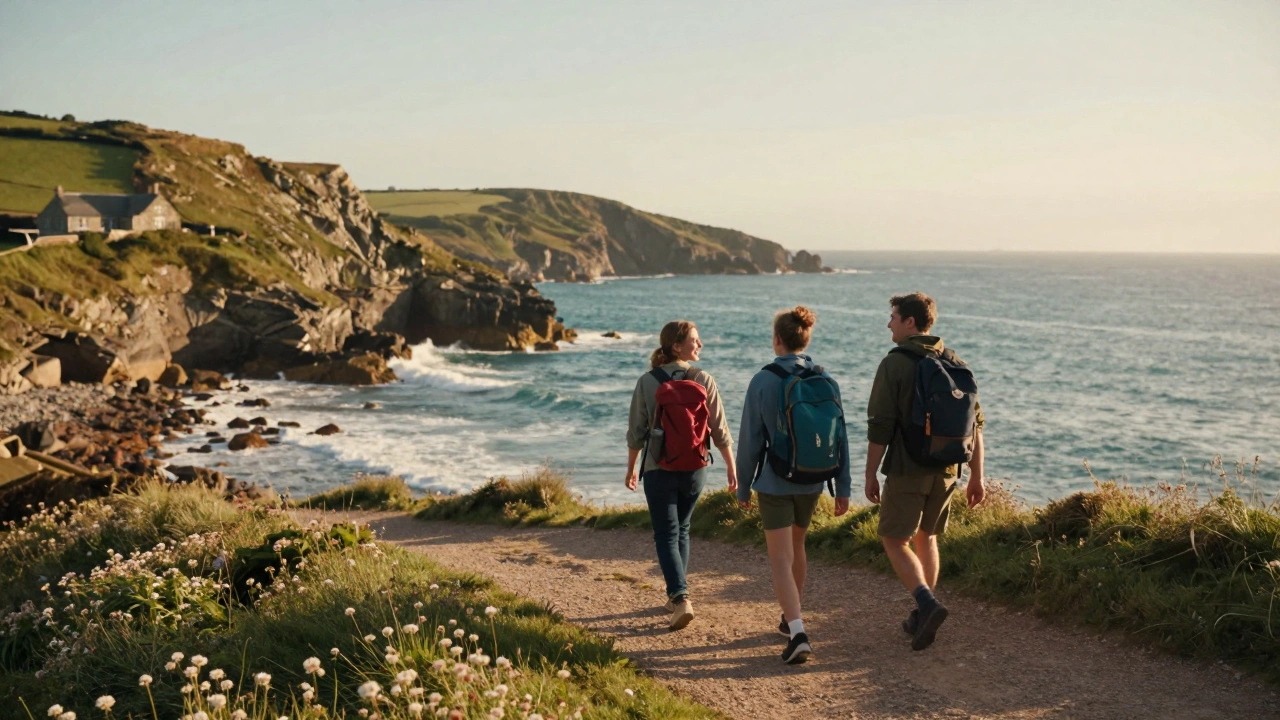
- Devon and Cornwall: Family-friendly cottages and coastal walks
- North Yorkshire Dales: Authentic villages and stone-walled countryside
- Scottish Highlands: Off-season travel with glamping options
- Wales: Coastal towns and mountain adventures
Every year, over 70 million domestic holidays are taken by people in the UK. That’s more than one trip per person - and it’s not just about flying abroad. More Brits are choosing to explore their own backyard, and the reasons are clear: cost, convenience, and a growing love for local culture. From rugged coastlines to historic towns, here’s where people in the UK are actually going on vacation in 2026.
Devon and Cornwall: The Coastal Comeback
Devon and Cornwall still top the list for UK summer breaks. In 2025, over 4.2 million visitors flocked to these counties, according to VisitBritain data. It’s not just about beaches. Families are renting cottages near the South West Coast Path, while couples are booking boutique B&Bs in St Ives and Lyme Regis. Surf schools in Newquay are busier than ever, with bookings up 22% since 2023. The secret? Reliable weather, fewer crowds than the Mediterranean, and a food scene that rivals any European destination. Local seafood shacks, artisan cheese makers, and craft cider pubs make it feel like a proper escape - not just a day trip.
The Lake District: More Than Just Walks
The Lake District isn’t just for hikers anymore. In 2026, it’s become a hub for digital nomads and quiet retreats. Airbnb bookings for homes with high-speed internet and wood-burning stoves jumped 37% last year. People are staying for a week or more, working remotely during the day and hiking around Windermere or Ullswater in the evenings. The National Park Authority reports that 83% of visitors now say they come for "peace and nature," not just sightseeing. Even the lakeside cafes are adapting - many now offer coworking spaces with free tea refills. It’s the UK’s answer to a slow travel movement.
North Yorkshire and the Dales: Hidden Gems
While York gets the headlines, most locals head deeper into North Yorkshire. The Yorkshire Dales, with its stone-walled villages and rolling hills, saw a 29% increase in overnight stays between 2023 and 2025. Places like Grassington, Hawes, and Richmond are packed with visitors looking for authenticity. There’s no big theme park here - just tea rooms with homemade scones, local ales at the Black Bull in Settle, and the chance to spot red deer in the early morning mist. The Pennine Way attracts walkers, but even non-hikers are drawn to the quiet charm. It’s the kind of place where you forget your phone exists.
Scotland’s Highlands and Islands: The Rise of Off-Season Travel
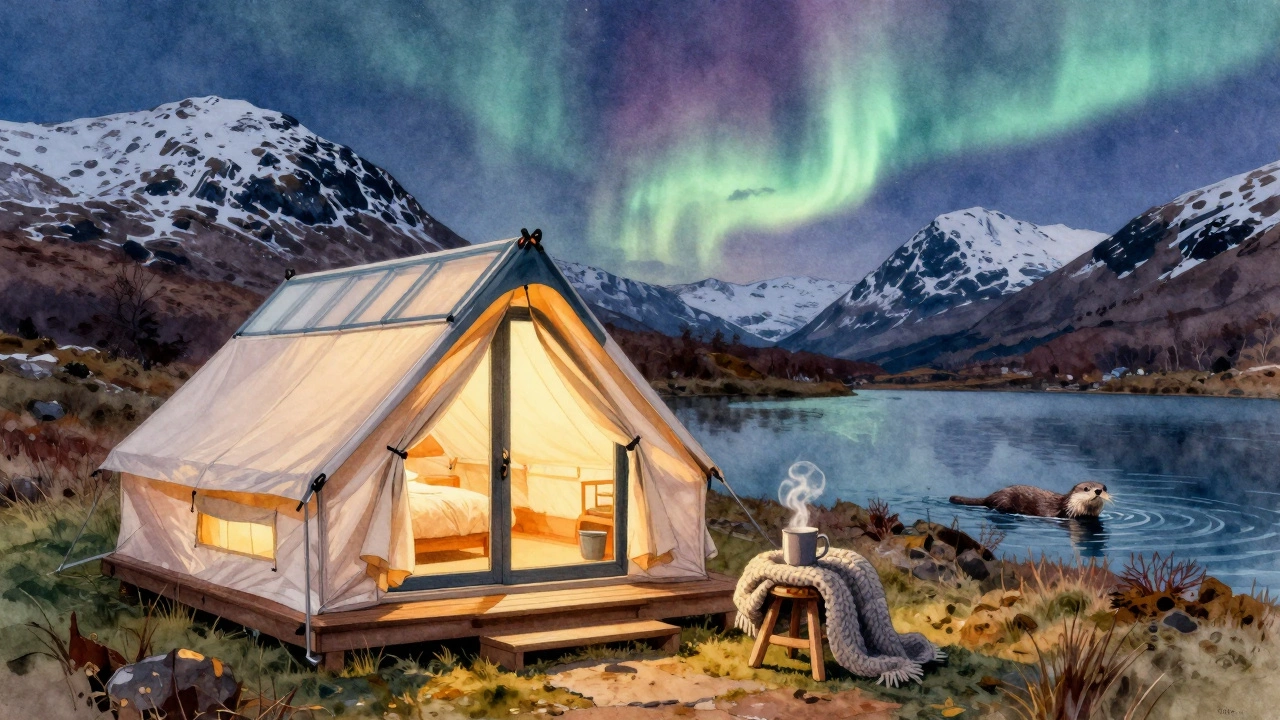
Scotland used to be a summer-only destination. Not anymore. In 2025, autumn and winter bookings to the Highlands and Isle of Skye rose by 41%. People are chasing the Northern Lights, not just lochs and castles. Glamping pods with heated floors and glass roofs are now common in places like Fort William and Ullapool. The Isle of Mull has become a wildlife hotspot - 68% of visitors now book specifically to see otters, eagles, or seals. Even the ferry routes are seeing more riders. The Caledonian Sleeper train from London to Inverness sold out every night in December 2025. It’s no longer just for adventure seekers - it’s for anyone wanting to unplug.
Wales: The Underrated Escape
Wales is quietly becoming the UK’s best-kept secret. Snowdonia National Park saw a 33% spike in visitors last year, with many coming from London and the Midlands. But it’s not just the mountains. Coastal towns like Tenby and Aberystwyth are packed with visitors renting seaside apartments. The Welsh language is thriving in tourism too - signs, menus, and guided tours now often include Welsh phrases, adding to the sense of place. And let’s not forget the food: Welsh rarebit, bara brith, and local lamb are drawing foodies from across the country. Even the beaches are getting attention - Porthcawl’s dunes are now a top spot for sunrise yoga.
East Anglia: The Quiet Alternative
Most people overlook East Anglia - until they go. Norfolk and Suffolk are seeing a quiet boom. The Norfolk Broads, with its network of rivers and narrowboats, is a favorite for families who want to slow down. You can rent a boat for a week and drift past reed beds, herons, and old windmills. Suffolk’s coastal villages - Southwold, Aldeburgh, and Walberswick - are drawing artists, writers, and retirees. The region has no big cities, no theme parks, just long beaches, independent bookshops, and pubs that serve local ale poured straight from the cask. It’s the kind of place you don’t plan to stay long… but end up extending your trip.
London: The City Break Reimagined
London isn’t just for tourists anymore. Brits are taking weekend trips to the capital - but not for the usual sights. In 2026, the trend is "hidden London." People are booking stays in Peckham, Hackney, and Brixton, not Mayfair. They’re visiting independent museums like the Geffrye Museum of the Home, eating at pop-up restaurants in old railway arches, and walking the Green Chain Walk through southeast London parks. The city’s museums are free, and many now offer late-night openings. Even the Tube has become part of the experience - riding the District Line to the edge of the city and walking from there. It’s London, but not the one you see in the movies.
Why the Shift? Cost, Control, and Connection
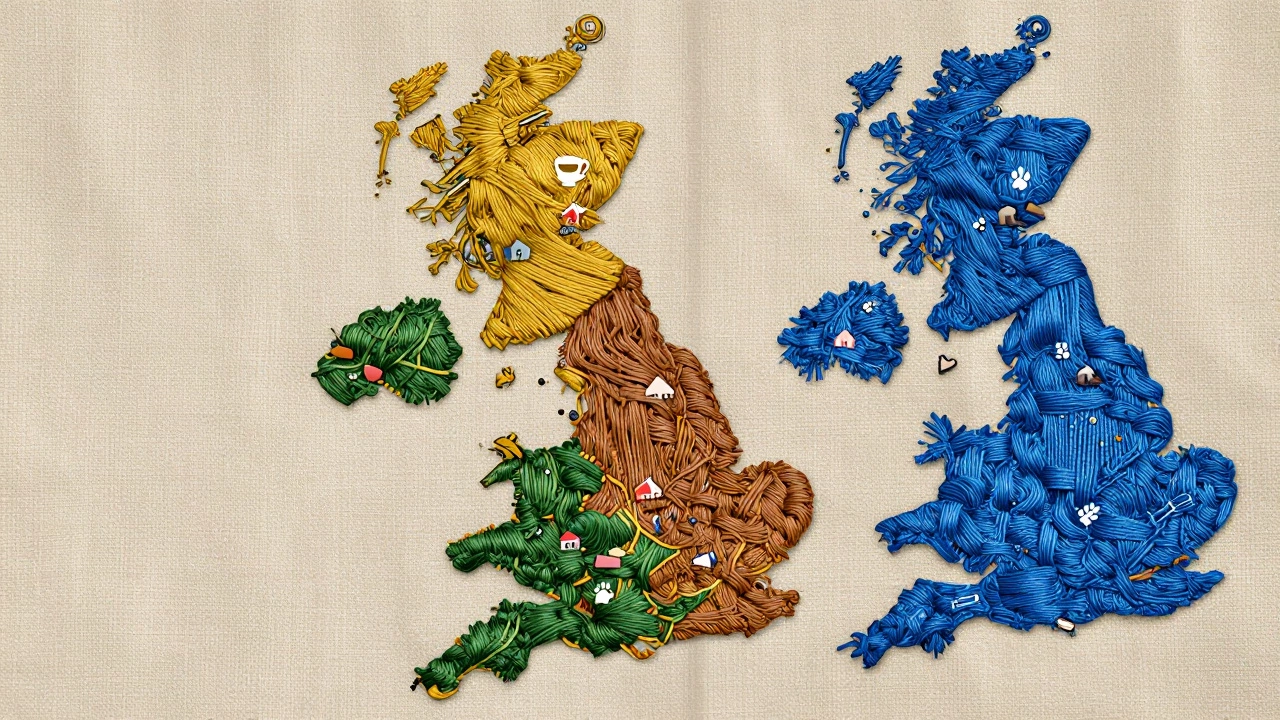
Why are so many Brits skipping Spain and Portugal? The answer is simple: inflation. A two-week holiday in Spain now costs nearly £2,000 per person. A week in Cornwall? Around £650. Flights are unpredictable, and currency swings hurt. But beyond money, there’s a deeper change. People want control. They want to know where their money goes. They want to support local businesses. And they want to feel like they’re truly away - not just in a different timezone. Domestic travel gives them that. No jet lag. No language barrier. No risk of canceled flights. Just a car, a map, and a sense of discovery.
What’s New in 2026?
This year, a few trends are standing out. First: glamping. More than 1.2 million Brits stayed in a glamping pod last year - up 58% since 2022. Second: pet-friendly stays. 74% of vacation rentals now welcome dogs, and many offer dog beds, treats, and even walking maps. Third: slow travel. People are staying longer. The average UK vacation length jumped from 4.2 days in 2020 to 6.8 days in 2025. And fourth: local experiences. Cooking classes with fishermen in Cornwall, foraging walks in the Lake District, and blacksmithing demos in the Dales are now top-rated bookings on Airbnb and Booking.com.
Final Thought: The Best Vacation Is the One You Remember
It’s not about ticking off landmarks. It’s about waking up to the sound of seagulls in Devon, drinking tea in a cottage with a view of the Dales, or spotting an otter on the River Spey. The UK has more than enough beauty, history, and quiet corners to fill a lifetime of holidays. You don’t need to fly far to feel like you’ve traveled. Sometimes, the best escape is just a few hours down the M6.
What is the most popular UK vacation destination in 2026?
Devon and Cornwall remain the most popular, with over 4.2 million visitors in 2025. The combination of beaches, coastal walks, local food, and family-friendly stays makes it the top choice for both summer holidays and weekend getaways.
Are UK people traveling less abroad now?
Yes. Since 2023, domestic travel has grown by 27% while international trips from the UK have declined by 11%. Rising flight costs, currency fluctuations, and a desire for more meaningful, low-stress trips are driving the shift. Many are choosing a week in Wales over a fortnight in Spain.
Is it cheaper to vacation in the UK than abroad?
Generally, yes. A week-long family holiday in the UK averages £650-£900, including accommodation and food. The same week in Spain or Portugal can cost £1,800-£2,500 when you factor in flights, transfers, and currency exchange. Plus, no hidden fees for baggage or airport taxes.
What’s the best time to visit the Lake District?
Late spring (May-June) and early autumn (September-October) are ideal. The weather is mild, the crowds are thinner, and the landscapes are at their most vivid. Winter offers solitude and snow-capped peaks, but some trails and cafes close. Summer is busy - book early if you plan to go then.
Can you take your dog on UK vacations?
Absolutely. Over 74% of UK vacation rentals now welcome dogs. Many beaches, trails, and pubs are pet-friendly. Some places even offer dog treats, beds, and walking maps. Popular dog-friendly spots include the North York Moors, Pembrokeshire Coast, and the Lake District’s lower trails.
What’s the fastest-growing type of UK vacation?
Glamping. Bookings for luxury tents, yurts, and treehouses rose 58% between 2022 and 2025. People love the blend of nature and comfort - no pitching tents, but still sleeping under the stars. Popular spots include the Peak District, Pembrokeshire, and the Scottish Highlands.
UK vacation spots are evolving - not just in location, but in how people experience them. The real trend isn’t where you go. It’s that you’re choosing to stay longer, travel slower, and connect more deeply with the places you already know.