Eco-Friendly Material Checker
Check Sustainability of Materials
Select a material to see if it's truly eco-friendly based on the latest research. Some "green" claims are misleading.
When you’re choosing products for your home, wardrobe, or daily use, the material matters more than you think. It’s not just about looks or price - it’s about what happens after you’re done with it. Landfills are overflowing, oceans are filling with plastic, and climate change is accelerating. But the good news? There are real, proven alternatives that actually make a difference. Not all "green" claims are equal. Some materials are just marketing. Others? They’re built to heal the planet, not harm it.
Recycled Plastic: Better Than New, But Not Perfect
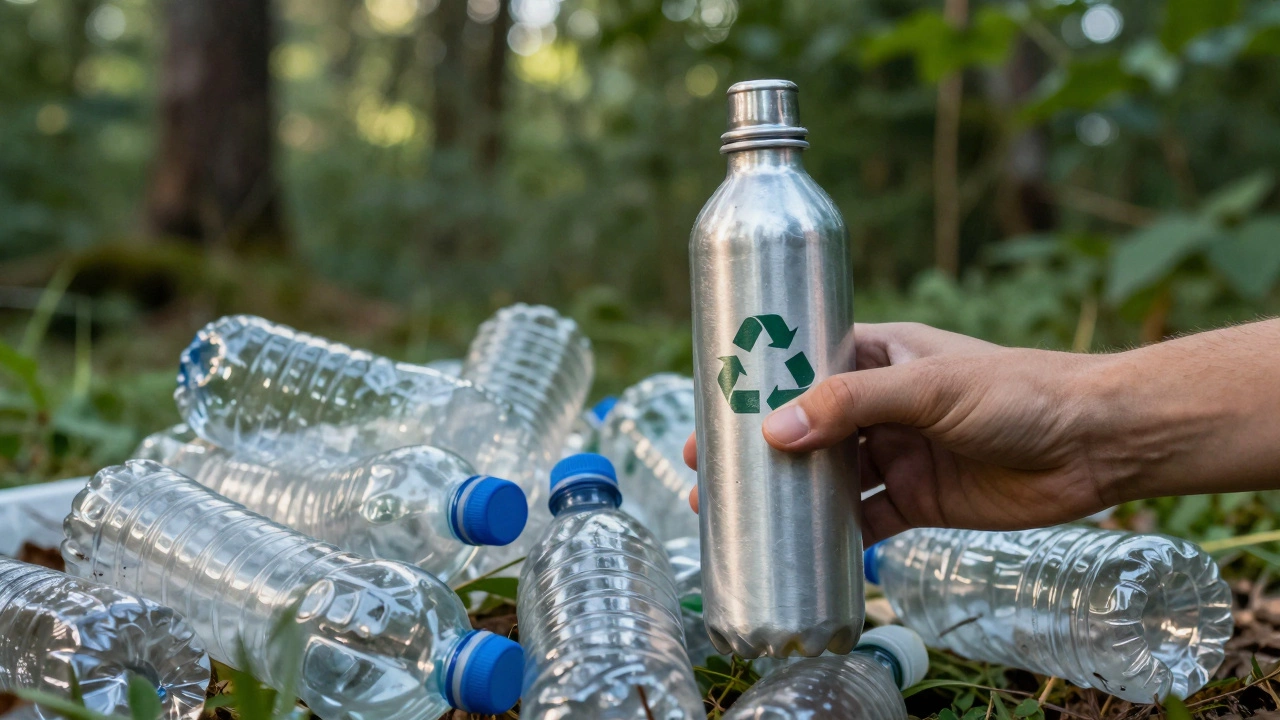
Recycled plastic is everywhere now - from water bottles to yoga mats to outdoor furniture. It sounds great: you’re giving waste a second life. And you are. But here’s the catch: most recycled plastic is downcycled. That means it can’t be recycled again after its second use. A plastic bottle turned into a park bench? That bench will likely end up in a landfill decades later. And the process of cleaning and melting down plastic uses a lot of energy. Still, using recycled plastic keeps new plastic from being made. It’s a step, not a solution. Look for products made with post-consumer recycled plastic (PCR) - that’s plastic collected from homes and businesses, not factory scraps. Brands like Patagonia and IKEA use PCR in many items. Just remember: it’s better than virgin plastic, but it’s still plastic.
Organic Cotton: No Pesticides, Less Water
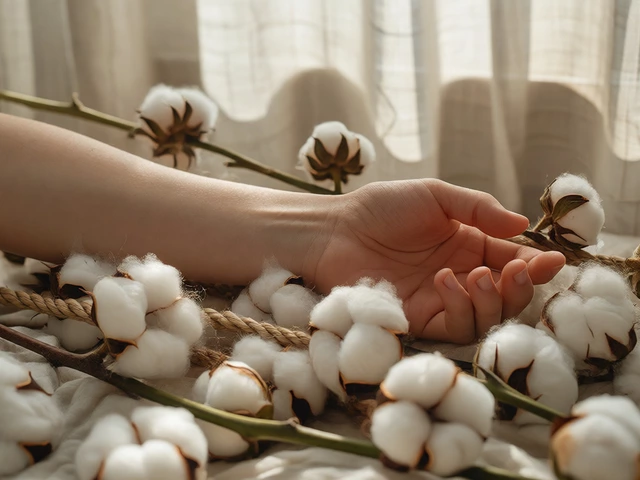
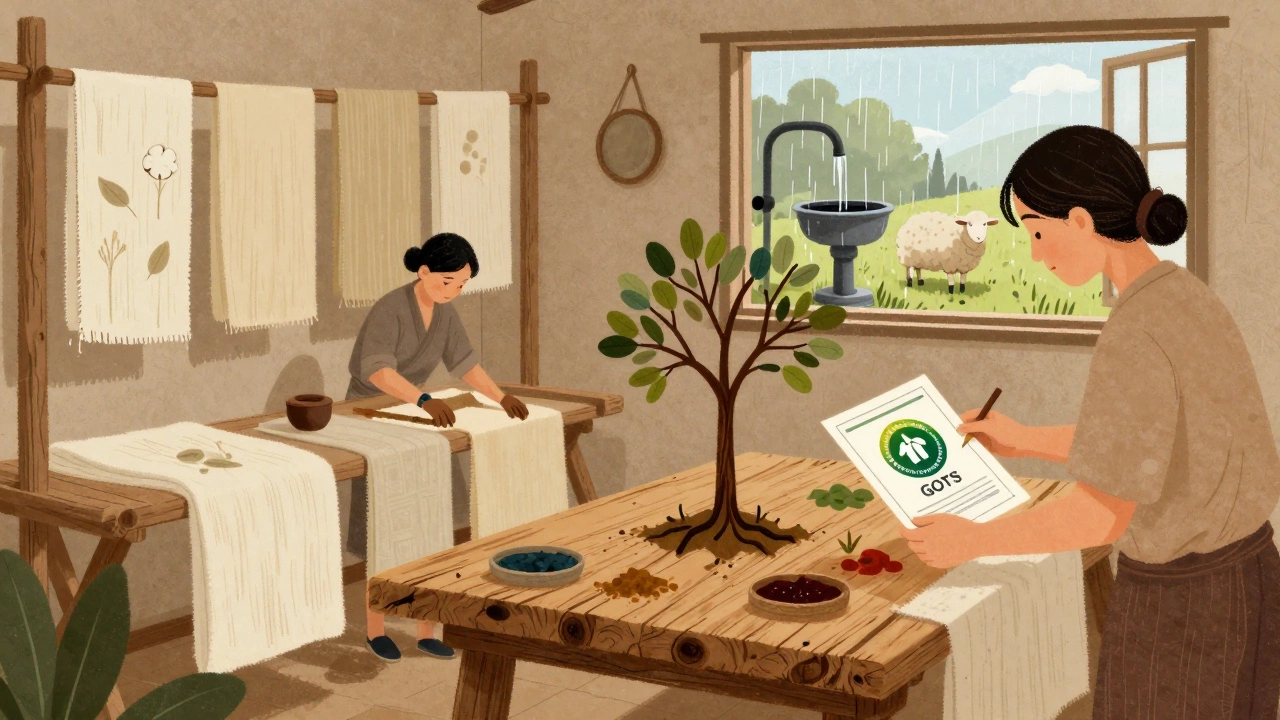
Regular cotton is one of the dirtiest crops on Earth. It uses 20% of all insecticides and 10% of pesticides globally, even though it only covers 2.5% of farmland. Organic cotton changes that. It’s grown without synthetic chemicals, and it uses 91% less water than conventional cotton, according to the Textile Exchange. Why? Because organic farms rely on rainwater and healthy soil that holds moisture better. Organic cotton also doesn’t use GMO seeds. The downside? It’s more expensive. And it still needs a lot of land. But if you’re buying T-shirts, sheets, or towels, organic cotton is the safest bet. Look for GOTS (Global Organic Textile Standard) certification - it ensures the whole process, from farm to factory, meets strict environmental and social rules.
Bamboo: Fast-Growing, But Process Matters
Bamboo sounds like a miracle plant. It grows 3 feet a day, doesn’t need pesticides, and regenerates after being cut. Sounds perfect, right? But here’s the twist: most bamboo fabric isn’t made the way you think. If it’s labeled "bamboo viscose" or "rayon from bamboo," it’s been chemically processed with solvents like carbon disulfide. That’s toxic to workers and pollutes water. The good news? There’s a cleaner method called lyocell. Companies like TENCEL™ use a closed-loop process that recycles 99% of the solvents. Bamboo lyocell is soft, breathable, and far less harmful. So when you buy bamboo, check the label. If it says "lyocell" or "TENCEL," you’re good. If it just says "bamboo fabric," you’re probably getting the dirty version.
Wool: Natural, Renewable, and Biodegradable
Wool is one of the most underrated eco-friendly materials. Sheep grow a new fleece every year - no drilling, no mining, no synthetic inputs. When wool wears out, it breaks down naturally in soil within months, returning nutrients. That’s more than you can say for polyester, which lasts 200 years. Wool also lasts longer than cotton or synthetic fibers. A good wool sweater can last 20 years with care. And it’s naturally fire-resistant and temperature-regulating. The key? Choose wool from farms that practice ethical animal care. Look for certifications like ZQ or Responsible Wool Standard (RWS). These ensure animals are treated humanely and land is managed sustainably. Avoid cheap wool - it often comes from countries with weak regulations. If you’re buying a blanket, coat, or sweater, wool is one of the best choices you can make.
Plant-Based Plastics: A Misleading Promise
You’ve seen them: compostable cutlery, plant-based bottles, cornstarch packaging. They’re marketed as "biodegradable" or "compostable." But here’s the truth: unless they go into an industrial composting facility, they won’t break down. Home compost bins? Too cold. Landfills? No oxygen. In those places, plant-based plastics behave just like regular plastic. And many still contain fossil-fuel additives. The term "biodegradable" isn’t regulated, so companies can use it even if the product takes decades to decompose. The only truly reliable option? PLA (polylactic acid) made from corn or sugarcane, certified compostable by BPI or OK Compost. But even then, you need access to a commercial composting program. In Australia, only a few cities have them. So unless you’re sure your local facility accepts it, avoid these materials. They’re not the hero they claim to be.
Reclaimed Wood: Beauty with a Story
Reclaimed wood comes from old barns, factories, bridges, and even shipwrecks. It’s not just recycled - it’s revived. Using reclaimed wood saves trees, reduces landfill waste, and gives each piece a unique history. A table made from 100-year-old floorboards has character no new wood can copy. Plus, it doesn’t need new chemical treatments. The wood has already dried and stabilized over decades. The main challenge? Availability and cost. Reclaimed wood is labor-intensive to clean, de-nail, and re-mill. But if you’re buying furniture, flooring, or shelves, it’s worth the price. Look for suppliers who track the wood’s origin. Some even give you the story behind the timber - like where the barn was, or when it was built. That’s not just sustainability - it’s heritage.
Aluminum: The Recyclable Champion
Aluminum is the MVP of recycling. It can be reused over and over without losing quality. Recycling aluminum saves 95% of the energy needed to make new aluminum from raw ore. That’s more than any other material. Every aluminum can you recycle could become a new can in 60 days. And it’s lightweight, durable, and doesn’t break down in sunlight or moisture. That’s why it’s used for everything from drink containers to bike frames. The catch? Mining bauxite (the raw ore) destroys ecosystems. So the best aluminum is 100% recycled. Look for labels that say "recycled aluminum" or "post-consumer aluminum." Brands like S’well and Hydro Flask use it in their bottles. If you’re choosing between plastic, glass, or aluminum for storage or travel, aluminum wins - as long as you recycle it properly.
What to Avoid: The Hidden Polluters
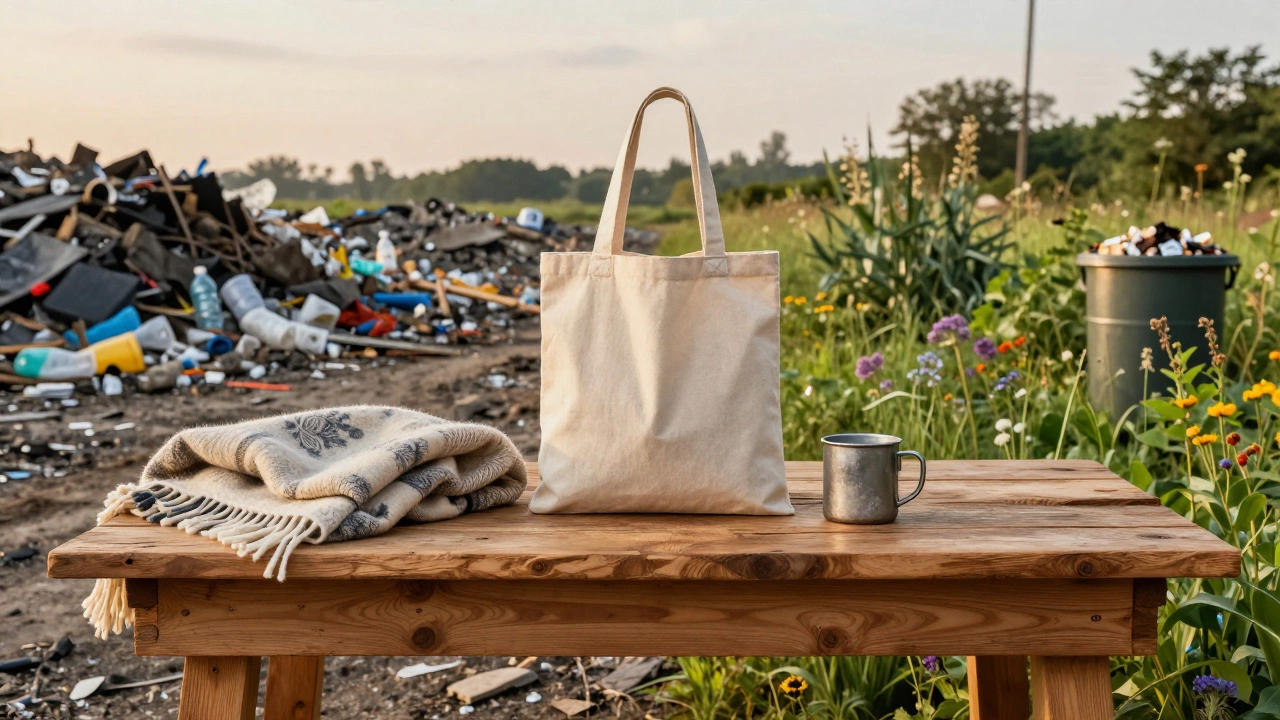
Some materials look eco-friendly but aren’t. Here’s what to skip:
- Viscose (rayon): Made from wood pulp, but uses toxic chemicals. Even "sustainable" viscose often comes from endangered forests.
- Polyester: A plastic made from oil. It sheds microplastics every time you wash it - and those end up in fish and our blood.
- Acrylic: Another plastic fiber. It’s cheap, but it’s basically synthetic wool with a huge carbon footprint.
- PVC (vinyl): Used in shower curtains, flooring, and toys. It releases dioxins during production and disposal - one of the most toxic chemicals known.
These materials are everywhere. But you don’t have to buy them. There are better options.
How to Choose: A Simple Rule
Here’s a quick test you can use before you buy:
- Is it made from renewable resources? (like plants, wool, bamboo)
- Can it be reused or repaired?
- Will it break down naturally without leaving toxins?
- Was it made with low energy and fair labor?
If you can answer yes to most of these, you’re on the right track. Don’t chase perfection. Just choose better. One item at a time.
Final Thought: It’s Not About the Material - It’s About the Habit
The most eco-friendly material? The one you already own. Buying less, repairing more, and reusing what you have beats any new "sustainable" product. But when you do need to buy something, choose wisely. Materials like organic cotton, wool, reclaimed wood, and recycled aluminum don’t just reduce harm - they restore value. They’re part of a system that works with nature, not against it. And that’s the real win.
Are biodegradable plastics really better for the environment?
Only if they’re sent to an industrial composting facility - and even then, only if they’re certified by BPI or OK Compost. Most end up in landfills where they don’t break down. In home compost bins or the ocean, they act like regular plastic. Don’t assume "biodegradable" means safe.
Is bamboo fabric always eco-friendly?
No. Bamboo fabric made with chemical processing (like viscose) is harmful. Look for bamboo lyocell or TENCEL™ instead. These use closed-loop systems that recycle solvents and are much safer for workers and the environment.
What’s the most sustainable fabric for clothing?
Organic cotton and wool are top choices. Organic cotton uses no pesticides and less water. Wool is renewable, biodegradable, and lasts years. For synthetic alternatives, recycled polyester (from plastic bottles) is better than virgin polyester, but still sheds microplastics.
Can I recycle all types of plastic?
No. Only plastics labeled #1 (PET) and #2 (HDPE) are widely accepted in recycling programs. Others - like #3 (PVC), #6 (polystyrene), and #7 - often end up in landfills or incinerators. Always check your local recycling rules.
Why is recycled aluminum better than new aluminum?
Recycling aluminum saves 95% of the energy needed to produce it from raw ore. It also reduces mining damage and cuts carbon emissions dramatically. Every recycled aluminum can becomes a new can in under two months.