UK Entry Requirements Checker (2026)
Enter your travel details below to see exactly what you need before flying to the United Kingdom.
Estimate duty/VAT on goods exceeding £390 total value.
Your Pre-Flight Checklist
Electronic Travel Authorisation (ETA)
Passport Validity Check
Customs & Duty Estimate
Don't Forget:
- Apply for ETA at least 3 days before departure.
- Carry proof of accommodation and return flight.
- Have a Type G power adapter ready.
- Keep digital copies of all documents.
You’re packing your bags, the excitement is bubbling, and you’ve booked that dream trip to London or Edinburgh. But wait-did you check if your passport expires in six months? Do you need an electronic authorization before you even land? The UK border isn’t just a gate; it’s a checkpoint with strict rules that can ruin a holiday if you miss one detail. Whether you’re coming from Sydney, New York, or Tokyo, the rules for entering the United Kingdom have shifted recently, and they’re not as simple as showing up at Heathrow.
The Electronic Travel Authorisation (ETA) Reality Check
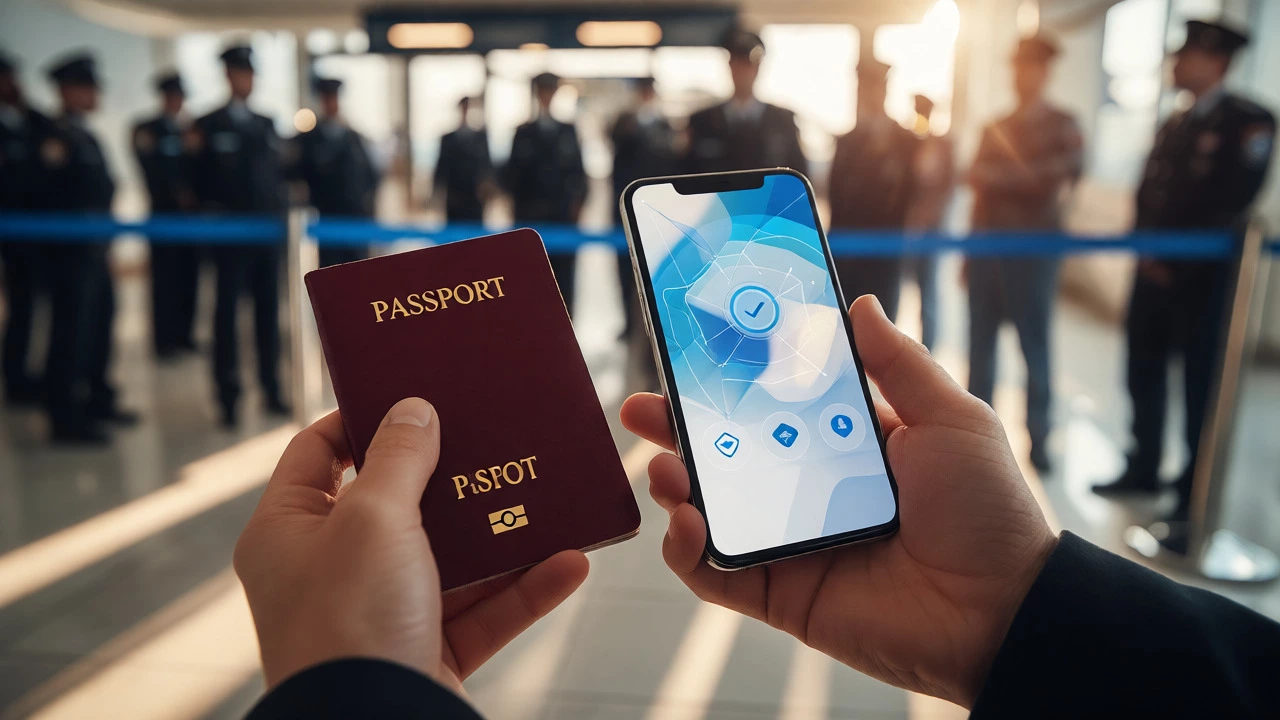
If you’re from a visa-free country-which includes most of Europe, the US, Canada, Australia, and Japan-you might think you can just hop on a plane. Not anymore. The UK has rolled out the Electronic Travel Authorisation (ETA), a digital permission slip similar to the US ESTA. By September 2026, this system is fully operational for all eligible travelers.
Here’s the deal: you must apply for an ETA online before you board your flight. It costs £10 and usually gets approved within minutes, but don’t leave it to the last second. Processing times can stretch to three days during peak travel seasons. If you show up without one, airlines will likely deny boarding because they face fines if you get rejected at the border.
- Who needs it: Citizens of visa-national countries who do not require a standard visa for short stays.
- How long it lasts: Two years or until your passport expires, whichever comes first.
- Multiple entries: Yes, you can use the same ETA for multiple trips within its validity period.
Passport Validity: The Six-Month Myth vs. Reality
This is where people get tripped up. For years, many countries required passports to be valid for six months beyond your stay. The UK is different. For most visitors, your passport only needs to be valid for the duration of your stay. That’s it.
However, there’s a catch. If you’re from a country that requires a visa, or if you’re using a non-machine-readable passport, different rules apply. Always check the specific guidance for your nationality on the GOV.UK website. But generally, if you’re an Australian or American tourist, as long as your passport is valid when you enter and exit, you’re good. Don’t let a "six-month rule" rumor keep you from traveling, but double-check your own government’s advice too, since some airlines are stricter than the law requires.
Customs and Duty-Free Allowances
Once you clear immigration, you hit customs. This is where you declare what you’re bringing in. The UK has specific limits on alcohol, tobacco, and goods. If you exceed these, you pay tax.
| Item | Allowance | Taxable Amount |
|---|---|---|
| Spirits | Up to 4 litres | Pay duty on excess |
| Wine | Up to 9 litres | Pay duty on excess |
| Beer | Up to 18 pints | Pay duty on excess |
| Cigarettes | Up to 200 cigarettes | Pay duty on excess |
| Goods Value | Up to £390 | Pay VAT/Duty on excess |
Notice the goods value limit dropped significantly after Brexit. You can bring in personal items worth up to £390 without paying duty. Anything above that? You’ll need to fill out a red form and potentially pay 20% VAT plus duty. Keep receipts handy. If you bought a nice coat in Paris before flying to London, have that receipt ready.
Health and Insurance: No Free Ride for Tourists
Many travelers assume their home health insurance covers them everywhere. Wrong. The UK’s National Health Service (NHS) provides free care to residents, not tourists. If you break your leg skiing in Scotland, you will get treated, but you’ll receive a bill afterward.
Travel insurance is non-negotiable. A minor hospital visit can cost thousands. Ensure your policy covers medical evacuation and repatriation. Also, check if you need any vaccinations. While no mandatory vaccines exist for general tourism, ensure your routine shots are up to date. If you’re visiting rural areas, tick-borne diseases like Lyme disease are present, so insect repellent is smart.
Money Matters: Cash Still Has a Place
London is a contactless paradise. You can tap-to-pay for almost everything, from black cabs to corner shops. However, smaller towns and rural pubs still prefer cash. Bring some British Pounds Sterling (£). Exchange rates fluctuate, so using a travel card with low fees often beats airport exchange booths.
Also, tip differently here. In restaurants, service charges are often included. If not, 10-15% is standard. Tipping taxi drivers by rounding up is common. Don’t over-tip expecting American-style generosity; it can confuse locals.
Transport Links: Getting From Airport to City
Heathrow Express is fast but expensive. The Elizabeth Line, opened in recent years, offers a cheaper, faster alternative into central London. Train tickets are best bought online in advance via apps like Trainline or National Rail. Peak-time fares are brutal; travel off-peak if possible.
For other airports like Gatwick or Manchester, trains connect directly to city centers. Avoid taxis unless you’re in a group or arriving very late. Uber works well in major cities but surges during rain or rush hour.
Weather Prep: Pack Layers, Not Just Sunscreen
Forget what you saw in movies. The UK weather changes hourly. Even in July, it can rain sideways. The key is layers. A waterproof jacket is essential year-round. Umbrellas are fine, but wind often turns them inside out. Wear comfortable shoes-you’ll walk more than you think.
September in the UK is mild, averaging 15°C (59°F), but evenings get chilly. Pack a sweater. If you’re heading north to Scotland, expect cooler temps and higher rainfall.

Etiquette: Queue Like a Pro
Nothing angers a Brit faster than cutting a queue. Whether waiting for a bus, a café, or a toilet, join the line at the back. Eye contact is minimal; staring is rude. Saying "sorry" excessively is cultural reflex-don’t worry if you bump into someone and both say sorry. It’s polite, not weak.
When ordering in pubs, go to the bar. Table service is rare outside tourist traps. Have your payment ready. And please, don’t shout across the room. Quiet conversations are preferred in public spaces.
Common Pitfalls to Avoid
- Assuming EU rights apply: Post-Brexit, EU citizens need ETAs too. Your old blue passport doesn’t grant automatic residency rights.
- Ignoring phone roaming: Check if your carrier charges for data in the UK. Buy a local SIM or eSIM upon arrival for better rates.
- Underestimating travel time: Trains between cities take longer than expected due to stops. Allow buffer time.
- Forgetting ID: Police can ask for ID in certain circumstances. Carry a copy of your passport and visa/ETA approval.
Frequently Asked Questions
Do I need a visa to visit the UK for tourism?
Most tourists from countries like the US, Canada, Australia, and the EU do not need a traditional visa for stays up to six months. However, you must obtain an Electronic Travel Authorisation (ETA) before traveling. Citizens of countries requiring visas must apply for a Standard Visitor Visa in advance.
How much does the UK ETA cost and how long does it take?
The ETA costs £10 per person. Applications are typically processed within 72 hours, though many are approved instantly. It is recommended to apply at least three days before departure to avoid delays.
Can I work in the UK on a tourist visa?
No, you cannot work in the UK on a standard visitor visa or ETA. Permitted activities include attending meetings, conferences, and short courses, but paid employment is prohibited. Violating this can lead to deportation and future bans.
What is the duty-free allowance for alcohol?
You can bring in up to 4 litres of spirits, 9 litres of wine, and 18 pints of beer without paying duty. These allowances are per person and apply to goods brought from outside the UK. Exceeding these limits requires declaring items and paying applicable taxes.
Is travel insurance mandatory for entering the UK?
While not legally mandatory for entry, it is highly advisable. The NHS does not provide free healthcare to tourists. Without insurance, you could face significant bills for emergency treatment. Some visa applications may require proof of insurance.
Next Steps: Your Pre-Departure Checklist
Before you zip up that suitcase, run through this list:
- Check Passport Expiry: Ensure it’s valid for your entire stay.
- Apply for ETA: Do this now if you haven’t already. Save the confirmation email.
- Book Transport: Reserve airport transfers or train tickets to save money.
- Get Insurance: Confirm coverage details match your itinerary.
- Pack Smart: Include a universal power adapter (UK uses Type G plugs).
Entering the UK is straightforward once you know the rules. The ETA is the biggest new hurdle, but it’s quick to handle. With your documents sorted and cash in hand, you’re ready to enjoy everything from the Highlands to the Thames.