Wardrobe Style Matcher
Find your perfect fit and palette in three simple steps.
Step 1: Determine Your Body Shape
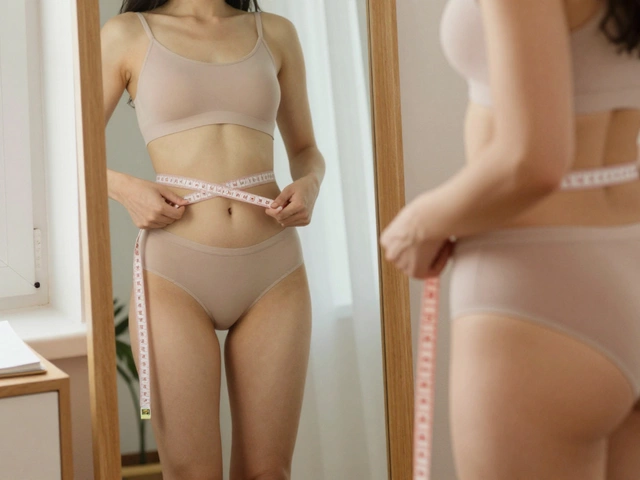
Measure your bust, waist, and hips at the widest/narrowest points respectively. Enter the measurements in inches or centimeters (consistent units).
Step 2: Identify Your Skin Undertone
Look at the veins on your inner wrist under natural light. Which description matches you best?
Your Personalized Style Profile
Recommended Silhouettes
Note: These are guidelines. Always prioritize comfort and personal preference.
Flattering Color Palette
Pro Tip: The Capsule Wardrobe Check
Before buying new items, ask yourself: "Can I wear this with at least three things I already own?" If not, put it back. Focus on cost-per-wear, not sticker price.
Ever stood in front of a full closet, feeling like you have absolutely nothing to wear? It’s frustrating. You buy clothes because they look good on the hanger or because an influencer wore them, but when you try them on, something feels off. The truth is, choosing the right clothes isn’t about following every trend that pops up on social media. It’s about understanding your own body, your daily life, and what makes you feel confident. If you’re tired of wasting money on items that sit in the back of your drawer, this guide will help you build a wardrobe that actually works for you.
Know Your Body Shape (And Why It Matters)
Let’s get one thing straight: there is no "perfect" body shape. Fashion guides often talk about hourglass, pear, apple, rectangle, and inverted triangle shapes. These aren’t rigid boxes; they’re just tools to help you understand where your weight distributes naturally. Knowing yours helps you highlight features you love and balance out areas you might want to minimize.
If you have an hourglass figure, defined by balanced shoulders and hips with a narrower waist, you’ll likely find that fitted styles accentuate your natural curves. Think wrap dresses or belted coats. For those with a pear shape, where hips are wider than shoulders, drawing attention upward is key. V-neck tops, statement earrings, and structured shoulder details can create visual balance. Apple shapes, who carry more weight around the midsection, often feel best in empire waists or flowy tunics that skim rather than cling. Rectangles, with similar measurements across the board, benefit from creating curves through peplum tops or layering. Inverted triangles, broader at the shoulders, look great in A-line skirts and wide-leg trousers that add volume below the waist.
Don’t obsess over these labels too much. Use them as a starting point, not a rulebook. Try different silhouettes and see what makes you feel comfortable and powerful.
Assess Your Lifestyle Needs
Your wardrobe should match how you actually live, not how you wish you lived. If you work in a corporate office but spend weekends hiking, buying only blazers and heels won’t serve you well. Take a week to track your activities. How many days do you spend sitting at a desk? How many involve physical movement? Do you attend formal events regularly?
A common mistake is buying for the "fantasy self." We buy cocktail dresses for parties we rarely attend or tailored suits for jobs that don’t exist yet. Instead, aim for a realistic ratio. If 80% of your time is spent in casual settings, 80% of your budget should go toward high-quality casual wear. This approach ensures that most of your clothes get regular use, maximizing your return on investment.
Understand Color Theory Basics
Color can make or break an outfit. You don’t need a degree in art to pick flattering shades, but understanding a few basics helps. First, identify your undertone. Are you warm, cool, or neutral? Warm undertones often suit earth tones like olive, mustard, and rust. Cool undertones shine in jewel tones like emerald, sapphire, and purple. Neutral undertones can pull off a mix of both.
You can test this quickly by looking at the veins on your wrist under natural light. Greenish veins suggest warm undertones, while bluish ones indicate cool. If it’s hard to tell, you’re likely neutral. Once you know your palette, stick to colors that complement your skin tone. Wearing a color that clashes with your undertone can make you look tired, even if the cut of the clothing is perfect.
| Undertone | Vein Color | Best Jewelry | Recommended Palette |
|---|---|---|---|
| Warm | Greenish | Gold | Olive, Rust, Cream, Brown |
| Cool | Bluish | Silver | Black, White, Blue, Purple |
| Neutral | Mixed/Hard to tell | Both Gold/Silver | Pastels, Soft Reds, Muted Tones |
The Importance of Fabric Quality
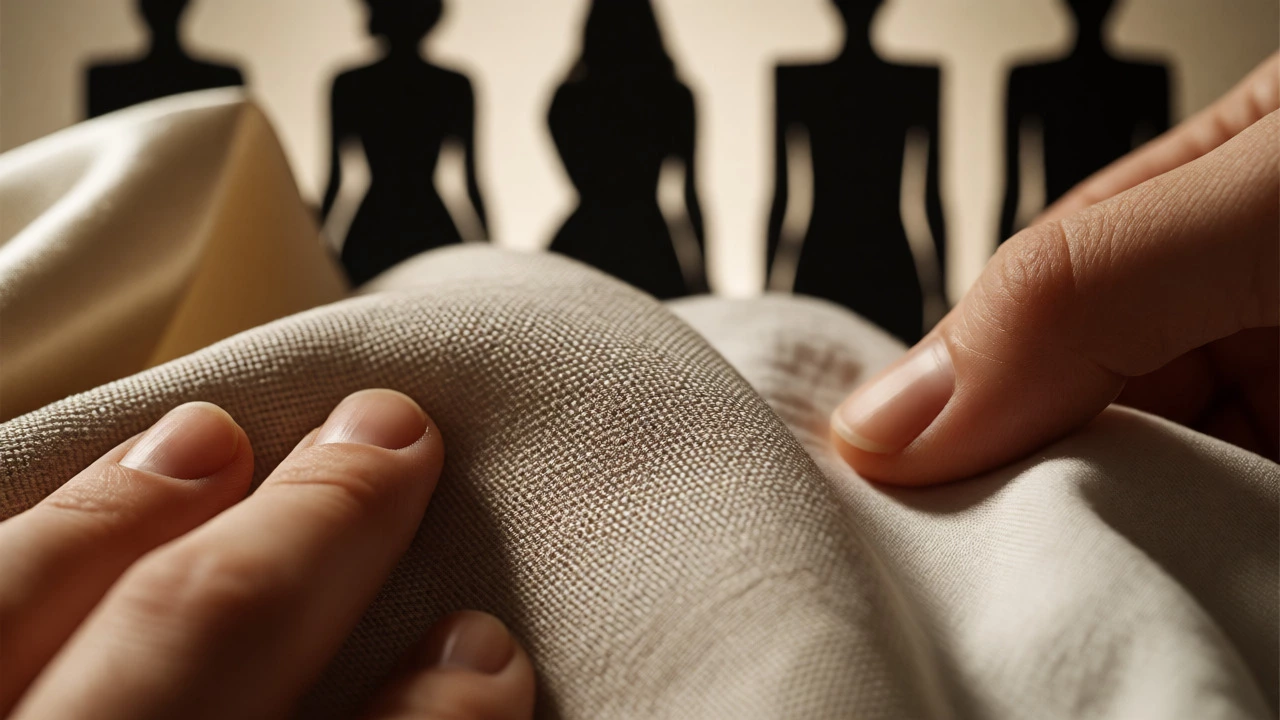
Cheap fabric looks cheap, no matter how trendy the design. When choosing clothes, always check the care label. Natural fibers like cotton, linen, wool, and silk generally breathe better and last longer than synthetic blends like polyester or nylon. However, synthetics aren’t always bad. Modern technical fabrics offer stretch, durability, and moisture-wicking properties that natural fibers lack.
For everyday wear, look for blends that offer comfort and resilience. A cotton-polyester blend might wrinkle less than 100% cotton, making it ideal for travel or busy workdays. For special occasions, pure silk or wool provides a luxurious drape and feel. Run your hand over the fabric. Does it feel rough? Is it thin enough to see through? These tactile cues are often better indicators of quality than the brand name on the tag.
Fit Is King (Or Queen)
You can buy the most expensive designer shirt, but if it doesn’t fit properly, it will look sloppy. Fit is non-negotiable. Many people wear sizes that are wrong for them because they haven’t been measured recently. Bodies change due to age, stress, and lifestyle shifts. Get professionally measured at least once a year.
Pay attention to specific areas: shoulder seams should end exactly at the edge of your shoulders, not droop down or pinch. Pants should sit comfortably at your natural waist without digging in. Sleeves should hit at the wrist bone. If a piece almost fits but has minor issues, consider taking it to a tailor. Spending $20 on alterations can save a $100 garment, making it look custom-made.
Building a Capsule Wardrobe
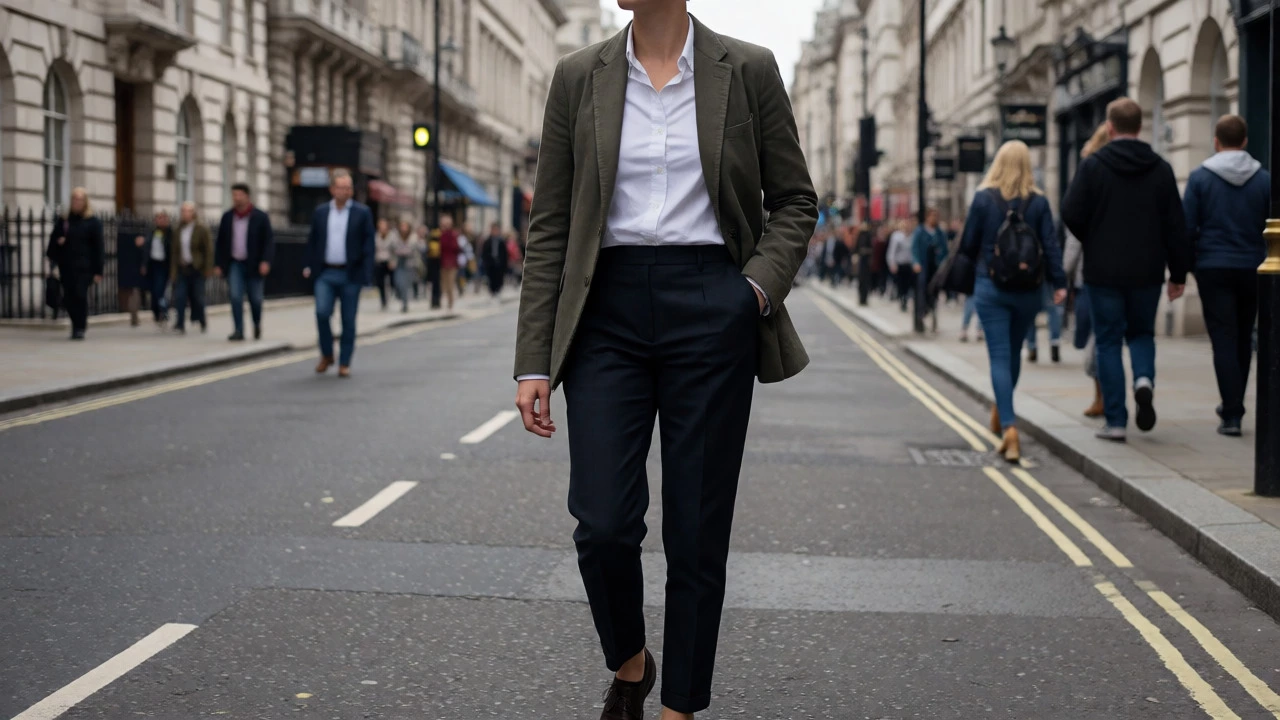
A capsule wardrobe consists of versatile, interchangeable pieces that mix and match easily. Start with neutrals-black, white, navy, grey, beige-as your base. These colors pair well with almost anything. Then, add a few statement pieces in colors or patterns that reflect your personality.
Here’s a simple checklist for a starter capsule:
- Two pairs of well-fitting jeans (one dark wash, one lighter).
- One pair of tailored trousers.
- Three basic t-shirts in solid colors.
- One button-down shirt.
- One sweater or cardigan.
- One versatile jacket (denim, leather, or blazer).
- One dress that works for multiple occasions.
This foundation allows you to create dozens of outfits with minimal effort. Before buying new items, ask yourself: "Can I wear this with at least three things I already own?" If the answer is no, put it back.
Common Mistakes to Avoid
Buying clothes on sale just because they’re discounted is a huge trap. A $50 shirt that you never wear costs you $50. A $100 shirt you wear weekly costs pennies per wear. Focus on cost-per-wear rather than the sticker price.
Another mistake is ignoring climate and weather. Living in Sydney means dealing with hot summers and mild winters. Heavy wool coats might be overkill, while breathable linens are gold. Always shop for the season ahead, but ensure the materials suit your local environment.
How do I know my body shape?
Measure your bust, waist, and hips. Compare the numbers. If your bust and hips are roughly equal and your waist is significantly smaller, you’re an hourglass. If hips are larger, you’re a pear. If shoulders are wider, you’re an inverted triangle. If all measurements are similar, you’re a rectangle. If the waist is the largest part, you’re an apple.
What colors look best on everyone?
While personal preference matters, neutral colors like black, white, navy, and grey tend to be universally flattering. Earth tones also work well for many skin tones. Ultimately, the best color is one that complements your specific undertone and makes you feel confident.
Is it worth paying for tailoring?
Yes, especially for structured items like blazers, trousers, and dresses. Tailoring adjusts mass-produced garments to your unique proportions, improving fit and appearance significantly. It extends the life of your clothes and saves money in the long run by preventing returns or replacements.
How many clothes do I really need?
There’s no magic number, but a capsule wardrobe of 30-40 items (including shoes and accessories) is often sufficient for most people. The key is versatility. Ensure each item serves a purpose and mixes well with others to avoid clutter.
Should I follow trends?
Trends are fun, but don’t let them dictate your entire wardrobe. Invest in timeless staples first. Add trendy pieces sparingly, ensuring they align with your personal style and lifestyle. This prevents your closet from becoming outdated quickly.
Final Thoughts on Style Confidence
Choosing the right clothes is a journey, not a destination. Your style will evolve as you do. What worked five years ago might not resonate today, and that’s okay. Experiment, take risks, and listen to your gut. If an outfit makes you feel uncomfortable or self-conscious, it’s probably not the right choice, regardless of how fashionable it is. Prioritize comfort, fit, and authenticity. When you wear clothes that reflect who you are, confidence follows naturally.