Body Type Calculator
Measure Your Body
Enter your measurements in inches. We'll determine your body type and show styling tips.
Knowing your body type isn’t about fitting into a box-it’s about dressing in a way that makes you feel confident and comfortable. Too many people buy clothes based on trends, only to end up feeling awkward or unflattered. The truth? Some styles simply work better with certain body shapes. And once you understand yours, shopping becomes easier, faster, and way more satisfying.
What Exactly Is a Body Type?
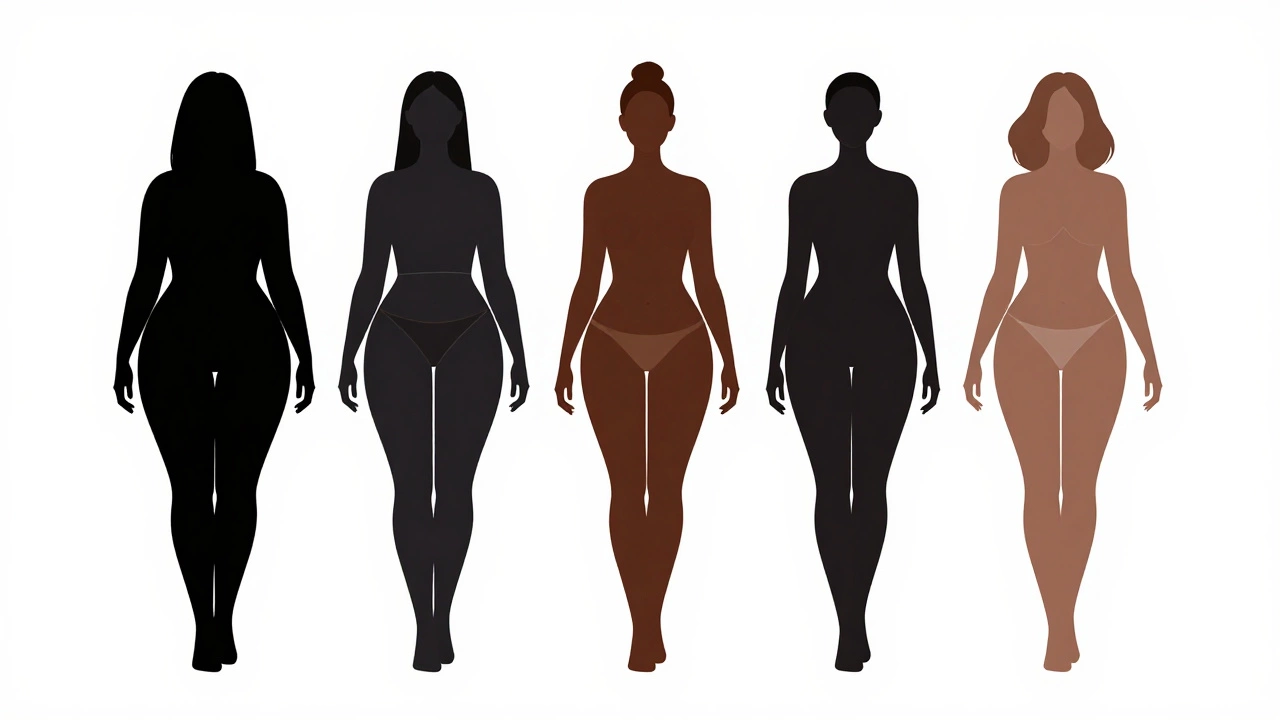
Your body type is the natural shape your body takes when you’re not carrying extra weight or muscle. It’s determined by where your body stores fat, where your bones are widest, and how your proportions balance out. There are five common body types: hourglass, pear, apple, rectangle, and inverted triangle. These aren’t rigid categories-they’re guides to help you see what works.
For example, someone with an hourglass shape has balanced shoulders and hips with a clearly defined waist. Someone with a pear shape has wider hips than shoulders. These differences affect how clothes drape, where volume looks best, and where you might want to minimize or emphasize.
Step-by-Step: How to Measure Your Body Type
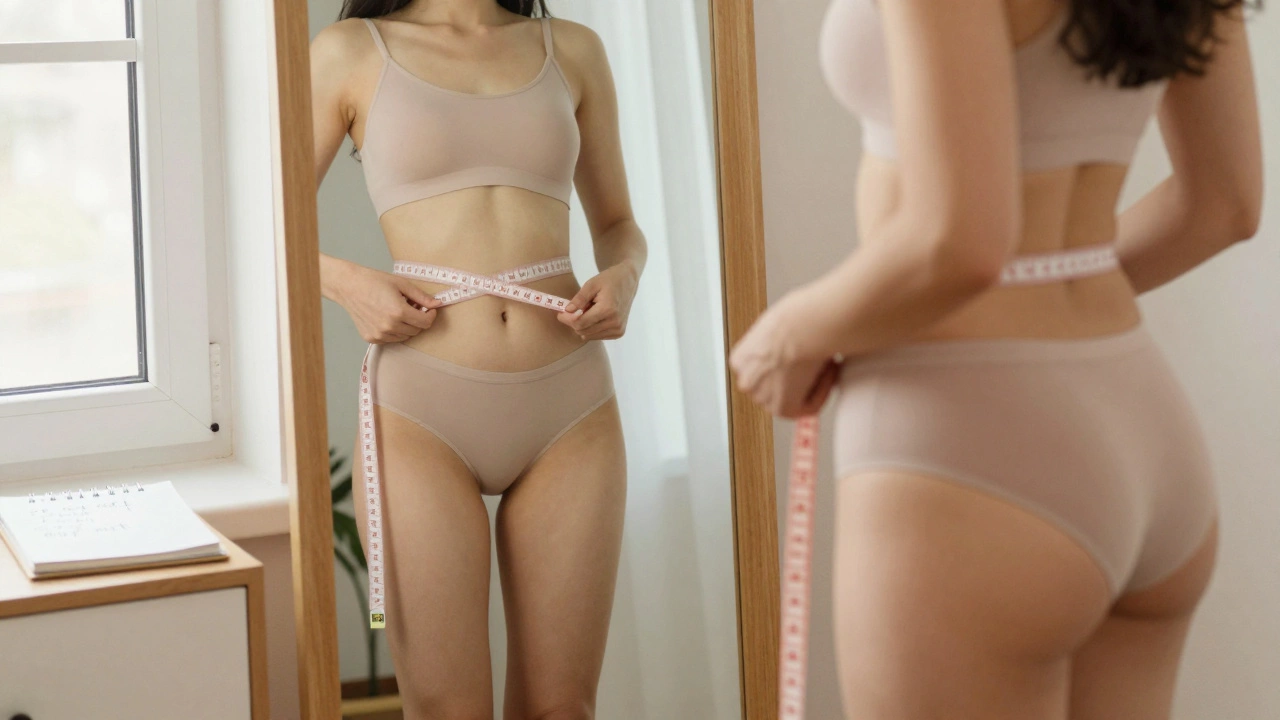
You don’t need a professional tailor. All you need is a soft measuring tape, a mirror, and 10 minutes.
- Stand naturally. Wear fitted clothing or underwear. Don’t suck in your stomach or stand with your feet too far apart.
- Measure your bust. Wrap the tape around the fullest part of your chest, keeping it level. Don’t pull too tight.
- Measure your waist. Find your natural waist-the narrowest part of your torso, usually just above your belly button. Breathe normally while measuring.
- Measure your hips. Wrap the tape around the fullest part of your buttocks. This is often about 7-9 inches below your waist.
- Measure your shoulders. Measure from the edge of one shoulder bone to the other, across the back.
Now compare the numbers:
- If your bust and hips are within 2 inches of each other and your waist is at least 8 inches smaller → hourglass
- If your hips are more than 5 inches wider than your bust → pear
- If your bust and shoulders are wider than your hips by 5+ inches → inverted triangle
- If your bust, waist, and hips are within 2 inches of each other → rectangle
- If your waist is less than 9 inches smaller than your bust or hips, and your hips aren’t noticeably wider → apple
Don’t worry if you’re somewhere in between. Most people are a mix. That’s normal. The goal isn’t to label yourself perfectly-it’s to spot patterns.
What to Wear Based on Your Body Type
Once you know your shape, you can start choosing clothes that enhance your best features and balance your proportions.
Hourglass
Your waist is your asset. Highlight it.
- Wear fitted dresses, wrap tops, and high-waisted pants.
- Belts, peplum tops, and A-line skirts work wonders.
- Avoid boxy jackets, overly loose tunics, or straight-cut dresses that hide your waist.
Pear
Your lower half is fuller. Balance it by drawing attention upward.
- Choose tops with details-ruffles, prints, or bold necklines.
- Dark, straight-leg jeans or A-line skirts help minimize hip width.
- Avoid tight leggings, skinny jeans with no stretch, or short hemlines that emphasize thighs.
Apple
Your midsection is your widest part. Focus on elongating your frame and softening your waist.
- Opt for V-necks, empire waists, and flowy tops that skim over your stomach.
- Choose structured blazers and A-line dresses that create a vertical line.
- Avoid high-waisted pants that dig into your waist, tight t-shirts, and horizontal stripes across your middle.
Rectangle
You have minimal curves. Add shape where you want it.
- Try peplum tops, belted coats, and ruched dresses to create the illusion of a waist.
- Layering adds dimension-think cardigans over tanks or jackets over dresses.
- Avoid boxy, straight-cut clothes that make you look shapeless.
Inverted Triangle
Your shoulders are broader than your hips. Balance them by adding volume below.
- Wear A-line skirts, wide-leg pants, and flared dresses.
- Choose darker tops and lighter bottoms to visually shift attention down.
- Avoid shoulder pads, boatnecks, and oversized tops that make shoulders look wider.
Common Mistakes People Make
Even after learning your body type, many still fall into traps.
- Thinking one size fits all. A size 10 in one brand can be a size 14 in another. Fit matters more than the number.
- Ignoring fabric. Stiff materials cling and highlight problem areas. Stretchy, drapey fabrics like rayon, jersey, and modal move with your body.
- Chasing trends. If a trend doesn’t suit your shape, skip it. Not every silhouette works for everyone.
- Only shopping online. You can’t tell how something fits without trying it on. Buy basics online, but test key pieces in-store.
What If You’re Not Sure?
It’s okay to be unsure. Many people don’t fit neatly into one category. That’s why it’s better to think in terms of proportions, not labels.
Ask yourself:
- Where do I carry the most weight?
- What do I feel most confident wearing?
- What do I always avoid and why?
Keep a photo journal. Take a full-body photo in natural light, wearing fitted clothes. Look at it weekly. Over time, you’ll notice patterns. You might realize you always tuck in shirts because you like the waist definition-that’s your body telling you what works.

Body Type Isn’t Everything
Understanding your body type helps you make smarter choices-but it doesn’t dictate your style. You can still wear anything you love. This isn’t about rules. It’s about reducing frustration.
Someone with an apple shape can wear a crop top if they want to. But knowing their waist is sensitive, they might pair it with high-waisted wide-leg pants to balance the look. It’s not about hiding-it’s about harmonizing.
Confidence comes from wearing clothes that feel like you, not like someone else’s idea of what you should look like.
Start Small, Build Confidence
You don’t need to overhaul your wardrobe tomorrow. Pick one item to test.
For example:
- If you’re a rectangle, try a belted trench coat next time you shop.
- If you’re a pear, pick a top with a bold neckline and wear it with dark jeans.
- If you’re an apple, try an empire-waist dress and notice how it feels.
Wear it out. Get feedback. Take another photo. See how you feel.
That’s how real style grows-not from following lists, but from experimenting and paying attention to how you feel in your skin.
Can my body type change over time?
Yes. Weight gain, muscle gain, pregnancy, or aging can shift your proportions. Your body type isn’t fixed. What matters is how your body looks and feels now. Reassess every 1-2 years or after major changes.
Do I need to lose weight to look good in certain clothes?
No. Clothing is designed to flatter, not fix. Many people look great in their current shape-they just haven’t found the right cuts yet. Focus on fit and silhouette, not scale numbers. A well-fitted dress on a pear shape looks better than a poorly fitting one on a smaller frame.
Are body types based on race or ethnicity?
No. The five body types are based on skeletal structure and fat distribution patterns, which vary across individuals regardless of ethnicity. While some populations may statistically show higher frequencies of certain shapes, the system works for everyone. What matters is your personal proportions, not your background.
What if I’m tall and thin or short and curvy?
Height doesn’t change your body type-it just changes how proportions appear. A tall rectangle still needs waist definition. A short pear still benefits from balanced tops. Focus on the relationship between your bust, waist, and hips, not your height. Tailoring can help adjust length, but shape principles stay the same.
Can I have more than one body type?
Yes. Most people are a blend. For example, you might have the shoulders of an inverted triangle but the hips of a pear. In that case, prioritize the most dominant feature. If your hips are significantly wider, treat it as a pear shape with broader shoulders. Use styling to balance both.