
Body Transformation Timeline Simulator
Click on a phase below to see what is happening inside your body and what you can realistically expect to see or feel.
What's Happening Internally?
The nervous system is learning how to recruit muscle fibers efficiently. This is called neural adaptation. You might feel stronger, but your muscles aren't physically bigger yet—they are just better at firing together.
What You See/Feel
Better sleep, more energy, and maybe slight strength gains. Do not be discouraged by the lack of major visual changes; this is normal for the first month.
Quick Tip: Track Progress Beyond the Scale
Remember, muscle weighs more than fat by volume. Use these metrics instead of just the scale:
- Progress Photos: Take front, side, and back shots every two weeks.
- Measurements: Use a tape measure for waist, hips, chest, and thighs monthly.
- Clothing Fit: If jeans feel looser, that is real progress.
You hit the gym (or your living room) with a plan. You’re sweating, you’re sore, and you’re checking the mirror every morning. But three weeks in, nothing looks different. Why? Because body transformation is a biological process, not an overnight switch. Most people quit right before the visible changes start happening because they don’t know what’s actually going on under their skin.
The honest answer? It takes about 12 to 16 weeks to see significant visual changes if you’re consistent. But that’s just the surface level. Your body goes through distinct phases of adaptation, and knowing where you are in this timeline helps you stay sane when the scale won’t budge or your clothes feel tighter for no reason.
The Quick Timeline: What Happens When?
| Timeframe | What’s Happening Internally | What You See/Feel |
|---|---|---|
| Weeks 1-4 | Nervous system learns movement patterns; initial water weight fluctuation. | Better sleep, more energy, maybe slight strength gains. No major visual change yet. |
| Weeks 5-8 | Muscle fibers begin repairing and growing; metabolism starts to shift. | Clothes fit differently around waist/hips. Strength increases noticeably. |
| Weeks 9-12 | Visible muscle definition begins; fat cells shrink significantly. | Friends notice changes. Photos show clear difference from Week 1. |
| Months 4-6+ | Sustainable habit formation; long-term metabolic adaptation. | New normal. Body composition has changed fundamentally. |
Why the First Month Feels Like Nothing Is Happening
Here’s the frustrating truth: in the first four weeks, your brain is doing most of the work. When you start lifting weights or doing high-intensity intervals, your nervous system has to learn how to recruit muscle fibers efficiently. This is called neural adaptation. You might feel stronger, but your muscles aren’t physically bigger yet. They’re just better at firing together.
Meanwhile, if you’ve cut calories, you might lose 2-5 pounds in week one. But guess what? That’s mostly water. As your body uses up glycogen stores (stored carbs), it releases the water attached to them. Don’t get discouraged. Real fat loss is slower-typically 0.5 to 1 pound per week is healthy and sustainable. If you’re losing more than that, you’re probably cutting muscle too, which slows your metabolism down later.
The Role of Home Workout Equipment in Speeding Things Up
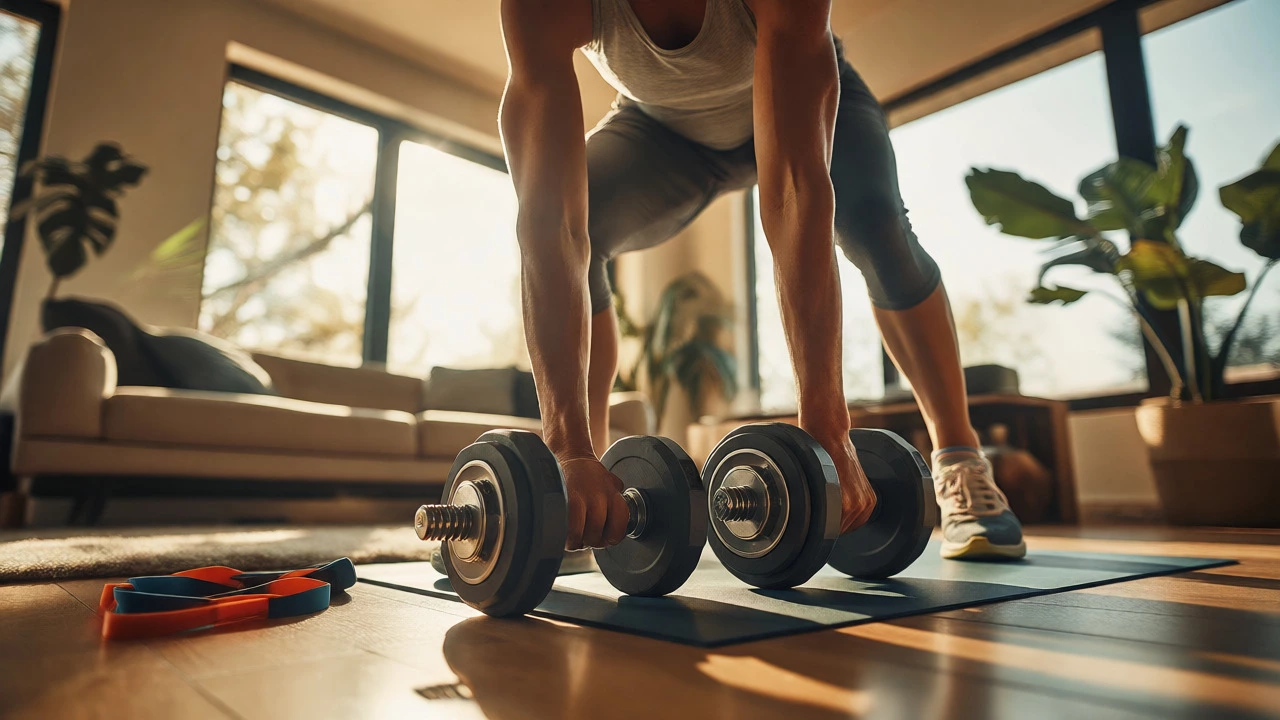
You don’t need a fancy gym membership to transform your body, but having the right home workout equipment removes friction. The biggest killer of consistency isn’t lack of motivation-it’s logistics. If you have to drive 20 minutes to the gym, you’ll skip workouts when it rains or when you’re tired. If your dumbbells are in the corner of your bedroom, you’ll do them.
Adjustable dumbbells and resistance bands are game-changers here. They let you progressively overload your muscles without taking up space. Progressive overload-gradually increasing the weight or difficulty-is the only way to force your body to change. Without it, you plateau. With it, you keep burning calories even after you stop exercising (that’s the afterburn effect).
Cardio vs. Weights: Which Changes Your Body Faster?
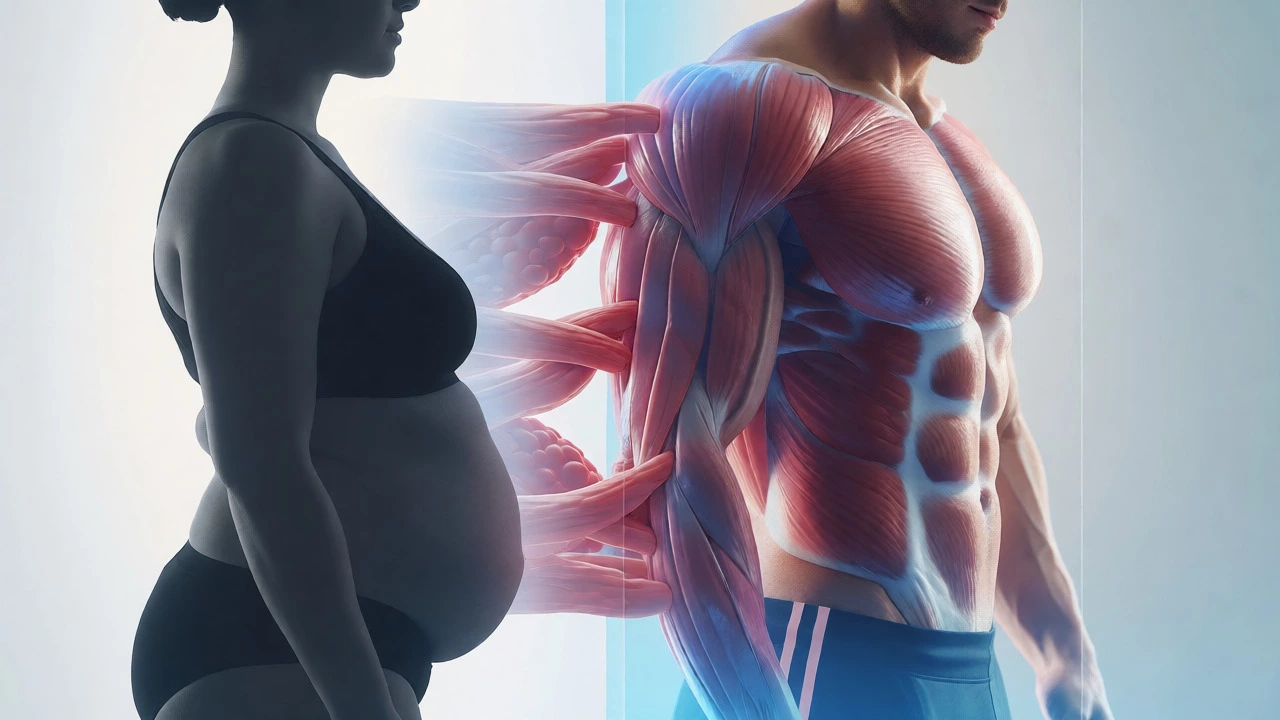
Many people think endless cardio melts fat fastest. It doesn’t. Cardio burns calories while you do it. Weights burn calories while you do it *and* while you rest, because building muscle raises your resting metabolic rate. A pound of muscle burns about 6-10 calories a day at rest. Not huge, but over months, it adds up.
If you want to look "fit" rather than just "skinny," prioritize resistance training. Aim for 3-4 days of strength work per week. Add 1-2 days of moderate cardio for heart health and extra calorie burn. Doing only cardio often leads to the "skinny-fat" look-you lose weight but keep the softness because there’s no muscle structure underneath.
Why Diet Matters More Than Exercise for Visible Results
You can’t out-train a bad diet. Seriously. Running for 30 minutes burns roughly 300 calories. That’s one slice of pizza. If you eat back everything you burn, you’ll spin your wheels. For visible abs or toned arms, you need to reduce body fat percentage, and that’s primarily controlled by what you eat.
Aim for a modest calorie deficit-about 300-500 calories below maintenance. Eat enough protein (around 1.6 grams per kilogram of body weight) to protect your muscles while you lose fat. If you cut calories too aggressively, your body fights back by slowing metabolism and making you hungry. Consistency beats intensity every time.
Factors That Slow Down Your Progress
- Poor Sleep: Less than 7 hours disrupts hunger hormones (ghrelin and leptin). You’ll crave sugar and store more fat.
- Stress: High cortisol levels promote abdominal fat storage. Manage stress through walking, meditation, or hobbies.
- Inconsistency: Working out hard once a week does less than working out moderately four times a week.
- Ignoring Recovery: Muscles grow during rest, not during workouts. Overtraining leads to injury and burnout.
How to Track Progress Beyond the Scale
The scale lies. Muscle weighs more than fat by volume. You could lose inches and gain weight simultaneously. Instead, use these metrics:
- Progress Photos: Take front, side, and back shots every two weeks in the same lighting and outfit.
- Measurements: Use a tape measure for waist, hips, chest, and thighs monthly.
- Strength Logs: Are you lifting heavier? Doing more reps? That means your body is changing.
- Clothing Fit: Do your jeans feel looser? That’s real progress.
When Will Others Notice?
Usually around the 8-12 week mark. Before that, you’re the only one who knows you’re trying. Around month three, casual acquaintances might say, "Have you been working out?" By month six, close friends will definitely comment. This social validation can be a powerful motivator, but don’t wait for it to keep going. Build habits for yourself, not for compliments.
Can I lose fat and gain muscle at the same time?
Yes, especially if you’re new to exercise or returning after a break. This is called "body recomposition." It works best when you’re slightly overweight and eating adequate protein while lifting weights. Advanced athletes find it harder and usually need to focus on one goal at a time.
Does spot reduction work for belly fat?
No. You cannot choose where your body loses fat first. Genetics determine this. Doing 100 crunches strengthens your abs, but it won’t melt the fat covering them. Overall calorie deficit reduces fat everywhere, including your midsection, eventually revealing the muscle underneath.
How many days a week should I work out to see results?
Three to five days is the sweet spot for most people. It allows enough stimulus for change while providing recovery time. Daily intense workouts often lead to burnout. Focus on quality over quantity-if you’re giving 100% effort, you don’t need to train every single day.
Is home workout equipment as effective as a gym?
For general fitness and body transformation, yes. Adjustable dumbbells, kettlebells, and resistance bands allow progressive overload, which is key for muscle growth. Gyms offer variety and community, but if you’re disciplined, home setups often yield better results due to higher consistency and lower barriers to entry.
What if my weight stops dropping after a few weeks?
This is common and called a plateau. Your body adapts to the new routine. Try changing your workout intensity, adjusting calories slightly, or improving sleep. Remember, weight stalls happen due to water retention or muscle gain masking fat loss. Check measurements instead of panicking.