Eco-Friendly Claim Verifier
Check the following criteria against a product's packaging or website. How many can you verify?
Waiting for input...
Select the criteria above that apply to the product you are reviewing to see your assessment.
You’ve seen the label on everything from shampoo to sneakers. It promises a better choice for the planet, but what does it actually mean? When people ask what is eco-friendly short for, they are usually looking for the literal abbreviation or a quick definition. But the term has evolved far beyond a simple prefix.
"Eco" comes from "ecology," the study of how organisms interact with their environment. "Friendly" suggests harmlessness or support. So, literally, eco-friendly means "good for ecology." However, in the modern marketplace, it’s a complex badge that signals reduced negative impact on the natural world. It doesn’t mean zero impact; it means less damage than the conventional alternative.
The Literal Breakdown: Ecology and Harm Reduction
To understand the weight of the word, you have to look at its roots. Ecology is not just about trees and animals; it’s a web of interactions between living things and their physical surroundings. When a product is labeled eco-friendly, it claims to disrupt this web less than standard options.
This distinction is crucial. We live in an industrialized world where almost every manufactured item has an environmental cost. Mining materials, transporting goods, and processing energy all leave a mark. An eco-friendly product acknowledges this reality. Instead of pretending there is no impact, it aims to minimize it. Think of it like dieting. You aren't eating nothing; you are choosing foods with lower calorie density and higher nutritional value. Eco-friendly choices are the low-calorie, high-nutrition options of consumerism.
Eco-Friendly vs. Sustainable: Knowing the Difference
People often use these terms interchangeably, but they point to different timeframes and goals. Understanding this difference helps you make smarter purchasing decisions.
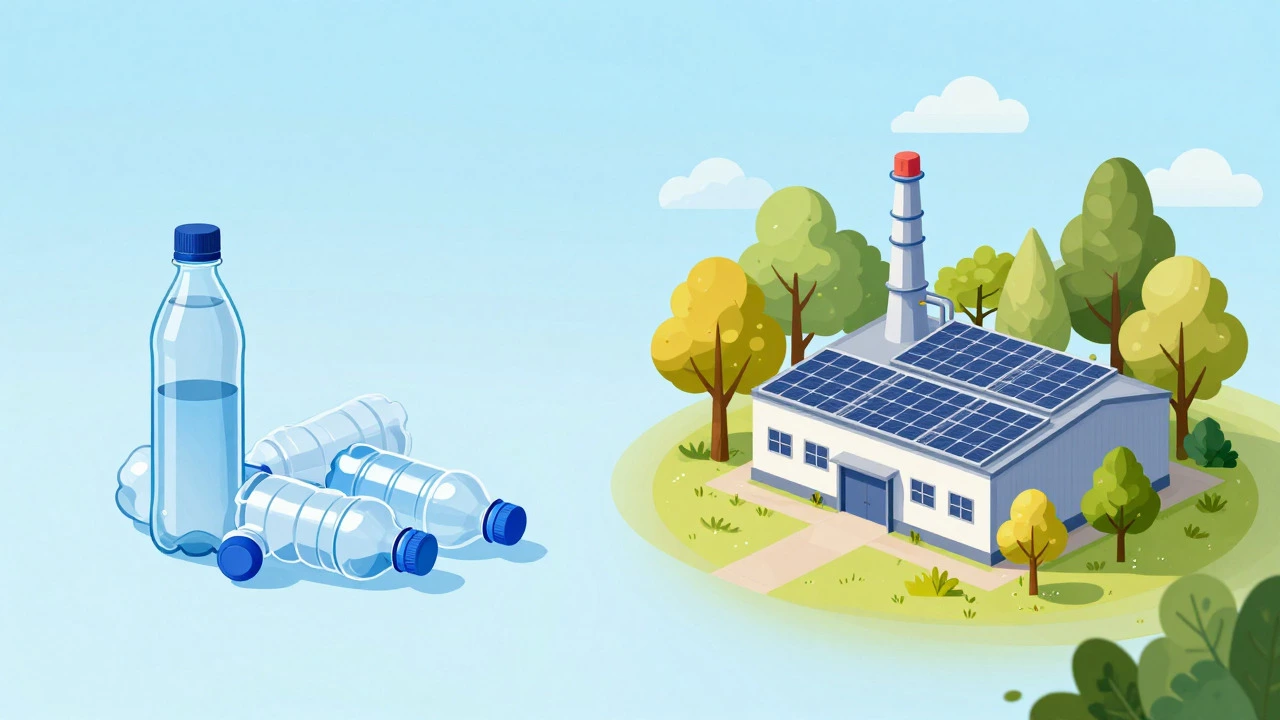
- Eco-Friendly: Focuses on the immediate or short-term impact of a single product or action. It asks, "Does this hurt the environment less right now?" Example: Using a reusable water bottle instead of plastic ones reduces immediate waste.
- Sustainable: Focuses on long-term viability and systemic balance. It asks, "Can we keep doing this forever without running out of resources?" Example: Transitioning a factory to solar power ensures the business can operate for decades without depleting fossil fuels.
A product can be eco-friendly without being fully sustainable. A bamboo toothbrush is eco-friendly because it biodegrades faster than plastic. But if the bamboo was grown using heavy pesticides and shipped halfway across the world in a diesel truck, its sustainability score drops significantly. True sustainability looks at the entire lifecycle, not just the final disposal.
How to Spot Genuine Eco-Friendly Claims
Greenwashing is real. Companies love the halo effect of the word "eco." They might print a leaf logo on a package made of non-recyclable plastic. How do you tell the difference between a genuine effort and marketing fluff?
Look for specific certifications rather than vague adjectives. Words like "natural," "green," or "earth-conscious" mean very little legally. Certifications, however, involve third-party audits. If you see logos from recognized bodies, you can trust the claim more. These organizations verify that the product meets specific standards for material sourcing, manufacturing processes, and end-of-life disposal.
Also, check the supply chain transparency. A truly eco-friendly brand will tell you where their materials come from. Do they know who grows the cotton? Do they know which factory stitches the shirt? If the answer is opaque, the "eco-friendly" claim is likely weak. Transparency is the best friend of accountability.

Common Examples in Daily Life
It helps to see how this applies to items you buy every week. Here are three common scenarios where the eco-friendly label changes the math of your purchase.
- Cleaning Supplies: Conventional cleaners often contain synthetic fragrances and harsh chemicals that run off into waterways. Eco-friendly versions use plant-based ingredients that break down quickly. They might smell less "fresh