Find Your Best Workout Time
Answer these quick questions to discover when you are most likely to stick to a routine.
You just bought your first set of dumbbells or maybe you’re eyeing a sturdy resistance band. You’re ready to move. But then the question hits you: When should I actually do this?
It’s not just about finding ten minutes in your day. It’s about finding the right ten minutes where your body is primed, your mind is clear, and you won’t quit after three days. The truth? There is no single "magic hour" that works for everyone. But there is a best time for you, and figuring it out is half the battle.
The Morning Myth vs. Reality
We’ve all heard it: "Wake up at 5 AM and crush it." For some, this is life-changing. For most beginners, it’s a recipe for hitting snooze until 8 AM and feeling guilty all day. Morning workouts have real perks, though. Your cortisol levels (the stress hormone) are naturally higher in the morning, which can help with alertness. Plus, if you work out before the day gets chaotic, you’re less likely to skip it because of an unexpected meeting or a late dinner.
However, your body temperature is lower in the early morning. This means your muscles and joints are stiffer. If you jump into high-intensity interval training (HIIT) without a proper warm-up, you risk injury. If you’re a morning person, great. Stick with it. But don’t force yourself to be someone you’re not just because a fitness influencer said so.
Why Afternoon Might Be Your Sweet Spot
Here’s something science backs up repeatedly: physical performance often peaks between 2 PM and 6 PM. Why? Because your core body temperature reaches its highest point during these hours. Warmer muscles contract more efficiently, generate more power, and recover faster. Reaction times are quicker, and strength output can be slightly higher.
If your goal is to build muscle or improve athletic performance, afternoon sessions might give you a slight edge. But let’s be honest-most beginners aren’t training for the Olympics. They’re trying to lose weight, feel better, or keep their doctor happy. In this case, consistency matters way more than peak performance metrics.
The Evening Workout: Good or Bad?
Many people dread working out at night because they fear it will wreck their sleep. And sometimes, it does. High-intensity exercise raises your heart rate and body temperature, which can make it hard to fall asleep if you hit the pillow immediately after. However, moderate exercise like yoga, walking, or light strength training can actually help you relax.
If you work evenings or prefer winding down after dinner, evening workouts are perfectly fine. Just leave a buffer zone. Try to finish vigorous activity at least one to two hours before bed. Use this time to decompress from work stress. Many people find that moving their body helps them disconnect from their screens and mental clutter.
| Time Slot | Best For | Potential Pitfalls | Tip for Success |
|---|---|---|---|
| Morning | Consistency, fat loss potential, mental clarity | Stiff joints, low energy, requires discipline | Pack gym clothes the night before; start with light cardio |
| Afternoon | Peak strength, flexibility, stress relief | Work interruptions, lunch break rush | Use a desk drawer for quick snacks; keep workouts under 30 mins |
| Evening | Muscle growth, relaxation, social accountability | Sleep disruption, fatigue after long day | Avoid HIIT within 2 hours of bedtime; try yoga or steady-state cardio |

Listen to Your Body Clock
Your circadian rhythm-the internal clock that regulates sleep and wakefulness-plays a huge role here. Are you a lark or an owl? If you’re groggy until noon, forcing a 6 AM run is counterproductive. You’ll likely perform poorly and hate every minute of it. Instead, align your exercise with your natural energy peaks.
Try this experiment for one week. Note when you feel most energetic. Is it mid-morning after coffee? Is it right after work? Schedule your workouts for those windows. You’ll notice that sticking to a routine feels less like a chore and more like a natural part of your day.
Home Equipment Changes the Game
Since you’re interested in home workout equipment, you have a massive advantage: convenience. You don’t need to drive to a gym, wait for machines, or commute. This removes the biggest barrier to entry: friction.
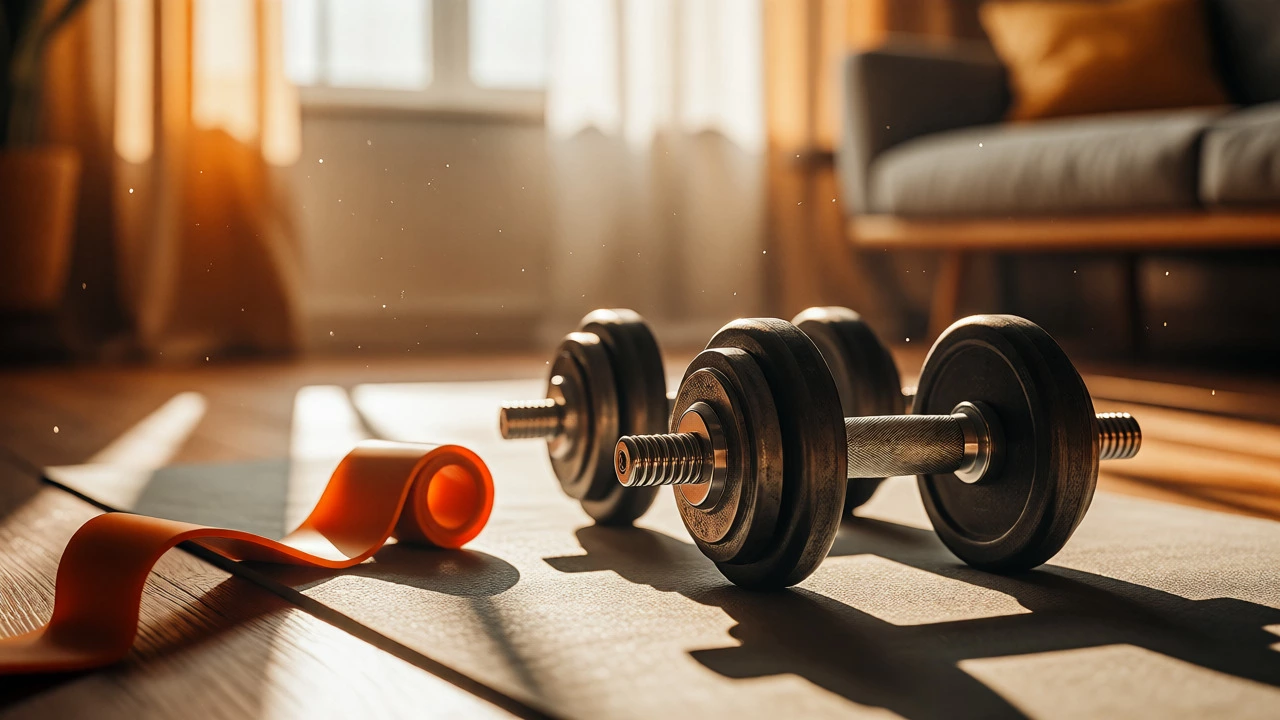
With a pair of adjustable dumbbells or a kettlebell in your living room, you can squeeze in a workout whenever a free moment appears. Maybe it’s 10 AM while the kids are at school. Maybe it’s 7 PM after dinner. The flexibility of home equipment allows you to test different times without logistical headaches. Start with short, 15-minute sessions to see how your body responds at different times of day.

Consistency Beats Timing Every Time
Let’s cut through the noise. The "best" time to exercise is simply the time you can stick to. Research shows that adherence is the strongest predictor of success in fitness programs. If you love your morning walks but hate the idea of evening weights, choose the walks. If you only have energy after dark, own that.
Don’t overthink the hormonal benefits or the calorie burn differences between morning and evening. Those variations are minor compared to the impact of skipping workouts entirely. Pick a slot, block it out on your calendar, and treat it like a non-negotiable appointment. Once you’ve built the habit, you can tweak the timing later if needed.
Practical Steps to Find Your Best Time
Ready to figure out your personal sweet spot? Follow these steps:
- Audit your schedule: Look at your week. Where are the empty blocks? Be realistic about work, family, and chores.
- Test different slots: Spend one week exercising in the morning, another in the afternoon, and another in the evening.
- Track your feelings: Did you enjoy it? Did you sleep well? Did you have enough energy? Keep a simple note in your phone.
- Prep your gear: Lay out your yoga mat or dumbbells the night before. Visual cues trigger action.
- Start small: Don’t commit to an hour. Commit to ten minutes. It’s easier to start when the barrier is low.
Remember, fitness isn’t about perfection. It’s about progress. Whether you sweat at sunrise or sunset, the fact that you’re moving is what counts. So grab your equipment, pick a time, and get started today.
Does exercising in the morning burn more fat?
Some studies suggest morning fasted cardio may burn slightly more fat, but total daily calorie balance matters more. For beginners, consistency outweighs marginal metabolic differences.
Will evening workouts ruin my sleep?
Not necessarily. Moderate exercise can improve sleep quality. Only intense workouts close to bedtime might interfere. Aim to finish vigorous exercise 1-2 hours before sleeping.
What if my schedule changes constantly?
Flexibility is key. Home workouts allow you to adapt. Focus on fitting movement into whatever window opens up, even if it’s just 10 minutes. Consistency over time is what yields results.
Is it better to exercise before or after eating?
For light exercise, either is fine. For intense workouts, eat a small snack 30-60 minutes prior to avoid nausea. Listen to your digestion preferences.
How long should a beginner workout last?
Start with 15-20 minutes. Quality matters more than duration. As your stamina improves, gradually increase to 30-45 minutes.