Meal Prep Suitability Checker
Select a food item below to see how well it holds up during weekly meal prep. Learn which ingredients stay fresh and flavorful versus those that turn soggy or rubbery.
You stare into the fridge on Sunday night. It’s empty except for a sad bag of spinach and some condiments. You know you have to eat this week, but the idea of cooking every single day feels impossible. This is where meal prepping saves your sanity. It isn't about eating cold chicken breasts out of plastic containers like a robot. It's about buying the right ingredients that survive the week without turning into mush or losing their flavor.
The secret to successful meal prep isn't just in the recipes; it's in the shopping list. Some foods thrive when cooked in bulk and stored for days. Others fall apart, get soggy, or taste like cardboard after 48 hours in the fridge. If you want to save time and money while actually enjoying your food, you need to know which items belong in your cart and which ones should stay on the shelf until the morning you plan to cook them.
Proteins That Hold Up Well
Protein is usually the star of the show, but not all proteins play nice with refrigeration. You want options that remain tender and flavorful after being reheated in a microwave. Dry, overcooked chicken is the enemy here. Instead, look for cuts and methods that retain moisture.
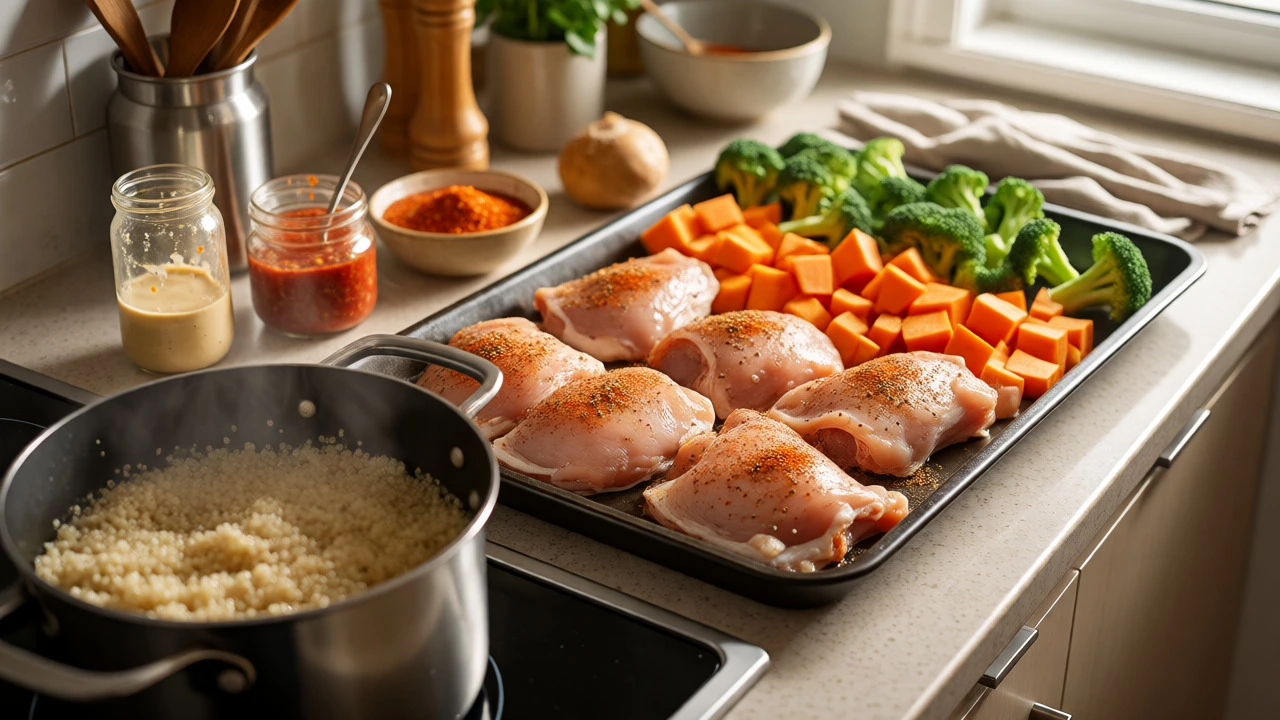
Chicken thighs are far superior to breasts for meal prep. They have more fat content, which keeps them juicy even after sitting in the fridge for three days. Breasts dry out fast because they lack internal fat. If you must use breasts, brine them first or poach them gently rather than roasting them until they're gray.
Ground meats, such as ground turkey or beef, are excellent candidates. Because they are already broken down into small pieces, they reheat evenly and quickly. Mix them with sauces or vegetables to keep them moist. Lentils and chickpeas are also powerhouse plant-based proteins. They don't lose texture in the fridge. In fact, many people find that lentil soup tastes better on day two because the flavors have had time to meld together.
| Protein Type | Fridge Life | Reheat Quality | Best Use Case |
|---|---|---|---|
| Chicken Thighs | 3-4 Days | High (Juicy) | Curries, stir-frys |
| Ground Turkey | 3-4 Days | Medium-High | Tacos, pasta sauce |
| Lentils | 5-7 Days | Very High | Soups, salads |
| Fish Fillets | 1-2 Days | Low (Dries out) | Eat fresh, avoid long prep |
Starches That Don't Get Gummy
Carbohydrates are often where meal prep goes wrong. Rice can turn hard in the fridge. Pasta turns into a sticky brick. Potatoes can become grainy if not handled correctly. The goal is to pick starches that maintain their structure or improve with cooling.
Quinoa is fantastic for this. It cooks up fluffy and stays separate grains in the container. Unlike white rice, which can clump, quinoa holds its shape well. Just make sure to rinse it thoroughly before cooking to remove the bitter saponin coating. Brown rice is another solid choice, though it takes longer to cook. If you prefer white rice, try undercooking it slightly so it finishes during reheating.
Sweet potatoes are robust. Roast them whole or cubed, and they hold up beautifully for several days. Regular white potatoes can work too, but they oxidize (turn brown) quickly if left peeled. Keep the skin on to protect the flesh. For pasta lovers, choose short shapes like penne or rotini. Long noodles like spaghetti tangle into a mess. Toss your cooked pasta with a little olive oil immediately after draining to prevent sticking. Cold pasta salad is a great option that requires zero reheating.
Vegetables That Stay Crunchy
This is the hardest category. Leafy greens wilt instantly. Tomatoes release water and make everything soggy. Zucchini turns to mush. You need vegetables with high structural integrity.
Cruciferous vegetables are your best friends. Broccoli, cauliflower, and Brussels sprouts roast well and maintain a decent bite even after days in the fridge. Roasting them at high heat (400°F/200°C) helps caramelize the edges, adding flavor that stands up to reheating. Green beans are another winner. Blanch them briefly or roast them, and they stay crisp-tender. Avoid steaming them too much, or they'll become limp.
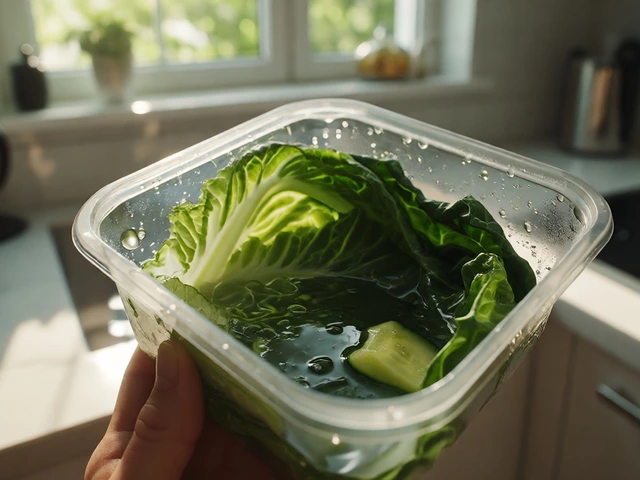
Root vegetables like carrots, parsnips, and beets are incredibly durable. You can roast them alongside your proteins and store them together. They don't release excess moisture, so they won't ruin the rest of your meal. Peppers and onions soften nicely when roasted, becoming sweet and jammy. These work perfectly in fajita bowls or grain mixes. Raw veggies like cucumbers and lettuce should generally be kept separate from the main prep. Add them fresh just before eating to keep things interesting.
Sauces and Flavor Boosters
If your food tastes bland by Wednesday, you didn't prep enough flavor. Dry meals are boring, and boring meals lead to ordering takeout. Sauces act as a barrier between the air and your food, keeping it moist. They also allow you to change the profile of the same base ingredients throughout the week.
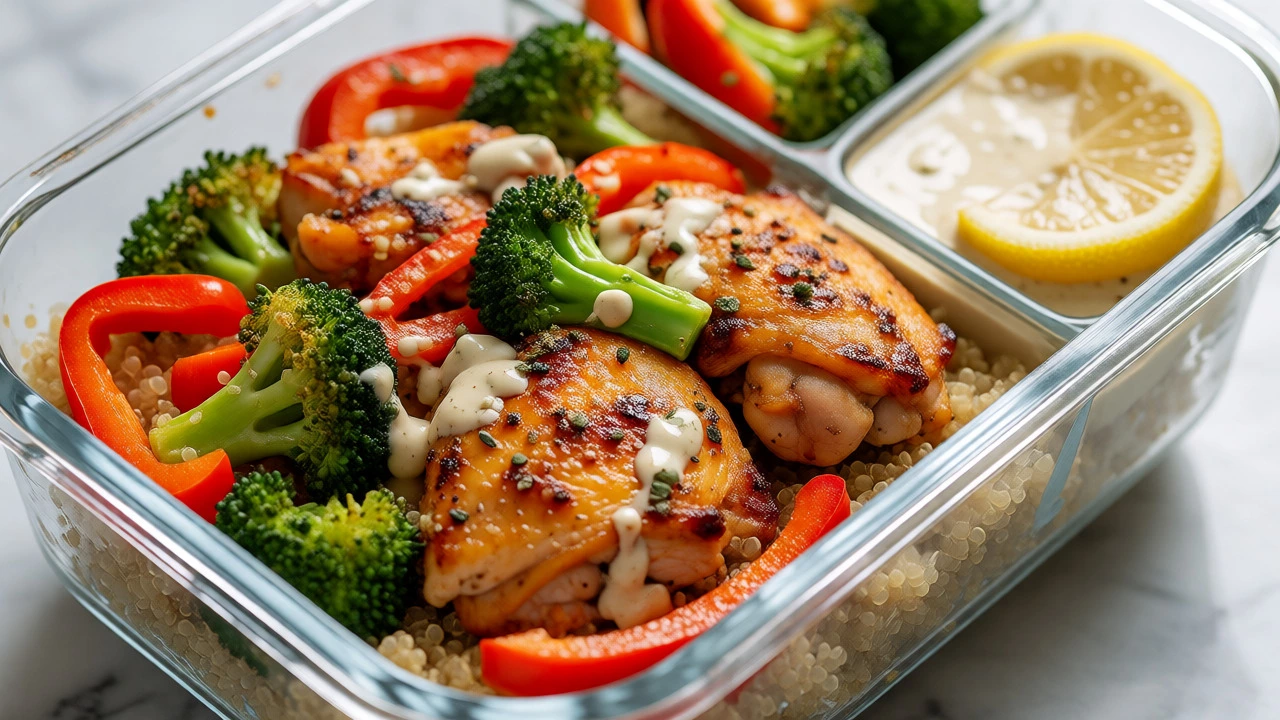
Make large batches of versatile sauces. Pesto, tahini dressing, yogurt-based marinades, and tomato sauce are easy to scale up. Store these in separate small containers rather than mixing them directly into the big batch of food. This gives you control. Monday might be pesto chicken with quinoa. Tuesday could be tahini chicken with roasted broccoli. Same protein, totally different vibe.
Acids help preserve freshness and cut through richness. Lemon juice, vinegar, and pickled elements add brightness. However, be careful with dairy-based sauces. Cream sauces can separate or curdle when reheated multiple times. Stick to oil-based or broth-based sauces for the most reliable results. Spices are free calories and huge flavor. Rub spices onto your proteins before cooking. Cumin, paprika, garlic powder, and chili flakes penetrate the meat during cooking and last for days.
Storage Strategies That Prevent Waste
Buying the right food means nothing if you store it poorly. Plastic bags leak. Glass jars break. Metal containers react with acidic foods. You need a system that maximizes space and minimizes spoilage.
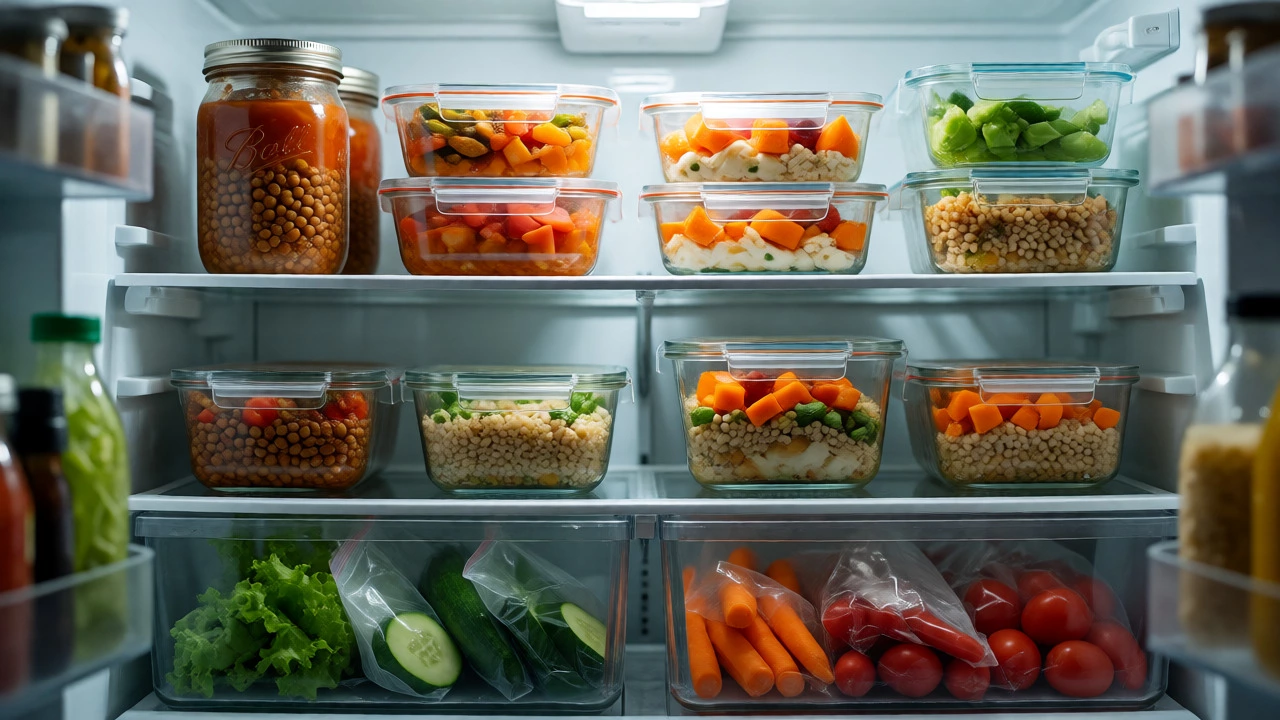
Glass containers with locking lids are the gold standard. They don't stain, they don't absorb odors, and you can see exactly what's inside. Microwave-safe glass is essential for convenience. If you're prepping for more than three days, freeze half the portions. Most cooked meats and stews freeze exceptionally well. Soups and chilies are perfect freezer candidates because the liquid protects the ingredients from freezer burn.
Label everything. Write the date and contents on masking tape. Future-you will thank present-you. When stacking containers, put the oldest meals at eye level or near the front. Eat those first. Rotate your stock. Also, let hot food cool down before sealing the lid. Trapped steam creates condensation, which makes food soggy and promotes bacterial growth. Let it sit on the counter for 20-30 minutes, then seal and refrigerate.
What to Avoid in Your Prep Batch
Not everything belongs in the Sunday batch. Knowing what *not* to prep is just as important as knowing what to buy. Certain textures simply cannot survive the transition from fresh to refrigerated to reheated.
Avoid delicate seafood like shrimp or scallops unless you plan to eat them within 24 hours. They become rubbery very quickly. Fried foods lose their crunch entirely. Battered fish or fried chicken becomes greasy and soft in the microwave. Save frying for nights when you can eat it immediately. Avocados turn brown and slimy rapidly. Slice them fresh when you're ready to eat. Cooked eggs, especially scrambled, can develop an unpleasant sulfurous smell and rubbery texture after a few days. Hard-boiled eggs are fine, but skip the omelet prep.
Dairy-heavy casseroles can separate. Cheese pulls away from the sauce, creating an oily pool. If you love lasagna, consider freezing individual slices instead of keeping them in the fridge all week. Fresh herbs like basil and cilantro turn black and slimy. Chop them fresh or store them in a damp paper towel in a sealed bag, adding them only at serving time.
Sample Weekly Prep Plan
Let's put this into practice. Here is a simple, balanced plan using the entities we discussed. This assumes you spend about two hours on Sunday afternoon.
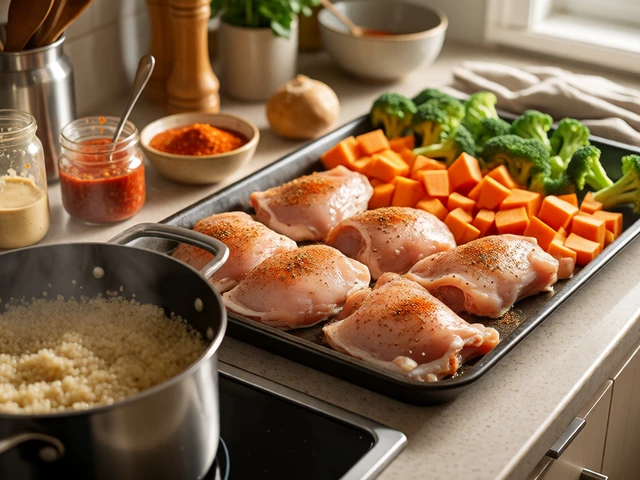
- Base: Large pot of quinoa and a tray of roasted sweet potato cubes.
- Protein: Sheet pan of seasoned chicken thighs and a pot of lentil stew.
- Veggies: Roasted broccoli florets and raw chopped bell peppers (stored separately).
- Sauce: Jar of lemon-tahini dressing and jar of spicy salsa.
On Monday, mix quinoa, chicken, and broccoli. Top with tahini dressing. On Tuesday, combine lentil stew with sweet potatoes. Wednesday, make a bowl with quinoa, leftover chicken, and peppers with salsa. Thursday, warm up the remaining stew. Friday, use any leftovers for a quick wrap or salad. Saturday, order pizza. You earned it.
How long does meal prep last in the fridge?
Most cooked meals are safe to eat for 3 to 4 days when stored properly in the refrigerator at 40°F (4°C) or below. After this period, bacteria growth increases significantly, and quality degrades. If you need to store food longer, freeze it within the first two days.
Can I freeze cooked rice and pasta?
Yes, both freeze well. Cool them completely before placing them in airtight containers or freezer bags. Remove as much air as possible to prevent freezer burn. When reheating, add a splash of water and cover to create steam, which helps restore moisture and texture.
Why does my chicken taste bad after meal prep?
This is often due to oxidation or improper storage. Chicken exposed to air develops off-flavors. Ensure your container seals tightly. Also, overcooking initially leads to dryness that worsens upon reheating. Using thighs instead of breasts and marinating heavily can mask and prevent these issues.
Is it cheaper to meal prep?
Generally, yes. Buying ingredients in bulk reduces the per-unit cost. You also reduce waste by using what you buy and avoiding impulse snack purchases. However, you must stick to the plan. If you throw away spoiled food, the savings disappear.
What containers are best for meal prep?
Glass containers with snap-lock lids are widely considered the best option. They are microwave-safe, dishwasher-safe, non-toxic, and do not retain stains or odors. Stainless steel is good for transport but not for microwaving. Silicone bags are flexible and good for freezing soups or sauces.