Fabric Health Checker
Select a fabric type below to see its health rating, skin breathability, and common associated issues.
Select a Fabric
Click on a card above to analyze the health profile of the fabric.
Quick Wins for a Healthier Wardrobe
- Prioritize organic, GOTS-certified fibers over conventional synthetics.
- Avoid "performance" fabrics treated with PFAS (forever chemicals).
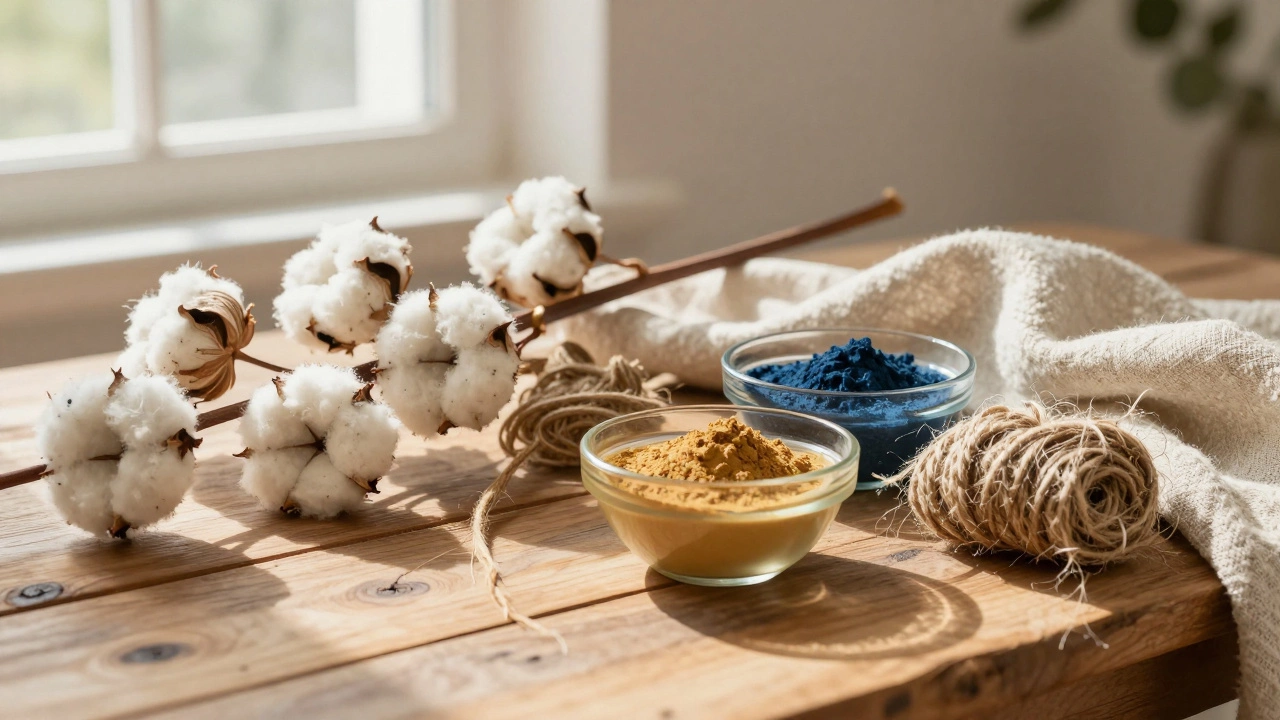
- Choose natural dyes or undyed fabrics to reduce chemical exposure.
- Wash new clothes before the first wear to remove manufacturing residues.
- Swap polyester for Tencel or hemp to let your skin breathe.
The Hidden Danger of Synthetic Fabrics
Many of our favorite leggings and fast-fashion tops are made from Polyester is a synthetic polymer made from petroleum-based plastics. While it's durable and cheap, it's essentially a plastic bag for your body. Because it doesn't breathe, it traps sweat and bacteria against your skin, which can lead to breakouts and fungal infections. Worse, the process of making polyester releases volatile organic compounds (VOCs) into the air and water.
Then there's the issue of Acrylic is a synthetic fiber made from acrylonitrile and sodium cyanide. Often found in cheap "wool-like" sweaters, acrylic is notorious for causing skin irritation and overheating. If you've ever felt an inexplicable itch while wearing a synthetic blend, you're likely reacting to the chemicals used to make the plastic feel soft.
One of the biggest health risks in modern clothing is the use of PFAS is per- and polyfluoroalkyl substances used for water and stain resistance. These "forever chemicals" are often found in raincoats and outdoor gear. They don't break down in the environment or your body, and research from the Environmental Working Group suggests they may be linked to endocrine disruption and thyroid issues.
The Gold Standard: Natural and Organic Fibers
If you want the healthiest option, look for fibers that come from the earth and can return to it. The goal is to find materials that are breathable, hypoallergenic, and processed without harsh toxins.
Organic Cotton is cotton grown without synthetic pesticides or genetically modified organisms (GMOs) is the most common healthy choice. Unlike conventional cotton, which is one of the most chemically intensive crops on earth, organic cotton doesn't leave pesticide residues in the fabric. Look for the GOTS (Global Organic Textile Standard) label to ensure the entire supply chain is clean.
For those with sensitive skin or allergies, Hemp is a natural bast fiber produced from the Cannabis sativa plant is a powerhouse. It's naturally antimicrobial, UV-resistant, and incredibly durable. Because hemp requires very little water and no pesticides to grow, it's as healthy for the planet as it is for your skin.
Then there is Linen is a textile made from the fibers of the flax plant. Linen is naturally hypoallergenic and allows for maximum airflow, which keeps your body temperature regulated and prevents skin irritation during hot summer months.
| Fabric Type | Skin Breathability | Chemical Load | Common Health Issue |
|---|---|---|---|
| Organic Cotton | High | Low | Very Low |
| Hemp | Very High | Minimal | None (Hypoallergenic) |
| Polyester | Low | High | Contact Dermatitis |
| Acrylic | Very Low | High | Skin Irritation/Itching |
| Linen | Very High | Low | Very Low |
The Role of Dyes and Finishes
A garment can be made of 100% organic cotton but still be "unhealthy" if it's soaked in toxic dyes. Many commercial clothes use Azo Dyes is a class of organic compounds used to create vibrant colors in textiles. Some of these can release aromatic amines, which are known carcinogens that can be absorbed through the skin.
To avoid this, look for clothes that are "undyed" or use plant-based dyes. If you see labels like "OEKO-TEX Standard 100," it means the finished fabric has been tested for harmful substances. It doesn't guarantee the clothing is organic, but it does mean it's safe for your skin to touch.
Be wary of "wrinkle-free" or "easy-care" labels. These often indicate the use of formaldehyde resins. Formaldehyde is a known allergen and carcinogen used to keep clothes from creasing. If a shirt feels unnaturally stiff or has a chemical smell right out of the package, it's a red flag.
Semi-Synthetics: The Middle Ground
You'll often see fabrics like Tencel is a brand of lyocell, a cellulose fiber produced from wood pulp or Modal. These are called "regenerated cellulose." They start as natural wood pulp but are processed using chemicals to become soft fibers.
Tencel is generally considered a healthy choice because the solvent used (amine oxide) is non-toxic and recycled in a closed-loop system. It's more absorbent than cotton and smoother than linen, making it a great option for people who struggle with eczema or hyperhidrosis (excessive sweating). However, it's not as "pure" as raw hemp or organic cotton.

How to Transition to a Healthy Wardrobe
You don't need to throw everything away today-that would be wasteful and expensive. Instead, focus on the pieces that touch your skin for the longest periods.
- Start with Underwear and Base Layers: Your underwear and t-shirts are in direct contact with your most sensitive areas. Switch these to organic cotton or hemp first.
- Audit Your Outerwear: Replace that PFAS-coated rain jacket with one treated with wax or a PFC-free alternative.
- The "Wash First" Rule: Always wash new clothes in a mild, fragrance-free detergent. This removes "sizing" agents and loose dyes used during manufacturing.
- Read the Tags: If the tag says "Poly-blend," check the percentage. A 90% cotton, 10% spandex blend is far healthier than a 50/50 split.
- Buy Second-Hand: Vintage clothes are often made of heavier, more natural fibers (like real wool and thick cotton) than today's ultra-thin synthetic blends.
Common Pitfalls to Avoid
Don't be fooled by "greenwashing." A brand might call a shirt "natural" because it contains 5% cotton, while the other 95% is polyester. Always check the actual fabric composition on the inner care label.
Another trap is "vegan leather." While it sounds ethical, most vegan leather is actually PVC or polyurethane (PU). These are heavy plastics that trap heat and off-gas chemicals. If you want a healthy, animal-free alternative, look for Piñatex is a natural leather alternative made from pineapple leaf fibers or mushroom leather (mycelium), which are biodegradable and non-toxic.
Is organic cotton always the healthiest choice?
Organic cotton is an excellent choice because it lacks synthetic pesticides. However, for people with extreme skin sensitivities or those prone to overheating, hemp or linen might be even better because they are more breathable and naturally antimicrobial.
Can polyester cause hormonal issues?
While polyester itself is a plastic, many synthetic fabrics are treated with chemicals like phthalates or PFAS that act as endocrine disruptors. These can mimic or block hormones in the body, which is why moving toward natural fibers is recommended for long-term health.
What does the OEKO-TEX label actually mean?
The OEKO-TEX Standard 100 certification means the final garment has been tested for a long list of harmful substances (like formaldehyde and nickel). It doesn't mean the fabric is organic, but it guarantees that the finished product is safe for human skin.
Are "breathable" gym clothes healthy?
Most "moisture-wicking" gym clothes are made of polyester and spandex, which can trap bacteria and irritants. For a healthier alternative, try merino wool. It's naturally antimicrobial, wicks moisture away, and doesn't smell as bad as synthetics after a workout.
How do I remove toxins from clothes I already own?
You can't remove the plastic polymers from polyester, but you can wash away some surface residues. Use a baking soda soak or a high-quality vinegar rinse in your laundry to help strip away chemical finishers and odors from new garments.