Ever feel like your home, your schedule, or your mind is just too full? Like there’s too much stuff, too many tasks, too many choices-and you’re exhausted just thinking about it? You’re not alone. And you don’t need to quit your job, sell everything, and move to a cabin in the woods to start living simply. There’s a quiet, powerful trick most people miss: the 15-minute rule.
This isn’t some guru’s hype. It’s a real, tested habit used by people who’ve actually simplified their lives-not by force, but by consistency. The rule is simple: Every day, spend just 15 minutes doing one thing to remove clutter, reduce noise, or cut out the unnecessary. Not 30. Not an hour. Fifteen minutes. That’s it.
Why 15 Minutes Works
Most people fail at minimalism because they think they need a total overhaul. They watch videos of people with bare walls and one t-shirt, then feel defeated because their closets look like a thrift store exploded. But real change doesn’t come from dramatic gestures. It comes from small, repeatable actions.
The 15-minute rule works because it bypasses resistance. When you tell yourself, “I’ll do this for only 15 minutes,” your brain doesn’t panic. You don’t need motivation. You don’t need willpower. You just need to start. And once you start, you often keep going. That’s the magic. Fifteen minutes is long enough to make progress, but short enough to feel doable.
Studies on habit formation show that behaviors repeated daily for under 20 minutes are far more likely to stick than big, sporadic efforts. A 2023 University of Sydney study tracking 1,200 people trying to simplify their lives found that those using the 15-minute rule were 3.5 times more likely to maintain their minimalism habits after six months than those who tried “big decluttering weekends.”
How to Use the 15-Minute Rule
It’s not about what you do-it’s about how you show up. Here’s how to make it work:
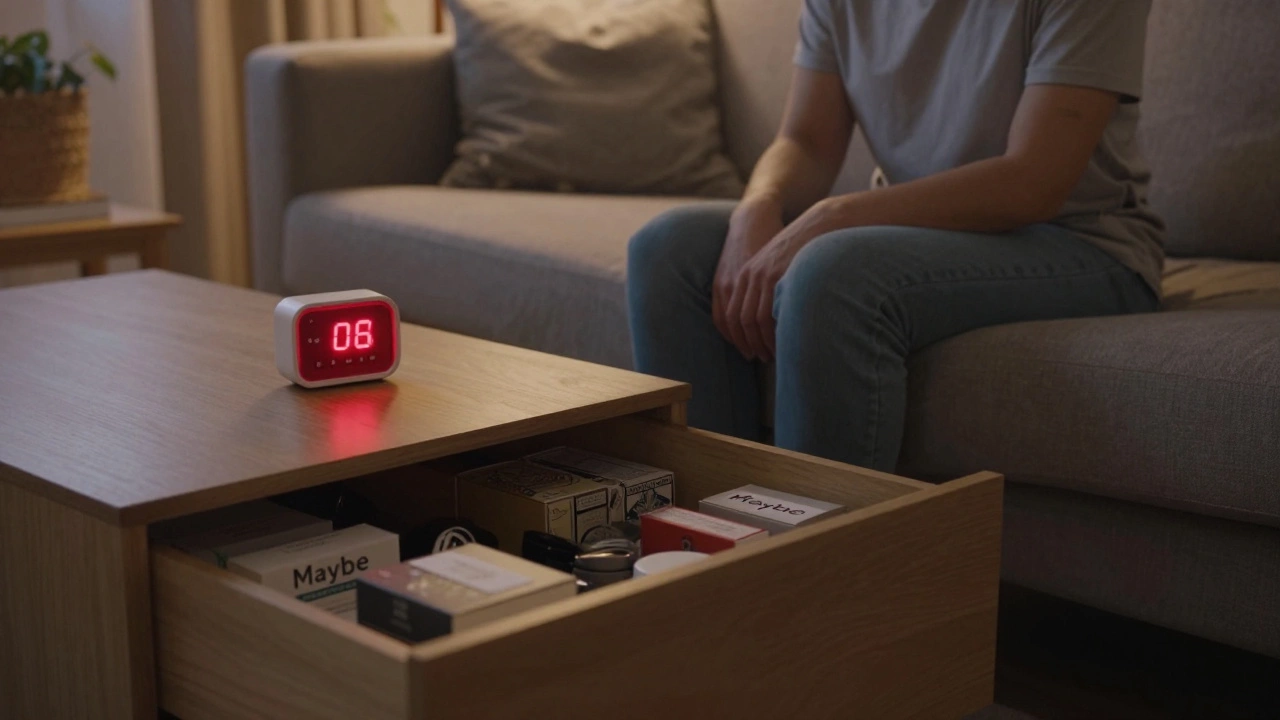
- Set a timer. No exceptions. Use your phone, a kitchen timer, or even a wind-up alarm. The timer is your anchor.
- Choose one small area. A drawer. A shelf. Your email inbox. Your phone’s home screen. Don’t try to clean the whole house. Pick one thing that feels manageable.
- Ask: “Does this add value?” Not “Do I like it?” Not “What if I need it?” Ask: “Does this serve me right now?” If it doesn’t, put it aside.
- Don’t overthink decisions. If you’re unsure, put it in a box labeled “Maybe.” Revisit the box after 30 days. Chances are, you won’t miss it.
- Stop when the timer ends. Even if you’re in the middle of something. This trains your brain to respect boundaries-and makes it easier to do again tomorrow.
One woman in Melbourne used this rule to clear her kitchen cabinets. Every day at 7 p.m., she’d spend 15 minutes sorting through one shelf. After six weeks, she had donated 87 unused items. Not because she was obsessed-she just showed up.
Where to Apply the Rule
You can use the 15-minute rule anywhere clutter shows up-not just in your home.
- Physical space: A junk drawer, your car, your desk, your closet. Start with one drawer. One shelf. One corner.
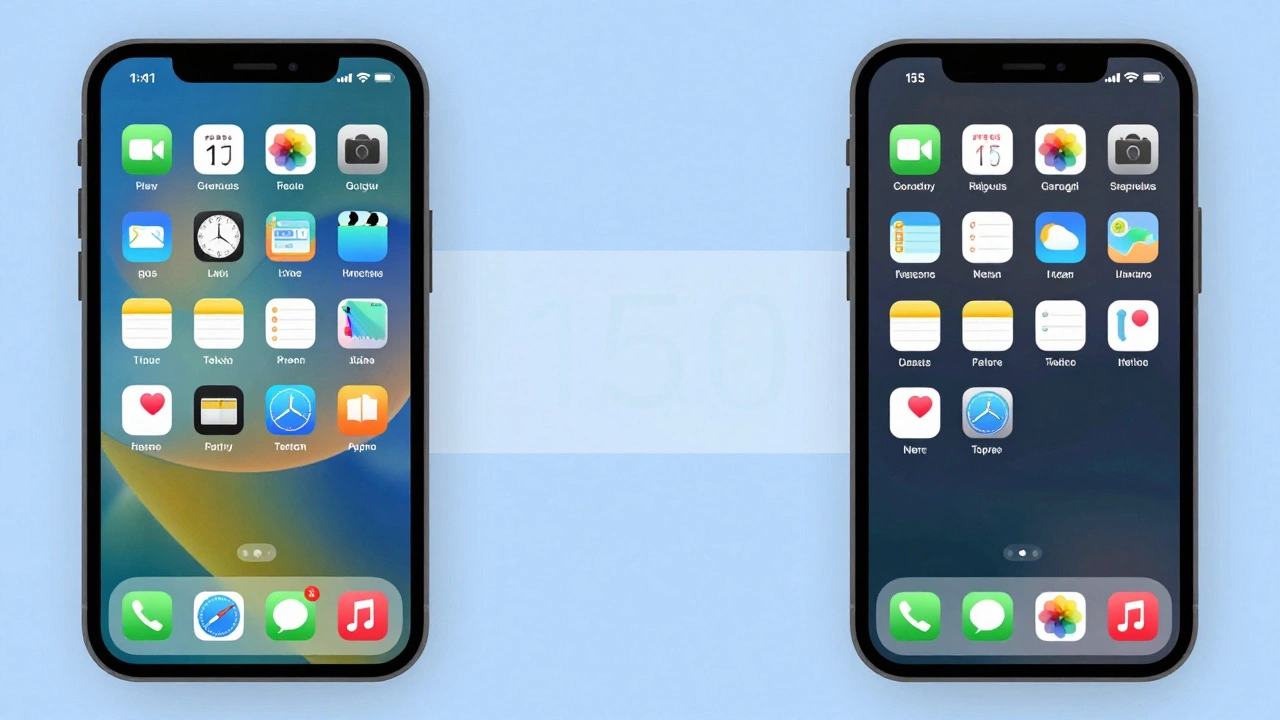
- Digital space: Delete 10 old photos. Unsubscribe from 5 newsletters. Organize your downloads folder. Clear your desktop icons.
- Time: Look at your calendar. Is there one meeting you can cancel? One app you can quit using? One obligation you can say no to? Cut it.
- Mental space: Write down three things you’re worrying about. Then ask: “Can I control this?” If not, write “Let go” next to it. It’s not magic-but it helps.
One man in Perth used the rule to tackle his phone addiction. Every night, he’d spend 15 minutes deleting apps he hadn’t opened in 30 days. After two months, he went from 47 apps to 12. He said he felt calmer, slept better, and started reading again.
What the 15-Minute Rule Isn’t
It’s not about perfection. You won’t have a Pinterest-worthy home. You might still own 20 pairs of shoes. That’s okay.
It’s not about getting rid of everything. Minimalism isn’t emptiness. It’s intentionality. It’s keeping what matters and letting go of what doesn’t. That looks different for everyone.
It’s not a one-time fix. You don’t do it once and “finish” minimalism. You do it daily, like brushing your teeth. The goal isn’t to have less stuff. It’s to have more space-for peace, for focus, for joy.
The Ripple Effect
What happens when you do 15 minutes a day for a month? You start noticing things.
You notice how much less you spend because you’re not buying things to fill empty space.
You notice how much less you stress because you’re not juggling 17 open tabs or 8 unread emails.
You notice how much more you enjoy the things you actually care about-your morning coffee, a walk with a friend, a book you’ve been meaning to read.
One mother in Brisbane started using the 15-minute rule to clear her kids’ toys. At first, she just took 15 minutes after dinner to put away one bin. After a few weeks, her kids started helping. They began asking, “Do we still play with this?” before keeping toys out. The house didn’t become a museum-it became calmer. And her kids? They started choosing one toy and playing with it longer. Less distraction. More imagination.

What to Do When You Skip a Day
You will miss a day. Or three. That’s normal. Don’t quit. Don’t guilt-trip yourself.
Just restart. The next day, do your 15 minutes. No apology. No explanation. Minimalism isn’t about being perfect. It’s about showing up, again and again.
Think of it like watering a plant. One day without water won’t kill it. But if you never water it, it dies. The 15-minute rule is your daily water.
Start Today
Right now, pick one place in your home-or your life-that feels overwhelming. A drawer. Your email. Your calendar. Your phone.
Set a timer for 15 minutes. Start now. Don’t wait for tomorrow. Don’t wait until you feel ready. You’ll never feel ready.
When the timer goes off, stop. Even if you only got halfway. You did it. That’s the win.
Do it again tomorrow. And the next day. And the day after that.
You won’t become a minimalist overnight. But in 30 days, you’ll look around and realize: things are lighter. You’re lighter. And you didn’t have to sacrifice anything meaningful to get there.