Medical Grade Skincare Matcher
Find the clinical line that matches your skin goals. Select the option that best describes your primary concern:
Anti-Aging & Protection
ModerateFocus on antioxidants, sun damage, and fine lines.
Texture & Acne
HighAggressive cellular turnover and deep congestion.
Brightening & Glow
HighSystemic peeling and high-potency brightening.
Deep Wrinkles & Sagging
ModerateAdvanced peptides and collagen rebuilding.
Sensitive & Balanced
Low-ModerateClinical results without extreme irritation.
Your Recommended Line:
Quick Guide to the Best Lines
- SkinCeuticals: Gold standard for antioxidants and aging.
- ZO Skin Health: Aggressive results for texture and acne.
- Obagi Medical: High-potency Vitamin C and peeling agents.
- Skinbetter Science: Advanced peptides for deep wrinkles.
- iS Clinical: Great for sensitive skin needing a clinical boost.
Why Go Clinical Over Over-the-Counter?
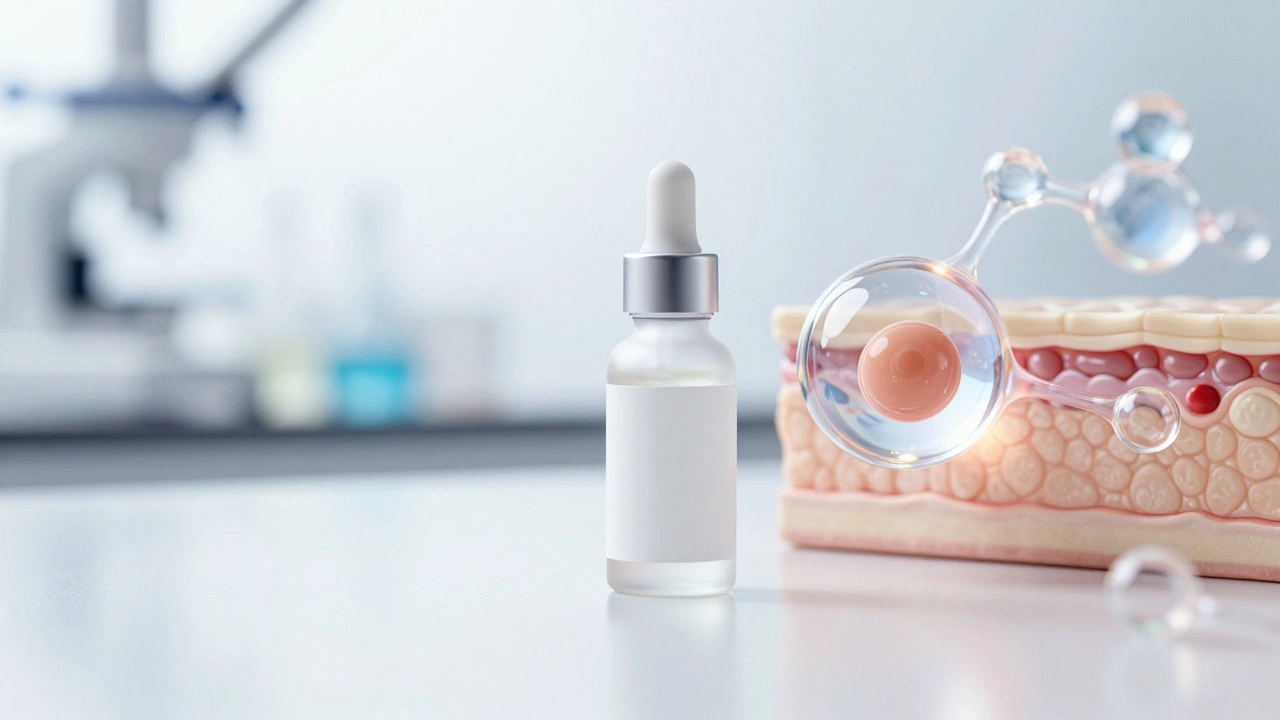
Ever wonder why your 10% Vitamin C serum from the pharmacy doesn't seem to do much? It usually comes down to molecular weight and pH levels. Standard retail products have to be safe for every single person on the planet, meaning the active ingredients are often diluted or unstable. Cosmeceuticals are different because they are designed to be supervised. Think of it like a prescription-you wouldn't just guess your dose of blood pressure medication; similarly, these lines are meant to be paired with a professional's guidance. They use delivery systems, like liposomal encapsulation, to push ingredients past the skin's outer barrier and into the dermis where the actual repair happens.SkinCeuticals: The Science of Antioxidants
If you are looking to protect your skin from pollution and sun damage, SkinCeuticals is the heavy hitter. They are famous for their C E Ferulic serum, which isn't just another Vitamin C product. It uses a specific blend of 15% pure L-ascorbic acid, 1% Vitamin E, and 0.5% ferulic acid. This specific ratio is backed by decades of clinical trials showing it neutralizes free radicals far more effectively than generic serums. If you spend your days in a city like Sydney or New York, this is your primary shield. The brand focuses heavily on the "corrective" phase of skincare, meaning they want to fix the damage before they try to maintain the skin. It is a top choice for those battling hyperpigmentation and fine lines.ZO Skin Health: The Aggressive Approach
Not every skin type needs a gentle nudge; some need a complete overhaul. ZO Skin Health, founded by Dr. Zein Obagi, is known for being intense. They don't just hydrate the skin; they change the way the skin functions. Their approach centers on the "Skin Health System," which focuses on normalizing the skin's cellular turnover. If you have stubborn acne, deep-set congestion, or a complexion that looks "dull," ZO is often the answer. Be warned: their retinoids and peels can cause significant peeling and redness in the first few weeks. It's a "tough love" approach to beauty that yields some of the most dramatic before-and-after results in the clinical world.
Obagi Medical: Mastering the Glow
When it comes to brightening, Obagi Medical is a powerhouse. They are particularly respected for their Vitamin C complexes and their professional-grade chemical peels. Unlike some brands that focus on a single active ingredient, Obagi creates systemic programs. For instance, their Nu-Derm system uses a combination of hydroquinone and retinoids to literally peel away the old skin and reveal a fresh, bright layer underneath. This is particularly effective for people with melasma or deep sunspots that won't budge with standard brightening creams. Their products are engineered to be highly stable, ensuring the active ingredients don't oxidize before they hit your skin.Skinbetter Science: The Peptide Powerhouse
While some brands focus on acids and vitamins, Skinbetter Science leans into the world of peptides. If you are worried about sagging skin or deep creases, their AlphaH HS is a game-changer. Instead of just exfoliating the surface, these products signal the skin to produce more collagen and elastin. This is the "intelligent" side of skincare. It doesn't just strip the skin; it rebuilds the scaffolding. Because they focus on stability and precision, their products are often better tolerated by those who find traditional retinoids too irritating but still want the anti-aging benefits.iS Clinical: The Balance of Power and Gentleness
For those with sensitive skin who still want medical-grade results, iS Clinical offers a more balanced path. Their Active Serum is a cult favorite because it uses a blend of salicylic acid and lactic acid to clear pores and smooth texture without causing a chemical burn. They prioritize a holistic approach, blending high-potency actives with soothing ingredients. If you've tried the more aggressive lines and found your skin reacting with inflammation, iS Clinical provides a way to get the "clinical glow" without the extreme irritation. They excel in treating active acne and redness while maintaining the skin's natural moisture barrier.| Brand | Primary Strength | Best For | Intensity Level |
|---|---|---|---|
| SkinCeuticals | Antioxidant Protection | Aging & Sun Damage | Moderate |
| ZO Skin Health | Cellular Turnover | Acne & Texture | High |
| Obagi Medical | Brightening/Peeling | Melasma & Pigment | High |
| Skinbetter Science | Peptide Synthesis | Deep Wrinkles | Moderate |
| iS Clinical | Balanced Actives | Sensitivity & Glow | Low to Moderate |
How to Choose the Right Line for You
Picking the "best" line isn't about which brand has the most followers; it's about your specific skin biology. A 25-year-old with cystic acne needs a completely different set of tools than a 55-year-old with photo-aging. First, identify your primary goal. Do you want to clear breakouts, erase dark spots, or tighten sagging skin? Once you have that, look at your skin's tolerance. If you have a history of rosacea or extreme sensitivity, starting with ZO or Obagi without a professional guide could lead to a damaged skin barrier. Always start with a "purge" period in mind. Many of these products accelerate cell turnover, which can lead to temporary breakouts or peeling. This isn't a failure of the product; it's the process of the skin clearing out old debris. The key is to introduce one product at a time-don't start five new clinical serums on the same Monday, or you won't know which one caused the reaction.Common Pitfalls and How to Avoid Them
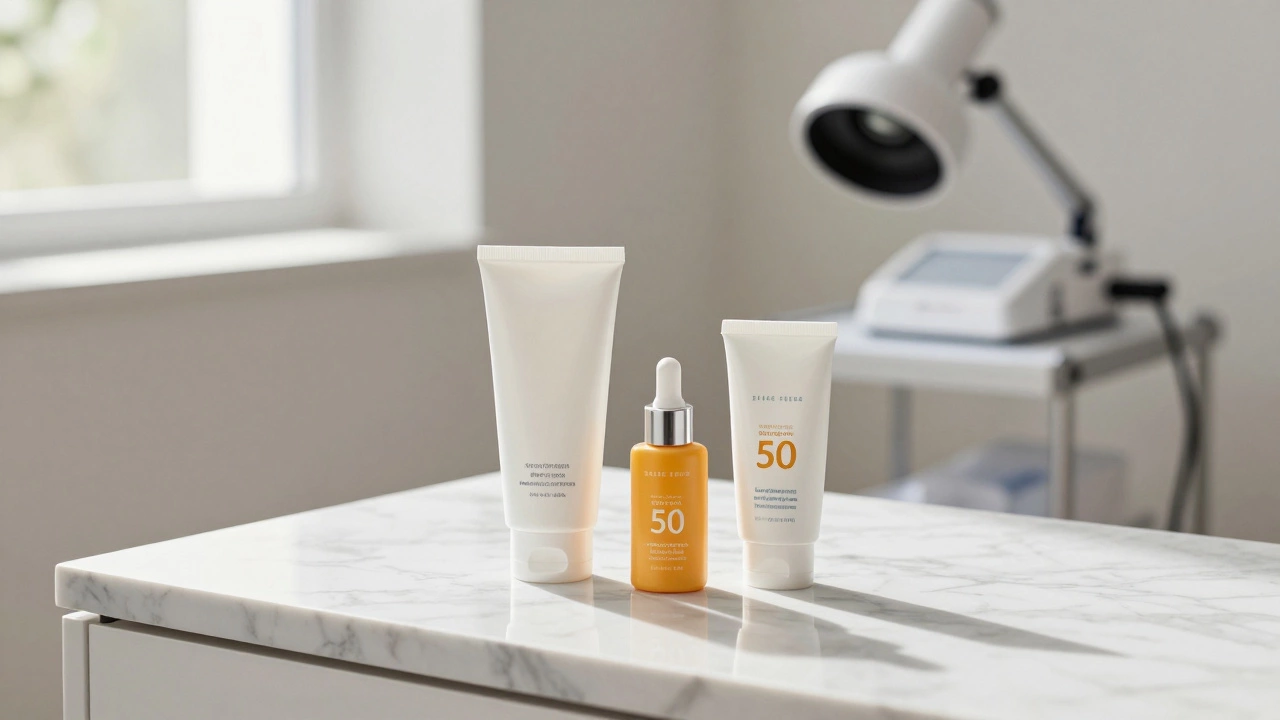
One of the biggest mistakes people make with clinical skincare is ignoring the sunscreen. Many of these lines use Retinoids or alpha-hydroxy acids (AHAs) that make your skin incredibly sensitive to UV rays. If you use a high-potency Vitamin A cream at night but skip the SPF 50 the next morning, you are actually speeding up your aging process and risking permanent sun damage. Another trap is "over-treating." It's tempting to use the strongest peel and the strongest serum and the strongest moisturizer all at once. This often leads to a compromised skin barrier, leaving your face red, stinging, and prone to breakouts. Remember that skin needs recovery time. Professional protocols often suggest "cycling" your actives-using a strong treatment for two nights and then spending two nights focusing purely on hydration and repair.Can I buy medical grade skincare online without a prescription?
While some brands are sold online, the most effective medical grade lines are designed to be sold through a physician's office or a licensed aesthetician. This is because the high concentration of actives can cause severe reactions if used incorrectly. Buying from unauthorized sellers also increases the risk of receiving counterfeit or expired products, which is dangerous when dealing with unstable ingredients like Vitamin C.
How long does it take to see results with clinical skincare?
Unlike drugstore moisturizers that give an immediate (but temporary) plump, clinical lines work on a cellular level. You will typically see initial changes in texture within 4 to 6 weeks. However, significant changes in pigmentation and deep wrinkles usually take 3 to 6 months of consistent use, as this mirrors the natural cycle of collagen production and skin regeneration.
Will medical grade skincare cause my skin to peel?
Depending on the line, yes. Brands like ZO Skin Health and Obagi often induce a controlled peel. This is a sign that the skin's turnover rate is increasing. However, "shedding" should be minimal. If your skin is raw, oozing, or intensely painful, you have likely over-exfoliated and need to stop all actives and switch to a basic ceramide-rich moisturizer until the barrier heals.
Is medical grade skincare safe for long-term use?
Yes, provided you follow a professional protocol. Some ingredients, like hydroquinone, have a limited window of use (usually 3-6 months) to avoid side effects like ochronosis. Other ingredients, like Vitamin C and peptides, can be used indefinitely. A dermatologist will help you rotate your products to ensure you are maintaining your results without stressing the skin.
What is the difference between 'medical grade' and 'dermaceutical'?
These terms are often used interchangeably. Both refer to products that bridge the gap between cosmetics and pharmaceuticals. The primary distinction is usually the delivery system and the concentration of active ingredients. 'Medical grade' generally implies that the product was developed by physicians and is intended for use under medical supervision for specific skin conditions.