Skincare Barrier Risk Calculator
Based on current dermatological science regarding Transepidermal Water Loss (TEWL) and barrier function. Answer the questions below to see if you can safely skip moisturizer or if it's essential for your routine.
Recommendation:
Why this matters:
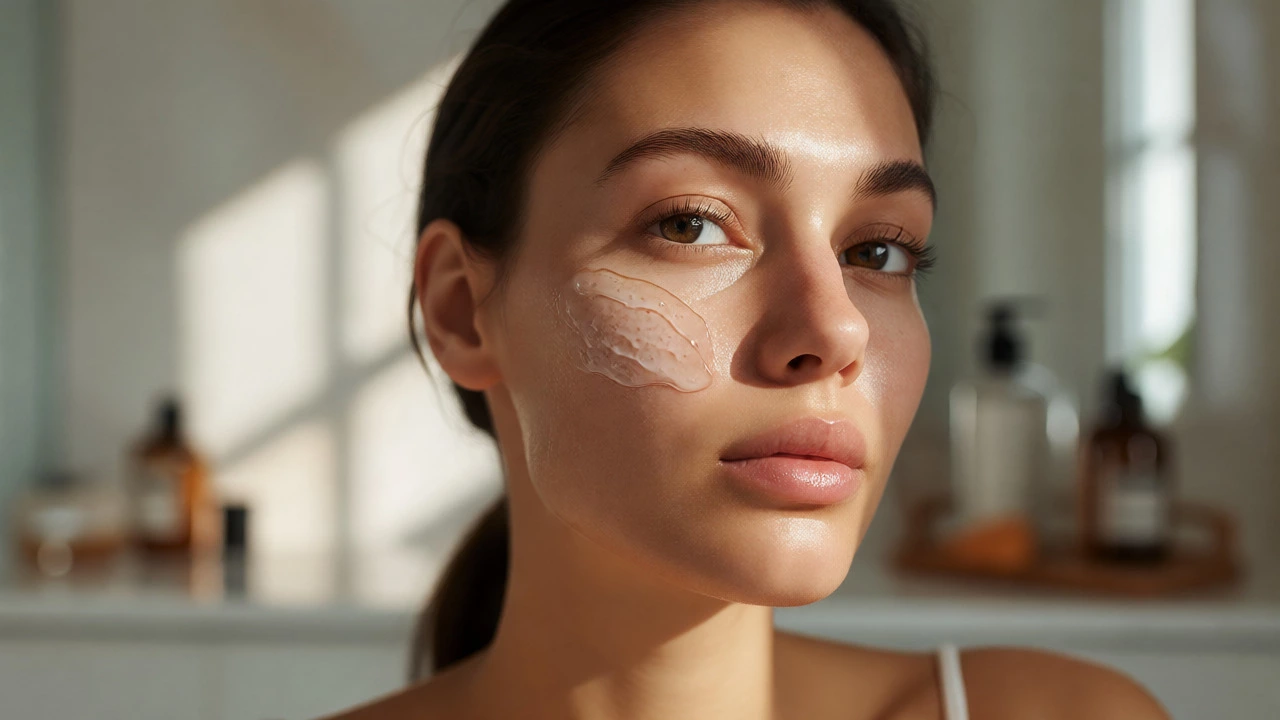
You just spent good money on a high-end serum, applied it with care, and then... you walked away. No moisturizer. No cream. Just bare skin. It feels efficient, right? Like you're letting your skin breathe. But here is the harsh truth: skipping that final step often undoes all the work your serum just did. In fact, for many people, it can actually make their skin worse than if they had done nothing at all.
Think of your skincare routine like building a house. The serum is the wiring and plumbing-it delivers the important stuff deep into the structure. But without walls and a roof (the moisturizer), everything leaks out. When you skip the moisturizer, you aren't saving time; you are creating a leaky system where hydration evaporates, irritants get in, and your skin barrier starts to crumble. Let's look at exactly what happens biologically when you leave that serum exposed to the air.
The Science of Evaporation and Transepidermal Water Loss
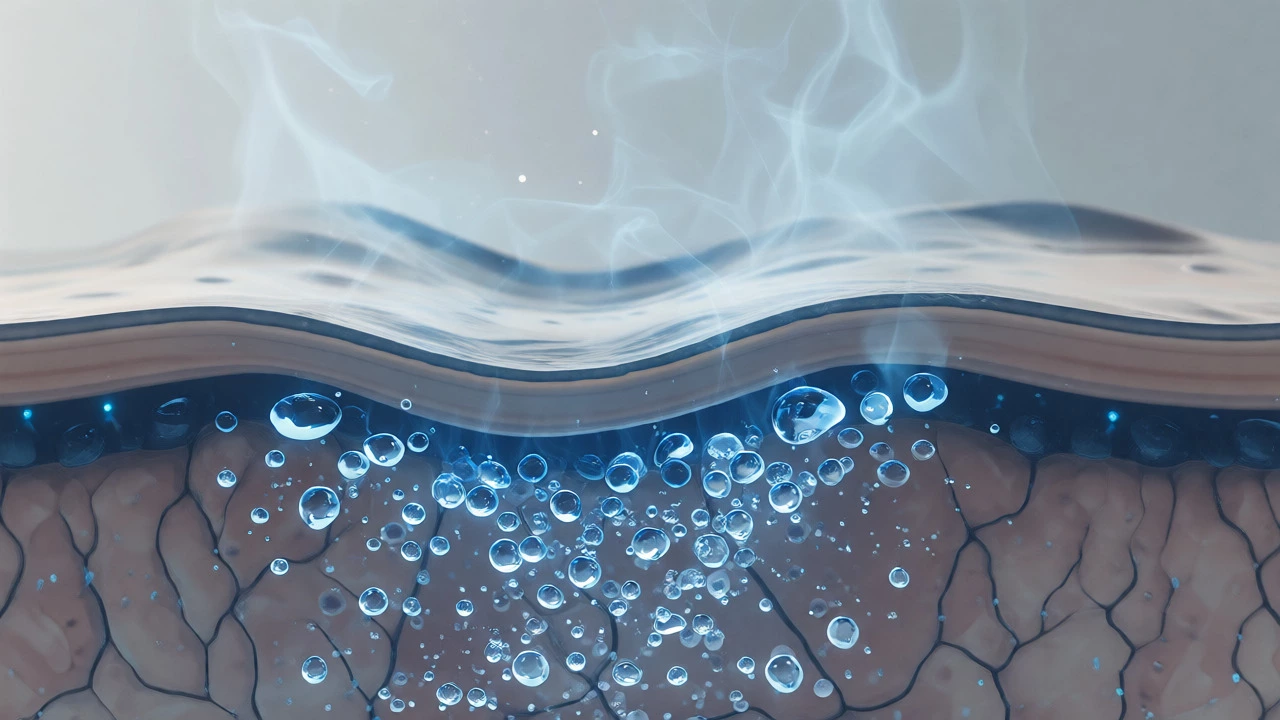
To understand why this matters, we need to talk about Transepidermal Water Loss (TEWL). This is the process where water naturally escapes from your skin into the air. Your skin has a natural defense mechanism called the lipid barrier, which acts like a sealant. Serums are typically water-based or contain small molecules designed to penetrate quickly. They don't have heavy occlusive ingredients (like petrolatum or shea butter) meant to sit on top and block evaporation.
When you apply a hydrating serum-say, one with hyaluronic acid-and don't follow up with a moisturizer, two things happen immediately. First, the humectants in the serum pull moisture from the deeper layers of your skin to the surface. Second, because there is no sealant, that moisture evaporates into the dry air. If the humidity in your room is low, the serum might even pull moisture *out* of your skin cells to satisfy its thirst, leaving you drier than before you applied it. This is known as the "reverse osmosis" effect in extreme cases, but even in normal conditions, it accelerates TEWL significantly.
Compromising Your Skin Barrier Function
Your skin barrier is the outermost layer of your epidermis, composed of skin cells held together by lipids (fats). Think of it as a brick wall: the skin cells are the bricks, and the lipids are the mortar. A healthy barrier keeps bacteria out and moisture in. Active ingredients in serums, such as retinoids, vitamin C, or alpha hydroxy acids (AHAs), work by speeding up cell turnover or exfoliating the surface. This process can temporarily weaken that mortar.
A moisturizer provides the necessary lipids and occlusives to reinforce this structure while the active ingredients do their job. Without it, your barrier remains vulnerable. Over time, this leads to chronic inflammation. You might notice redness, stinging when you apply products, or sudden breakouts. These aren't necessarily acne-caused by clogged pores; they are often signs of a compromised barrier trying to heal itself. Skipping moisturizer after using potent actives is like running a marathon without drinking water-you might finish, but you'll be wrecked afterward.
Reduced Efficacy of Active Ingredients
It seems counterintuitive, but not moisturizing can make your expensive serums less effective. Many active ingredients require a specific pH level or environment to function correctly. Furthermore, irritation from an unsealed barrier can cause your skin to produce more oil to compensate for the perceived dryness. This excess sebum can mix with dead skin cells and the residue of the serum, potentially leading to congestion and blackheads.
Consider Vitamin C, a popular antioxidant serum. It is unstable and oxidizes quickly when exposed to air and light. While some formulations are stabilized, leaving them unprotected on the skin increases the rate of oxidation. Once Vitamin C oxidizes, it turns brown and loses its efficacy. A moisturizer, especially one containing antioxidants like Vitamin E or Ferulic Acid, can help stabilize the environment and prolong the active life of the serum. Essentially, the moisturizer protects the investment you made in the serum.
The Oiliness Paradox: Why Dry Skin Gets Oily
This is the most common complaint I hear: "I skipped moisturizer because my skin felt greasy after the serum." Here is the paradox. When your skin detects that it is losing too much water (due to lack of occlusion), it signals the sebaceous glands to produce more oil. This is a survival mechanism. So, by trying to avoid greasiness, you trigger a feedback loop that results in even more grease.
This phenomenon is particularly common in combination and oily skin types. People assume that adding another layer will clog pores. However, modern moisturizers are formulated with non-comedogenic ingredients specifically to avoid this. If you skip the moisturizer, your skin may overproduce oil within hours, leading to a shiny T-zone by midday and potential breakouts by evening. It’s a vicious cycle where dehydration masquerades as oiliness.
Serum vs. Moisturizer: Understanding Their Distinct Roles
Confusion often stems from thinking these products are interchangeable. They are not. They serve different biological functions. To clarify, let's look at how they differ in composition and purpose.
| Feature | Serum | Moisturizer |
|---|---|---|
| Primary Goal | Deliver concentrated active ingredients deep into the skin. | Seal in moisture and protect the skin barrier. |
| Molecule Size | Small molecules for penetration. | Larger molecules (emollients/occlusives) for surface protection. |
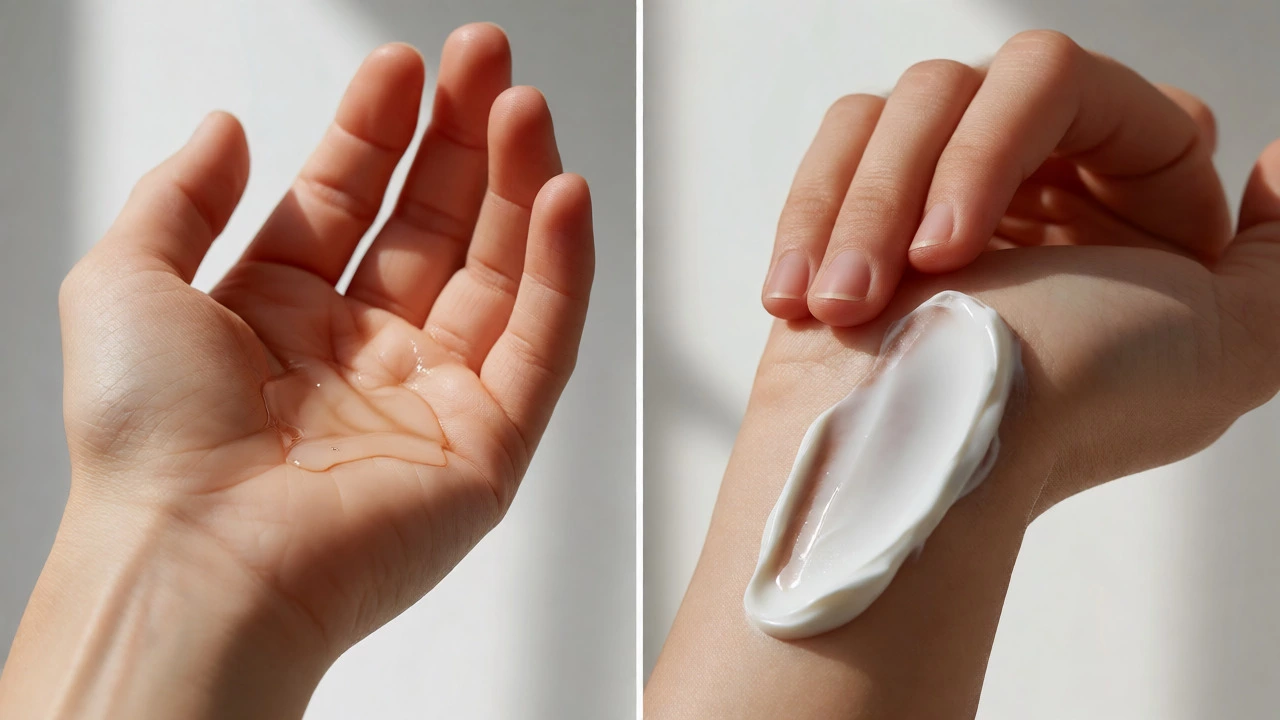
| Texture | Lightweight, watery, or gel-like. | Creamy, lotion-like, or balm-like. |
| Main Ingredients | Vitamins, Acids, Peptides, Hyaluronic Acid. | Fatty Acids, Ceramides, Dimethicone, Shea Butter. |
| Effect if Skipped | Less targeted treatment, slower results. | Increase in water loss, barrier damage, irritation. |
Notice that neither product does the other's job well. A serum cannot seal effectively because it lacks the heavy lipids needed to form a protective film. Conversely, a moisturizer alone cannot deliver high concentrations of actives deep enough to change skin texture or pigmentation efficiently. They are partners, not competitors.
Who Can Actually Skip Moisturizer?
Is there ever a case where skipping moisturizer is okay? Yes, but the list is short. If you have extremely oily, acne-prone skin and you use a very lightweight, hydrating gel-serum that contains ceramides and squalane, you might get away with it in humid climates. In high humidity, the air itself helps reduce transepidermal water loss, so the risk of drying out is lower.
However, even in these cases, dermatologists usually recommend a light, oil-free moisturizer. If you have dry, mature, or sensitive skin, skipping moisturizer is almost always a mistake. During winter months, when indoor heating sucks moisture from the air, skipping this step is akin to walking outside without a coat. The environmental stressors are simply too high for bare skin to handle alone.
How to Choose the Right Moisturizer for Your Routine
If you've been skipping moisturizer because you dislike the feeling of heaviness, the issue likely isn't the concept-it's the product choice. You need a moisturizer that complements your serum rather than fighting it.
- For Oily/Acne-Prone Skin: Look for "gel-cream" textures. Ingredients like Niacinamide and Salicylic Acid in the moisturizer can help control oil while hydrating. Avoid heavy oils like coconut oil.
- For Dry/Mature Skin: You need richer emollients. Look for Ceramides, Hyaluronic Acid, and Squalane. These mimic the skin's natural lipids and provide long-lasting comfort.
- For Sensitive Skin: Stick to fragrance-free formulas with minimal ingredients. Colloidal oatmeal and Centella Asiatica are excellent soothing agents that won't interfere with your active serums.
Application technique matters too. Apply your serum to damp skin. This helps the humectants bind to the water already present. Then, apply your moisturizer within 60 seconds while the serum is still slightly tacky. This traps the hydration underneath the occlusive layer of the cream. This method maximizes absorption and minimizes waste.
Long-Term Consequences of Neglecting Hydration
If you consistently skip moisturizer after using active serums, you aren't just risking temporary dryness. You are setting up long-term structural issues. Chronic dehydration weakens collagen production. Dehydrated skin appears dull, emphasizes fine lines, and heals slower from acne scars. Studies suggest that maintaining optimal stratum corneum hydration levels supports better enzymatic activity for desquamation (natural shedding of dead skin cells). When this process slows down due to dryness, skin looks rough and uneven.
Furthermore, a compromised barrier allows allergens and pollutants to penetrate deeper. This can lead to increased sensitivity over time. What used to be a mild reaction to a new product might become a severe flare-up. By protecting your barrier now with consistent moisturizing, you preserve your skin's resilience for decades to come.
Can I use sunscreen instead of moisturizer?
Yes, but only during the day. Sunscreen is an essential final step for UV protection. Many sunscreens have moisturizing properties, but if your skin feels tight after wearing sunscreen all day, you likely need a separate moisturizer underneath. At night, sunscreen is unnecessary, so you must use a dedicated moisturizer to repair the barrier.
Does moisturizer make acne worse?
Not if you choose the right one. Heavy, comedogenic creams can clog pores, but lightweight, non-comedogenic lotions or gels do not. In fact, dehydrated skin produces more oil, which can worsen acne. Using a suitable moisturizer helps regulate oil production and prevents the over-drying caused by acne treatments.
How long should I wait between serum and moisturizer?
You don't need to wait long. In fact, applying moisturizer while the serum is still slightly damp (within 30-60 seconds) is ideal. This helps lock in the water content. Waiting until the serum is completely dry can allow some of the hydration to evaporate before you seal it in.
Do I need moisturizer if I have oily skin?
Absolutely. Oily skin still needs water. Skipping moisturizer can trigger reactive seborrhea, where your skin produces even more oil to compensate for the lack of hydration. Use a lightweight, oil-free, or gel-based moisturizer to keep your skin balanced without adding heaviness.
What happens if I use too much moisturizer?
Using too much can lead to pilling (where the product rolls off in little balls) or a greasy feel. It doesn't necessarily harm the skin, but it wastes product. Start with a pea-sized amount and add more only if your skin feels tight after a few minutes. Consistency is key, but moderation prevents congestion.