Potato Soaking Advisor
Not sure if that extra step is worth it? Select your potato type and how you plan to cook them to get a personalized recommendation.
You’re in a rush. The oven is preheating, the kids are hungry, and you just sliced those russet potatoes for fries. But then you remember that recipe on Pinterest said to soak them for an hour. Do you skip it? Most of us have been there, staring at the clock, wondering if this extra step actually matters or if it’s just culinary snobbery.
Here’s the short answer: your potatoes will still cook, but they won’t taste or look the same. Skipping the soak changes everything from the crispiness of your edges to the safety of your dinner plate. It’s not just about preference; it’s about chemistry. Let’s break down exactly what happens when you bypass that bowl of cold water, so you can decide if the trade-off is worth your time.
The Texture Trap: Why Your Fries Turn Soft
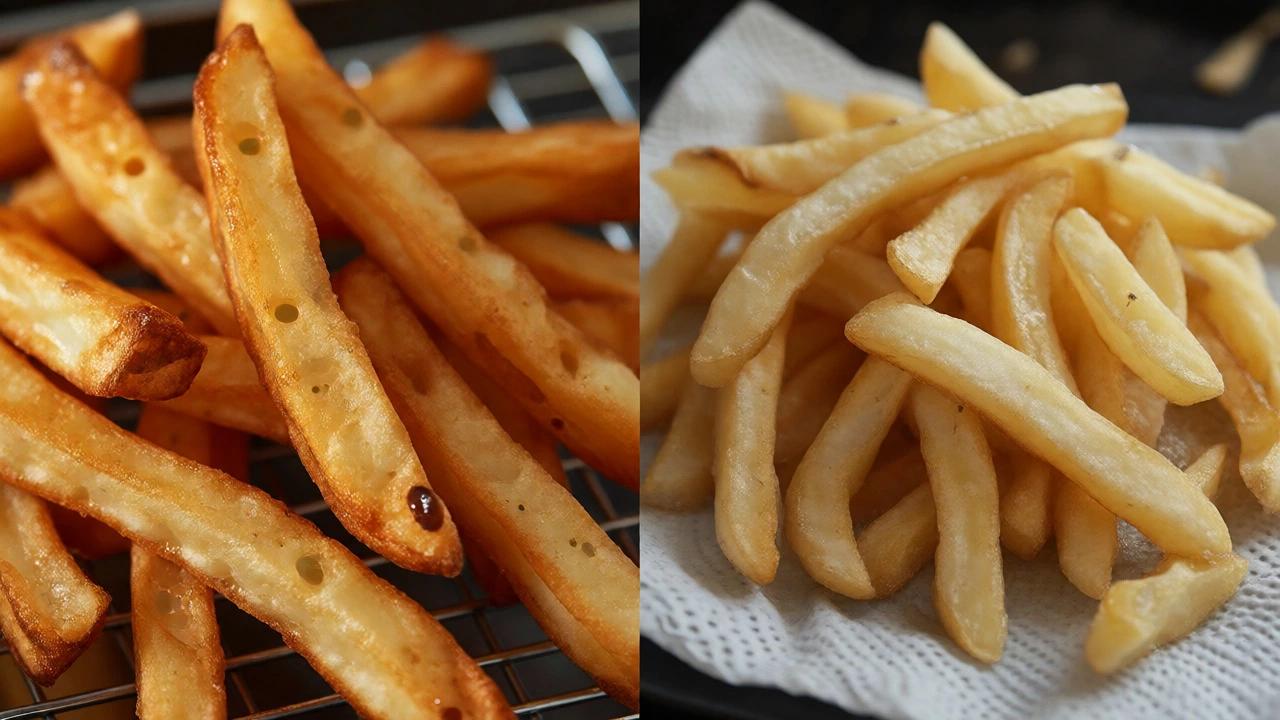
If you’ve ever made homemade fries that ended up soggy and limp instead of golden and crunchy, you probably skipped the soak. Potato starch is the culprit here. When you cut a potato, you rupture its cells, releasing a sticky, white substance onto the surface. This is pure starch. If you throw those wet, starchy slices straight into hot oil or boiling water, that surface starch gelatinizes immediately. Instead of forming a crispy crust, it creates a glue-like barrier that traps moisture inside.
Soaking draws out this excess surface starch through osmosis. Without it, your roasted wedges might come out looking fine on the outside but feeling gummy between your teeth. For deep-frying, the difference is night and day. Soaked potatoes dehydrate slightly during the soaking process (especially if you pat them dry afterward), which allows for better browning via the Maillard reaction. Unsoaked potatoes steam themselves from the inside out because the trapped moisture prevents the surface temperature from rising high enough to crisp up properly.
Safety First: The Acrylamide Problem
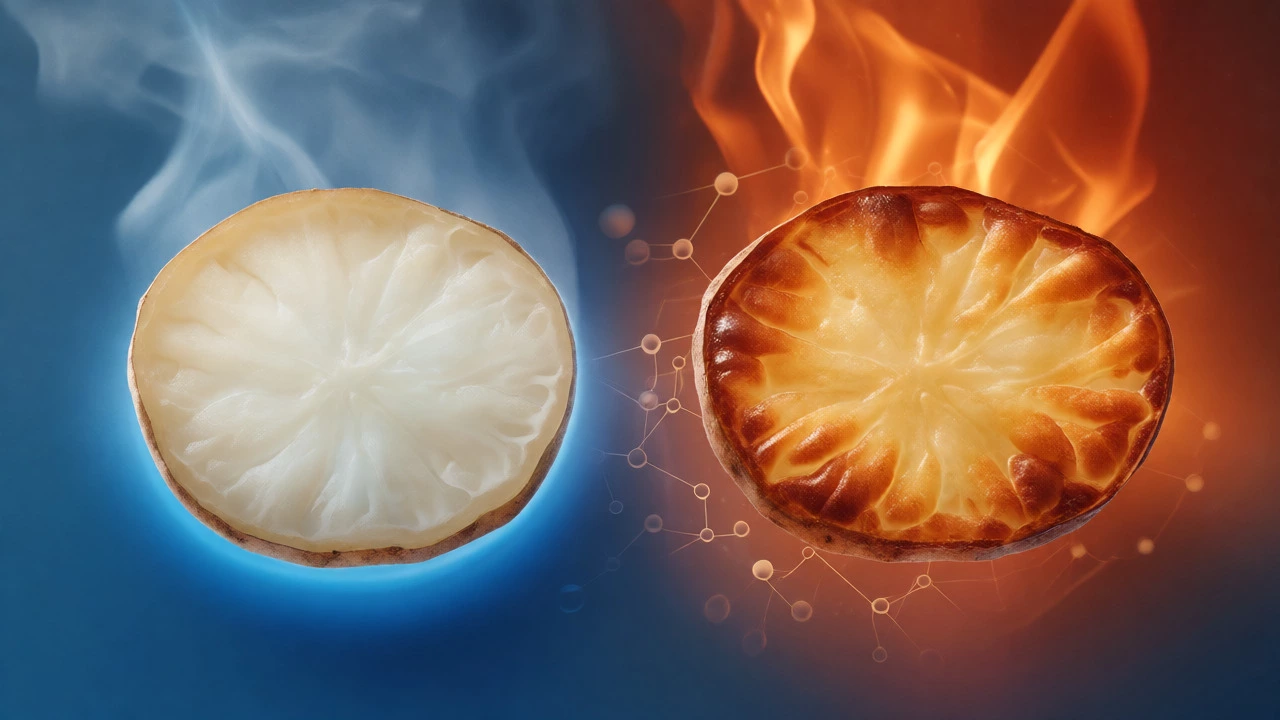
This is the part most home cooks ignore, but food scientists take seriously. When you cook starchy foods like potatoes at high temperatures (above 120°C or 248°F), a chemical reaction occurs between sugars and amino acids called asparagine. This produces Acrylamide, a compound linked to potential cancer risks in animal studies. While we don’t need to panic every time we eat chips, reducing acrylamide formation is a smart health move.
How does soaking help? By removing surface sugars and starches, you lower the amount of raw material available for this reaction. Studies suggest that soaking potatoes for 30 minutes before frying can reduce acrylamide levels by up to 50%. If you’re making French fries, hash browns, or roasted potatoes regularly, this simple step significantly lowers your exposure to these compounds without changing the flavor profile much. It’s a low-effort way to make your comfort food slightly healthier.
Color Changes: The Ugly Grey Spots
Have you ever sliced potatoes and left them on the counter for ten minutes, only to return and find them turning pink, red, or grey? That’s oxidation. When the flesh of the potato is exposed to air, enzymes react with oxygen, causing discoloration. It looks unappetizing, even if the taste isn’t ruined yet.
Submerging cut potatoes in water acts as a physical barrier against oxygen. If you don’t soak them immediately after cutting, you’ll likely end up with discolored chunks. While you can sometimes salvage this by peeling off the oxidized layer, it wastes food and time. Water also keeps the cells turgid (full of water), meaning the potatoes stay firm and fresh-looking rather than drying out and shriveling at the edges while you finish chopping the rest of the batch.
| Attribute | With Soaking (30+ mins) | Without Soaking |
|---|---|---|
| Crispiness | High. Surface starch removed allows for hard, crunchy exterior. | Low. Surface starch gelatinizes, creating a soft or chewy skin. |
| Acrylamide Levels | Reduced by up to 50% due to lower sugar/starch content. | Higher. More precursors available for high-heat reactions. |
| Appearance | Uniform color. Prevents oxidation-induced greying. | Risk of pink/grey spots if delayed before cooking. |
| Cooking Time | Marginal increase due to added water weight (negligible). | Faster initial heating, but often uneven internal cooking. |
| Flavor Absorption | Better seasoning adhesion on dry surfaces. | Seasonings may slide off wet, starchy surfaces. |
When You Can Actually Skip the Soak
Is soaking always necessary? No. Context matters. If you are making mashed potatoes, soaking is generally unnecessary and can even be detrimental. Mashing requires the starch to remain intact to create that fluffy, cohesive texture. Rinsing them lightly to remove dirt is fine, but a long soak washes away the very structure you want in a mash.
Similarly, if you are using waxy potatoes like Red Bliss or New Potatoes for a salad, the starch content is naturally lower. These varieties hold their shape well regardless of soaking. The rule of thumb? High-starch potatoes (Russets, Idahos) benefit most from soaking when fried or roasted. Low-starch, waxy potatoes rarely need it unless you are specifically trying to prevent oxidation for aesthetic reasons in a clear broth or salad.
Practical Tips for Better Results
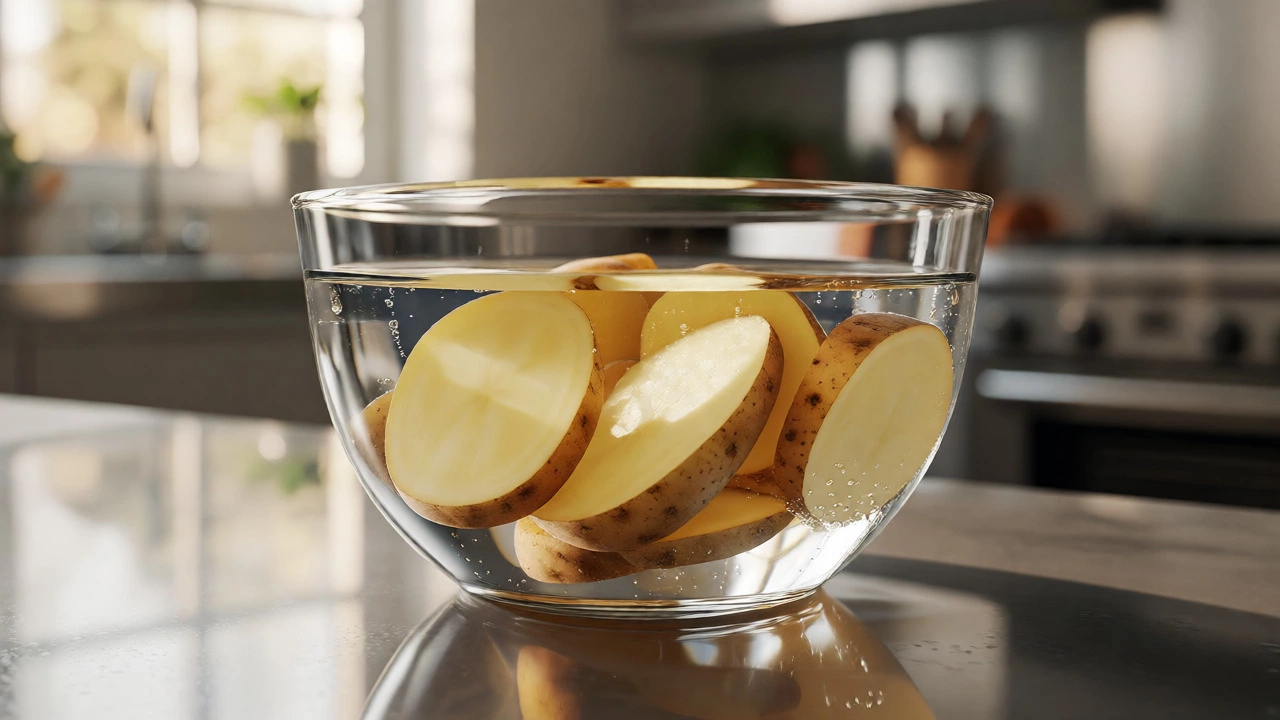
If you decide to soak, do it right. Cold water is key. Warm water starts to cook the outer layers prematurely. Use enough water to fully submerge the potatoes; otherwise, the parts above the waterline will oxidize anyway. Change the water once if you’re soaking for more than two hours, especially if you live in a warm climate like Sydney in summer, to keep things hygienic.
Crucially, dry your potatoes after soaking. This is where many people fail. Wet potatoes thrown into hot oil cause violent splattering and steam rather than fry. Lay them out on clean kitchen towels or paper towels and pat them thoroughly dry. A dry surface ensures contact with the heat source, leading to that coveted crunch. If you’re short on time, a quick rinse under cold running water for 60 seconds helps remove some surface starch, though it’s not as effective as a full soak.
Can I soak potatoes overnight?
Yes, but you must store them in the refrigerator. Leaving cut potatoes in water at room temperature overnight can lead to bacterial growth and fermentation. Keep them submerged in cold water in a sealed container in the fridge for up to 24 hours. Beyond that, they may start to lose flavor and become too waterlogged.
Does soaking remove nutrients from potatoes?
Minimal impact. Some water-soluble vitamins like Vitamin C and B6 can leach into the water, but since you discard the water, you lose those small amounts. However, the benefits of improved texture and reduced acrylamide usually outweigh this minor nutrient loss. To maximize retention, cook potatoes with skins on whenever possible.
Why did my soaked potatoes turn black?
This is likely iron oxidation. Some potatoes contain higher levels of iron, which reacts with air or metal containers. Using stainless steel bowls instead of aluminum or cast iron can prevent this. It doesn’t affect safety or taste significantly, but it looks unappealing.
Do I need to soak sweet potatoes?
Generally, no. Sweet potatoes have a different starch structure and higher sugar content. Soaking them can make them mushy and less flavorful. Roasting them directly yields the best caramelization. Only soak them if you are making thin chips and want extreme crispness, but monitor closely as they burn faster.
How long should I soak potatoes for fries?
For optimal results, soak for at least 30 minutes. An hour is better. Overnight in the fridge is excellent for meal prep. If you are in a hurry, a 10-minute soak with multiple water changes helps, but expect slightly less crispiness than a longer soak.