Belly Fat Loss Strategy Calculator
Your Metrics
Enter your details to see your nutrition targets and health risks.
Spot-reducing fat from your stomach is a myth. You cannot tell your body where to burn fat by doing crunches or wearing special belts. However, you can lower your overall body fat percentage, which eventually shrinks the belly. The good news? Reducing tummy fat, especially the dangerous visceral fat that wraps around your organs, is one of the most effective ways to improve your long-term health. It lowers the risk of heart disease, type 2 diabetes, and inflammation.
Most people think they need to starve themselves or spend hours on a treadmill. The truth is simpler but requires consistency. It comes down to a calorie deficit combined with high-quality nutrition, stress management, and sleep. If you are ready to change your relationship with food and movement, here is how to actually lose that stubborn midsection without feeling miserable.
The Science Behind Belly Fat
To tackle the problem, you first need to understand what you are fighting. There are two main types of abdominal fat: subcutaneous and visceral. Subcutaneous fat sits just under the skin. It’s the soft layer you can pinch. While it might not look great in swimwear, it is relatively harmless metabolically. Visceral fat, on the other hand, is stored deep inside the abdomen, surrounding vital organs like the liver and intestines.
Visceral fat is biologically active. It releases inflammatory chemicals and hormones that can disrupt your metabolism. This is why carrying excess weight around the middle is linked to higher health risks than carrying it on your hips or thighs. The goal isn’t just aesthetics; it’s about shrinking this internal storage. Genetics play a role in where you store fat, but lifestyle factors have a much bigger impact on whether you gain or lose it.
Nutrition Strategies That Actually Work
Diet accounts for about 80% of your results when it comes to losing belly fat. You cannot out-exercise a bad diet. The key is not just eating less, but eating better quality foods that keep you full and stabilize your blood sugar.
Soluble Fiber is a type of dietary fiber that dissolves in water to form a gel-like substance. It slows down digestion, keeping you fuller for longer. Studies show that increasing soluble fiber intake by 10 grams per day can reduce belly fat accumulation by up to 3.7% over five years. Focus on foods like flax seeds, shiitake mushrooms, Brussels sprouts, and blackberries. Oats and legumes are also excellent sources.
Protein is another non-negotiable nutrient. It boosts your metabolism more than carbs or fats because your body uses more energy to digest it (the thermic effect of food). More importantly, protein reduces cravings by 60% and cuts the urge to snack late at night in half. Aim for 1.2 to 1.6 grams of protein per kilogram of body weight. Include eggs, Greek yogurt, lean meats, fish, and plant-based options like lentils and tofu in every meal.
Avoid added sugars and refined carbohydrates. When you eat sugar, your insulin levels spike. Insulin signals your body to store fat, particularly in the abdominal area. White bread, pasta, pastries, and sugary drinks are the biggest culprits. Swap them for whole grains, vegetables, and fruits. This doesn't mean going keto or cutting out all carbs, but rather choosing complex carbohydrates that release energy slowly.

Effective Healthy Meal Ideas
Knowing what to eat is different from knowing how to prepare it. Here are some practical, delicious meal ideas that support fat loss while satisfying your hunger.
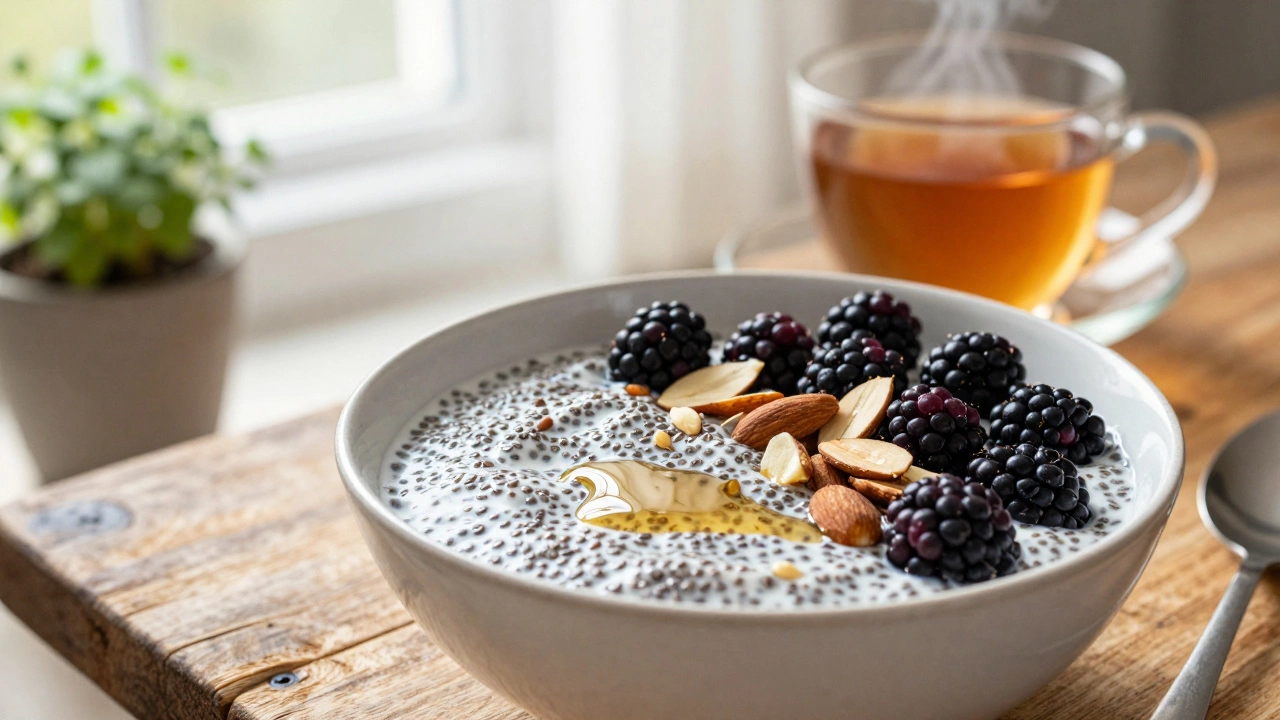
- Overnight Chia Pudding: Mix chia seeds with unsweetened almond milk and a dash of vanilla extract. Let it sit overnight. Top with berries and a handful of walnuts for breakfast. This provides fiber, omega-3s, and protein to start your day without a sugar crash.
- Grilled Salmon Salad: Combine mixed greens, cucumber, cherry tomatoes, and avocado. Top with grilled salmon and drizzle with olive oil and lemon juice. Salmon is rich in omega-3 fatty acids, which help reduce inflammation and may aid in burning belly fat.
- Lentil Soup: A hearty bowl of lentil soup with carrots, celery, and spinach is packed with fiber and protein. It’s low in calories but high in volume, meaning you can eat a large portion and still stay within your calorie goals.
- Stir-Fried Tofu and Vegetables: Use broccoli, bell peppers, and snap peas with firm tofu. Season with ginger, garlic, and soy sauce (low sodium). Serve over a small portion of brown rice or cauliflower rice.
Snacking often derails progress. If you must snack, choose whole foods. An apple with peanut butter, a hard-boiled egg, or a small handful of almonds are better choices than granola bars or chips. Drink water before meals. Sometimes thirst mimics hunger. Staying hydrated also helps your body process stored body fat.
Movement Beyond Crunches
While ab exercises strengthen the muscles underneath the fat, they do not burn the fat covering them. To reveal those muscles, you need to lower your overall body fat. The most efficient way to do this is through a combination of strength training and cardiovascular exercise.
Strength training is crucial. Building muscle increases your resting metabolic rate, meaning you burn more calories even when you are sitting on the couch. Compound movements like squats, deadlifts, lunges, and push-ups engage multiple muscle groups, including your core. They trigger a hormonal response that promotes fat loss more effectively than isolation exercises like crunches.
High-Intensity Interval Training (HIIT) is another powerful tool. HIIT involves short bursts of intense activity followed by rest periods. For example, sprint for 30 seconds, then walk for 60 seconds. Repeat this cycle for 15-20 minutes. Research suggests HIIT can be more effective at reducing visceral fat than steady-state cardio like jogging, because it creates an "afterburn" effect where your body continues to burn calories after the workout is finished.
Don’t underestimate Non-Exercise Activity Thermogenesis (NEAT). This refers to the calories you burn through daily activities like walking, cleaning, and fidgeting. Taking the stairs instead of the elevator, parking further away, or taking a 15-minute walk after dinner can significantly increase your daily calorie expenditure without adding structured workouts.

The Hidden Factors: Stress and Sleep
You can eat perfectly and train hard, but if you ignore stress and sleep, you will struggle to lose belly fat. Chronic stress triggers the production of cortisol, a hormone that increases appetite and drives fat storage specifically in the abdominal area. High cortisol levels also break down muscle tissue, slowing down your metabolism.
Manage stress through activities that work for you. This could be meditation, yoga, reading, or spending time in nature. Even ten minutes of deep breathing exercises can lower cortisol levels. Prioritize sleep as well. Most adults need seven to nine hours of quality sleep per night. Lack of sleep disrupts the hormones that regulate hunger-ghrelin (which makes you hungry) and leptin (which tells you you’re full). Sleep-deprived individuals tend to crave high-calorie, sugary foods and consume more calories overall.
Create a bedtime routine that signals to your body it’s time to wind down. Keep your bedroom cool, dark, and quiet. Avoid screens at least an hour before bed, as blue light can interfere with melatonin production. Consistency is key; try to go to bed and wake up at the same time every day, even on weekends.
Building Sustainable Habits
Rapid weight loss diets rarely work in the long term. They lead to muscle loss, metabolic slowdown, and eventual rebound weight gain. Instead, focus on building habits you can maintain for life. Start small. Add one serving of vegetables to dinner. Replace soda with sparkling water. Take a 10-minute walk after lunch. These small changes compound over time.
Track your progress beyond the scale. Waist circumference is a better indicator of belly fat loss than weight alone. Measure your waist at the navel level once a month. Take progress photos every few weeks. Notice how your clothes fit. Celebrate non-scale victories like having more energy, sleeping better, or lifting heavier weights.
Be patient. Losing belly fat takes time. A safe and sustainable rate of weight loss is 0.5 to 1 kilogram per week. If you drop weight faster than that, you are likely losing water and muscle, not just fat. Trust the process. Your body is capable of incredible transformation when you give it the right fuel, movement, and rest.
Can I spot-reduce belly fat with ab exercises?
No, spot reduction is a myth. Ab exercises like crunches strengthen the underlying muscles but do not burn the fat covering them. To lose belly fat, you must reduce overall body fat through a calorie deficit, balanced nutrition, and full-body exercise.
What is the best food to eat to lose tummy fat?
There is no single magic food, but foods high in soluble fiber (like oats and beans), protein (like eggs and fish), and healthy fats (like avocados and nuts) are highly effective. These nutrients keep you full, stabilize blood sugar, and boost metabolism.
Does stress really cause belly fat?
Yes. Chronic stress elevates cortisol levels, a hormone that increases appetite and promotes fat storage in the abdominal area. Managing stress through relaxation techniques and adequate sleep is crucial for reducing visceral fat.
How long does it take to see results?
Results vary based on individual factors, but with consistent diet and exercise changes, you may notice changes in how your clothes fit within 4-6 weeks. Significant reductions in belly fat typically take 3-6 months of sustained effort.
Is visceral fat more dangerous than subcutaneous fat?
Yes. Visceral fat is stored deep in the abdomen around organs and is metabolically active, releasing inflammatory substances. It is strongly linked to increased risks of heart disease, type 2 diabetes, and other chronic conditions.