Perfect Plate Builder
Nutrition ToolVisualize your meal ratio
Build Your Meal
The Magic Formula for a Balanced Plate
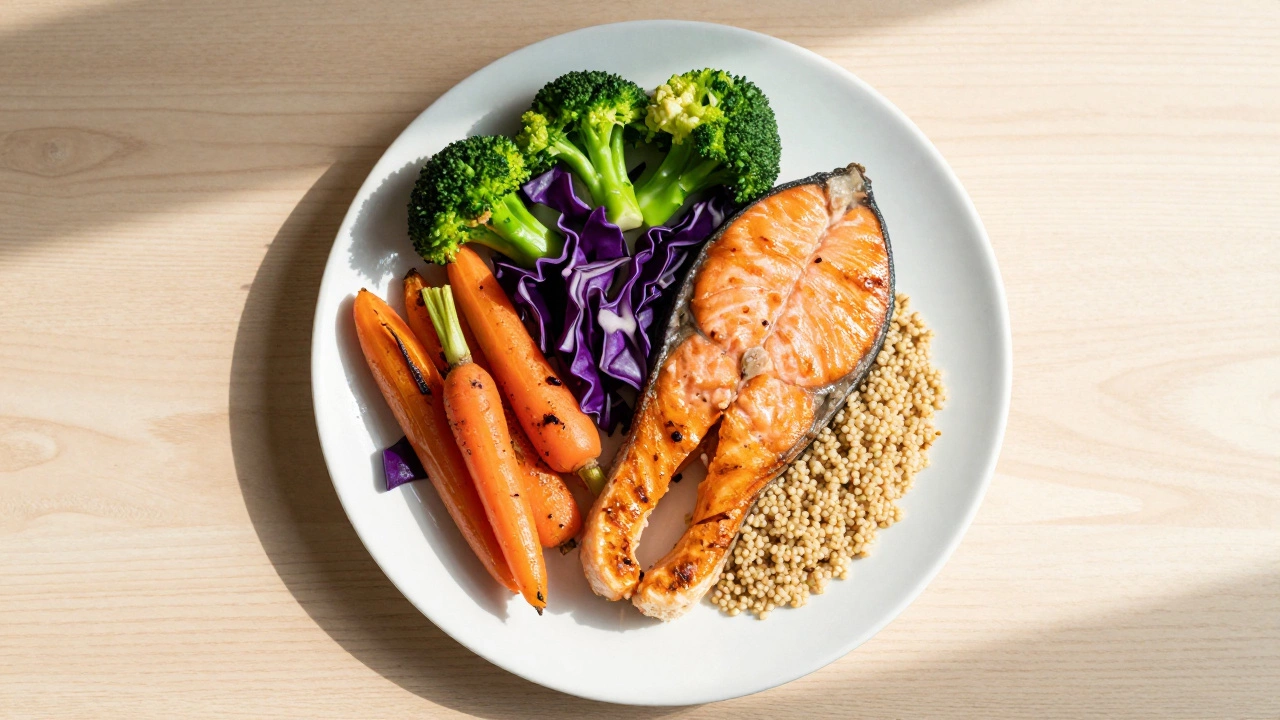
If you're staring at your fridge wondering what to make, stop overthinking. The easiest way to build a perfect meal is to follow a simple ratio. Imagine your plate divided into sections. Half of that space should be filled with colorful vegetables. Why? Because they provide the fiber and micronutrients that keep your gut healthy and your skin glowing.The other quarter should be a high-quality protein. Whether you're eating Salmon, which is rich in omega-3 fatty acids, or Tofu for a plant-based hit, protein is what keeps you full. The final quarter is for complex carbohydrates. Swap the white bread for Quinoa or sweet potatoes. These slow-digesting carbs prevent the dreaded mid-afternoon crash.
| Component | Best Examples | Primary Benefit |
|---|---|---|
| Leafy Greens | Spinach, Kale, Arugula | Vitamins A, C, and K |
| Lean Protein | Chicken breast, Lentils, Eggs | Muscle repair and satiety |
| Healthy Fats | Avocado, Olive Oil, Walnuts | Brain health and hormone balance |
| Complex Carbs | Brown rice, Oats, Barley | Sustained energy release |
Why Flavor Matters as Much as Nutrition
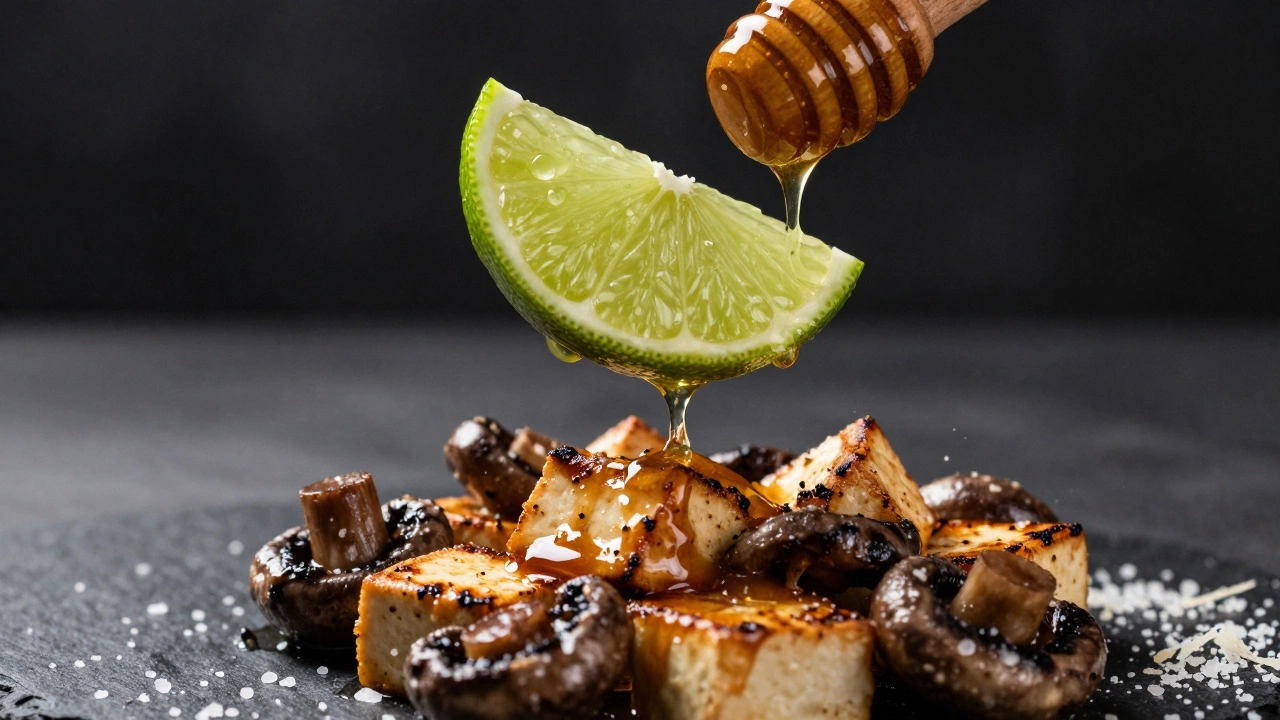
Eating a bowl of steamed broccoli and plain chicken every day is a fast track to hating healthy food. The 'perfect' meal must taste good. This is where the science of flavor comes in. To make any meal feel gourmet, you need to balance the five basic tastes: salty, sweet, sour, bitter, and umami.Ever wonder why a squeeze of lime on a taco or a splash of vinegar in a salad makes it taste "brighter"? That's acidity cutting through richness. If your meal feels flat, add something sour. If it's too sharp, a touch of honey or maple syrup can mellow it out. For that savory depth, look for Umami-rich ingredients like soy sauce, nutritional yeast, or aged parmesan cheese. When you hit these flavor notes, you feel more satisfied with smaller portions because your brain feels the meal is "complete.");
The Role of Mindful Eating
Who you eat with and how you eat is just as important as what is on the plate. Have you noticed how a meal tastes better when you're relaxed compared to when you're scrolling through emails at your desk? This is called Mindful Eating. It's the act of being fully present during a meal, noticing the texture, smell, and taste of your food.When we eat while distracted, our brain often misses the signal that we're full, leading to overeating. Try this: put your phone in another room. Chew your food thoroughly. Notice the crunch of a fresh carrot or the creaminess of an avocado. By slowing down, you improve your digestion and actually enjoy the experience, turning a simple act of refueling into a moment of mental wellness.
Adapting the Perfect Meal for Different Lifestyles
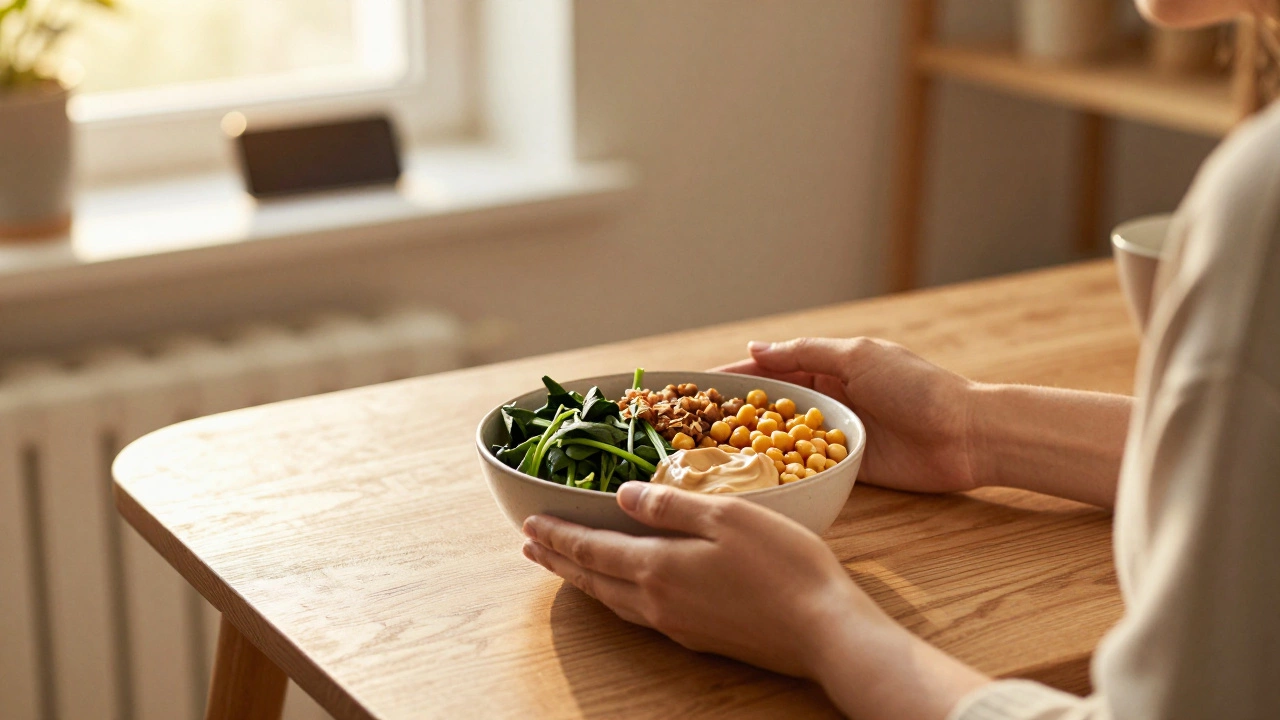
Not everyone has two hours to prep a meal. The perfect meal for a busy parent is different from the perfect meal for an athlete. The key is flexibility. If you're in a rush, a healthy meal ideas approach might involve a "power bowl." Throw a handful of pre-washed spinach, some canned chickpeas, pre-cooked quinoa, and a drizzle of tahini into a bowl. It takes five minutes, hits all the nutritional markers, and tastes great.For those training for a marathon, the perfect meal shifts toward higher carbohydrates to replenish glycogen stores. A large bowl of brown rice with grilled salmon and roasted asparagus would be ideal. The core principle remains the same: a mix of macros (proteins, fats, carbs) and micros (vitamins and minerals), adjusted for your specific activity level.
Common Pitfalls to Avoid
One of the biggest mistakes people make is the "health halo" effect. This happens when we assume a food is healthy just because it has a certain label. For example, many store-bought granola bars are marketed as healthy but are essentially candy bars with a bit of oat flour. They are packed with refined sugars that spike your insulin and leave you hungry an hour later.Another trap is over-restricting. If you remove all fats from your diet to save calories, you'll likely find yourself craving sugar and feeling irritable. Your brain is mostly fat; it needs Omega-3 Fatty Acids to function. Don't fear the avocado or the olive oil-just use them in moderation. The goal is balance, not perfectionism.
Putting It All Together: A Sample Day of Perfection
To see how these principles work in real life, let's look at a day centered around balanced, flavor-rich meals.- Breakfast: Greek yogurt topped with blueberries, a sprinkle of chia seeds, and a drizzle of honey. You get protein from the yogurt, antioxidants from the berries, and healthy fats from the seeds.
- Lunch: A Mediterranean wrap with whole-grain tortilla, hummus, grilled chicken, cucumbers, and feta cheese. This combines complex carbs, lean protein, and various textures.
- Dinner: Baked cod with a side of roasted Brussels sprouts and a small portion of wild rice. The lemon and garlic on the cod provide that essential acidity and umami.
Notice how these meals aren't restrictive. They focus on variety. When you eat a wide range of colors-deep greens, bright oranges, rich purples-you're naturally hitting a broad spectrum of nutrients without needing a supplement pill.
Does a perfect meal have to be expensive?
Absolutely not. Some of the most nutritious foods are the cheapest. Dried lentils, beans, canned tuna, and frozen vegetables are incredibly affordable and fit perfectly into the balanced plate model. Buying seasonal produce also helps keep costs down while ensuring you get the freshest nutrients.
Can a meal be perfect if it's not "healthy"?
From a psychological perspective, yes. Emotional satisfaction is part of a healthy life. If you're celebrating a milestone with a slice of cake or a burger, the joy and social connection derived from that experience contribute to your overall well-being. The trick is making these "soul-satisfying" meals the exception, not the daily rule.
How do I handle cravings for junk food while eating balanced meals?
Cravings often happen because you're missing a specific macronutrient or you're dehydrated. If you crave something salty, you might need more minerals; if you crave sugar, your blood glucose might be low. Try adding more healthy fats (like nuts or avocado) to your meals to increase satiety, which usually reduces the urge to snack on processed foods.
Is it okay to eat the same perfect meal every day?
While it's convenient, it's not ideal. Different vegetables and proteins provide different micronutrients. For instance, spinach gives you iron, while carrots give you beta-carotene. Rotating your ingredients ensures you don't develop a nutritional gap and prevents "palate fatigue," keeping your eating experience exciting.
What is the best way to prep these meals for the week?
Use a method called "component prepping." Instead of making five identical containers of the same meal, prep the building blocks. Roast a large tray of mixed veggies, boil a pot of quinoa, and grill several chicken breasts or tofu blocks. This allows you to mix and match flavors throughout the week so you don't get bored.