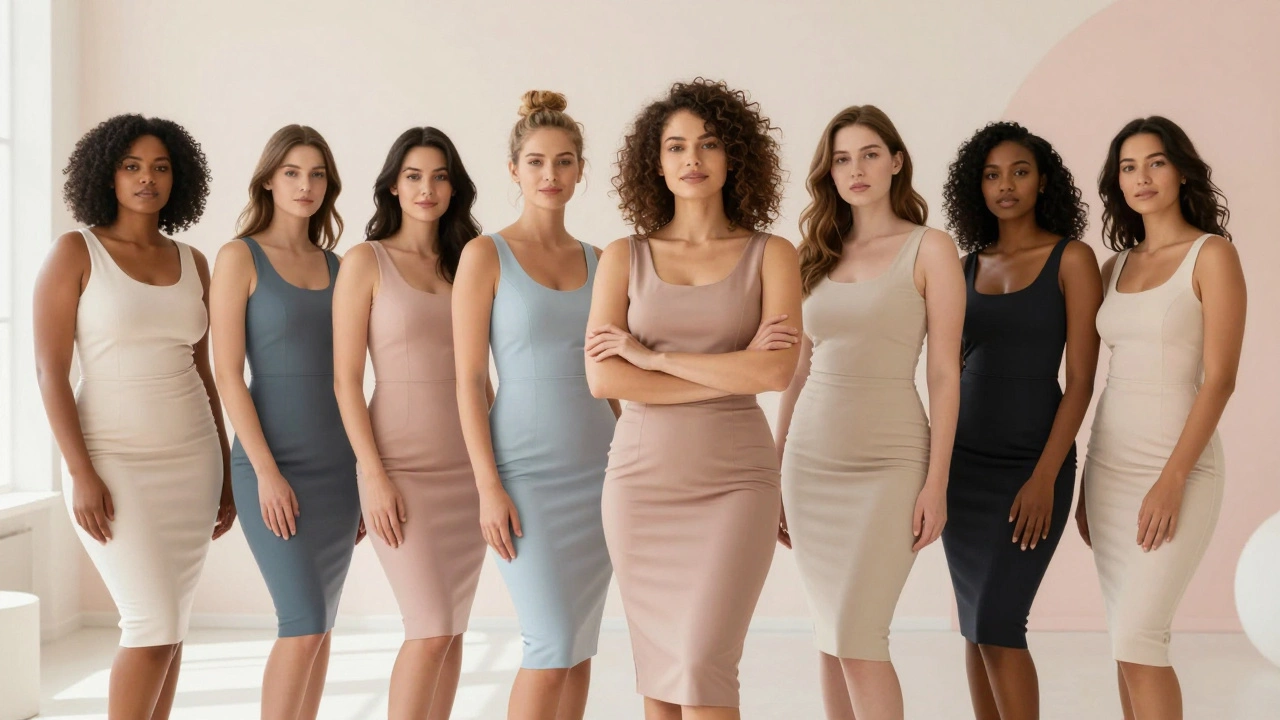
The Attraction & Fit Analyzer
Forget the number on the tag. Use this tool to determine how to maximize your visual appeal based on the principles of fit, silhouette, and psychology.
Your Attraction Signal:
Select your preferences and click "Analyze" to see how fit and color impact your attraction signal.
When men talk about what they find attractive, they rarely mention a specific dress size. Instead, they focus on fit, proportion, and the vibe a person radiates. A size 4 dress that's too tight and makes someone look uncomfortable is far less appealing than a size 16 dress that fits perfectly and makes the wearer feel like a million bucks. The secret isn't in the size, but in the silhouette.
- Fit over size: A well-fitting garment always beats a 'small' size that doesn't fit.
- Confidence is a catalyst: Comfort in your skin translates to physical attraction.
- Proportion is key: It's about the balance of the outfit, not the number on the label.
- Subjectivity: Preferences vary wildly across different cultures and individuals.
The Myth of the Universal Size
We've been conditioned to believe there's a gold standard for beauty, often driven by fast-fashion brands that push a very narrow definition of 'ideal.' However, if you look at real-world data and social patterns, Physical Attraction is a complex psychological and biological response to a combination of visual cues, scent, and behavior. It doesn't operate on a clothing size chart.
Think about the people you've seen in a crowded room who instantly grab attention. Are they all the same size? Definitely not. You'll see petite women with an effortless glow and curvy women who command the room. The common thread isn't the size of their dress, but how that dress complements their natural shape. When a garment fits correctly-meaning it doesn't pull, pinch, or swallow the wearer-it signals health and self-assurance, which are universally attractive traits.
Why Fit Matters More Than the Number
Let's get technical for a second. Clothing sizes are completely arbitrary. A size 10 in one brand might be a size 6 in another. This is known as Vanity Sizing, where brands make their clothes larger so customers feel better about buying a smaller size. Because of this, the number on the tag is essentially meaningless.
What actually matters is the Silhouette, which is the overall outline or shape of a person's clothing. Men are generally more attracted to a shape that looks balanced. For many, this often boils down to the 'hourglass' or 'pear' look, but that's not about a specific size-it's about the ratio between the shoulders, waist, and hips. Whether you are a size 2 or a size 22, the goal is to highlight your favorite features and create a balanced line.
| Factor | Low Attraction Signal | High Attraction Signal |
|---|---|---|
| Dress Size | Trying to fit into a size too small | Wearing the size that fits comfortably |
| Fabric Fit | Pulling, gaping, or sagging | Skims the body and follows natural lines |
| Posture | Slouching due to restrictive clothes | Upright and relaxed posture |
| Vibe | Fidgeting with the hem or straps | Unbothered and confident movement |
The Psychology of Confidence and Clothing
There is a direct link between what we wear and how we act, a concept known as Enclothed Cognition. This is the idea that the clothes we wear influence our psychological processes. When you wear a dress that fits your current body perfectly, your brain receives a signal that you are prepared and confident. This manifests in your body language-you stand taller, make more eye contact, and smile more.
From a partner's perspective, this confidence is an aphrodisiac. If you're constantly tugging at a skirt that's too short or sucking in your stomach because the waistband is too tight, you're sending signals of insecurity. Men (and people in general) are attracted to the feeling of ease. When you stop worrying about the size and start focusing on the feeling, your attractiveness spikes regardless of whether you're a size small or extra-large.
Breaking Down Different Body Types
Since there is no single 'most attractive' size, the real trick is knowing how to dress for your specific entity. Let's look at how different shapes can maximize their appeal without worrying about the tag.
For those with a Rectangular Body Shape, the goal is often to create the illusion of curves. This isn't about losing weight or gaining it; it's about using belts to cinch the waist or choosing A-line skirts. The 'attractiveness' here comes from the intentionality of the style.
Those with Curvy or Hourglass Figures often find that the most attractive look is one that highlights the waist without being overly restrictive. Many women make the mistake of wearing oversized clothes to 'hide' their size, but this often results in a boxy look that obscures the very features that others find most appealing.
For Petite Frames, the most attractive look usually involves avoiding being 'swallowed' by fabric. Shorter hemlines or tailored fits prevent the person from looking like they're wearing someone else's clothes, which emphasizes a polished, put-together appearance.
The Role of Color and Texture
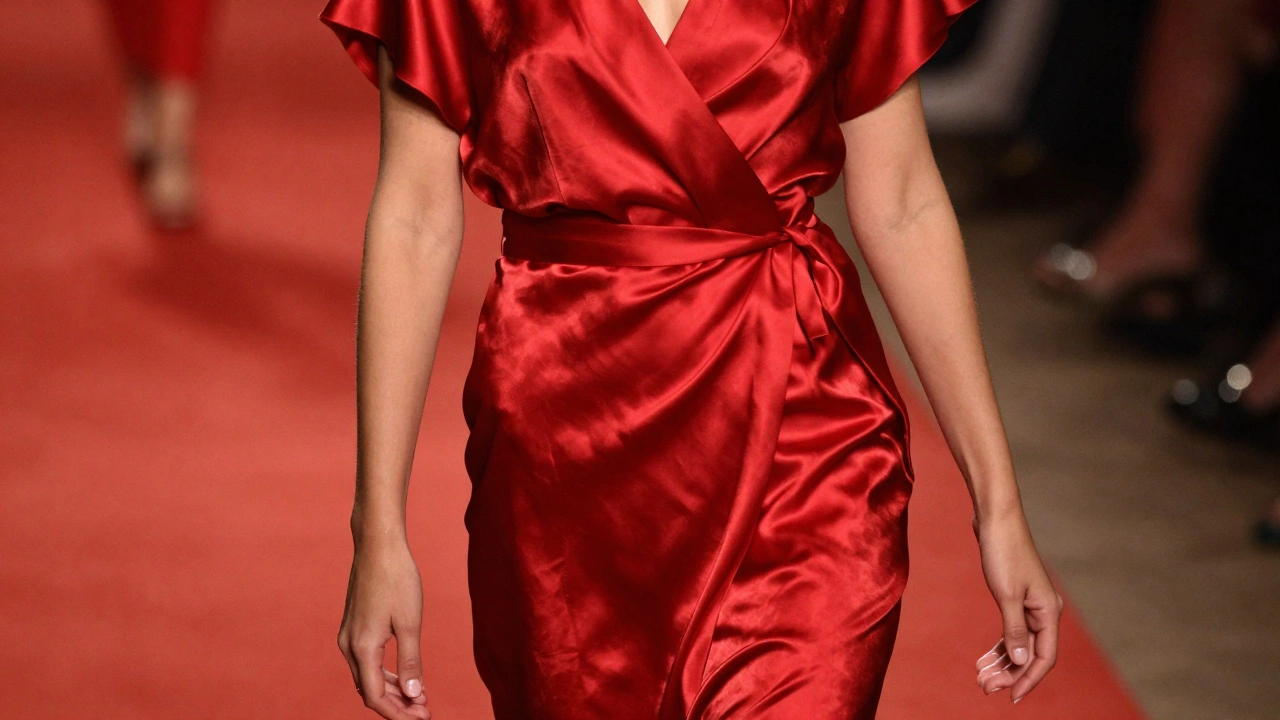
While we're talking about size, we can't ignore that Color Theory plays a massive role in perception. A red dress, regardless of size, is statistically associated with higher levels of attraction and perceived confidence. The color draws the eye and creates a psychological association with passion and energy.
Texture also matters. Materials like silk or lace suggest a level of femininity and softness that many men find appealing. Again, this has nothing to do with the size 8 or size 18 label. A size 18 silk wrap dress is far more alluring than a size 8 stiff, polyester dress that doesn't move with the body. The way fabric drapes over a curve is what creates the visual appeal, not the numerical value of the garment.
Practical Tips for Finding Your Most Attractive Fit
If you want to maximize your appeal, stop looking at the size chart and start looking in the mirror. Here is a practical approach to choosing clothes that work for you:
- Ignore the label: When shopping, take three different sizes into the fitting room. Try them all on. The one that makes you feel the most powerful is the right one, even if it's two sizes up from what you 'should' be.
- Focus on the 'Golden Triangle': Pay attention to how the clothes fit around your shoulders, waist, and hips. If the dress fits these three points, the rest can be tailored.
- Test your movement: Sit down, walk, and dance in the dress. If you have to adjust the fabric every five seconds, it's not the right fit. Discomfort is the enemy of attraction.
- Choose a 'Hero' feature: Pick one part of your body you love (your legs, your collarbones, your waist) and choose a dress that highlights that specific area.
Real-World Perspectives on Preference
If you ask a group of men what they find attractive, you'll get a wild variety of answers. Some prefer a leaner look, some prefer curves, and others are attracted to a specific style or level of grooming. This confirms that attractive dress size is a subjective concept. The common denominator is always 'fit.'
In a study on visual perception and attraction, it was found that symmetry and proportion are more influential than absolute size. This means that a woman who understands her proportions and dresses to balance them will be perceived as more attractive than someone who simply fits a 'standard' size but doesn't know how to style it. The key is creating a visual harmony that suggests health and confidence.
Do men actually prefer a specific dress size?
No, there is no single dress size that is universally preferred. Attraction is based on overall proportions, how the clothing fits the individual's body, and the confidence the person projects. Different men have different preferences, ranging from petite to curvy.
Is it better to wear a smaller size to look thinner?
Generally, no. Wearing a size that is too small often leads to visible pulling, discomfort, and poor posture, all of which can actually decrease attraction. A dress that fits perfectly and skims the body is always more appealing than one that looks too tight.
How can I tell if a dress is truly flattering?
A flattering dress follows the natural lines of your body without restricting your movement. If you can move naturally without fidgeting with the fabric, and the dress emphasizes your favorite features, it is likely flattering.
Does the color of the dress impact how the size is perceived?
Yes, colors can change the visual perception of size and shape. Darker colors tend to create a slimming effect, while brighter colors draw more attention to specific areas. More importantly, colors like red are often associated with higher attraction regardless of the size.
What is more important: the dress size or the style of the dress?
The style and fit are significantly more important than the size. A style that complements your specific body shape (e.g., a wrap dress for an hourglass figure) will always be more attractive than a generic style in a 'perfect' size.