Outfit Builder & Color Matcher
Select your clothing items below to see how they work together based on fit, texture, and color harmony.
1. Choose Your Base
Your Result
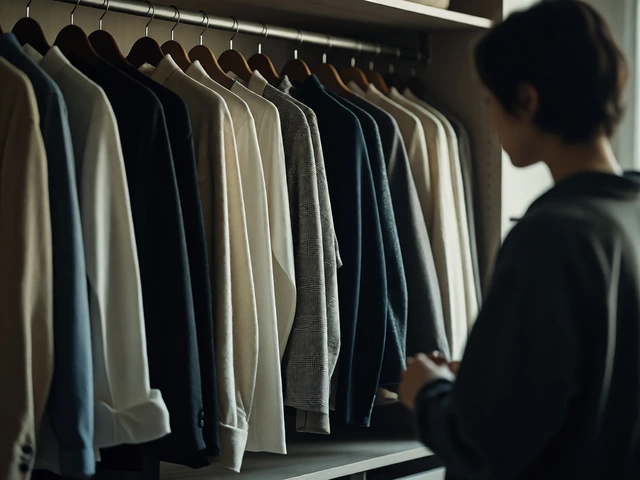
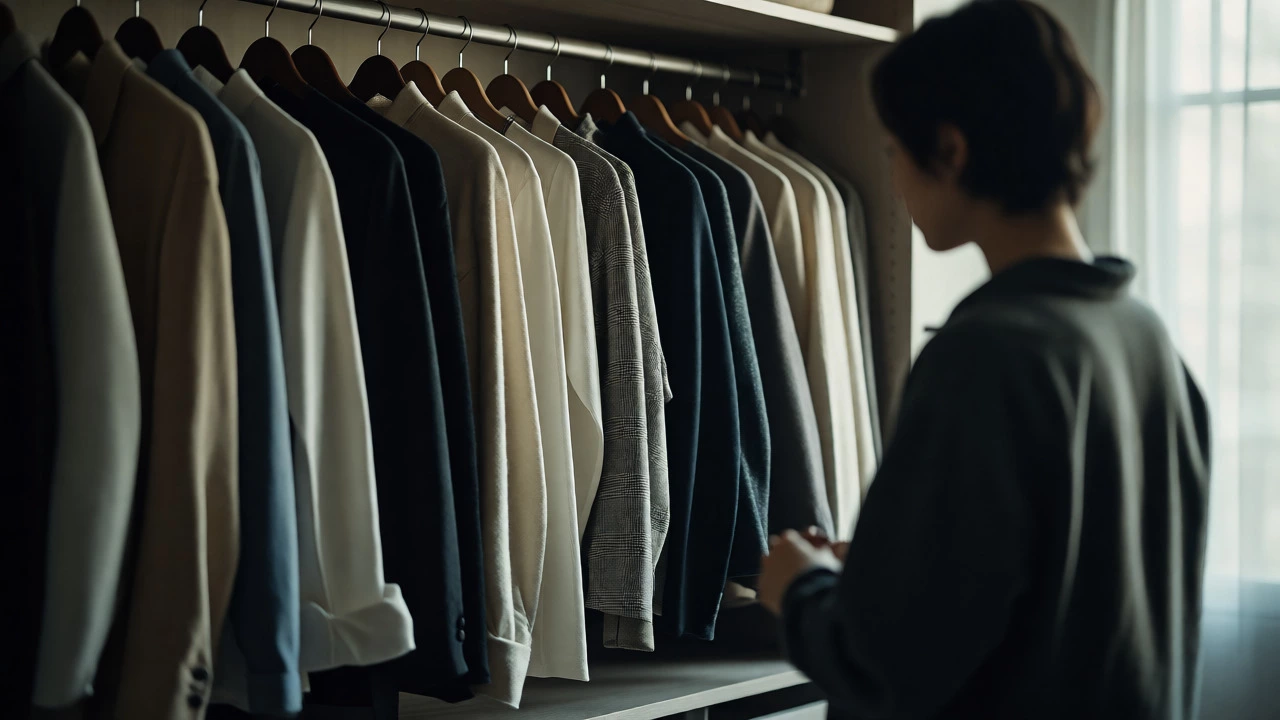
You’ve probably stood in front of your closet at least once this week, staring at a pile of clothes and feeling like you have absolutely nothing to wear. It’s frustrating, right? You own enough fabric to cover a small army, yet not one combination feels right. The truth is, getting the perfect outfit isn’t about buying more stuff or having an innate sense of style that some people are just born with. It’s a skill. And like any skill, it can be learned, practiced, and mastered.
Here’s the good news: you don’t need a stylist on speed dial or a bank account that looks like a phone number. You need a system. This guide breaks down exactly how to curate outfits that make you feel confident, comfortable, and put-together, without the morning panic.
The Foundation: Know Your Body and Your Life
Before you even look at a hanger, you need to answer two questions honestly. First, what does your body actually look like? Not what Instagram says it should look like, but your actual shape. Are your shoulders broader than your hips? Do you carry weight in your midsection? Are you tall and lanky or short and curvy? Understanding your silhouette helps you choose cuts that flatter rather than fight against your natural frame.
Second, what does your life actually require? If you work from home but spend every weekend hiking, a closet full of blazers won’t help you. Many of us dress for the lives we wish we had, not the ones we live. Audit your calendar for the last month. How many days were office formal? Casual Friday? Date night? Gym day? Match your wardrobe to those ratios. If 80% of your week is casual, stop stressing over suits you wear twice a year.
The Capsule Wardrobe Concept (Without the Boredom)
You’ve heard of capsule wardrobes. Maybe you tried one and hated it because everything looked beige and sad. Let’s fix that. A capsule wardrobe isn’t about wearing the same ten items forever; it’s about owning fewer, better pieces that mix and match effortlessly. Think of it as building a toolkit.
Start with the basics. These are the anchors of almost every great outfit:
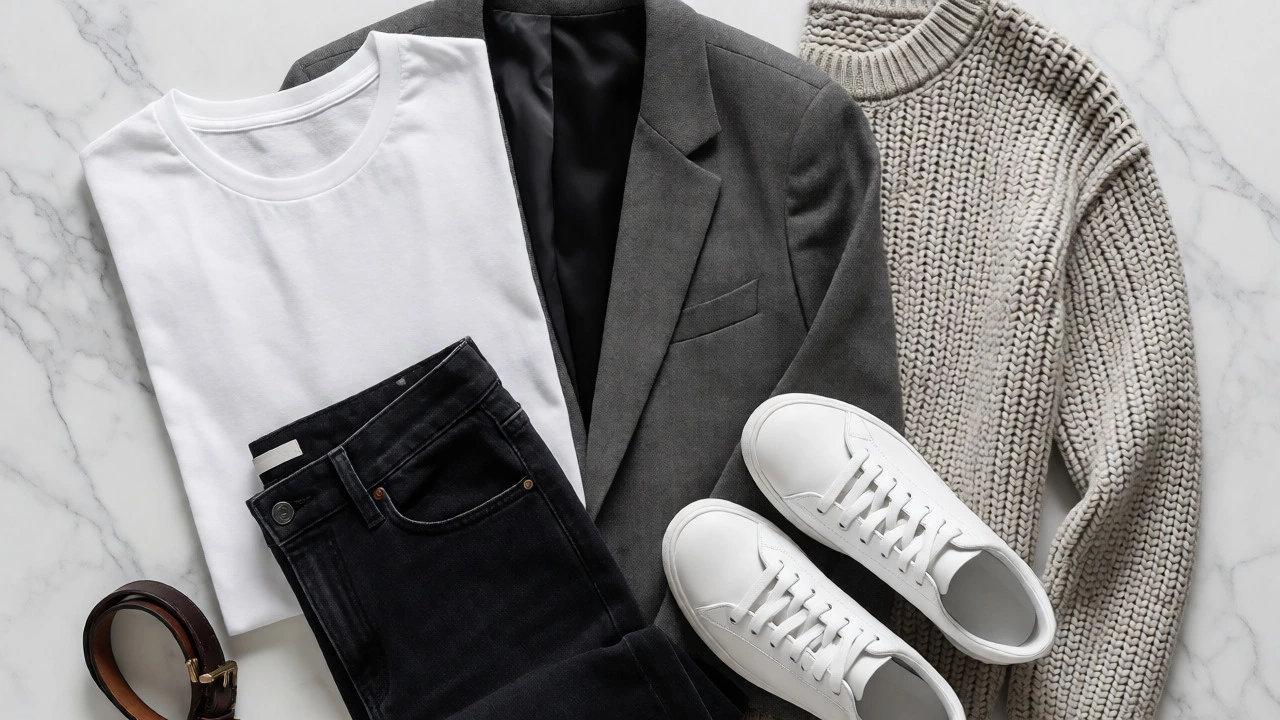
- Neutral Tops: White t-shirt, black tank, grey sweater. These go with everything.
- Versatile Bottoms: Dark wash jeans, black trousers, a neutral skirt.
- A Layering Piece: A denim jacket, a blazer, or a cardigan that works over both dresses and jeans.
- One Statement Item: A patterned shirt, a bright scarf, or unique shoes that add personality.
The magic happens when you realize that one pair of dark jeans can look completely different depending on the top and shoes. Pair them with sneakers and a hoodie for errands, or swap the hoodie for a silk blouse and heels for dinner. That’s three outfits from one base piece.
Color Theory for Non-Artists
You don’t need to know what “complementary colors” mean in a painting class to pick a nice color scheme. Here’s a cheat sheet that works in real life:
| Goal | Strategy | Example Combo |
|---|---|---|
| Safe & Polished | Monochromatic (shades of one color) | Navy trousers + light blue shirt + white sneakers |
| Bold & Eye-Catching | Complementary (opposites on the wheel) | Rust orange top + teal pants |
| Trendy & Modern | Neutrals + One Pop | All black outfit + red bag or yellow shoes |
| Soft & Approachable | Analogous (neighbors on the wheel) | Olive green jacket + tan pants + brown boots |
Stick to neutrals if you’re nervous. Black, white, grey, navy, beige, and denim blue are friends. They never clash. Once you’re comfortable, add one color at a time. If you’re unsure, hold the item up to your face in natural light. Does it make your skin look tired or vibrant? Trust your eyes, not the trend report.
Fit Is Everything (Stop Ignoring It)
This is the single biggest mistake people make. They buy clothes that fit their widest part, not their best parts. Or they assume “stretchy” means “fits.” It doesn’t. Stretchy fabric drapes differently than structured fabric.
Check these three spots before you leave the fitting room:
- Shoulders: The seam should sit right at the edge of your shoulder bone. Too far out? It looks sloppy. Too far in? It pulls and restricts movement.
- Waist/Hips: Pants shouldn’t gap at the back when you bend over, nor should they dig in painfully. If there’s a small gap, a tailor can fix it for $15. If it digs, size up.
- Length: Hemlines matter. Ankle-length trousers look modern; puddling fabric at the shoe looks careless. Crop your jeans or hem your trousers. It’s cheap and changes everything.
Remember, a $20 shirt that fits perfectly looks better than a $200 designer shirt that bunches awkwardly. Tailoring is the secret weapon of well-dressed people everywhere.
Texture and Proportion: The Secret Sauce
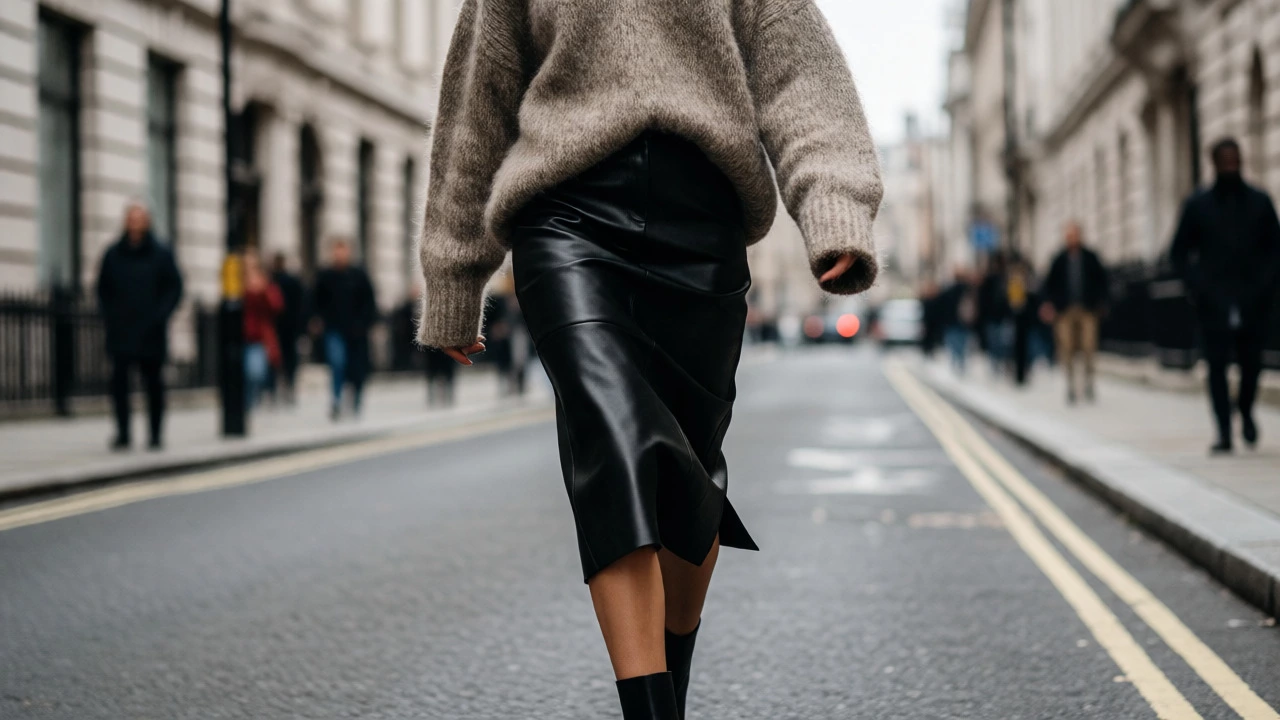
Why do some outfits look flat while others pop? Texture. If you wear all smooth fabrics-cotton tee, polyester trousers, nylon jacket-it can look cheap or boring. Mix textures. Pair a chunky knit sweater with sleek leather pants. Wear a crisp cotton shirt under a wool blazer. Add a silk scarf to a denim outfit. The contrast makes the eye stay interested.
Proportion is the other half of the equation. The classic rule is balance volume. If you wear loose, baggy pants, try a fitted top. If you wear a big, oversized sweater, pair it with slim jeans or a pencil skirt. This creates a visual line that’s pleasing to look at. Of course, fashion rules are meant to be broken, but knowing them first gives you the confidence to break them intentionally.
Accessories: The Final 10%
Clothes get you 90% of the way there. Accessories take you the rest of the way. They show personality and finish the look. But less is often more.
Start with one focal point. If you’re wearing bold earrings, skip the necklace. If you have a statement watch, keep rings minimal. Shoes anchor the outfit. Clean, well-maintained shoes signal care and attention to detail. Scuffed sneakers can ruin a sharp suit, while pristine white sneakers can elevate sweatpants.
Don’t forget practical accessories. A good belt can define your waist. A quality bag adds polish. Sunglasses aren’t just for sun protection; they frame your face and hide bad hair days. Choose accessories that serve a purpose or bring you joy. If it’s just clutter, leave it at home.
The Mirror Test and Confidence Check
You’ve assembled the outfit. Now, stand in front of the mirror. Do three things:
- Sit down. Does the outfit still look good when you’re seated? Pants shouldn’t ride up too high; shirts shouldn’t pull across the chest.
- Move around. Raise your arms. Bend over. Walk. Does anything slip, pinch, or expose something you didn’t intend?
- Ask yourself: “Do I feel like myself?” If you feel like you’re wearing a costume, change it. Comfort breeds confidence. If you’re constantly adjusting your collar or tugging at your hem, you’ll look distracted.
The perfect outfit isn’t necessarily the most fashionable one. It’s the one where you forget you’re wearing clothes because you feel so good. That’s the goal.
Frequently Asked Questions
How many clothes do I actually need in my closet?
There is no magic number, but most stylists suggest starting with 30-40 versatile items. This includes tops, bottoms, layers, and shoes. The key is quality over quantity. If you can create 50+ distinct outfits from those 30 items, you have enough. If you find yourself reaching for the same five favorites repeatedly, donate the rest.
What if I hate shopping?
Then stop going to physical stores. Use online filters to narrow down by size, color, and material. Save items to a cart and wait 24 hours before buying to avoid impulse purchases. Better yet, use personal styling services or apps that send curated selections to your door. You only pay for what you keep, removing the stress of browsing endless racks.
How do I find my personal style?
Create a Pinterest board or Instagram saved folder called "Style Inspiration." Pin every outfit you like for two weeks. Then analyze the patterns. Do you see mostly minimalist lines? Vintage florals? Edgy leather? Neutral tones? Identify the common threads-that’s your aesthetic. Start buying pieces that align with those patterns, ignoring trends that don’t fit.
Is it okay to wear pajamas outside the house?
Absolutely, if styled correctly. This is known as the "athleisure" or "loungewear" trend. To make it look intentional, ensure the fabrics are high-quality and free of stains. Pair sweatpants with a structured blazer or a nice coat. Wear clean, stylish sneakers instead of slippers. Add jewelry or a hat to elevate the look from "just woke up" to "comfortably chic."
How often should I update my wardrobe?
You don’t need to overhaul your closet every season. Aim for one or two quality additions per season. Replace items that are worn out, stained, or no longer fit. Review your closet twice a year (spring and autumn). Remove anything you haven’t worn in six months. This keeps your options fresh without breaking the bank or creating excessive waste.