London Payment Calculator
Calculate Your London Payment Costs
See how much you'll save by using the right payment method in London
Regular cards typically charge 2.5-3% foreign transaction fees. No-fee cards (like Revolut, Wise, Monzo) use real exchange rates.
Your London Payment Breakdown
Regular Card Fee
£0.00
2.5% fee per transaction
No-Fee Card Fee
£0.00
Near-zero fees with services like Revolut or Wise
You'll Save
£0.00
This could cover a London coffee shop or bus fare
Recommended Cash Amount
£50
Enough for 5% of transactions (e.g., small markets, charity shops)
Optimal Strategy
Use no-fee contactless card for 95% of spending
Carry £50 for emergencies
It’s 2025, and you’re standing at a Tube station in London, wondering whether to pull out your wallet or tap your phone. The question isn’t just about convenience-it’s about avoiding stress, saving money, and not getting stuck when you need it most. So, is it better to carry cash or card in London? The answer isn’t as simple as it used to be.
Most places in London don’t need cash anymore
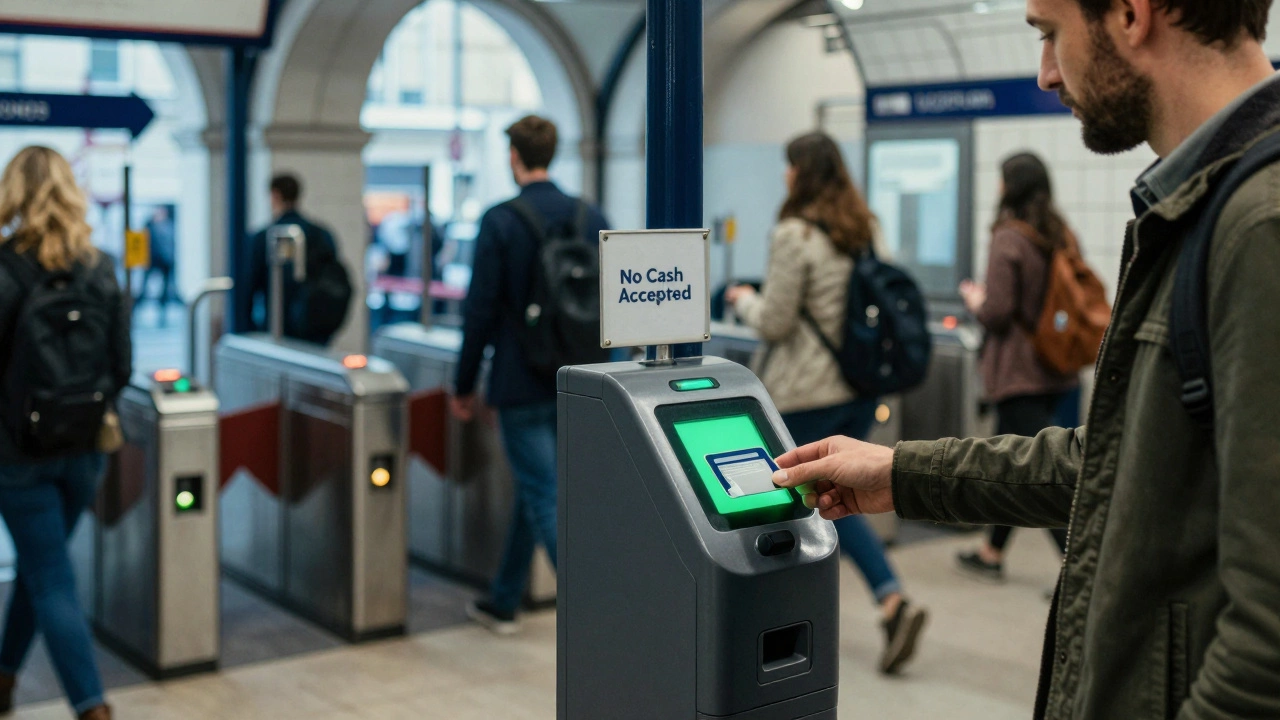
You’ll find that over 95% of businesses in central London-cafes, shops, museums, even small street vendors-accept contactless payments. You don’t need to fumble for coins or worry about finding an ATM. A simple tap with your card or phone works at nearly every register. Even the guy selling hot chestnuts near Covent Garden takes Apple Pay. In fact, many small vendors have stopped carrying cash entirely because it’s easier, safer, and faster.London’s transport system is fully card-based. Oyster cards and contactless bank cards work the same way. You don’t need to buy a ticket. Just tap in and out. If you try to pay with cash on the Tube, you’ll be turned away-there are no ticket machines that take cash anymore. The same goes for buses and trams.
Cash is still useful, but only in a few situations
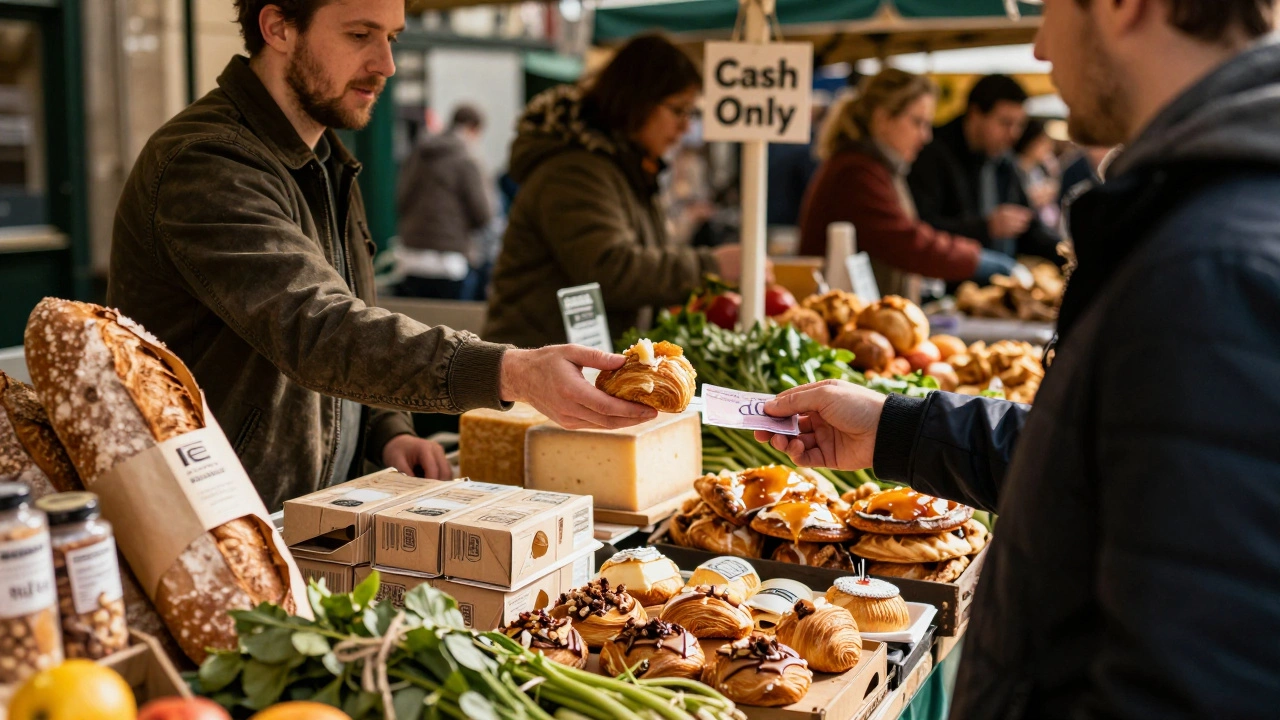
That doesn’t mean cash is useless. There are still places where it’s the only option. Some independent markets, like Borough Market on weekends, have stalls that only take cash. You’ll see signs that say “No Cards” or “Cash Only.” Same with a few traditional pubs, especially outside tourist zones. A few street performers still have a hat out for coins. And if you’re visiting a small church or historic site that’s run by volunteers, they might not have a card reader.Also, if you’re heading to a charity shop or a secondhand bookstore, cash is often preferred. They don’t want to pay transaction fees on £2 donations. And if you’re buying a newspaper from a kiosk that’s been around since the 90s, you might still need exact change.
Card fees can bite you if you’re not careful
Just because you can use your card doesn’t mean you should use any card. If you’re using a foreign debit or credit card, you could be hit with foreign transaction fees-usually 2.5% to 3% per purchase. That adds up fast. A £50 meal becomes £51.25. Ten meals? That’s £12.50 just in fees.Some UK banks and fintech apps offer better deals. Revolut, Wise, and Monzo cards have near-zero foreign exchange fees and use the real exchange rate. If you’re planning to spend more than £100, getting one of these cards before you leave is smarter than using your regular bank card.
Even better? Use your card for everything and withdraw cash only when you need it. Most ATMs in London don’t charge fees-but your home bank might. Check with them before you go. Some banks, like Charles Schwab in the US, refund ATM fees worldwide. That’s a game-changer.
What about security?
Carrying cash means losing it if it gets stolen. No way to cancel it. No way to track it. Cards, on the other hand, can be blocked in minutes. Most UK cards also have fraud protection built in. If someone uses your card without permission, you won’t be liable.That said, pickpocketing still happens in crowded areas like Oxford Street or the Underground. Don’t leave your wallet in your back pocket. Keep cards and cash in a secure money belt or front pocket. Don’t flash your card in busy places. Tap quickly and move on.
How much cash should you bring?
You don’t need to carry a lot. £20 to £50 is enough for emergencies. That’s enough for a market stall, a tip, a busker, or a small shop that doesn’t take cards. Keep it separate from your cards. Don’t put it all in one place.Some travelers still carry a small roll of £1 coins. They’re useful for lockers at train stations, parking meters in older areas, or coin-operated toilets (yes, they still exist). You won’t use them every day, but when you need one, you’ll be glad you have it.
What about mobile payments?
Apple Pay, Google Pay, and Samsung Pay work just like contactless cards. They’re faster, more secure, and you don’t need to carry a physical card at all. Just make sure your phone is charged. London’s public Wi-Fi is decent, but don’t rely on it to top up your balance. Preload your Oyster card or use contactless bank card instead.If you’re using a mobile wallet, link it to a zero-fee card like Wise or Revolut. That way, you’re not paying extra for currency conversion every time you tap. And if your phone dies? You’ll still need a backup card or some cash. Always have one.
What about tourists with older cards?
If you’re from a country that still uses magnetic stripe cards, you might run into trouble. Most terminals in London now only accept chip-and-PIN or contactless. Swipe cards won’t work. If you’re traveling with an old card, contact your bank before you leave. Ask for a chip-and-PIN replacement. If you can’t get one, bring extra cash.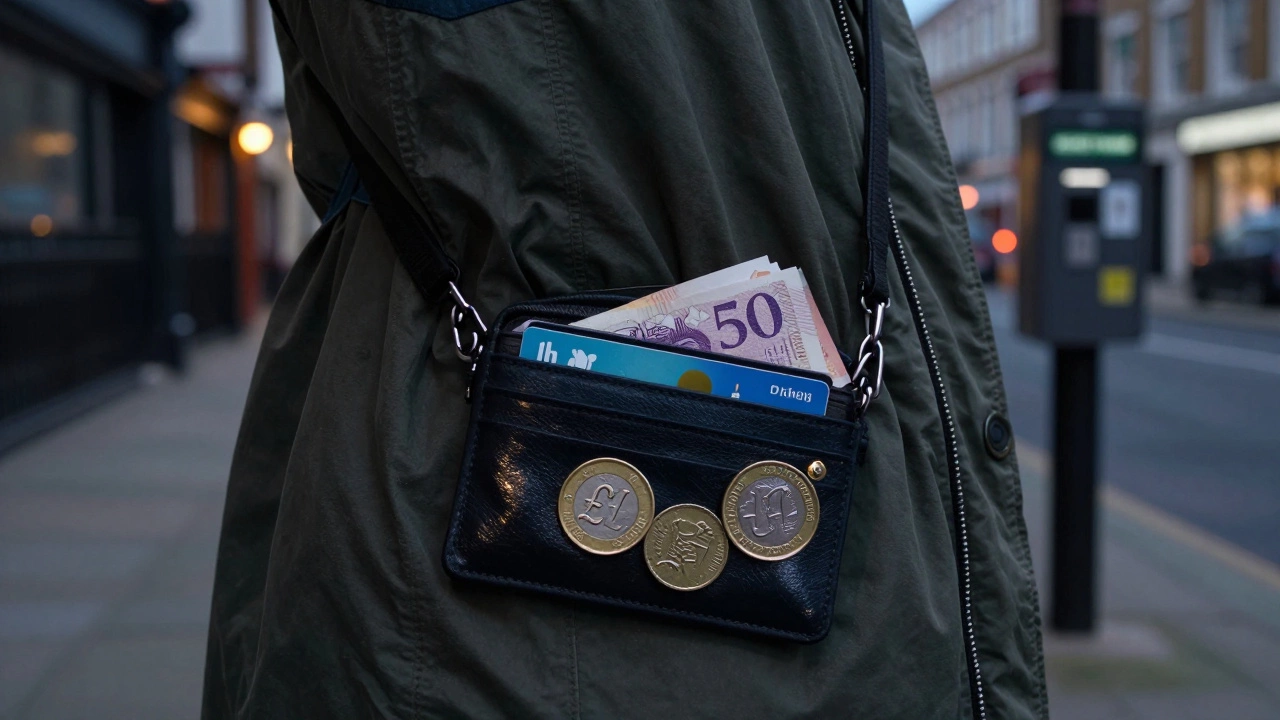
The smart money move in 2025
Here’s the simplest strategy: Use a contactless card with no foreign fees for 95% of your spending. Keep £50 in cash tucked away for the 5% of places that still need it. Use your phone for payments if you’re comfortable with it. Avoid withdrawing cash unless absolutely necessary.That’s it. No need to carry a bulky wallet. No need to hunt for ATMs. No need to stress about exchange rates every time you buy coffee. London is built for card payments now. The cash economy is shrinking fast-and that’s a good thing for travelers who plan ahead.
What to do if you run out of cash or your card gets declined
If your card gets blocked or you lose it, head to the nearest bank branch. Most major banks like HSBC, Barclays, or Lloyds have branches in central London. You can usually get emergency cash if you show your ID and card number. Travel insurance companies also offer emergency cash advances-call them before you panic.If you’re completely out of options, some convenience stores (like Tesco Express or Sainsbury’s Local) offer cashback if you make a small purchase with your card. Buy a bottle of water and ask for £20 cash back. It’s not ideal, but it works in a pinch.
Pro tip: Take a photo of both sides of your cards before you leave. Save the emergency numbers in your phone. That way, if something goes wrong, you’re not scrambling.
Final thought: It’s not about cash vs card-it’s about smart preparation
London isn’t the kind of city where you need to carry a wad of cash. It’s not like some countries where cash is king. Here, technology has made payments faster, safer, and cheaper-if you use the right tools.Bring a no-fee contactless card. Keep a small amount of cash for the few places that still need it. Use your phone if it’s convenient. And don’t stress. You’re not going to get stuck. London’s system is built for visitors. You just need to play by its rules.