
Mental Wellbeing Check
This quiz helps you identify common signs of poor mental wellbeing. It's not a diagnosis, but a tool to help you recognize when you might need support.
How to take this quiz
Answer honestly for each statement. There are no right or wrong answers.
Select:
- Not at all - Rarely or never happens
- Sometimes - Happens occasionally
- Often - Happens frequently
You know that feeling when you used to love coffee, but now it just makes you jittery and irritable? Or when you used to text your friends back within minutes, but now you stare at your phone for hours, too drained to reply? These aren’t just bad days. They might be quiet signals your mind is struggling. Poor mental wellbeing doesn’t always scream-it whispers. And if you’re ignoring those whispers, they grow louder.
You’re constantly exhausted, even after sleep
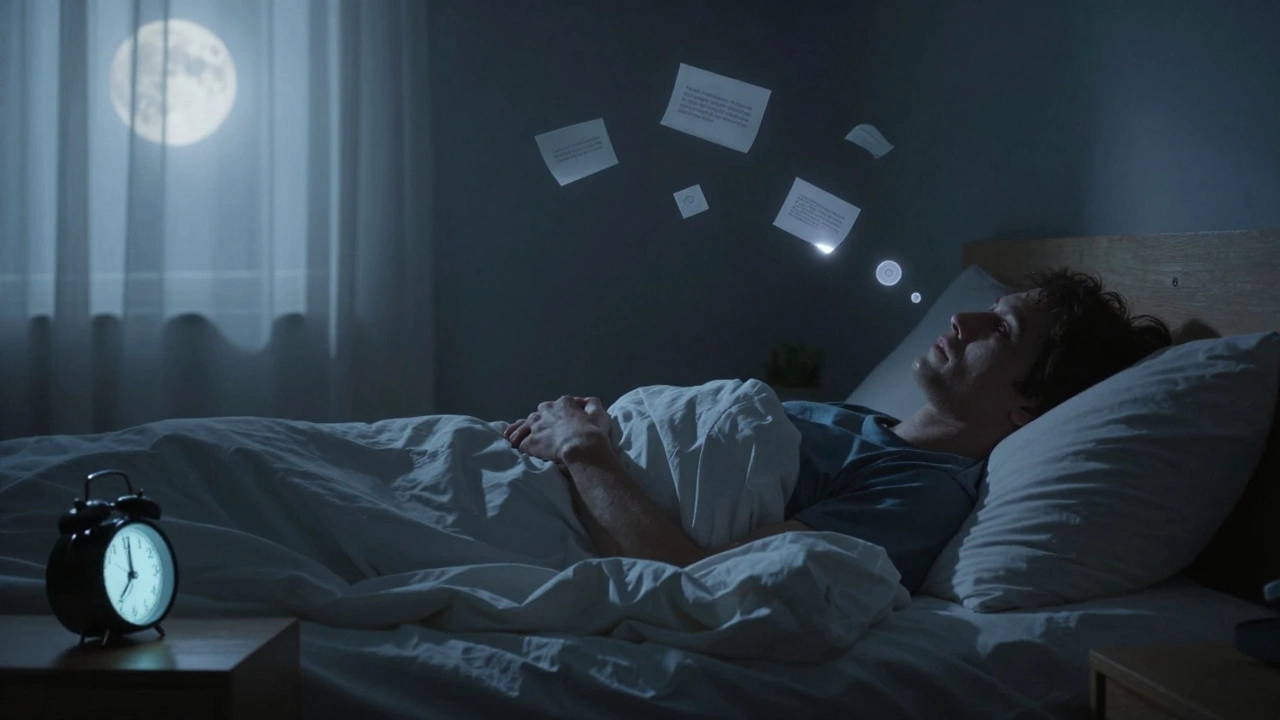
Feeling tired all the time isn’t just about sleeping too little. It’s about sleeping too little because your brain won’t shut off. You lie down at 10 p.m., but your mind replays every awkward conversation from the past week, worries about tomorrow’s meeting, or obsesses over things you can’t control. By morning, you’re not rested-you’re hollowed out. This isn’t laziness. It’s your nervous system running on empty. The body doesn’t distinguish between physical and emotional stress. When your mental load is too heavy, your energy tanks, no matter how many hours you spend in bed.
You’ve lost interest in things you used to love
Remember that book series you devoured? The weekend hikes you always looked forward to? The painting you used to do on rainy afternoons? If those things feel like chores now-or worse, like they used to mean something but now mean nothing-you’re not just ‘in a slump.’ You’re emotionally numb. This isn’t about motivation. It’s about connection. When your brain is under chronic stress, it stops releasing dopamine the way it used to. Pleasure becomes a memory, not a present experience. You don’t want to do these things because your brain no longer sees them as rewarding. That’s not a personality change. It’s a warning sign.
You’re snapping at people-or withdrawing completely
Small things set you off. The dishwasher isn’t loaded right. Your partner leaves the toilet seat up. Your coworker asks a simple question. And suddenly, you’re yelling. Or maybe you’ve stopped reacting at all. You cancel plans. You stop answering calls. You sit in silence at family dinners, nodding along but feeling miles away. Both reactions-anger and isolation-are survival modes. Your brain is trying to protect itself from emotional overload. When you’re mentally drained, social interaction feels like climbing a mountain in flip-flops. It’s not that you don’t care about people. It’s that you don’t have the bandwidth to show it.

Your body is sending signals you’re ignoring
Headaches that won’t go away. Stomach pain after eating. Tight shoulders that feel locked in place. Constant tension in your jaw. These aren’t random physical glitches. They’re your body’s way of screaming what your mind won’t say out loud. The gut-brain connection is real: stress triggers inflammation, disrupts digestion, and tightens muscles. A 2023 study from the Australian Psychological Society found that 68% of people reporting chronic stress also had unexplained physical symptoms lasting more than three weeks. If your doctor says there’s nothing physically wrong, ask yourself: what’s going on in your mind that your body is trying to tell you?
You’re stuck in negative thought loops
You replay the same thought over and over: I’m a failure. No one really likes me. I’m going to mess this up. These aren’t just worries-they’re mental traps. When your mental wellbeing is low, your brain starts filtering everything through a lens of fear and self-doubt. A neutral comment becomes criticism. A quiet text becomes rejection. A minor mistake becomes proof you’re not good enough. This isn’t pessimism. It’s cognitive distortion. Your mind isn’t seeing reality anymore-it’s seeing a distorted, amplified version of it. And the longer you stay in that loop, the harder it becomes to step out.

It’s not weakness. It’s a signal.
These five signs don’t mean you’re broken. They mean you’re human. And you’re telling yourself something important: you need support. You don’t need to fix everything today. But you do need to stop pretending it’s fine when it’s not. Start small. Talk to someone you trust. Write down one thing that felt heavy this week. Take a walk without your phone. These aren’t solutions-they’re first steps. Mental wellbeing isn’t about being happy all the time. It’s about noticing when you’re not, and having the courage to ask for help.
Can poor mental wellbeing lead to physical illness?
Yes. Chronic stress and poor mental wellbeing are linked to increased risk of heart disease, weakened immune function, digestive problems, and chronic pain. The body and mind are deeply connected. When your mental health is under strain, your physical health often follows. A 2024 review in the Journal of Clinical Psychology found that people with untreated emotional distress were 40% more likely to develop long-term physical conditions within two years.
Is it normal to feel this way sometimes?
Everyone has low days. But if these signs last more than two weeks, interfere with your daily life, or feel like they’re getting worse-not better-you’re not just having a rough patch. That’s not normal. It’s a signal your system needs resetting. Don’t wait until you’re in crisis to act.
Can I fix this on my own?
You can take steps to feel better-sleep better, move more, talk to someone, reduce screen time. But trying to fix deep mental distress alone is like trying to patch a leaking boat with duct tape. Professional support isn’t a last resort. It’s a tool. Therapists, counselors, and GPs help you understand the roots of what you’re feeling, not just manage the symptoms.
What’s the difference between stress and poor mental wellbeing?
Stress is a reaction to something specific-a deadline, a fight, a financial worry. Poor mental wellbeing is a state. It’s what happens when stress piles up and doesn’t go away. You can be stressed and still feel okay. But if you’re stuck in a low mood, numb, exhausted, or detached for weeks, that’s not stress-it’s your mental wellbeing declining.
When should I see a doctor?
If you’ve noticed three or more of these signs for more than two weeks, it’s time to talk to a GP. You don’t need to be in crisis. You don’t need to be suicidal. You just need to feel like you’re not yourself anymore. A doctor can rule out physical causes, refer you to a psychologist, or help you access subsidized mental health services. In Australia, you can get up to 20 sessions per year covered by Medicare with a Mental Health Treatment Plan.
What to do next
Start with one thing. Not five. Not tomorrow. Today. Maybe it’s texting a friend: ‘Hey, I’ve been feeling off lately. Can we grab coffee?’ Maybe it’s writing down three things that felt heavy this week. Maybe it’s turning off your phone an hour before bed. These aren’t fixes. They’re anchors. They remind you that you’re still here, still capable of reaching out, still worth caring for.
Mental wellbeing isn’t a destination. It’s a daily practice. And the first step is noticing when you’re falling behind.