Dermatologist Makeup Advisor
Answer two simple questions to find the safest and most effective makeup routine for your skin barrier.
Your face is not a canvas; it’s a living organ. Yet most of us slap on products without checking if they’re clogging pores or irritating the barrier. If you’ve ever wondered what makeup does a dermatologist recommend, you’re asking the right question at the wrong time-usually after a breakout or a red patch appears.
Dermatologists don’t just pick pretty colors. They look for specific ingredients that protect the skin barrier while providing coverage. The goal isn’t just to look good today; it’s to keep your skin healthy for tomorrow. Here is what board-certified dermatologists actually tell their patients to reach for, based on clinical evidence and ingredient safety profiles.
The Golden Rules: What Dermatologists Look For
Before naming brands, you need to understand the criteria. A dermatologist-approved product usually ticks three boxes: non-comedogenic, fragrance-free, and broad-spectrum SPF. Let’s break down why these matter more than marketing buzzwords.
- Non-comedogenic: This means the formula is tested not to clog pores. For acne-prone or oily skin, this is non-negotiable. Avoid heavy waxes and occlusive oils like coconut oil if you are prone to breakouts.
- Fragrance-Free: Fragrance (and parfum) is one of the top causes of contact dermatitis. It serves no functional purpose in skincare or makeup other than scent. If you have sensitive skin, skip it entirely.
- Broad-Spectrum SPF: Sun damage is the number one cause of premature aging. Using tinted moisturizer with SPF 30+ is often the single best "makeup" recommendation because it treats the root cause of skin degradation.
Think of makeup as the final layer of protection, not just decoration. If the base layers (cleanser, moisturizer, sunscreen) are solid, the makeup should enhance, not burden, your skin.
Top Dermatologist-Recommended Foundations by Skin Type
One size does not fit all. A foundation that works for dry skin might suffocate oily skin. Here is how experts categorize their go-to picks.
| Skin Type | Recommended Formula | Key Ingredients to Look For | Avoid |
|---|---|---|---|
| Oily / Acne-Prone | Oil-free, matte finish, liquid or powder | Niacinamide, Salicylic Acid (low %), Zinc Oxide | Heavy silicones, Coconut Oil, Alcohol Denat |
| Dry / Mature | Hydrating, dewy finish, cream-based | Hyaluronic Acid, Ceramides, Squalane | Alcohol-heavy formulas, Heavy powders |
| Sensitive / Rosacea | Mineral-based, physical sunblock | Zinc Oxide, Titanium Dioxide, Green Tea Extract | Fragrance, Essential Oils, Synthetic Dyes |
For oily skin, dermatologists often point toward lightweight liquid foundations that contain niacinamide. Niacinamide helps regulate sebum production over time. For dry skin, cream-based tints with hyaluronic acid provide moisture without cracking. If you have rosacea, mineral foundations are the gold standard because they sit on top of the skin rather than absorbing into it, reducing irritation risk.
Essential Products Every Dermatologist Will Mention
You don’t need a 20-step routine. You need a few high-quality staples. These are the categories where professional recommendations converge most strongly.
1. Mineral Sunscreen (SPF 30-50)
This is the most critical "makeup" item. Chemical sunscreens can sting sensitive eyes and react with certain medications. Mineral sunscreens use zinc oxide or titanium dioxide to physically block UV rays. They are less likely to cause allergic reactions. Look for products labeled "mineral" or "physical." Apply this before any color products. If you wear heavy makeup, reapply every two hours using a spray or powder form to avoid disturbing your base.
2. Tinted Moisturizer with SPF
If you prefer a "no-makeup" look, this is the product to buy. It combines hydration, sun protection, and light coverage. It’s perfect for daily wear. Just ensure the SPF rating is real-some tints claim SPF but don’t have enough active ingredients to deliver it. Check the label for at least 7% zinc oxide or titanium dioxide for true SPF 30 protection.
3. Hypoallergenic Mascara
Eyes are delicate. Waterproof mascaras require harsh rubbing to remove, which can lead to lash loss and eyelid irritation. Dermatologists recommend water-resistant (not waterproof) formulas from brands that test for hypoallergenicity. Always remove mascara immediately after wearing it. Leaving it overnight weakens lashes and increases the risk of styes.
4. Blush and Bronzer (Cream vs. Powder)
For dry skin, cream blushes blend better and add glow. For oily skin, powder bronzers help absorb excess shine. Avoid glittery particles if you have eczema or psoriasis, as they can settle into fine lines and be difficult to wash out. Stick to finely milled pigments that rinse off easily with micellar water.
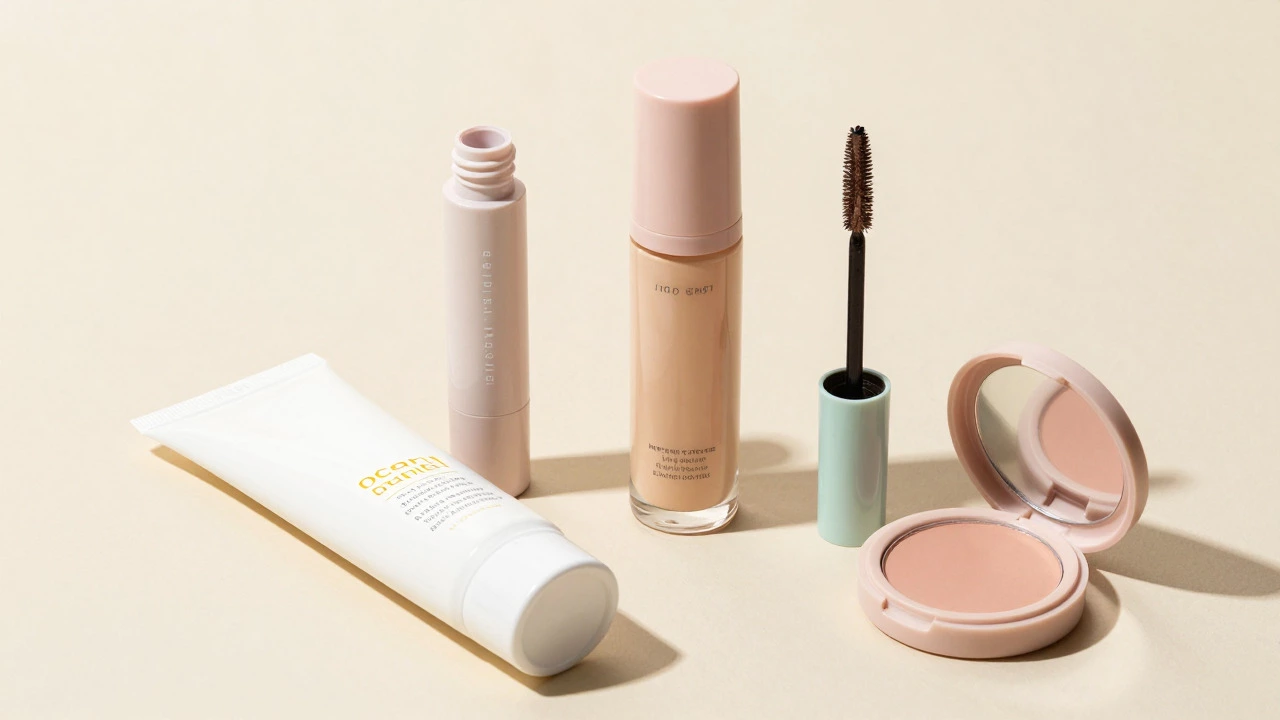
Ingredients to Watch Out For (And What to Use Instead)
Reading labels is a skill. Here is a quick cheat sheet for common irritants and their safer alternatives.
- Retinol in Makeup? Rarely found in daily wear, but if present, use only at night. Retinol makes skin photosensitive. Never mix retinol-containing makeup with daytime SPF without waiting 20 minutes.
- Alcohol Denat: Found in many setting sprays and mattifying primers. It dries out skin quickly. Look for "alcohol-free" options if you have dehydrated skin.
- Essential Oils: Lavender, tea tree, and citrus oils are common allergens. They are marketed as "natural," but natural doesn’t mean safe. Opt for synthetic fragrances or fragrance-free instead.
If you have a history of contact dermatitis, do a patch test. Apply a small amount of new product behind your ear or on your inner forearm for 24 hours. If no redness or itching occurs, it’s likely safe for your face.
How to Choose Based on Your Specific Concerns
Your skin concerns dictate your product choice. Here is a decision guide.
- If you have active acne: Choose oil-free, non-comedogenic liquids. Avoid powder foundations if your skin is inflamed, as they can emphasize texture. Focus on spot treatment underneath makeup, not covering it up heavily.
- If you have hyperpigmentation: Look for foundations with iron oxides. Iron oxides are highly effective at neutralizing dark spots and melasma. Many medical-grade brands include them specifically for this reason.
- If you have mature skin: Skip heavy powder. It settles into wrinkles. Use hydrating primers and liquid foundations. Setting spray is better than powder for locking in hydration.
- If you have sensitive skin: Go minimalist. Fewer products mean fewer potential irritants. A tinted sunscreen and a lip balm might be all you need.
Cleaning Up: The Most Overlooked Step
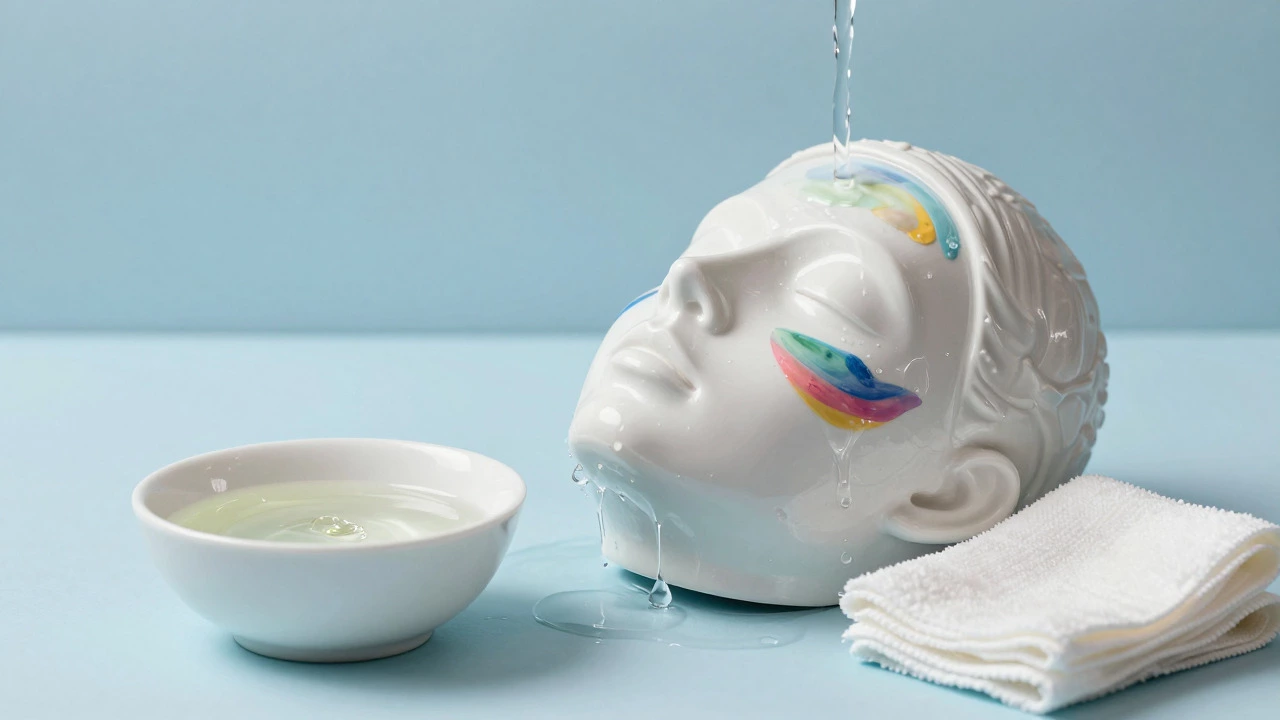
You can buy the best dermatologist-recommended makeup in the world, but if you don’t remove it properly, you’ll clog your pores. Double cleansing is the standard advice. First, use an oil-based cleanser or balm to dissolve makeup and sunscreen. Then, follow with a gentle water-based cleanser to remove residue. This ensures no product remains on your skin overnight, preventing breakouts and dullness.
Remember, makeup is temporary. Your skin health is permanent. Choose products that respect your skin barrier, and your complexion will thank you.
Frequently Asked Questions
Is mineral makeup really better for sensitive skin?
Generally, yes. Mineral makeup uses zinc oxide and titanium dioxide, which are inert and less likely to cause allergic reactions compared to chemical filters or synthetic dyes. However, individual allergies vary, so always patch test new products.
Can I wear makeup every day if I have acne?
Yes, provided you choose non-comedogenic, oil-free products and remove them thoroughly each night. The key is consistency in cleansing. Heavy makeup can trap bacteria, so lighter coverage is often safer for active breakouts.
What is the difference between fragrance-free and unscented?
Fragrance-free means no added fragrance ingredients. Unscented may still contain masking agents or low levels of fragrance to cover the smell of other ingredients. For highly sensitive skin, fragrance-free is the safer choice.
Do I need a primer if I use a good foundation?
Not necessarily. Primers extend wear time and smooth texture, but they add another layer of product. If your skin is sensitive, skipping primer reduces the risk of irritation. Focus on a well-moisturized base instead.
How long does makeup last on the shelf?
Liquid foundations typically last 12 months after opening. Powders last 2 years. Mascara should be replaced every 3 months to prevent bacterial growth. Check the PAO (Period After Opening) symbol on packaging, which looks like a jar with a number inside.