Sustainable Fashion Generation Calculator
Your Sustainable Fashion Profile
Generational Insights
The data comes from the article: What Age Group Is Most Interested in Sustainable Fashion?
Gen Z (Born 1997-2012)
Millennials (Born 1981-1996)
When you walk through a mall or scroll through your favorite shopping app, it’s hard not to notice the rise of sustainable fashion. Labels like "organic cotton," "vegan leather," and "carbon-neutral shipping" are everywhere. But who’s actually buying this stuff? Who’s willing to pay more, wait longer, or dig deeper to find clothes that don’t cost the Earth? The answer isn’t what most people assume.
Gen Z Is Leading the Charge
Between 1997 and 2012, Gen Z grew up with climate warnings in school, documentaries like The True Cost on Netflix, and influencers calling out fast fashion brands on TikTok. By 2025, 68% of Gen Z shoppers say they’ve changed their buying habits because of environmental concerns. That’s not just a trend-it’s a values shift. They don’t just want clothes that look good. They want clothes that do good.
Studies from McKinsey & Company in early 2025 show that 72% of Gen Z consumers research a brand’s sustainability claims before purchasing. They check for certifications like GOTS (Global Organic Textile Standard), B Corp status, or Fair Trade labels. They’re also the most likely to repair, resell, or rent clothing. In Australia alone, platforms like Depop and ThredUp saw a 41% spike in Gen Z sellers in 2024.
Millennials Are the Biggest Spenders
If Gen Z is the voice, millennials are the wallet. Born between 1981 and 1996, this group has more disposable income and still cares deeply about ethics. In 2025, millennials accounted for 54% of all sustainable fashion sales globally-more than any other age group. They’re not just buying eco-friendly tees; they’re investing in durable denim, timeless coats, and brands with transparent supply chains.
Why? Many millennials remember the 2013 Rana Plaza collapse. They saw how cheap clothes came at a human cost. Now, they’re voting with their credit cards. A 2024 survey by the Fashion Revolution Foundation found that 63% of millennials would pay up to 20% more for clothing made under fair labor conditions. That’s not a small premium-it’s a commitment.
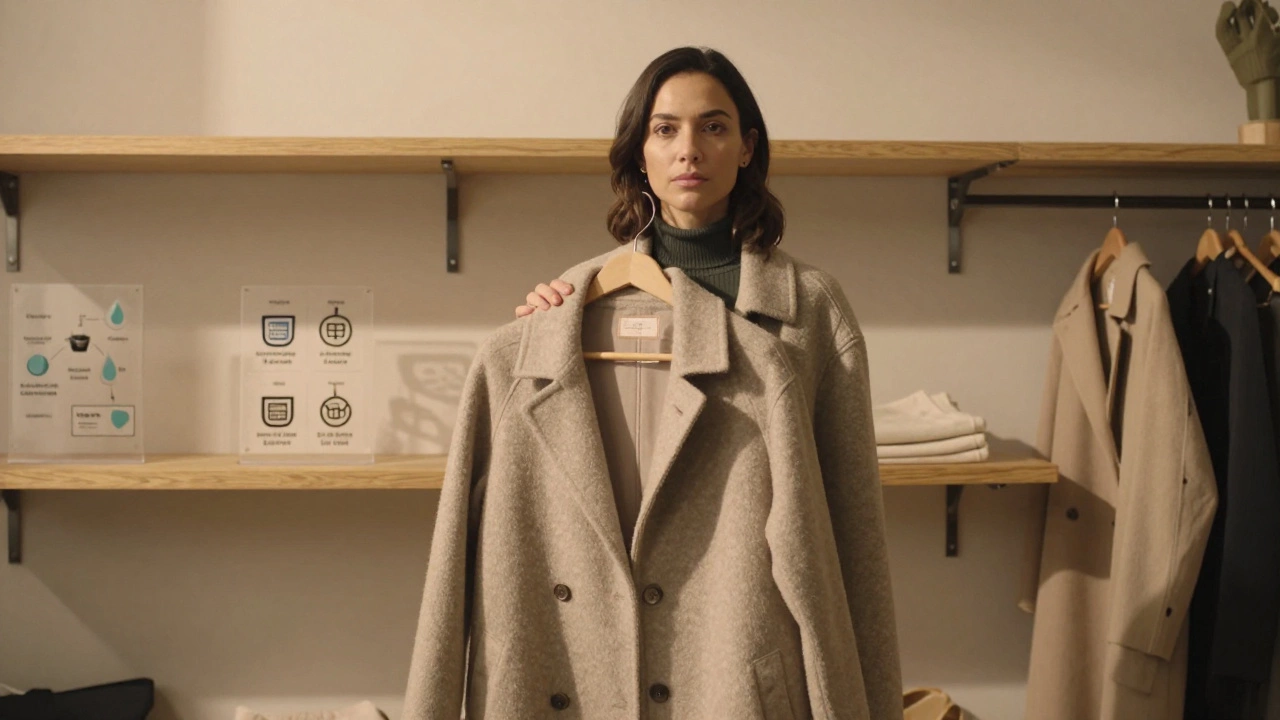
Gen X and Baby Boomers? Slower to Change
Older generations aren’t ignoring sustainability-they’re just approaching it differently. Gen X (born 1965-1980) tends to buy secondhand out of habit, not ideology. Many grew up repairing clothes or shopping at thrift stores because they had to, not because it was trendy. In 2025, 48% of Gen Xers said they buy used clothing, but only 22% actively seek out brands with sustainability certifications.
For Baby Boomers (born 1946-1964), price and comfort still rule. Only 19% say environmental impact is a top factor in clothing choices. But here’s the twist: they’re the most loyal to brands they trust. Once a brand earns their confidence-through quality, durability, or clear communication-they stick with it. That’s why brands like Patagonia and Eileen Fisher have strong followings among older shoppers.
What’s Driving the Shift?
It’s not just about saving the planet. It’s about control. Younger consumers don’t trust big fashion brands to do the right thing. They want proof. That’s why transparency matters more than ever. A brand that says "we care" without showing how? It gets ignored.
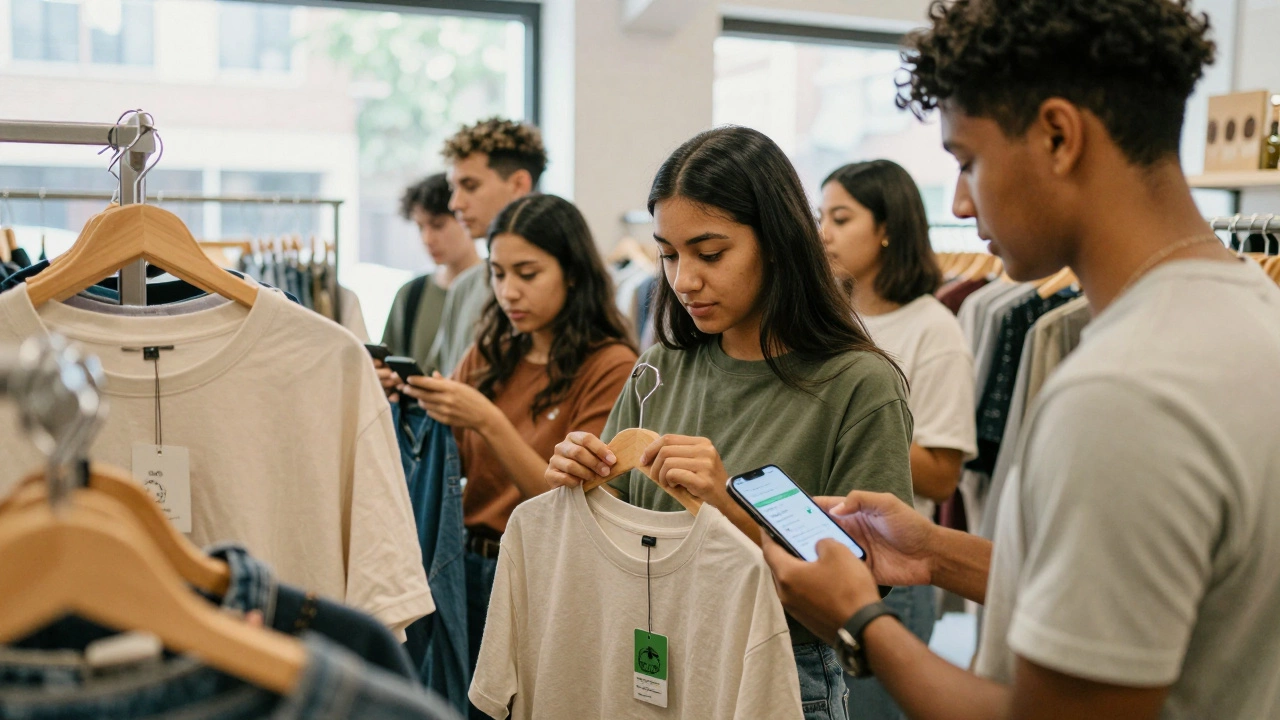
Gen Z and millennials use tools like the Good On You app to scan barcodes and instantly rate brands on labor, environment, and animal welfare. They follow activists like @sustainablychic on Instagram. They join Facebook groups to swap clothes. They read brand stories-not ads.
One 22-year-old student in Sydney told me: "I’d rather buy one $120 jacket that lasts five years than five $30 jackets that fall apart after two washes." That mindset is spreading. It’s not about being perfect. It’s about being intentional.
The Real Barrier? Price and Accessibility
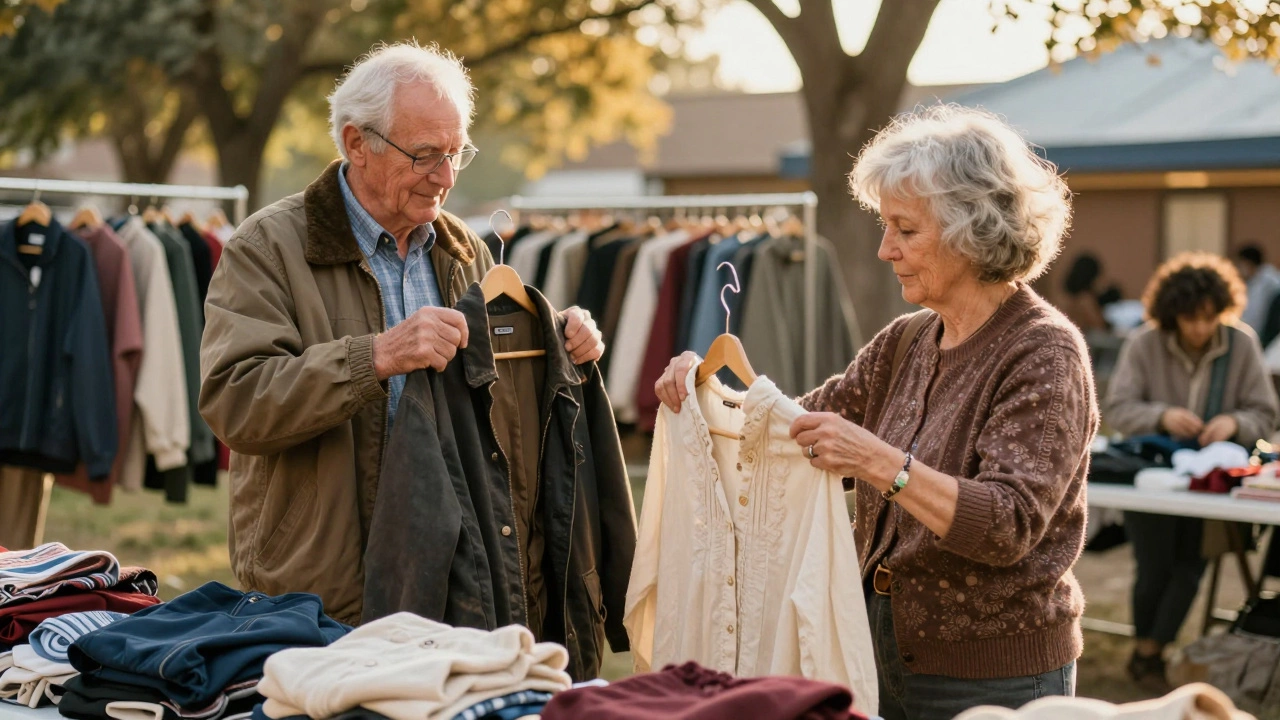
Here’s the catch: sustainable fashion still isn’t easy to access for everyone. A pair of ethical jeans can cost $150. A organic cotton t-shirt? $45. That’s 3-5 times more than fast fashion. For students, single parents, or people on fixed incomes, that’s a tough sell.
That’s why rental services, clothing swaps, and secondhand marketplaces are growing faster than new sustainable brands. In Australia, rental platforms like Hurr and Armarium saw a 67% increase in users between 2023 and 2025. People aren’t waiting for brands to become affordable-they’re finding smarter ways to wear less and waste less.
It’s Not Just About Age. It’s About Awareness.
The most sustainable outfit? The one you already own. That’s the quiet truth behind the numbers. The age group most interested in sustainable fashion isn’t just buying eco-clothes. They’re rethinking consumption itself.
Gen Z leads because they’ve never known anything else. Millennials drive sales because they’ve seen the damage. Gen X and Boomers are catching up-not because they’re convinced by ads, but because they’ve lived long enough to see the consequences.
What’s next? Brands that ignore this shift will fade. Those that listen-truly listen-will build loyalty not through hashtags, but through honesty. Repair programs. Take-back schemes. Radical transparency. Real change doesn’t come from a marketing campaign. It comes from a generation that refuses to look away.
Is Gen Z really the most sustainable shoppers, or is it just talk?
It’s not just talk. In 2025, 68% of Gen Z consumers in Australia and the U.S. said they’ve changed their clothing habits due to environmental concerns. They’re actively repairing, reselling, renting, and choosing certified brands. Data from retail analytics firms shows Gen Z spends 31% more on sustainable apparel than any other age group, and they’re 2.5 times more likely to research a brand’s ethics before buying.
Why do millennials spend more on sustainable fashion than Gen Z?
Millennials have more disposable income. While Gen Z is focused on ethical choices, many are still students or entry-level workers with tight budgets. Millennials, now in their 30s and 40s, are earning higher salaries and investing in long-term value. They’re buying fewer items-but spending more per item-because they prioritize durability and brand trust. In 2024, they made up over half of all sustainable fashion sales globally.
Are older generations completely uninterested in sustainable fashion?
No. Gen X and Baby Boomers aren’t leading the movement, but they’re not ignoring it either. Many buy secondhand out of habit, not trendiness. They’re loyal to brands that prove quality and ethics over time. While only 19% of Boomers cite environmental impact as a top factor, that number is rising. Brands like Patagonia and Eileen Fisher have strong appeal here because they’ve been consistent for decades.
What’s the biggest obstacle to sustainable fashion becoming mainstream?
Price. Ethical clothing still costs 3-5 times more than fast fashion because of fair wages, organic materials, and small-batch production. Many people want to shop sustainably but can’t afford it. That’s why rental services, clothing swaps, and secondhand markets are growing faster than new sustainable brands. Accessibility matters as much as awareness.
Do certifications like GOTS or B Corp really matter?
Yes-especially for younger shoppers. Gen Z and millennials use apps like Good On You to scan barcodes and instantly check certifications. GOTS ensures organic fibers and safe dyeing processes. B Corp certification means a company meets high standards for social and environmental performance. These aren’t just buzzwords. They’re verification tools that cut through greenwashing. Brands without them are losing trust fast.