UK Travel Safety & Crime Risk Checker
Emergency Numbers & Quick Facts
You’re planning your trip to the United Kingdom. You’ve booked the flights, picked out a cozy B&B in the Cotswolds, and maybe you’re eyeing a few nights in London. But then that nagging thought creeps in: Is it safe? You’ve heard stories about pickpockets on the Tube or rowdy crowds after a football match. Maybe you’re wondering if the headlines about knife crime apply to you, the tourist with a camera around their neck.
Here’s the blunt truth: The UK is statistically one of the safer countries in the world for tourists. Violent crime against visitors is rare. But "safe" doesn't mean "crime-free." If you want to enjoy your trip without worrying about your wallet or your phone, you need to know what the biggest crime problem actually is. It’s not gang warfare or high-stakes heists. It’s low-level, opportunistic theft that targets distracted travelers.
The Real Threat: Petty Theft and Phone Snatching
If you ask local police or look at recent data from the Office for National Statistics (ONS), the answer is clear. The most common crime affecting people in the UK-and specifically tourists-is theft. We aren’t talking about someone breaking into your hotel room while you sleep. We’re talking about snatching your iPhone off a café table, lifting your passport from an open backpack on a crowded train, or slicing a bag strap on a busy street corner.
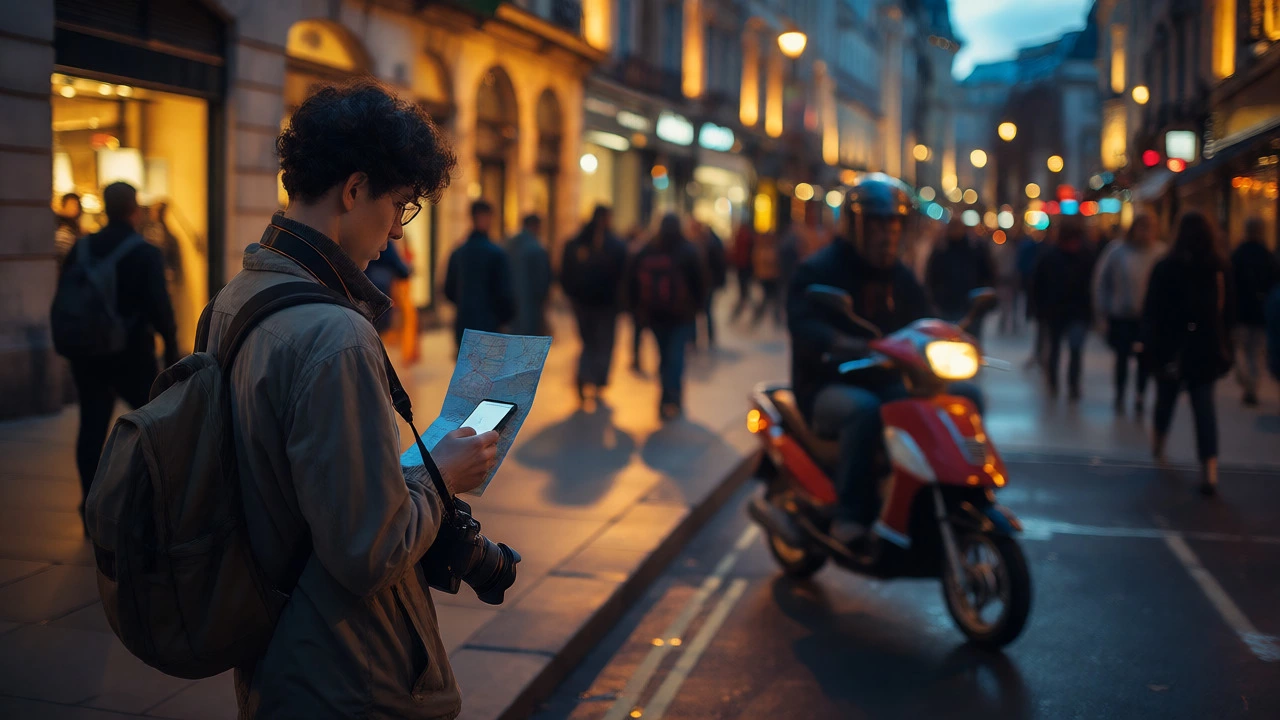
Phone snatching has exploded in popularity over the last five years, particularly in major cities like London, Manchester, and Birmingham. Criminals often work in pairs or small groups on mopeds or bicycles. They spot a tourist looking at a map or taking a selfie, grab the device, and speed away before you can even react. It happens in seconds. Once they have it, they’ll wipe the data and sell it within hours. Your insurance might cover it, but losing your primary means of communication and navigation in a foreign country is a massive headache.
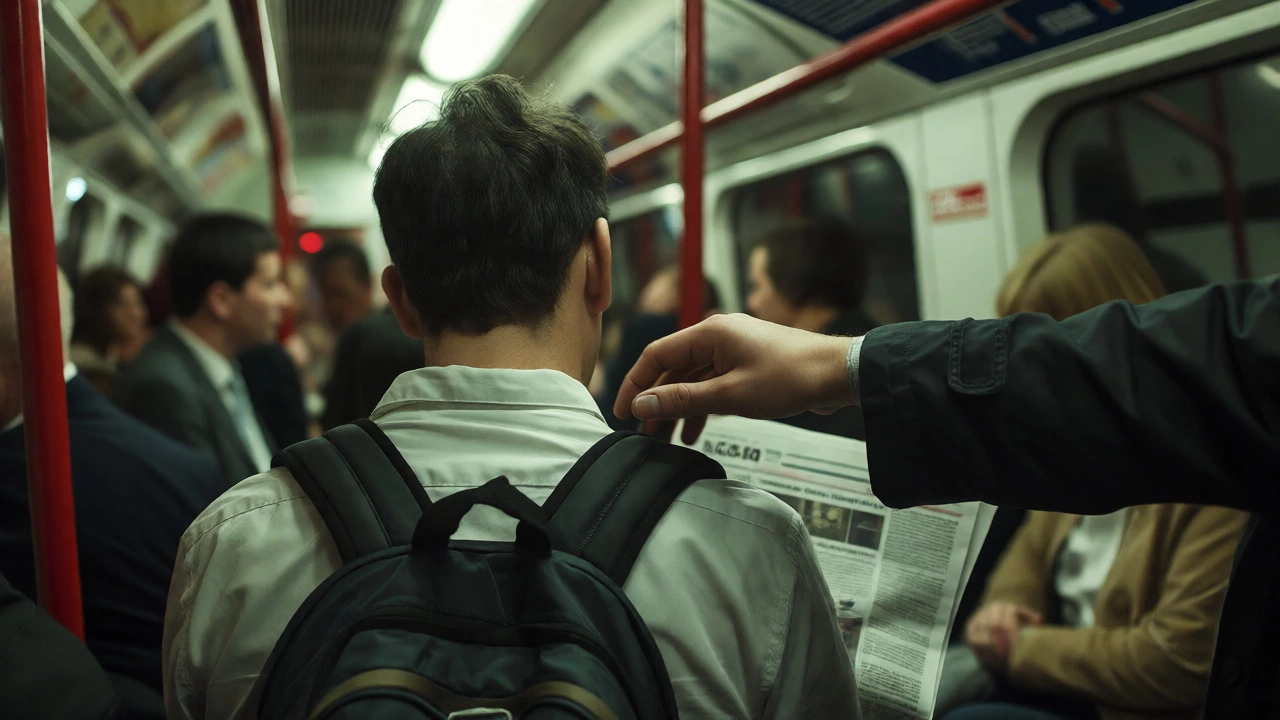
Pickpocketing remains a close second. While less dramatic than a moped chase, it’s persistent. High-traffic areas are hotspots. Oxford Street, Covent Garden, and the Underground stations during rush hour are classic examples. Thieves rely on distraction. If you’re juggling shopping bags and checking your watch, you’re an easy target. They don’t use force; they use stealth. A slight bump in the crowd, a quick hand movement, and your wallet is gone.
Violent Crime: Separating Headlines from Reality
You’ve probably seen news clips about knife crime in London. It sounds scary. Is it likely to happen to you? Probably not. Most violent crime in the UK is domestic or occurs between acquaintances in specific contexts, like late-night arguments outside pubs. Tourists rarely get caught up in this unless they are heavily intoxicated and involved in a confrontation.
However, there is a subset of violent crime that affects public spaces: assault. This usually stems from alcohol-fueled aggression. Friday and Saturday nights in city centers see a spike in minor assaults. These are typically brawls between locals, not targeted attacks on tourists. The key takeaway? Don’t engage. If you see a group of loud, drunk individuals causing trouble, cross the street. Your goal isn’t to be a hero; it’s to keep moving toward your next pint or museum visit.
Rape and serious sexual offenses are also reported frequently, but again, these are overwhelmingly non-stranger crimes. For the average solo traveler or family unit, the risk of random violent attack by a stranger is extremely low. Compare this to global averages, and the UK holds its own well. The fear factor often outweighs the actual statistical probability.
Regional Differences: Not All of the UK Is the Same
Lumping all of Britain together misses the nuance. Crime rates vary significantly by region. London has higher absolute numbers simply because it has more people and more economic activity. But when you look at crime per capita, other cities sometimes rank higher.
London: The epicenter of phone snatching and pickpocketing. The sheer volume of tourists makes it a prime hunting ground for professional thieves. However, the presence of CCTV and police patrols in central zones deters many violent incidents.
Manchester and Liverpool: These northern hubs have vibrant nightlife scenes. While generally safe, the density of bars and clubs leads to higher rates of anti-social behavior and minor assaults on weekend nights. Stay aware of your surroundings when leaving venues late at night.
Rural Areas: Places like the Lake District, Cornwall, or the Scottish Highlands have very low crime rates. Here, the biggest "crime" might be getting lost because cell service is spotty. Violent crime is almost non-existent. You can leave your car unlocked in some villages, though locking it is still wise practice.
| Region/City | Primary Crime Concern | Risk Level | Best Safety Tip |
|---|---|---|---|
| Central London | Phone Snatching / Pickpocketing | High | Keep phones in front pockets or hands, never on tables. |
| Manchester City Centre | Nightlife Assaults / Anti-social Behavior | Medium | Avoid poorly lit side streets late at night. |
| Birmingham | Petty Theft / Car Break-ins | Medium | Do not leave valuables visible in rental cars. |
| Rural Scotland/Wales | Traffic Accidents / Weather Hazards | Low | Focus on road safety rather than personal security. |
The Scams That Target Tourists Specifically
Beyond physical theft, you face a different kind of crime: fraud and scams. These are designed to separate you from your money through deception rather than force. Knowing them saves you stress and cash.
The Fake Charity Collector: In London and other big cities, you’ll meet people holding clipboards asking for signatures or donations. Many are legitimate, but some are fake. They claim to support disabled veterans or children’s hospitals. Often, they take cash directly into their pocket. Look for registered charity logos and prefer donating online or via card where possible. If they pressure you to sign quickly, walk away.
The Taxi Overcharge: Black cabs are regulated and metered, so they’re generally fair. Unlicensed minicabs are the danger zone. Never hail a random car offering a ride. Use apps like Uber, Bolt, or official local taxi firms. If you must take a minicab, book it in advance. Agree on the price beforehand if it’s not metered.
The Currency Exchange Rip-off: Avoid exchanging money at airports or tourist-heavy street kiosks. Their rates are notoriously bad, and fees are hidden. Use ATMs attached to major banks (like Barclays, HSBC, or Lloyds) or withdraw cash using your debit card abroad. Notify your bank before traveling to avoid blocked transactions.
Practical Strategies to Stay Safe
You don’t need to live in fear. You just need to adjust your habits slightly. Locals do this instinctively; as a visitor, you can learn it quickly.
- Secure Your Tech: Invest in a lanyard for your phone or keep it in a zipped inner pocket. Never leave your phone unattended on a restaurant table, even for a moment. It takes three seconds for a thief to snatch it.
- Dress Like a Local (Sort Of): Flashy jewelry, brand-new designer bags, and obvious maps mark you as a tourist. Blend in. Wear comfortable shoes, dress casually, and keep expensive accessories to a minimum.
- Watch Your Bags: On trains and buses, keep your backpack in front of you. In cafes, loop the strap around your leg or chair leg. Cut-resistant straps are worth the investment if you’re visiting high-risk areas.
- Be Aware at Night: Stick to well-lit, populated streets. If you’re alone, trust your instincts. If a street feels empty or sketchy, turn back. It’s better to walk ten minutes further than to take a risky shortcut.
- Use Official Transport: The Tube and buses are incredibly safe. Just stay alert. Sit near the driver or in crowded carriages if you’re worried. Avoid empty train compartments late at night.
What To Do If Something Goes Wrong
Despite your best efforts, things happen. If you’re robbed or scammed, don’t panic. The UK police response can be slow for non-emergencies, so manage expectations.
For emergencies (violent crime, immediate danger), dial 999. For non-emergency reporting (stolen phone, lost property), dial 101 or report online via the relevant police force’s website. You will likely need a crime reference number for insurance claims. Take photos of any injuries immediately.
Contact your embassy if your passport is stolen. They can issue emergency travel documents. Keep digital copies of all important documents (passport, visa, insurance) in a cloud folder accessible from any device. This single step saves hours of bureaucratic pain.
Finally, remember that the vast majority of millions of tourists visit the UK every year and return home without incident. The crime problem exists, but it’s manageable. By understanding that petty theft is the main adversary, you can focus your energy on protecting your belongings rather than fearing the unknown. Enjoy the history, the culture, and the pub food. Just keep your phone close.
Is London safe for solo female travelers?
Yes, London is generally safe for solo female travelers. Violent crime against women by strangers is relatively low. However, catcalling and unwanted attention can occur, particularly at night. Standard precautions apply: stay in well-lit areas, let someone know your whereabouts, and use reputable transport services. The main concern remains petty theft, so keep valuables secure.
Do I need to worry about gun crime in the UK?
No, gun crime is exceptionally rare in the UK compared to countries like the US. Most police officers are unarmed, and firearms incidents are isolated events often related to organized crime. For tourists, the likelihood of encountering gun violence is virtually zero. Knife crime is more prevalent but still primarily affects specific demographics and locations, not typical tourist routes.
What should I do if my phone is stolen in London?
First, try to locate it using Find My iPhone or Android Device Manager. If it’s gone, report it to the police online to get a crime reference number for insurance. Contact your mobile provider to block the SIM card. If you have AppleCare+ or similar insurance, check if it covers theft. Finally, update your passwords for social media and banking apps accessed via that device.
Are taxis in the UK safe to use?
Licensed black cabs and pre-booked minicabs are safe and regulated. Drivers undergo background checks. The risk comes from unlicensed "gypsy cabs" that approach you on the street. Always use official taxi ranks, call a licensed firm, or use ride-hailing apps like Uber or Bolt. Ensure the car matches the details provided in the app before getting in.
Is it safe to drink tap water in the UK?
Yes, tap water in the UK is among the safest in the world. It is strictly regulated and treated to high standards. You can drink it confidently anywhere in England, Wales, Scotland, and Northern Ireland. There is no health-related crime or contamination issue to worry about regarding water supply.