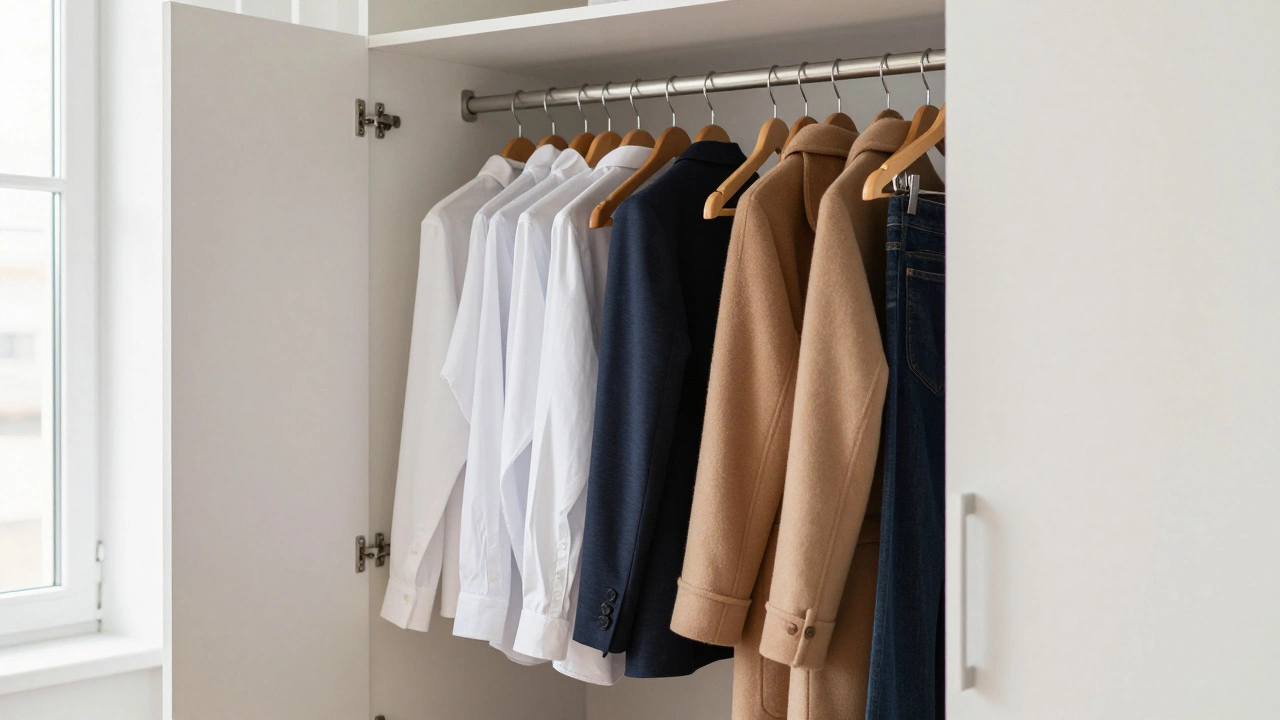
Capsule Wardrobe Builder
Select Your Essentials
Click items to add them to your capsule (Target: 30-40 items)Your Capsule Stats
Walk down any busy street in Sydney or New York, and you’ll notice a shift. The loud logos are fading. The fast-fashion trends that changed weekly are slowing down. Instead, you see people wearing crisp white shirts, well-fitted denim, and neutral tones. This isn’t just a trend; it’s the rise of minimalist fashion, which is a style philosophy focused on owning fewer, higher-quality garments that mix and match seamlessly.
You might be wondering what exactly these people wear. Do they only own five shirts? Is it boring? Does it mean giving up color? The short answer is no. Minimalism in clothing isn’t about deprivation. It’s about intention. It’s about building a closet where every piece earns its place because you love it, it fits perfectly, and it works with everything else.
The Core Philosophy: Less Stuff, More Life
Before we talk about specific items, we need to understand the mindset. Minimalism is a lifestyle choice that prioritizes experiences and values over material possessions. When applied to your wardrobe, this means stopping the cycle of buying things you don’t need just because they’re on sale. Think about the last time you bought a shirt with a weird neckline that looked great on the hanger but terrible on you. That’s anti-minimalist. A minimalist asks: "Will I wear this at least thirty times?" If the answer is no, they walk away.
This approach saves money, reduces decision fatigue, and cuts down on the environmental impact of textile waste. In 2026, with sustainability becoming a non-negotiable for many consumers, minimalism has evolved from a niche aesthetic into a practical survival strategy against consumer culture.
The Capsule Wardrobe: Your Blueprint
The most common tool minimalists use is the capsule wardrobe, which is a limited collection of interchangeable clothing items designed to maximize outfit combinations. Popularized by Susie Faux in the 1970s and later refined by Donna Karan, the concept remains relevant. A typical capsule might contain 30-40 items, including shoes and accessories, but excluding workout gear and sleepwear.
Why does this work? Because when every top matches every bottom, getting dressed takes two minutes instead of twenty. You stop staring into an open closet feeling like you have "nothing to wear." Here is how a standard minimalist capsule breaks down:
- Basics: White t-shirts, black turtlenecks, plain button-downs.
- Bottoms: Dark wash jeans, tailored trousers, a midi skirt.
- Layers: A trench coat, a blazer, a cashmere sweater.
- Footwear: White leather sneakers, loafers, ankle boots.
The key here is versatility. A navy blazer isn’t just for the office; it elevates a weekend look with jeans and a tee. This multiplicity is the heart of minimalist dressing.
Fabric Matters: Quality Over Quantity
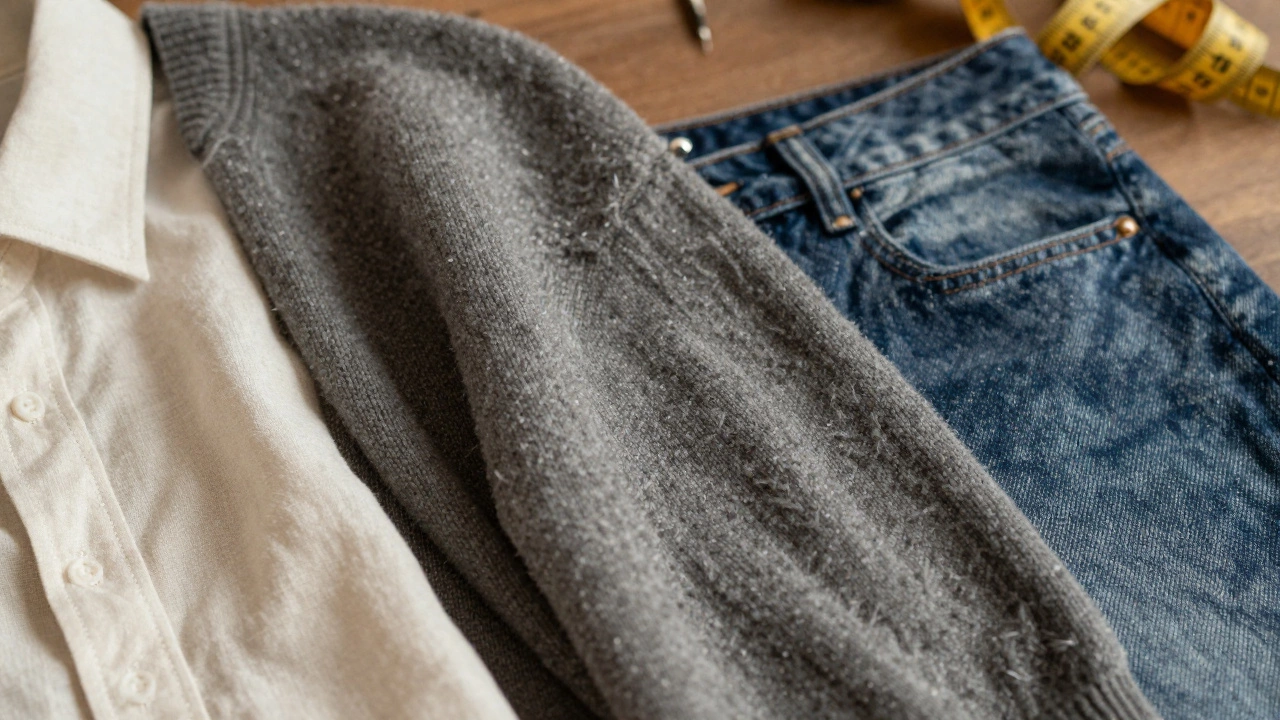
If you’re going to own fewer clothes, those clothes must last. Fast fashion relies on cheap synthetics like polyester and acrylic that pill after three washes. Minimalists prioritize natural fibers. Let’s look at the big three:
- Cotton: Look for organic or long-staple cotton (like Pima or Egyptian). It breathes well and gets softer with age. Perfect for t-shirts and shirts.
- Wool: Merino wool is a game-changer. It resists odors, regulates temperature, and doesn’t wrinkle easily. You can wear a merino sweater for days without washing it.
- Linen: Ideal for warm climates like Sydney. It wrinkles, yes, but that’s part of the charm. It’s durable and incredibly breathable.
Avoid blends if possible. Pure fabrics often outlast mixed ones because they react predictably to heat and water. When you buy a $150 pair of trousers made from high-grade wool blend, expect them to last five years. A $40 poly-blend pair will bag out at the knees in six months.
Color Palette: The Power of Neutrals
One of the biggest misconceptions is that minimalists only wear beige and gray. While neutrals are the backbone, the goal is cohesion, not monotony. Most minimalists stick to a cohesive color palette. This usually includes:
- Neutrals: Black, white, navy, gray, camel, olive.
- Accent Colors: One or two colors you genuinely love, such as burgundy, mustard, or teal.
By sticking to this palette, you ensure that almost any piece in your closet can be paired with any other. Want to add a pop of color? Use accessories. A bright scarf or a bold handbag can transform a neutral outfit without cluttering your core wardrobe. This strategy allows you to experiment with trends through small, affordable items rather than overhauling your entire closet.
Fit Is Non-Negotiable
You can buy the most expensive designer jacket, but if it doesn’t fit, it’s useless. Minimalists invest heavily in tailoring. Off-the-rack clothes rarely fit perfectly. Spending $20-$50 to hem pants or take in the waist of a shirt transforms a generic garment into something that looks custom-made.
Good fit also affects longevity. Clothes that are too tight stretch out and lose shape. Clothes that are too loose snag on things and get dirty faster. Aim for a silhouette that feels comfortable but structured. In 2026, the trend is moving away from ultra-skinny fits toward relaxed, straight-leg cuts that offer both comfort and style.
Shoes: The Foundation of the Look
Shoes make up a significant portion of a minimalist’s budget. Why? Because they endure the most wear and tear. A minimalist shoe collection typically includes:
| Style | Material | Use Case |
|---|---|---|
| White Leather Sneakers | Full-grain leather | Everyday casual, travel |
| Loafers | Suede or leather | Smart-casual, office |
| Ankle Boots | Leather | Cold weather, evenings |
| Classic Sandals | Leather straps | Summer, beach-to-bar |
Notice the emphasis on leather. It molds to your foot over time, providing better support and lasting longer than synthetic alternatives. Clean your shoes regularly. A simple brush and conditioner keep them looking new for years.
Accessories: The Final Touch
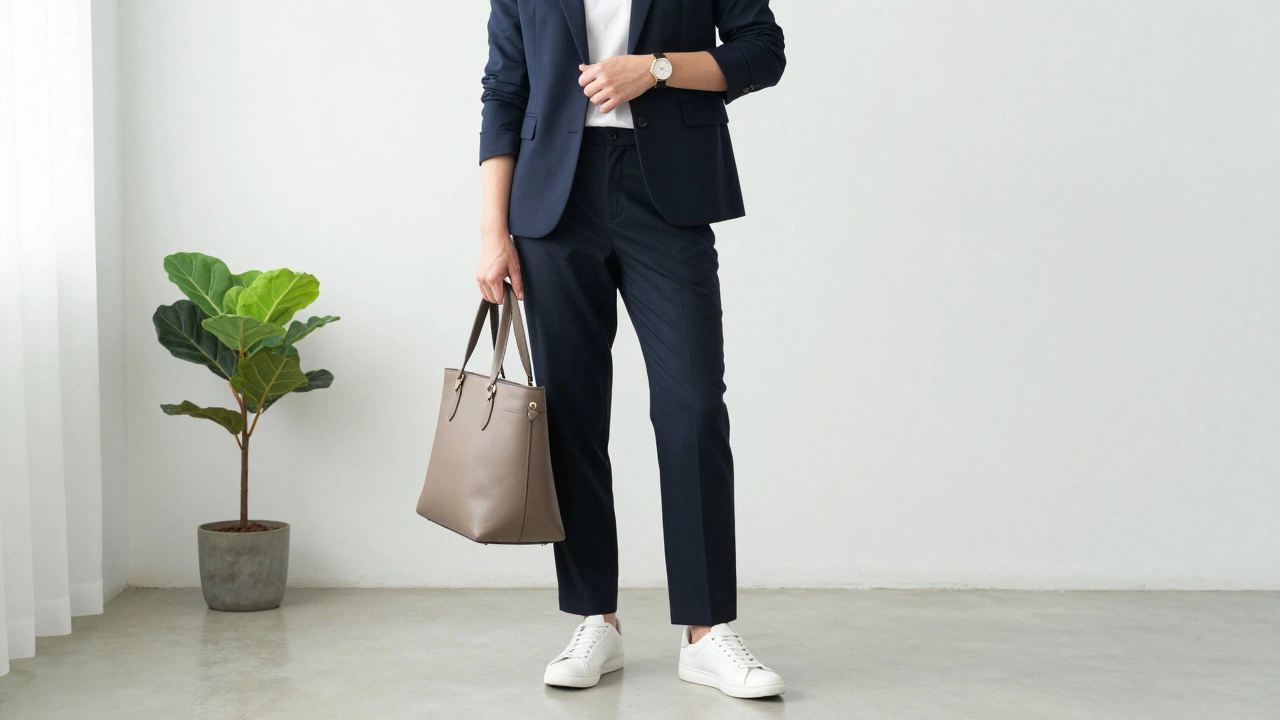
Minimalism doesn’t mean bare. Accessories are where personality shines. However, the rule is still quality over quantity. Instead of ten cheap necklaces, choose one statement piece made of solid gold or silver. Instead of five plastic watches, invest in one reliable mechanical or quartz watch.
Other essential accessories include:
- A versatile bag: A leather tote or crossbody that holds your daily essentials.
- Sunglasses: Classic frames like Wayfarers or Aviators that suit most face shapes.
- A belt: Match it to your shoes. Black with black, brown with brown.
These items complete the look without adding bulk to your closet. They are the punctuation marks in your outfit sentences.
How to Start: A Practical Guide
Transitioning to a minimalist wardrobe doesn’t happen overnight. Don’t throw everything away. Start with these steps:
- Audit your current closet: Take everything out. Try each item on. Ask yourself: Does it fit? Do I love it? Have I worn it in the last year? If no, donate or sell it.
- Identify gaps: Once you’ve kept the essentials, see what’s missing. Do you lack a good winter coat? A pair of black trousers?
- Shop intentionally: Create a list. Stick to it. Avoid impulse buys. Research brands that align with your values (ethical labor, sustainable materials).
- Maintain your clothes: Learn basic repairs. Sew a button. Darn a sock. Proper storage prevents moths and dust.
This process takes time, but the result is a closet that brings you joy every single day. You’ll save hours per week on laundry and shopping. You’ll spend less money annually. And you’ll feel more confident because you know exactly what works for your body and lifestyle.
Common Pitfalls to Avoid
Even seasoned minimalists make mistakes. Here are the most common traps:
- Being too rigid: Life changes. You might get a new job that requires formal wear. Be flexible. Add pieces as needed, but always evaluate their necessity.
- Igoring seasonality: Living in Sydney means hot summers and mild winters. Your capsule should reflect your climate. Don’t buy heavy coats if you live in a tropical zone.
- Confusing minimalism with uniformity: You don’t have to wear the same thing every day. Mix textures, layers, and accessories to keep things interesting.
Remember, minimalism is a tool for living better, not a set of strict rules. It’s about removing the noise so you can focus on what matters.
How many clothes should a minimalist own?
There is no magic number, but a common guideline is 30-40 items for a full-season capsule wardrobe. This includes tops, bottoms, dresses, outerwear, and shoes. It excludes underwear, sleepwear, and specialized athletic gear. The goal is to have enough variety to express yourself while eliminating excess.
Is minimalist fashion expensive?
Initially, it may seem costly because you are investing in higher-quality items. However, over time, it saves money. You buy less frequently, avoid impulse purchases, and maintain your clothes longer. The cost-per-wear of a $100 jacket worn 100 times is $1, whereas a $20 jacket worn twice costs $10 per wear.
Can I still wear trends as a minimalist?
Yes, but selectively. Incorporate trends through accessories or one statement piece rather than overhauling your entire wardrobe. For example, if chunky boots are in style, buy one great pair. If a specific color is trending, try it in a scarf. This keeps your look fresh without compromising your core capsule.
What fabrics should I avoid?
Avoid low-quality synthetics like cheap polyester, acrylic, and rayon blends. These materials trap heat, cause odor, and degrade quickly. They also contribute significantly to microplastic pollution. Opt for natural fibers like cotton, linen, wool, and silk, or recycled technical fabrics if you need performance features.
How do I handle special occasions?
Keep a few versatile pieces for events. A little black dress, a sharp suit, or a elegant jumpsuit can cover most occasions. Renting formal wear is also a great minimalist-friendly option for weddings or galas where you won’t reuse the outfit. Focus on timeless styles rather than trendy event-specific clothes.