Luxury Skincare Value & Cost Calculator
Select the products you actually use to build your routine, then pick your currency and skin profile. We calculate the real cost per millilitre, your yearly spend, and where the premium really goes.
Build Your Routine
Your Profile
Lower is better value. Luxury creams often carry a higher per-ml cost than their serums.
Estimated share of each dollar across a typical ultra-luxury line.
Walking into a high-end department store in Sydney or browsing online, you might spot a single bottle of serum priced higher than your monthly rent. It raises a simple question: which is the most expensive skin care brand actually available to consumers? The answer isn't just one name; it depends on whether you are looking at the highest price tag per ounce, the most exclusive limited editions, or the brands that consistently command premium pricing across their entire line.
The luxury beauty market has shifted significantly over the last few years. What used to be reserved for celebrity wardrobes is now accessible to anyone with a credit card, but the price gap between mass-market and ultra-luxury remains staggering. Understanding who sits at the top of this hierarchy helps you decide if you are paying for actual efficacy, packaging, or simply the prestige of the label.
Defining the Top Tier: Who Holds the Crown?
When we talk about the "most expensive" brand, we usually refer to two metrics: average retail price per unit and the ceiling of their product range. Two names consistently dominate these conversations: La Prairie is a Swiss luxury skincare brand known for its caviar extract formulations and high-end anti-aging treatments. Founded in 1978, it positions itself as the pinnacle of cellular regeneration science. Another major player is Chanel, a French fashion house whose beauty division, launched in 1995, commands prices comparable to fine jewelry due to its global brand equity.
However, there is a third contender that often surprises people: Clé de Peau Beauté, a Japanese brand under Shiseido Group. While not always the absolute highest in raw dollar terms for every single item, its consistent premium pricing across all categories-serums, creams, and masks-makes it one of the most expensive comprehensive lines on the market.
To get a clear picture, let's look at the actual numbers. Prices can vary by region, but using standard US and Australian retail benchmarks gives us a reliable baseline for comparison.
| Brand | Origin | Key Ingredient Focus | Avg. Price (USD/AUD) |
|---|---|---|---|
| La Prairie | Switzerland | Caviar Extract, Cellular Caviar | $350 - $450 / $550 - $700 |
| Chanel | France | Camellia Oil, Niacinamide | $280 - $350 / $450 - $550 |
| Clé de Peau Beauté | Japan | Shiso Leaf, Ceramides | $300 - $380 / $480 - $600 |
| Estée Lauder (Advanced Night Repair) | USA | Chronolux Complex | $120 - $150 / $180 - $220 |
| Olay (Regenerist) | UK/Global | PephaComplex, Hyaluronic Acid | $30 - $50 / $45 - $75 |
As you can see, the jump from mass-market like Olay to luxury like La Prairie is nearly tenfold. But why does La Prairie hold the top spot for many consumers? It’s not just the price; it’s the positioning. They sell a narrative of cellular renewal that justifies the cost in the minds of their buyers.
Beyond the Price Tag: What Are You Actually Paying For?
If money were no object, would you buy the most expensive cream? Maybe. But if you’re budgeting, you need to know where the money goes. Luxury skincare costs more for three main reasons: ingredient sourcing, R&D investment, and brand marketing.
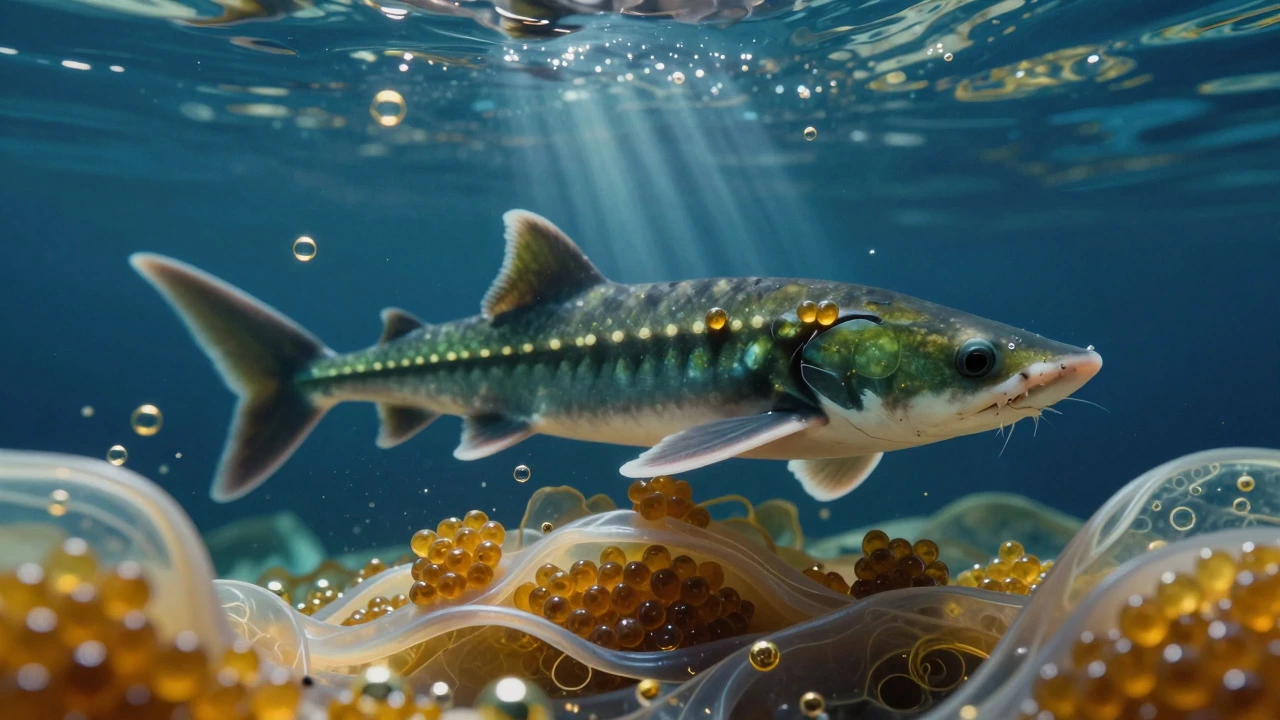
Ingredient Sourcing Caviar extract, used heavily by La Prairie, is harvested from sturgeon fish. The process is labor-intensive and yields very little usable material per fish. Similarly, Camellia oil, a staple in Chanel products, requires cold-pressing specific varieties of tea seed to maintain purity. These ingredients are genuinely rare and costly to source compared to synthetic alternatives found in mid-range brands.
R&D and Formulation Luxury brands spend significantly more on stability testing and delivery systems. For example, Hyaluronic acid is cheap to produce, but getting it to penetrate deep enough to show results requires advanced encapsulation technology. Brands like Clé de Peau invest in proprietary delivery mechanisms that ensure the active ingredients reach the dermis rather than sitting on the surface.
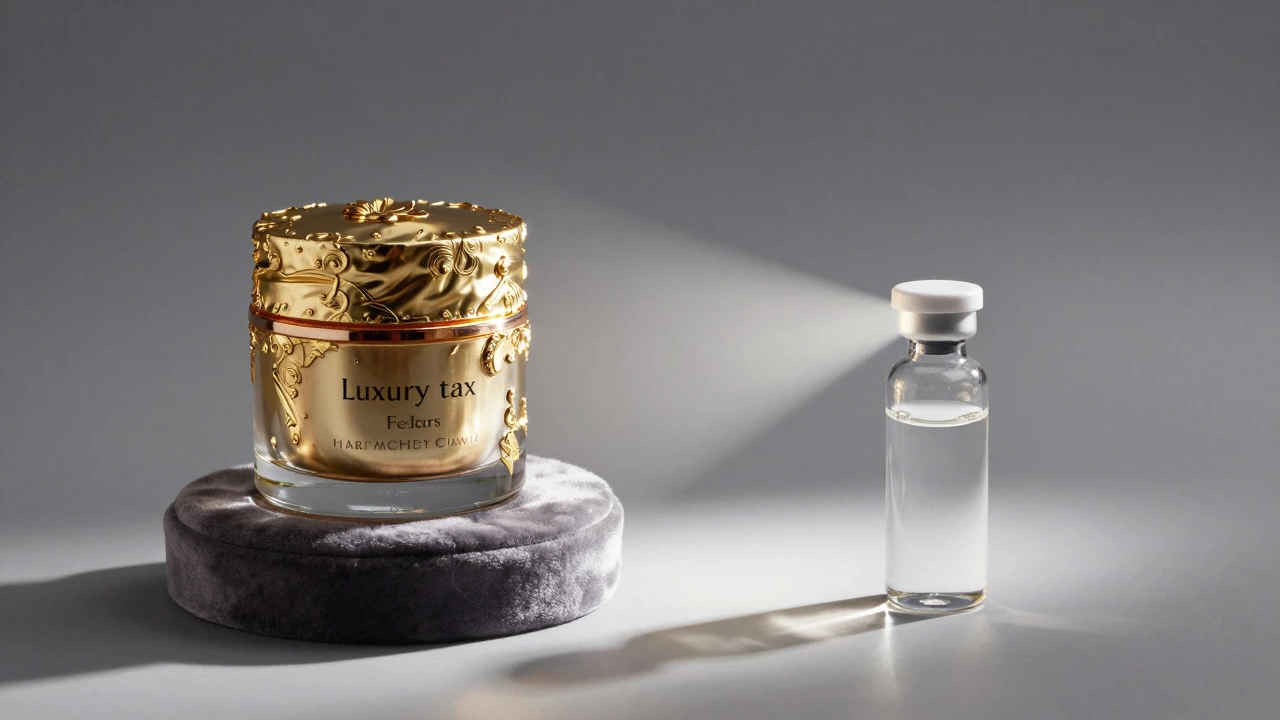
Marketing and Packaging Let’s be honest: you are paying for the box. The weight of the glass bottle, the gold foil stamping, and the scent of the product all contribute to the perceived value. This is where the "luxury tax" comes in. A jar of cream from a lesser-known lab-grade brand might have similar active percentages but cost half as much because they skip the heavy marketing campaigns and minimalist packaging.
The Hidden Costs: Exfoliation and Treatments
Moisturizers aren’t the only place where prices skyrocket. If you include exfoliants and specialized treatments, the landscape shifts slightly. Dr. Barbara Sturm, an Austrian brand, has gained massive traction recently. Their serums often retail for $300+ for a small 30ml bottle. While La Prairie wins on cream pricing, Dr. Barbara Sturm frequently tops lists for the most expensive *serum* per milliliter.
Then there is the world of professional-grade at-home devices. Brands like NuFACE or Foreo sell devices that cost $500-$1,000 upfront, plus replacement cartridges. When you factor in the long-term cost of consumables, these can rival the annual spend on high-end creams.
It’s also worth noting that some brands use "limited edition" strategies to inflate prices. A holiday collection from Chanel or La Prairie might carry a 20-30% markup over their core line. If you’re tracking the "most expensive" brand, remember that seasonal exclusives often break the records set by permanent collections.
Is Expensive Always Better? The Efficacy Debate
This is the million-dollar question (pun intended). Dermatologists often say that the most expensive product isn’t necessarily the most effective. Active ingredients like Retinol, a derivative of Vitamin A that promotes cell turnover and reduces wrinkles, are available in affordable drugstore brands that work just as well as their luxury counterparts.
However, luxury brands excel in texture, scent, and user experience. If you hate the sticky feel of a $20 retinol serum, a $300 luxury version might make you actually stick to your routine. Adherence is key. If a product makes you want to use it every night, it’s delivering value, regardless of the price.
Here is a quick heuristic to help you decide:
- For Anti-Aging: Look for proven actives (Retinol, Vitamin C, SPF) first. Price matters less than concentration and formulation stability.
- For Sensitive Skin: Luxury brands often use fewer fragrances and preservatives, which can be worth the premium for reactive skin types.
- For Dry Skin: Occlusives matter. High-end oils and ceramides in brands like La Prairie can provide better barrier repair than cheaper mineral-oil-based creams.
Regional Differences: Buying in Australia vs. Europe
Since we are looking at this from an Australian perspective, currency exchange rates and import duties play a huge role. Products sold in Sydney are generally more expensive than in New York or Paris due to GST (Goods and Services Tax) and shipping costs.
For example, a $300 USD La Prairie cream might cost around $500 AUD in local boutiques. However, buying directly from international sites can sometimes save you 15-20%, though you risk dealing with customs fees. Always check the total landed cost before hitting "buy." Also, note that some brands release different formulas for Asian markets versus Western markets. Clé de Peau, for instance, has specific variants for humid climates that may differ in texture from the European versions.
How to Spot Fake Luxury Skincare
Because these brands are so profitable, counterfeiting is rampant. If you see a "most expensive" brand selling for 50% off on a random marketplace, it’s likely fake. Here’s how to verify authenticity:
- Check the Batch Code: Every legitimate jar has a batch code printed on the bottom. You can verify this on the brand’s official website or third-party verification sites.
- Inspect the Packaging: Luxury brands use high-quality materials. If the font looks slightly off, or the gold foil peels easily, it’s a red flag.
- Scent Check: Counterfeit products often smell like alcohol or chemical solvents. Authentic luxury creams should have a subtle, refined fragrance (or none at all).
Frequently Asked Questions
What is the single most expensive skincare product ever sold?
While regular retail lines cap out around $500-$1,000, bespoke treatments and limited editions go higher. Some private-label brands offer facial treatments costing upwards of $2,000 per session. In terms of retail jars, certain vintage or discontinued lines from houses like Guerlain or La Prairie can fetch thousands on the secondary market.
Is La Prairie really worth the hype?
It depends on your skin goals. La Prairie excels in hydration and texture improvement due to its rich emollients. If you have dry or mature skin and enjoy the ritual of high-end application, many users find it satisfying. However, if you are looking for dramatic wrinkle reduction, a targeted retinol treatment from a dermatologist might yield faster visible results for less money.
Which brand is the best value for money in the luxury segment?
Many experts point to Estée Lauder’s premium lines or Kiehl’s as offering a balance. They sit in the "accessible luxury

Related Post