
London Trip Planner & Budget Estimator
Plan your visit with realistic estimates. Adjust the sliders to match your travel style.
Daily Cost Estimate
Estimated Daily Spend Per Person
Trip Duration:
daysEssential London Tips
Transport Hack
Use Contactless/Oyster. Never buy paper tickets.
Weather Prep
Layers are key. Waterproof shell required even in July.
Cashless City
Carry £20 for emergencies. Cards work almost everywhere.
Social Norms
Queue properly. Say "sorry" if you bump into someone.
You step off the plane at Heathrow, grab your bag, and head toward the exit. The air smells different-damp, metallic, alive. You’re in London, a city that feels both impossibly old and aggressively modern. But here’s the thing nobody tells you in those glossy brochures: London is not just a destination; it’s a puzzle. And if you don’t have the right pieces, you’ll spend half your trip frustrated, overpaying, or stuck on a bus going the wrong way.
I’ve lived in Sydney for years, so I know what it’s like to navigate a sprawling metropolis with its own quirks. But London? It’s a different beast. It rewards the prepared and punishes the presumptuous. Whether you’re planning a weekend break or a two-week deep dive, knowing the lay of the land before you book your flight can save you hundreds of pounds and hours of stress. Here is the raw truth about navigating this city, stripped of the tourist trap fluff.
Mastering the Transport Maze
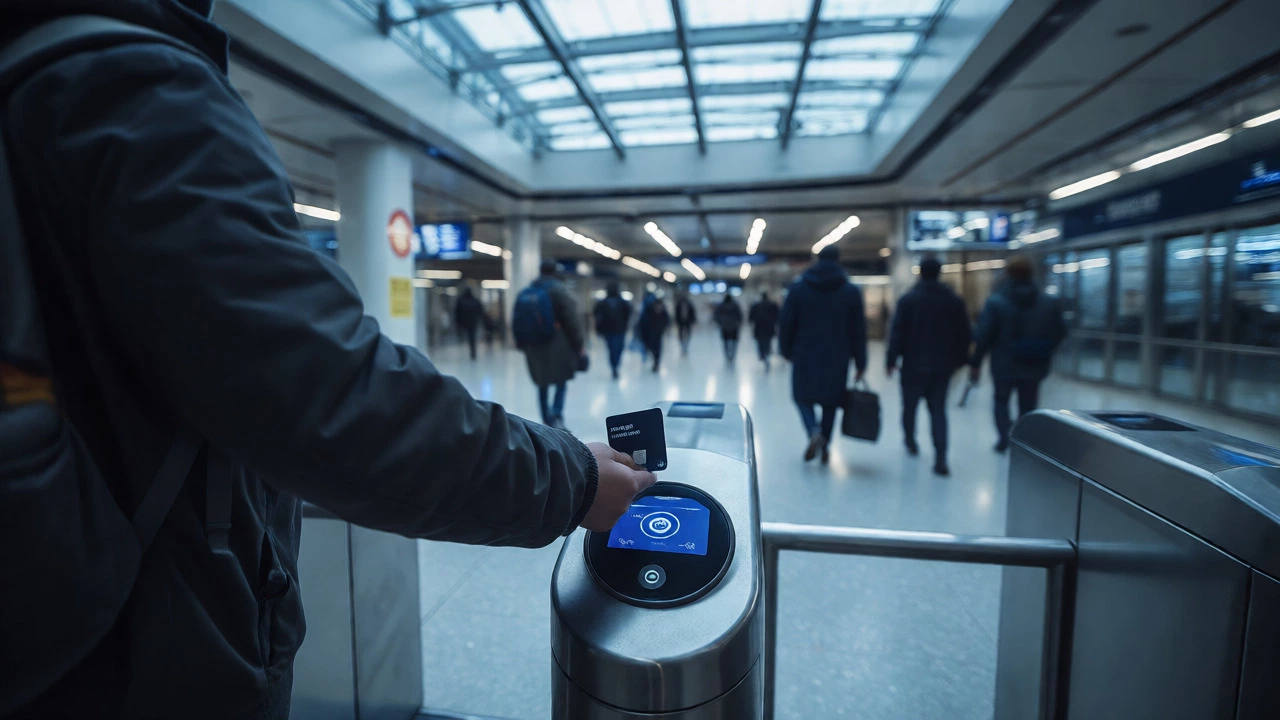
If there is one thing that trips up visitors more than anything else, it’s the transport system. People assume they need to buy a ticket for every single journey. They don’t. In fact, buying paper tickets is almost always a mistake. The most efficient way to move around London is by using a contactless payment card or a mobile device. This system, known as Oyster (or simply Contactless)a smartcard-based electronic fare collection system used across London's public transport network, caps your daily spending. If you take enough journeys, you hit a daily cap, which is significantly cheaper than individual fares.
Here’s the catch: you must tap in and tap out. Every time. On the Tube, yes. On buses, you only tap in. If you forget to tap out on the Underground, you get charged the maximum penalty fare, which stings. Also, understand the zones. London is divided into nine concentric zones. Zone 1 is central (Westminster, Covent Garden). Most tourists stay within Zones 1-3. If you’re staying in Shoreditch (Zone 2) and going to Camden (Zone 2), you’re fine. But if you venture out to Greenwich or Wimbledon, check your zone coverage first. A standard daily cap for Zones 1-4 is currently around £8.90 (subject to change), but it beats paying £6.70 for a single peak-time Tube ride from Zone 1 to Zone 5.
- The Night Tube: Runs on Fridays and Saturdays until late on specific lines (Central, Victoria, Jubilee, Northern, Piccadilly). Check schedules because maintenance often suspends these services.
- River Bus: Often overlooked. The Thames Clipper is slower but offers stunning views and connects major hubs like Westminster, Tower Bridge, and Greenwich. It’s a scenic alternative to the crowded Tube.
- Safety Tip: Keep your bag in front of you on the Tube. Pickpockets are active, especially on the Central line during rush hour.
The Weather Reality Check
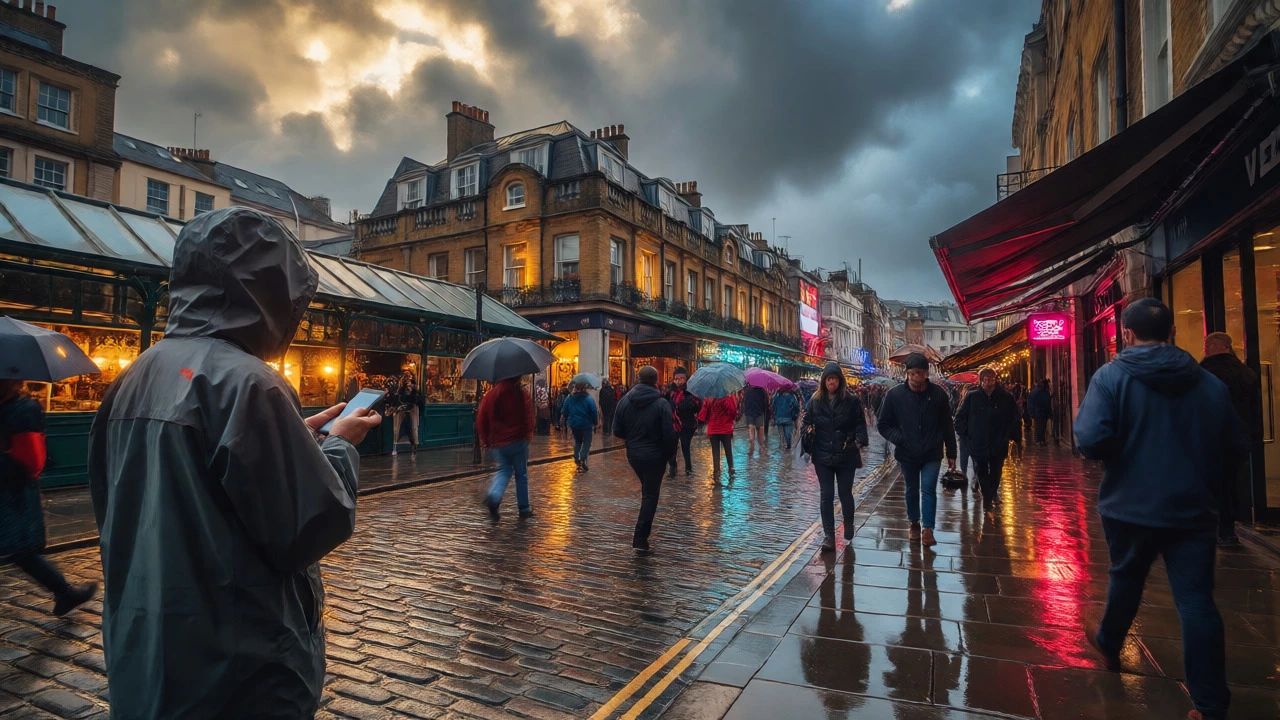
Forget the umbrella cliché. Yes, it rains. But it rarely pours for days on end. The real issue isn’t the rain; it’s the unpredictability. One minute it’s sunny, the next it’s sideways sleet. The British weather changes rapidly due to maritime influences. As someone who grew up with Sydney’s predictable sunshine, this was my biggest shock. You might plan a picnic in Hyde Park and find yourself sheltering under an awning in Covent Garden twenty minutes later.
Dress in layers. That’s the golden rule. A waterproof shell jacket is non-negotiable, even in July. Wear comfortable, water-resistant shoes. Cobblestones in areas like Bermondsey or Shoreditch are beautiful but slippery when wet. High heels are a recipe for disaster unless you’re staying strictly indoors. Also, note that daylight savings ends in late October. By November, it gets dark by 4:00 PM. Plan your outdoor sightseeing for mornings and early afternoons if you visit in winter.
Budgeting Beyond the Obvious
London is expensive, but it doesn’t have to be bankrupting. The trap is thinking everything costs a fortune. Many of the world-class museums are free. The British Museuma public institution dedicated to human history, art and culture, the National Gallery, and the Tate Modern charge no entry fee. They rely on donations, so drop in a few pounds if you can afford it. This alone saves you £20-£30 per person per day compared to cities like Paris or New York.
Eating out is where budgets explode. A sit-down dinner for two with wine can easily hit £80-£100. Here’s how to eat well without breaking the bank:
- Lunch Deals: Many restaurants offer set lunch menus between 12:00 PM and 3:00 PM for £15-£20. Eat your big meal then, and keep dinner light.
- Supermarket Ready Meals: Waitrose and Marks & Spencer sell high-quality ready meals for £5-£7. They are better than many fast-food chains.
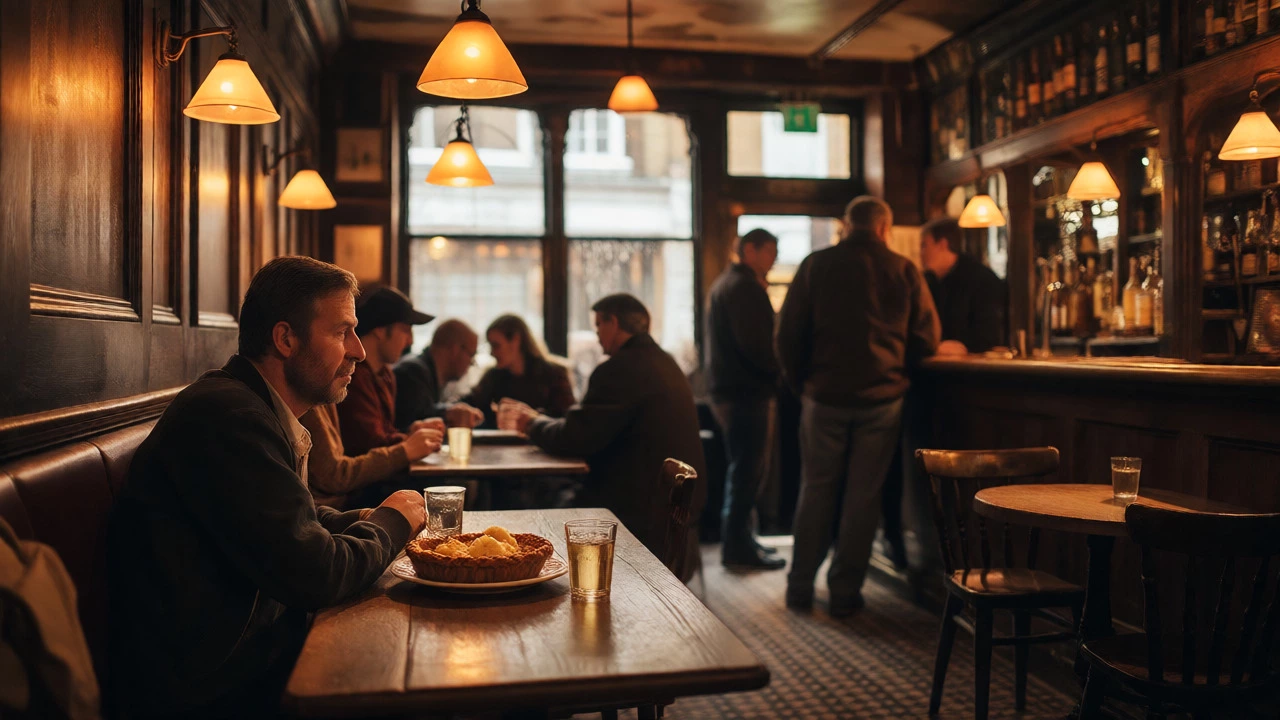
- Pub Food: Pubs are cultural institutions. A pie and mash or a burger at a local pub like The Eagle in Clerkenwell is affordable and authentic. Avoid pubs directly facing major tourist attractions; walk two streets away for better prices.
| Category | Budget Option | Mid-Range Option | Luxury Option |
|---|---|---|---|
| Accommodation (Night) | £60 (Hostel/Shared) | £150 (3-Star Hotel) | £300+ (5-Star Hotel) |
| Transport (Daily Cap) | £8.90 (Zones 1-4) | £8.90 (Zones 1-4) | £15+ (Private Transfers) |
| Food (Per Person) | £20 (Supermarket/Sandwiches) | £45 (Casual Dining) | £100+ (Fine Dining) |
| Attractions | £0 (Free Museums) | £25 (Mixed Paid/Free) | £50+ (Guided Tours/Premium) |
Cultural Etiquette and Social Norms
Brits are polite, but their politeness has rules. Queuing is sacred. Do not cut in line. Do not stand too close to the person in front of you while waiting for a bus. Maintain personal space. If you accidentally bump into someone, say "sorry." Even if they bumped into you. Saying sorry is a social lubricant, not an admission of guilt.
Tipping is optional but appreciated. In restaurants, a service charge of 12.5% is often added automatically. Check your bill. If it’s there, you don’t need to tip extra. If it’s not, rounding up or adding 10% is standard. For taxis, rounding up to the nearest pound is common. In pubs, you generally don’t tip bar staff directly. Instead, you might buy them a drink if you’re a regular, or just leave small change on the counter.
Also, mind your volume. Londoners value quiet, especially on public transport. Loud phone conversations on the Tube are frowned upon. Use headphones. If you’re speaking loudly, do it outside or in a pub, not on the train.
Avoiding Tourist Traps
Not all landmarks are created equal. Some are worth the hype; others are overrated money pits. Let’s break down the essentials versus the skips.
- Worth It: The British Museum, Tate Modern, Borough Market, Hampstead Heath, and walking along the South Bank. These offer high value and authentic experiences.
- Skip or Be Careful: Madame Tussauds is fun for kids but expensive for adults (£35+). The London Eye is iconic but queues can be brutal. Book timed slots online in advance. Changing the Guard at Buckingham Palace is ceremonial but can feel underwhelming if you expect military precision; go to Horse Guards Parade instead for a quieter, equally impressive display.
- Hidden Gems: Visit Little Venice for canal walks, explore the markets in Brick Lane for street food, or wander through Neal’s Yard in Covent Garden for colorful architecture and independent shops.
One major pitfall is the "tourist tax" mindset. Vendors near Leicester Square selling "cheap" tours or souvenirs often mark up prices significantly. Walk five minutes away from the square, and prices drop. Same goes for restaurants. Look for places filled with locals, not tourists taking photos of their food.
Connectivity and Digital Essentials
Before you fly, sort your data. Roaming charges from Australian carriers can be exorbitant. Buy a local SIM card upon arrival or use an eSIM provider like Airalo or Holafly. Coverage in London is excellent, with widespread 5G availability. Free Wi-Fi is available in many cafes, libraries, and transport hubs, but it’s not universal. Don’t rely on it for navigation.
Download offline maps. Google Maps works well, but Citymapper is the gold standard for London transit. It gives real-time updates, suggests the fastest route including walking segments, and alerts you to delays. It’s indispensable.
Final Thoughts on Pace
London is huge. Trying to see everything in three days leads to burnout. Pick two or three neighborhoods per day. Explore them deeply. Sit in a cafe. Watch people pass by. Chat with a bartender. The magic of London isn’t just in the monuments; it’s in the atmosphere. It’s in the smell of coffee in Soho, the sound of street musicians in Covent Garden, and the quiet beauty of a park in autumn.
Go slow. Stay flexible. And remember, getting lost is part of the experience. Just make sure you have a full battery and a good pair of shoes.
Do I need cash in London?
Rarely. London is largely a cashless society. Almost everywhere accepts contactless cards, including buses, Tube stations, and most small shops. However, carry £20 in small notes for tips, market stalls that might not take cards, or emergencies.
Is London safe for solo travelers?
Yes, London is generally very safe, even for solo female travelers. Standard city precautions apply: be aware of your surroundings at night, avoid poorly lit areas, and watch your belongings in crowded places. Police presence is visible, and CCTV coverage is extensive.
What is the best time to visit London?
Late spring (May-June) and early autumn (September-October) offer the best balance of mild weather and fewer crowds. Summer (July-August) is warm but busy and expensive. Winter is cold and dark but festive with Christmas lights and lower accommodation rates.
How much should I budget per day?
For a mid-range traveler, budget £150-£200 per day including accommodation, food, and transport. Budget travelers can manage on £80-£100 by staying in hostels and eating cheaply. Luxury travelers should expect £300+ per day.
Can I use US dollars in London?
No. The official currency is the Pound Sterling (£). Exchange your money before you go or use ATMs upon arrival. Avoid exchanging money at airport kiosks as rates are poor.